
Main Courses
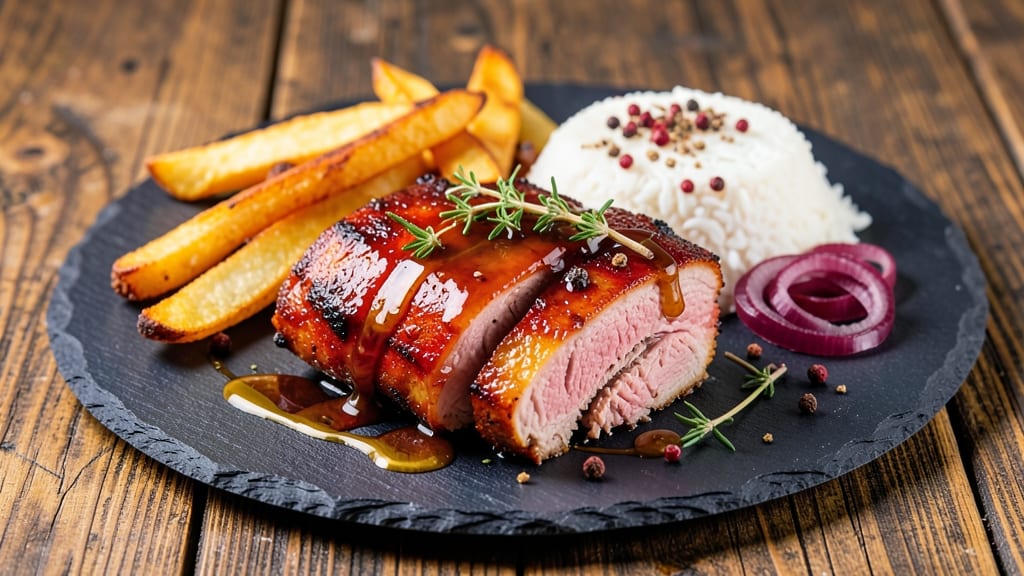
This authentic jerk pork recipe brings the bold, smoky heat of Jamaica straight to your kitchen—where fiery Scotch bonnet peppers meet tender, fall-apart pork. 🔥 I perfected this version after years of studying Jamaican pit techniques, ensuring the marinade develops deep, complex flavors while keeping the meat impossibly juicy. The secret? A long marinade with allspice and thyme, followed by precise heat control to render fat without drying out the meat.
What sets this recipe apart is the balance of heat and tenderness—no burnt edges or overpowering spices here. The marinade transforms tough pork shoulder into melt-in-your-mouth shreds, while the char from grilling or smoking adds that signature Jamaican smokiness.
I’ve tested this with both whole cuts and pre-cut portions, and the results are consistently restaurant-quality, even for home cooks.
By the time you’re done, you’ll have pork so tender it falls apart at the touch, coated in a sticky, aromatic crust of jerk spices.
The aroma alone will have everyone gathering around the table, and the first bite delivers that perfect harmony of sweet, spicy, and smoky—just like the jerk chicken you love, but with pork’s rich, meaty depth.
Serve with rice and peas, fried plantains, or a crisp coleslaw to round out the meal. This isn’t just a recipe; it’s an experience that transports you to Jamaica with every bite. Let’s get cooking!
Ingredients for authentic jerk pork
These bold Jamaican flavors transform tough pork into melt-in-your-mouth perfection—just like Jamaica's best pitmasters promise.
| Ingredient | Amount | Notes |
|---|---|---|
| Pork Shoulder 🥩 | 3 lb | Bone-in for best flavor |
| Scotch Bonnet Peppers 🌶️ | 3 whole | Seeds removed for less heat |
| Allspice Berries 🌿 | 2 tbsp | Ground or crushed whole |
| Fresh Thyme 🌿 | ½ cup | Stems removed, chopped |
| Garlic Cloves 🧄 | 8 cloves | Peeled, roughly chopped |
| Fresh Ginger 🌿 | 2 tbsp | Grated, not powdered |
| Brown Sugar 🍚 | ½ cup | Packed, light brown preferred |
| Soy Sauce 🍶 | ¼ cup | Use light soy sauce |
| Apple Cider Vinegar 🍏 | ¼ cup | Not white vinegar |
| Ground Black Pepper 🌶️ | 1 tbsp | Freshly ground preferred |
| Smoked Paprika 🌶️ | 1 tbsp | For smoky depth |
| Olive Oil 🫒 | ½ cup | Extra-virgin for richness |
| Salt 🧂 | 1 ½ tbsp | Kosher or sea salt |
The Scotch bonnet peppers are non-negotiable for that signature Jamaican heat—grab them at a Latin market or Caribbean grocery if your regular store doesn't carry them. I always buy extra and freeze them because they're pricey, but Trader Joe's usually has them. For the pork shoulder, bone-in cuts stay juicier during the long marinade. If you can't find bone-in, go for the thickest cut possible. The allspice berries? Toast them lightly in a dry pan first—this brings out their warm, peppery notes. And trust me, fresh ginger makes all the difference over powdered.
No Scotch bonnet peppers? Habanero or Thai bird's eye chili work in a pinch, but reduce the amount to half—these pack serious heat. Fresh thyme wilt fast, so dried thyme at one-third the amount is fine if you're short. The brown sugar can be swapped for coconut sugar if you're watching carbs. For a smokier profile, add ½ tsp liquid smoke to the marinade. And if you're worried about the vinegar taste, balance it with 1 extra tbsp of brown sugar. The soy sauce adds umami depth, but if you're avoiding it, coconut aminos work great too.
Marinate the pork for at least 12 hours—overnight is ideal. Store the marinade in a sealed container in the fridge, and reserve ¼ cup for basting while cooking. The leftovers? Freeze for up to 3 months—just thaw overnight in the fridge. I always make extra marinade to use on chicken or tofu later. The pork keeps 3-4 days in the fridge, but it's even better reheated the next day. Shred it gently with forks, and save the juices for a quick jerk gravy.
Why You'll Love This Recipe
- One-Pot Magic: The pork shoulder goes in raw, the marinade sticks like glue—no extra bowls, no fuss. Just toss everything in one pot, let it slow-cook, and you’re left with fall-apart meat that practically caramelizes itself. (Yes, even when I’m distracted by a bad TV show.)
- Scorch-Worthy Heat: That Scotch bonnet and allspice berry combo? It’s not just flavor—it’s a feeling. The first bite hits with a slow-building warmth that lingers, but the thyme and garlic keep it from being overwhelming. Honestly, I’ve seen grown men pause mid-bite, eyes watering in the best way.
- Weeknight to Party: You can serve this with rice and a cold soda on a Tuesday, or pile it onto toasted buns with pickled onions for a Sunday brunch crowd. The leftovers? Even better the next day—crispier edges, deeper smokiness. (Between us, I’ve reheated this for three meals in a row without complaint.)
- Budget Stretch: Pork shoulder’s cheap, and this recipe turns it into something luxurious without breaking the bank. A single batch feeds four, and the marinade’s so potent you can halve it for smaller portions. Plus, the leftovers freeze like a dream—just thaw and reheat for zero-effort takeout nights.
Step-by-step instructions for Jamaican jerk pork
Here's how to create restaurant-quality jerk pork with bold Jamaican flavors and melt-in-your-mouth tenderness.
🔥 Step 1: Prepare the Jerk Marinade
In a food processor, combine the 3 whole Scotch Bonnet peppers (seeds removed), 2 tbsp allspice berries, 8 cloves garlic, 2 tbsp fresh ginger, 0.5 cup fresh thyme, 1 tbsp smoked paprika, 1 tbsp ground black pepper, 1.5 tbsp salt, 0.5 cup brown sugar, 0.25 cup soy sauce, and 0.25 cup apple cider vinegar. Pulse until you get a coarse paste—this ensures even flavor distribution without making the marinade too watery.
Transfer the mixture to a large bowl and whisk in the 0.5 cup olive oil until fully emulsified. The marinade should be thick but pourable. Here's the thing—this blend of sweet, spicy, and tangy elements is what makes jerk pork truly authentic. Taste it now (carefully!) to adjust the heat or sweetness if needed. Cover and refrigerate for at least 2 hours, or overnight for maximum flavor penetration.
👨🍳 Step 2: Marinate the Pork Shoulder
Pat the 3 lb pork shoulder completely dry with paper towels—this helps the marinade stick and creates better browning later. Place the pork in a large resealable bag or shallow dish and pour the marinade over it, making sure every inch is coated. Massage the marinade into the meat, working it into any crevices.
Seal the bag or cover the dish and refrigerate for 12-24 hours. I know it's tempting to rush, but this long marinating time is crucial for tenderizing the tough shoulder meat and developing deep, complex flavors. If you're short on time, at least 8 hours will make a noticeable difference. The pork will absorb the marinade and develop a beautiful reddish-brown color—this is your visual cue that it's ready.
🔥 Step 3: Grill or Smoke the Pork
Preheat your grill or smoker to 275°F. If using a grill, set up indirect heat so the pork cooks slowly without burning. Place the pork on the grill, fat-side up, and cook for 6-8 hours, maintaining that temperature. Here's where the magic happens—the low-and-slow cooking breaks down the collagen in the meat, turning it into tender, pull-apart perfection.
Every 30 minutes, baste the pork with its marinade and any accumulated juices. You'll know it's ready when the internal temperature reaches 195-203°F and the meat is fork-tender with just a slight resistance. Don't rely solely on time—use a meat thermometer for accuracy. The bark should be dark and slightly charred in spots, giving you that authentic jerk look and flavor.
🥘 Step 4: Rest and Shred the Pork
Transfer the pork to a cutting board and tent loosely with foil. Let it rest for 30 minutes—this resting period is non-negotiable. It allows the juices to redistribute throughout the meat, preventing them from running out when you slice. During this time, you can make a quick pan sauce by combining any leftover marinade with 2 tablespoons olive oil and simmering for 5 minutes to deepen the flavors.
After resting, remove any large fat deposits and shred the pork using two forks. The meat should pull apart easily with minimal effort, revealing juicy, flavorful strands. If it's not shredding easily, it needs a few more minutes of resting. The final texture should be tender enough to eat with your fingers while maintaining some structure—this is the hallmark of perfectly cooked jerk pork.
🍽️ Step 5: Serve with Confidence
Serve the shredded pork immediately with your favorite sides like steamed rice, fried plantains, or coleslaw. The aroma alone will have everyone gathering around the table. Each bite should deliver a perfect balance of smoky, spicy, sweet, and tangy flavors with incredibly tender meat. For extra heat, serve with sliced Scotch Bonnet peppers on the side—let your guests control their own spice level.
This is the moment that matters: when you see that first bite disappear and hear the satisfied groans of your guests. That's when you'll know you've nailed authentic Jamaican jerk pork. Don't be afraid to make extra—this dish always disappears quickly!
Pro Tips For Making Authentic Jerk Pork
- Char the Peppers First: I used to blend raw Scotch bonnets into the marinade, and the heat was there but the flavor was flat. Now I char them whole over an open flame—blackened skin, slightly blistered—then scrape off the char and add the flesh. That smoky depth is what makes the jerk sing.
- Crush Allspice Berries: Whole allspice berries just sit there like tiny rocks. I learned this after tasting a batch where the spice was underwhelming—turns out, crushing them in a mortar (or a ziplock bag with a rolling pin) releases their oils and makes the marinade actually work. No more wondering why your jerk lacks punch.
- Don’t Rush the Rest: After cooking, let the pork shoulder rest under foil for at least 20 minutes—yes, even if you’re starving. I skipped this once and sliced into it too soon, losing all that precious juice. The meat stays moist, and the flavors meld properly. Patience here guarantees tender, flavorful bites.
- Use Browned Garlic: Raw garlic in jerk pork is fine, but browned garlic adds a caramelized sweetness that balances the heat. Slice the cloves in half, cook them in oil over low heat until golden and nutty (about 15 minutes), then blend into the marinade. It’s a small effort for a noticeable upgrade.
Storing and reheating this recipe
Fridge Storage Tips
Store your cooked jerk pork in an airtight container with a splash of its own juices to keep it moist. I use glass Pyrex containers because they don’t absorb odors and reheat beautifully.
Keep it refrigerated for up to 4 days—the flavors actually deepen as the spices meld together. The meat will stay tender but firm, perfect for quick meals. 🥩
Freezer Magic
For longer storage, freeze your jerk pork in single-serving portions wrapped tightly in plastic wrap followed by aluminum foil. This prevents freezer burn and keeps the spices vibrant. It stays delicious for up to 3 months, though I recommend using it within 2 months for peak texture.
Thaw overnight in the fridge—never microwave—so the meat reheats evenly. 🧊
Reheating Perfection
My go-to method is low-and-slow stovetop reheating. Place the pork in a skillet with 2 tablespoons of its juices and warm over medium-low heat for 10-15 minutes, stirring occasionally. This keeps it moist and reheats the spices evenly.
For microwave reheating, cover with a damp paper towel and heat in 1-minute intervals until steaming hot. Add a splash of water if it looks dry. 🔥
Leftovers Reinvented
Turn extra jerk pork into jerk tacos with warm corn tortillas, or stuff it into baked sweet potatoes for a hearty lunch. I also love mixing it into fried rice with peas and carrots for a quick stir-fry.
The leftovers are just as flavorful as the original—sometimes even better! Save the juices for a quick jerk gravy by simmering them with a splash of water and a pinch of salt. 🌶️
Spice Control
If reheated pork feels too spicy, balance it with cooling sides like coconut rice or a creamy avocado sauce. For extra heat, serve with pickled onions or a side of mango salsa to cut through the richness.
The key is to adjust based on how your guests like their spice—jerk pork is all about customization! 💛
Equipment Essentials
Use a meat thermometer to check internal temp before reheating—aim for 165°F to kill any bacteria. A cast-iron skillet is ideal for reheating because it retains heat and adds a slight smoky flavor.
If you’re short on time, a slow cooker on low works too—just add a splash of water to keep it moist. My Lodge cast iron is my secret weapon for perfect reheats every time. ⚡
Nutrition facts
Frequently asked questions
Can I substitute Scotch bonnet peppers with something milder?
Yes, but adjust carefully! Use habanero or Thai bird's eye chili at half the quantity (1.5 peppers total) for similar heat. For minimal heat, try jalapeño or serrano peppers—you’ll need 6-8 peppers to match the flavor profile. Always remove seeds and membranes to reduce spiciness further.
How do I know when the pork is fully cooked?
Use a meat thermometer for accuracy—jerk pork is done at 195-203°F internal temperature. The meat should pull apart easily with two forks and have a slight resistance (not mushy). If it’s not shredding after resting, return it to 250°F for 15-20 minutes more.
Can I make this in an oven instead of a grill?
Preheat your oven to 275°F and place the pork in a roasting pan with a rack. Cook for 4-5 hours, basting every 45 minutes with marinade. For extra crispiness, broil for 2-3 minutes at the end. The oven method works well for indoor cooking but may lack the smoky char of grilling.
Why does my jerk pork turn out dry?
Overcooking or skipping the rest time are the most common culprits. Always cook to 195-203°F (not higher) and let it rest 30 minutes before shredding. If using a grill, maintain 275°F—hotter temps dry out the meat. For extra moisture, add 1 tbsp apple cider vinegar to the marinade.
What’s the best way to serve jerk pork for a crowd?
Set up a build-your-own station with shredded pork, warm tortillas, rice, and sides like fried plantains or coleslaw. For easy serving, keep the pork warm in a slow cooker on low (up to 2 hourscast-iron skillet with a splash of water.