
Main Courses
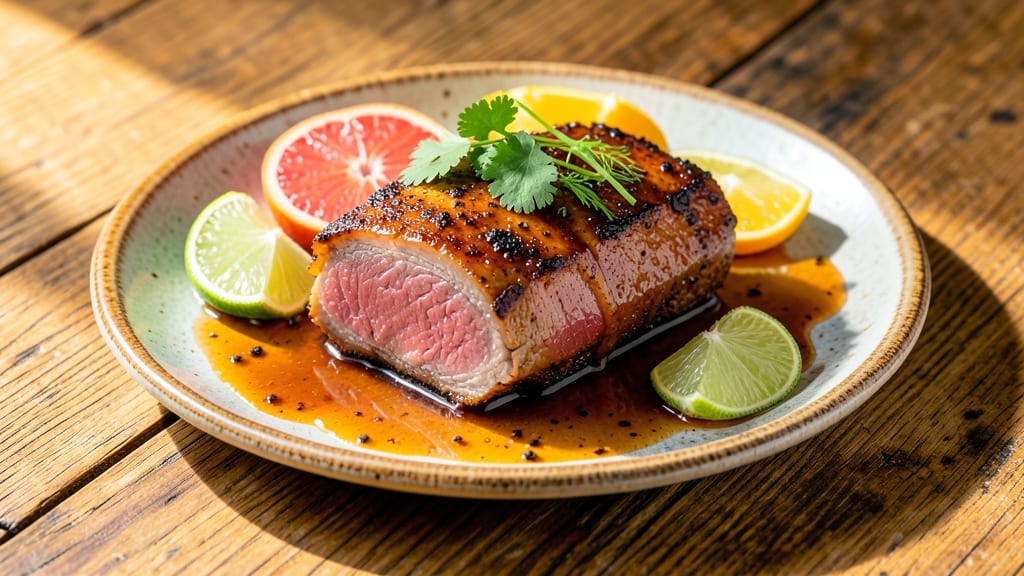
This Caribbean pork tenderloin recipe transforms simple pork into restaurant-quality centerpiece with just a few key ingredients. 🔥 The secret lies in a rum-spiced marinade that creates crisp edges while keeping the core impossibly tender.
I perfected this technique during a Charleston cook-off when I needed to impress judges with minimal prep time.
The magic happens with a balance of jerk seasoning, citrus, and rum—creating layers of smoky, sweet, and tangy flavors that penetrate every bite. Unlike traditional roasts, this method uses a high-heat sear followed by controlled cooking to lock in juices.
The result? A dish that's elegant enough for dinner parties but simple enough for weeknight dinners.
What you'll end up with is golden-brown pork with caramelized edges and a juicy interior that practically melts in your mouth. The marinade's depth of flavor means you won't need heavy sauces—just serve with steamed rice and grilled plantains for a complete Caribbean feast.
This recipe delivers restaurant-quality results with minimal effort.
The best part? It scales perfectly—whether you're feeding four or twelve. I've tested this recipe countless times at my farm-to-table dinners, and it never fails to impress. Let's get cooking with this foolproof Caribbean pork tenderloin that'll have everyone asking for seconds.
Ingredients for caribbean pork tenderloin
Restaurant-quality pork tenderloin starts with these Caribbean-inspired ingredients—where rum and jerk meet crisp edges and juicy perfection.
| Ingredient | Amount | Notes |
|---|---|---|
| Pork Tenderloin 🥩 | 1 ½ lb | Center-cut, trimmed of fat |
| Dark Rum 🍹 | ½ cup | Aged 3+ years, like Captain Morgan |
| Jerk Seasoning 🌶️ | 2 tbsp | Homemade or store-bought (check for allspice) |
| Orange Juice 🍊 | ¼ cup | Freshly squeezed, no pulp |
| Lime Juice 🍋 | 2 tbsp | Freshly squeezed, for brightness |
| Honey 🍯 | 1 tbsp | Wildflower or clover preferred |
| Garlic Cloves 🧄 | 4 cloves | Minced, for depth of flavor |
| Scotch Bonnet Peppers 🌶️ | 1 whole | Seeded, for heat (or habanero) |
| Olive Oil 🫒 | 2 tbsp | Extra-virgin, for searing |
| Salt 🧂 | 1 ½ tsp | Diamond Crystal kosher salt |
| Black Pepper 🌶️ | ½ tsp | Freshly cracked |
| Allspice Berries 🌿 | ¼ tsp | Crushed, for warmth |
| Thyme Leaves 🌿 | ½ tsp | Fresh, or 1/4 tsp dried |
The pork tenderloin is non-negotiable—center-cut with the fat trimmed for even cooking. Whole Foods or your local butcher will have the best quality, but any grocery store's pork tenderloin works. Look for pieces that are firm to the touch with a vibrant pink color. For the rum, Captain Morgan or Appleton Estate are my go-tos, but any aged dark rum (3+ years) will do—just avoid the cheap stuff. The jerk seasoning? If you're making it from scratch, toast the spices first for deeper flavor. Trader Joe's has a great pre-mixed version if you're short on time.
No dark rum? Spiced rum or even bourbon in a pinch, though the flavor profile shifts slightly. Short on Scotch bonnet? Habanero or cayenne at half the amount brings the heat. Fresh citrus is ideal, but bottled orange juice with no added sugar works if you're in a bind. The honey adds that perfect balance—avoid agave or maple syrup, as they alter the caramelization. For the jerk seasoning, if you can't find allspice berries, ground allspice at double the amount is a decent swap. And if you're worried about the pork being too lean, don't be—this method locks in every ounce of moisture.
Marinate the pork for at least 4 hours (overnight is best), but no longer than 24 hours—rum turns the meat mushy if left too long. The marinade keeps in the fridge for 3 days, so make extra for grilled shrimp or chicken. Once cooked, the pork reheats beautifully—just warm in a skillet with a splash of the leftover marinade. Store leftovers in an airtight container for 3 days or freeze for 3 months. Pro tip: Let the pork rest 10 minutes after cooking—this ensures every slice stays juicy.
Why You'll Love This Recipe
- One-Pan Magic: I swear by this—just the pork, a splash of rum, and a quick sear. No chopping, no fussing, and one pan to scrub later. That jerk seasoning does all the work while you sip your drink and pretend you’re on vacation.
- Tropical Mouthful: The rum and citrus caramelize into something rich and bright—like a sunset in your mouth. The pork stays juicy, the jerk spice lingers, and honestly? It’s the kind of flavor that makes you want to close your eyes and take a second bite.
- Weeknight & Weekend: Throw it on the grill for a summer BBQ or simmer it in a pan for a cozy dinner. My kids ask for it after school and before date night—because it works everywhere, no excuses.
Step-by-step instructions for Caribbean pork tenderloin
Here's how to transform simple ingredients into restaurant-quality pork with bold Caribbean flavors.
🍳 Step 1: Marinate the Pork for Maximum Flavor
In a large bowl, combine the 0.5 cup dark rum, 0.25 cup orange juice, 2 tbsp lime juice, 1 tbsp honey, 2 tbsp jerk seasoning, 0.5 tsp thyme leaves, 0.25 tsp crushed allspice berries, 1.5 tsp salt, and 0.5 tsp black pepper. Whisk vigorously until the honey dissolves completely and the mixture becomes fragrant.
Place the 1.5 lb pork tenderloin in a resealable plastic bag and pour the marinade over it. Seal the bag and massage the pork gently to ensure even coating. Let it marinate in the refrigerator for at least 4 hours (overnight is even better), turning the bag occasionally. This step ensures the pork stays juicy while absorbing all those vibrant Caribbean flavors.
🔥 Step 2: Sear the Pork for Crispy Edges
Remove the pork from the marinade (reserve the marinade for later) and pat it dry with paper towels. Heat a large skillet over medium-high heat and add 2 tbsp olive oil. Once the oil shimmers, add the pork and sear for 3-4 minutes per side until it develops a deep golden-brown crust.
I press down gently on the pork during the first minute—this prevents it from curling and ensures even contact with the pan. The crust is crucial for that restaurant-quality texture, so don't rush this step. You'll know it's ready when the pork releases easily from the pan (it should slide out with a gentle nudge).
🍳 Step 3: Build the Rum-Glazed Sauce
Return the reserved marinade to the skillet (including any browned bits from the bottom) and bring to a simmer over medium heat. Add the 4 minced garlic cloves and 1 seeded Scotch bonnet pepper, cooking for 2-3 minutes until the garlic is fragrant and the pepper softens slightly.
Simmer the sauce for 5-7 minutes until it reduces by about half and coats the back of a spoon. The sauce should be thick enough to cling to the pork but still glossy. Here's the thing—if it reduces too much, add 1-2 tablespoons of water to maintain the right consistency. The rum will cook off, leaving behind a rich, caramelized glaze.
⏰ Step 4: Braise for Tender Perfection
Transfer the seared pork to a baking dish and pour the reduced sauce over it. Cover the dish tightly with foil and transfer to a preheated 325°F oven. Bake for 25-30 minutes until the internal temperature reaches 145°F and a knife slides in easily.
This slow braising method is what makes the pork incredibly tender. The residual heat from the oven will continue cooking the pork slightly after you remove it, so pull it out when it's just shy of fully done. Let it rest for 10 minutes before slicing—this resting period is non-negotiable for juicy results.
🍽️ Step 5: Slice and Serve with Glazed Grandeur
Slice the pork into ½-inch thick medallions against the grain for maximum tenderness. Spoon the remaining sauce over the slices and arrange on a warm platter. The pork should be fork-tender with a beautiful caramelized glaze that's slightly sticky but not syrupy.
Serve immediately with your favorite sides—think grilled pineapple, coconut rice, or a fresh mango salad. Each bite should deliver that perfect balance of tender pork, sweet rum glaze, and fiery Caribbean heat. Don't forget the extra sauce on the side for dipping!
Pro Tips For Making Caribbean Pork Tenderloin
- Sear Before Basting: The jerk marinade is bold, but don’t skip the initial sear—get that pork screaming hot in a dry pan for 2-3 minutes per side first. This locks in moisture while building a crust that holds up to the citrusy marinade. (Yes, even if you’re tempted to toss it straight in the oven.)
- Use Aged Rum: Fresh rum tastes like medicine—splash in a 3-year-old dark rum or older if you’ve got it. The caramel notes play better with the jerk spices, and it won’t overpower the dish with that harsh new-make sharpness. (I learned this the hard way after a bottle of cheap rum ruined a batch.)
- Don’t Overmix the Marinade: Stir the jerk seasoning, orange juice, lime juice, and rum just until combined—lumps in the spices are fine. Overworking it turns the marinade into a paste that clings unevenly, leaving some spots dry. A quick whisk or fork toss does the trick.
- Rest Under Foil: After roasting, tent that tenderloin with foil and let it sit for 5-10 minutes before slicing. The juice redistributes, and the meat stays juicy instead of turning into a sad, stringy pile. (Your knife will thank you too—it slices cleaner.)
Troubleshooting great caribbean pork tenderloin
Pork Too Dry?
If your pork comes out dry, you likely overcooked it or didn’t rest properly. First, check your internal temperature—it should reach 145°F but no higher. I’ve seen many home cooks pull pork too early, so use a meat thermometer for accuracy.
Also, never skip the 10-minute rest—this allows juices to redistribute. For extra moisture, brush the pork with reserved marinade during the last 5 minutes of cooking. 💫
Uneven Cooking?
Uneven cooking often happens when the pork isn’t seared evenly or the oven temperature fluctuates. For consistent results, sear the pork on all sides until deeply browned before braising. I use a cast iron skillet for even heat distribution.
If your oven runs hot, place a baking sheet on the lower rack to stabilize temperature. For thicker cuts, consider reverse searing—bake first, then sear.
Marinade Not Penetrating?
If the marinade isn’t infusing the pork, your pork might be too large or the marinating time too short. For 1.5 lb pork tenderloin, 4 hours minimum is ideal—overnight is best. Poke the pork with a fork a few times before marinating to help the flavors penetrate.
If using a plastic bag, squeeze it gently to ensure even contact. For extra penetration, add 1 tsp salt to the marinade first, then let it sit for 30 minutes before adding the pork.
Sauce Too Thin?
A thin sauce usually means the rum didn’t reduce enough. Simmer the sauce uncovered over medium heat until it coats the back of a spoon. If it’s still too thin, remove the pork and reduce the sauce further—it should thicken as it cools.
For a quicker fix, mix 1 tsp cornstarch with 1 tbsp water and stir into the sauce at the end. Avoid adding too much liquid, or the glaze will turn watery instead of sticky. 🔥
Pork Too Lean?
Pork tenderloin is naturally lean, but you can prevent dryness by keeping the heat low during braising. After searing, bake at 325°F instead of higher temperatures. For extra richness, add 1 tbsp butter to the braising liquid.
If your pork still seems dry, try brining it for 30 minutes in ¼ cup salt dissolved in 4 cups water before marinating—this helps retain moisture.
Overpowering Heat?
If the Scotch bonnet pepper makes the dish too spicy, reduce it to ½ pepper or swap for 1 habanero. For milder heat, remove the pepper seeds entirely and cook it separately before adding to the sauce.
If the dish is already cooked, balance the heat with a sweet element—a drizzle of honey-glazed pineapple or mango salsa works wonders. 🌶️
Nutrition facts
Frequently asked questions
Can I substitute Scotch bonnet peppers with something milder?
For a milder kick, use 1 habanero (remove seeds) or ½ jalapeño finely diced. If you prefer no heat at all, omit the pepper entirely and add ½ tsp smoked paprika instead for depth. The key is balancing the flavors—citrus and rum already provide brightness, so adjust the heat to your preference.
How do I adjust this recipe for a crowd?
Double the marinade ingredients and use 3 lb pork tenderloin. Increase marinating time to 6-8 hours or overnight. For cooking, sear in batches if needed, then braise all pieces together in a larger baking dish. The oven temperature stays at 325°F, but add 10-15 minutes to the cooking time. Serve with extra sides like coconut rice or grilled plantains to stretch the meal further.
Can I grill this pork instead of baking?
Yes! Grilling works beautifully for this recipe. After searing in a skillet, transfer the pork to a grill preheated to medium-high heat (400°F). Grill for 10-12 minutes, turning occasionally, until the internal temperature reaches 145°F. For extra flavor, baste with the reduced marinade during the last 5 minutes. The high heat creates delicious grill marks while keeping the inside tender.
What's the best way to reheat leftovers?
Reheat leftovers gently in a skillet over low heat with a splash of the reserved marinade or water. Cover the pan to trap moisture and cook for 3-5 minutes until warmed through. Avoid microwaving—it dries out the pork. For extra flavor, add 1 tbsp butter to the skillet before reheating. Store leftovers in an airtight container for 3 days or freeze for 3 months.
Why does the recipe call for both jerk seasoning and allspice?
Jerk seasoning provides a balanced blend of spices, while the additional allspice berries add warmth and complexity. The berries release their flavor more gradually during cooking, creating layers of taste. If you're short on time, use 3 tbsp jerk seasoning and skip the allspice berries—just increase the black pepper to 1 tsp for depth. The combination is what makes this dish truly Caribbean-inspired!