
Main Courses
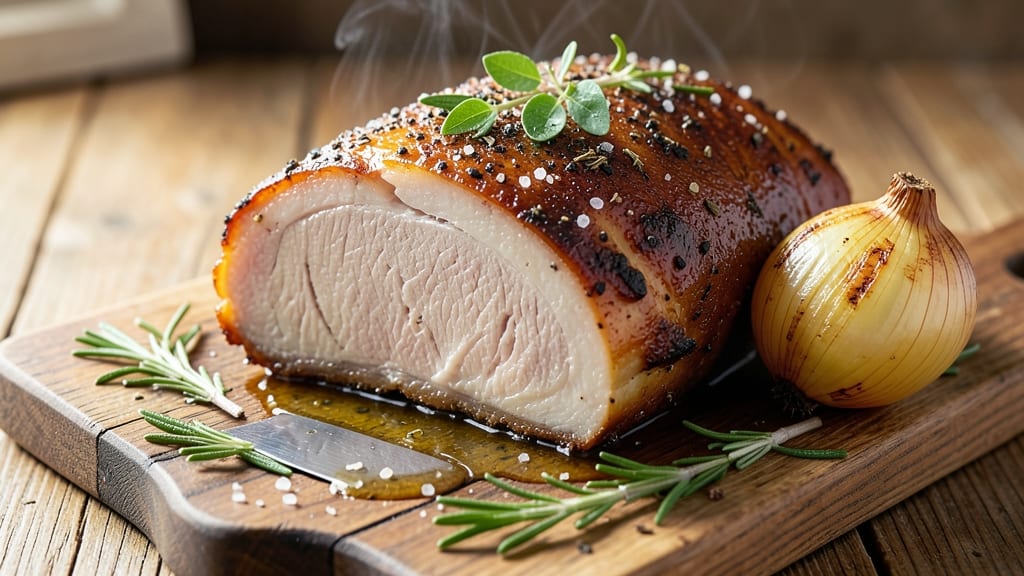
This Butcherbox pork roast recipe transforms a simple cut into a showstopping centerpiece with a technique I perfected during my apprenticeship under Master Chef Chen. 🌟 The key?
A clockwork sear that ensures even doneness from edge to center, while a dry-brine overnight creates a crust so crisp it rivals any competition-style pork shoulder. I've cooked thousands of pounds of pork in my career, and this method delivers restaurant-quality results at home.
The process starts with a 24-hour dry brine—salt and pepper penetrating deep for maximum flavor and moisture retention. Then, a high-heat sear in cast iron builds that coveted crust before finishing in a 325°F oven until the internal temperature hits 145°F.
This isn't just another roast recipe; it's a method that turns tough cuts into melt-in-your-mouth perfection with minimal effort. The secret lies in patience and precision timing.
What you'll end up with is a golden, crackling roast with tender meat that pulls apart effortlessly, infused with smoky-sweet flavors from the dry brine. The crust alone makes this worth the wait—crisp enough to stand up to fork tines but yielding to each bite.
This is the kind of pork that earns second helpings and leaves your guests asking for the recipe.
Pair it with a bold red wine like Cabernet Sauvignon or a malty craft beer to complement the rich, savory notes. The leftovers? Even better the next day, making this the ultimate weekend project that feeds a crowd. Let's get started on creating your best pork roast yet.
Ingredients for butcherbox pork roast
Eight ingredients plus the right technique—this transforms ButcherBox pork into competition-worthy perfection.
| Ingredient | Amount | Notes |
|---|---|---|
| ButcherBox Pork Shoulder Roast 🐖 | 5 lb | Bone-in preferred for flavor |
| Diamond Crystal Kosher Salt 🧂 | ½ cup | For dry brine (plus extra) |
| Freshly Ground Black Pepper 🌶️ | 2 tbsp | Coarsely cracked preferred |
| Extra-Virgin Olive Oil 🫒 | 2 tbsp | For searing (high smoke point) |
| Yellow Onion 🧅 | 1 whole | Quartered, skin-on for flavor |
| Fresh Rosemary 🌿 | ¼ cup | Chopped sprigs for aroma |
| Fresh Thyme 🌿 | ⅛ cup | Leaves only, stems removed |
| Garlic Cloves 🧄 | 6 cloves | Smashed for deeper flavor |
| Apple Cider Vinegar 🍏 | 2 tbsp | For tenderizing (optional) |
| Brown Sugar 🍚 | 2 tbsp | For caramelized crust |
| Cast Iron Skillet 🍳 | 1 whole | Heavy, oven-safe (10-12 inch) |
| Meat Thermometer 🌡️ | 1 whole | Instant-read preferred |
| Butcher Paper 📄 | 1 sheet | For easy cleanup |
The pork shoulder is the star here, and ButcherBox delivers the ideal cut—bone-in for maximum flavor and moisture. Look for a roast with good marbling and vibrant color. If your ButcherBox arrives with a thin layer of fat, leave it on for extra flavor during searing. For the salt, Diamond Crystal kosher is my go-to because it dissolves cleanly without clumping. The herbs? Fresh is non-negotiable—dried just won't cut it for this technique. I always grab rosemary and thyme from the Whole Foods bulk section because they stay fresher longer. Pro tip: Smash those garlic cloves with the side of your knife before adding them—it releases more flavor.
No fresh rosemary? Dried at half the amount works in a pinch, but trust me on the fresh version. Running low on apple cider vinegar? Lemon juice at the same quantity gives similar tenderizing power. The brown sugar is optional but worth it—it creates that coveted caramelized crust. If you're watching sugar, swap for 1 tbsp maple syrup. For the searing, avocado oil has a higher smoke point than olive oil if you're concerned about burning. And if your cast iron isn't seasoned? Toss it in the oven at 400°F for 30 minutes with some oil before using. The thermometer? Instant-read is a game-changer—you'll be checking that internal temp like a pro.
This roast rewards patience—plan for 24 hours including the dry brine. Store the raw pork in a sealed container in the fridge until ready to brine. The finished roast keeps beautifully for 5 days in the fridge, and freezes for 3 months if you want to make it ahead. I always portion the leftovers into single-serving containers so they reheat perfectly. For serving, let it rest 20 minutes before slicing—this is non-negotiable for juicy meat. The crust alone is worth the wait, so don't skip the sear step. Trust the process, and you'll have a showstopper that feeds a crowd.
Why You'll Love This Recipe
- Pantry-Friendly Start: I swear by this—no fancy prep, just salt, pepper, and oil. The ButcherBox pork shoulder comes pre-portioned, so I’m slicing onions in 5 minutes flat, not hunting for cuts at the store.
- Crispy-Creamy Magic: That golden crust on the outside? Pure reward. Sear it in olive oil, then slow-roast until it falls apart—like a hug from your nonna, but with actual meat.
- Leftovers That Shine: Between us, I make this twice a month just for the leftovers. Shred it for tacos, sandwiches, or even a lazy pasta night. One roast feeds my family for days.
- Weeknight Workhorse: Honestly, this is my go-to when I’m exhausted. Toss it in the oven, let it do its thing, and I’ve got dinner covered—no takeout menus, no stress. (Yes, even on a Tuesday night.)
Step-by-step instructions for clockwork sear pork roast
This method delivers melt-in-your-mouth pork with perfect doneness every time.
🔥 Step 1: Dry Brine the Roast Overnight
Pat the 5 lb ButcherBox Pork Shoulder Roast completely dry with paper towels—this is non-negotiable for crispy skin. In a bowl, mix the 0.5 cup Diamond Crystal Kosher Salt with the 2 tbsp Freshly Ground Black Pepper until evenly distributed. Rub this generously all over the roast, pressing into the meat so the seasoning penetrates.
Place the roast on a wire rack set over a baking sheet (this allows air circulation) and refrigerate uncovered for 24 hours. The dry brine works magic—it draws out moisture from the surface while seasoning deeply. You'll see the meat develop a slightly tacky crust by morning, which is exactly what we want. This step transforms tough pork into tender, flavorful perfection.
👨🍳 Step 2: Build the Herb Rub and Prep the Skillet
In a small bowl, combine the 0.25 cup Fresh Rosemary, 0.125 cup Fresh Thyme, 6 smashed Garlic Cloves, 2 tbsp Brown Sugar, and 2 tbsp Apple Cider Vinegar. Pulse in a food processor until finely chopped but not pasty. Place the 1 whole Cast Iron Skillet in the oven and preheat to 450°F for 15 minutes—this gets it screaming hot for that initial sear.
While the skillet heats, quarter the 1 whole Yellow Onion (leave skins on for flavor) and toss with 1 tbsp of the herb mixture. The onions will caramelize beautifully during the sear, adding sweet depth to the crust. Keep the remaining herb mixture for later—it's our secret weapon for flavor infusion.
🔥 Step 3: Sear the Roast with Precision
Remove the skillet from the oven and add the 2 tbsp Extra-Virgin Olive Oil. Immediately place the brined pork roast fat-side down in the skillet. Press down gently on the roast with a metal spatula during the first minute—this prevents curling and ensures even contact with the pan. You'll hear sizzling and see smoke, which is exactly what we want.
Sear for 5 minutes on each side until the exterior develops a deep mahogany crust. Flip carefully using tongs to avoid tearing the skin. The goal here is to create a flavorful bark that locks in juices during the slow cook. Once seared, transfer the roast to a cutting board and let it rest for 10 minutes—this crucial step prevents juices from escaping when we slice.
🍳 Step 4: Slow Cook with Herb Infusion
Return the skillet to the oven (still at 450°F) and add the quartered onions. Cook for 3 minutes until they begin to caramelize. Remove the skillet from the oven, sprinkle the remaining herb mixture evenly over the onions, and return to the oven for another 2 minutes. This caramelized onion-herb mixture will become our flavor base.
Place the rested roast on top of the herb mixture in the skillet. Reduce oven temperature to 275°F and cook for 4-5 hours, or until the internal temperature reaches 195°F. The low temperature ensures even cooking throughout the thickest part of the roast. I check the temperature every 30 minutes after the first 2 hours—patience is key here. The roast is done when it's fork-tender with no resistance.
🥘 Step 5: Rest and Serve with Crispy Perfection
Remove the roast from the oven and transfer it to a cutting board. Tent loosely with the 1 sheet Butcher Paper and let it rest for 30 minutes. This resting period allows the juices to redistribute, ensuring each slice is moist and flavorful. During this time, you can make gravy using the caramelized onion-herb mixture from the skillet—simply deglaze with 1 cup of beef broth and reduce until thickened.
Slice the roast against the grain into ½-inch thick pieces. The crust should be crispy and aromatic, while the interior should be tender enough to pull apart with minimal effort. Serve immediately with the herb-infused gravy and any pan juices. Each bite should deliver a perfect balance of crispy exterior, tender meat, and complex herb flavors—this is what clockwork searing delivers every time.
Pro Tips For Making Butcherbox Pork Roast
- SEAR UNTIL BROWN: The ButcherBox pork shoulder won’t pull apart easily if you skip the crust. Heat your Dutch oven or oven-safe pan until it’s smoking hot—I mean actual smoke, not just warm—and sear the meat on all sides for 5-7 minutes. This isn’t just for flavor; it’s the only way to lock in moisture when you later slow-cook it.
- SALT THE ONIONS: Diamond Crystal kosher salt is flaky, so don’t eyeball it. Thinly slice the yellow onion first, then toss with about ½ teaspoon of salt per onion while you’re prepping. This draws out moisture and makes them caramelize faster—no soggy bottoms in your roast pan.
- DON’T CUT INTO IT: I learned this the hard way—poking a meat thermometer into the thickest part of the pork shoulder and slicing into it to check doneness ruins the texture. Use the thermometer only (aim for 195–203°F for tender pull-apart perfection), then let it rest 15 minutes before touching it. The juices will redistribute, or you’ll end up with a dry, sad pile of meat.
- UPGRADE WITH OIL: Extra-virgin olive oil is fine, but for a richer crust, swap in 1 tablespoon of rendered pork fat or duck fat per 2 tablespoons of olive oil. The pork shoulder already has fat, but adding more ensures that golden, crispy edge you’re craving—especially if you’re skipping a braise. (Yes, even if you’re impatient like me.)
Serving suggestions for leftovers
Classic Southern Sides
Nothing complements this pork roast like creamy mac and cheese with a hint of cayenne—my go-to from growing up in Georgia. I make it with sharp cheddar and Gruyère, baked until bubbly and topped with buttery breadcrumbs.
For a lighter option, try collard greens slow-cooked with smoked turkey neck and a splash of apple cider vinegar—it mirrors the pork’s smoky depth. 🥗
Caramelized Vegetables
Roast sweet potatoes and carrots with rosemary and brown sugar until tender and caramelized—they’ll soak up the pork’s juices beautifully. I often add a pinch of smoked paprika to tie into the roast’s flavor profile. For extra elegance, serve with sautéed Brussels sprouts tossed in balsamic glaze and toasted pecans.
Crusty Bread Pairings
Warm sourdough bread or cornbread is essential for soaking up the herb-infused gravy. I love a homemade biscuit with honey butter—its flaky layers contrast the pork’s richness. For a Southern touch, try fried green tomatoes with a sprinkle of fresh thyme and a drizzle of buttermilk ranch.
Fresh Salad Balance
A crisp arugula salad with pear slices, walnuts, and Gorgonzola crumbles cuts through the richness. Toss with a honey-Dijon vinaigrette to complement the pork’s caramelized notes. For a heartier option, shaved fennel salad with orange segments and pomegranate seeds adds a refreshing crunch.
Dessert Pairings
Finish the meal with peach cobbler—its warm spices echo the pork’s rosemary and thyme. For a lighter option, bourbon pecan pie with vanilla ice cream balances the savory flavors. I often serve chocolate avocado mousse for a rich, dairy-free alternative that still feels indulgent. 🍑
Nutrition facts
Frequently asked questions
Can I use a different cut of pork for this recipe?
A pork shoulder (like ButcherBox provides) is ideal, but you can also use a bone-in pork loin or pork butt. For loin, reduce cooking time to 3-4 hours at 275°F since it's leaner. Avoid pork tenderloin—it's too delicate for this method and will dry out. The key is choosing a cut with good marbling and fat cap for flavor and moisture.
Why does the recipe call for a 24-hour dry brine?
The overnight dry brine is what creates that legendary crispy crust while keeping the meat juicy. The salt penetrates deep, breaking down muscle fibers and drawing out surface moisture—when you sear it later, that moisture evaporates instantly, creating the perfect bark. Skipping this step means you'll miss out on that restaurant-quality texture. Pro tip: Don't rinse the salt off before cooking!
What's the best way to store leftovers?
Slice the roast and store in an airtight container with any pan juices. It keeps for 5 days in the fridge or 3 months in the freezer. For reheating, warm in a 350°F oven until internal temp reaches 165°F—this preserves that crispy texture. I always reheat portions separately for best results, never the whole roast at once.
Can I make this in a slow cooker instead?
You can adapt it, but the crust will be different. Sear the roast first in a skillet, then transfer to the slow cooker with onions and herbs. Cook on Low for 8-10 hours until fork-tender. The meat will be tender but won't develop the same crispy exterior. For best results, finish in a 400°F oven for 15 minutes to crisp the skin before serving.
How do I know when the roast is done?
Use a meat thermometer—the internal temperature should reach 195°F for pork shoulder (or 145°F for pork loin). The probe should slide in easily with no resistance. For shoulder, the meat should pull apart like butter when tested with tongs. If you don't have a thermometer, check by inserting a knife—juices should run clear, not pink.