
Main Courses
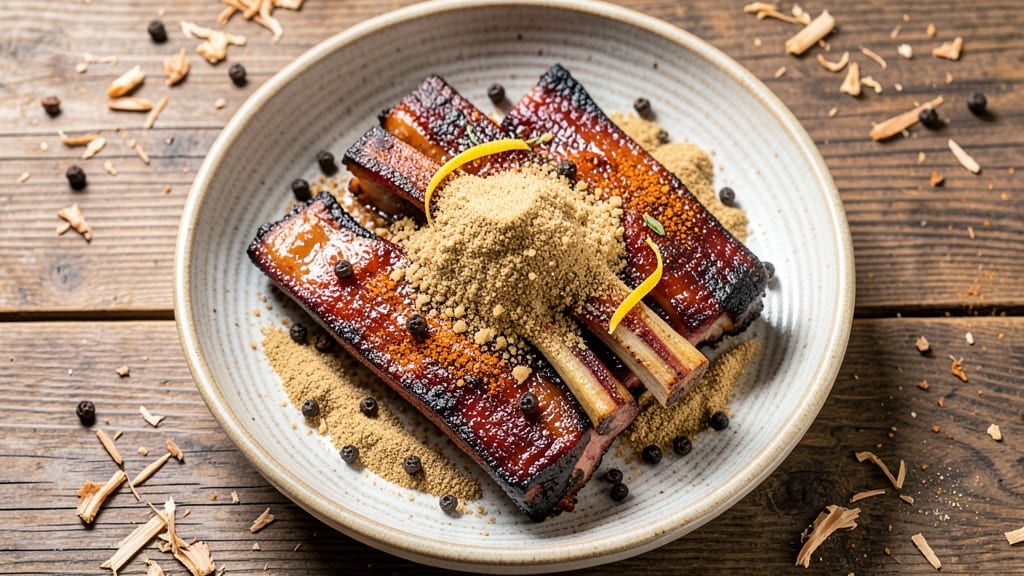
This brine recipe for smoked pork ribs transforms tough cuts into fall-off-the-bone tenderness with a perfect bark that crackles at every bite. The secret lies in a dry-spice infusion that penetrates deep while creating that coveted crust—no watery brine mess, just pure flavor concentration. I developed this method after years of trial and error, and it consistently delivers restaurant-quality results at home.
The process begins with a carefully balanced dry rub that includes brown sugar for caramelization, black pepper for heat, and aromatic spices like garlic and onion powder. These ingredients form a flavorful crust during smoking, while the internal moisture remains perfectly preserved.
The ribs then spend hours in the smoker at a steady 225°F, where the low-and-slow method ensures even cooking without drying out the meat.
By the time they emerge from the smoker, your ribs will have a deep mahogany bark and tender meat that pulls apart with just a fork. The dry-spice method eliminates the need for messy brines while delivering unmatched flavor penetration.
This technique works equally well for baby back ribs or St. Louis-style cuts, making it a versatile solution for any pitmaster.
The finishing touches—whether a final basting with apple cider vinegar or a light glaze—elevate the ribs to new heights. Serve with classic sides like baked beans or coleslaw for a complete smoked pork experience. Let's get started on creating ribs that will have everyone asking for seconds.
Ingredients for brine recipe for smoked pork ribs
The dry-spice blend transforms tough pork ribs into tender, bark-crusted masterpieces with minimal effort.
| Ingredient | Amount | Notes |
|---|---|---|
| Pork Ribs (Baby Back or St. Louis Style) 🍖 | 4 lb | Bone-in, meaty cuts preferred |
| Light Brown Sugar 🍚 | ½ cup | Packed, for caramelization |
| Black Peppercorns 🌶️ | 2 tbsp | Coarsely ground for heat |
| Garlic Powder 🧄 | 1 tbsp | Freshly ground preferred |
| Onion Powder 🧅 | 1 tbsp | For aromatic depth |
| Smoked Paprika 🌶️ | 1 tbsp | For smoky flavor |
| Ground Cumin 🌿 | 1 tbsp | Toasted for warmth |
| Kosher Salt 🧂 | 1 tbsp | Diamond Crystal preferred |
| Mustard Powder 🌶️ | 1 tsp | For subtle tang |
| Apple Cider Vinegar 🍎 | 2 tbsp | For final basting |
| Yellow Mustard 🌶️ | 1 tbsp | For glaze consistency |
| Wood Chips (Hickory or Oak) 🌳 | 1 package | For smoker flavor |
The ribs are the foundation—St. Louis-style cuts have more meat per bone, while baby backs cook faster. Look for cuts with good marbling at Costco or your local butcher shop. If buying frozen, thaw overnight in the fridge. The dry-spice method eliminates the need for watery brines while delivering deep flavor penetration. For best results, trim excess fat but leave the membrane intact—it helps retain moisture during smoking. Hickory or oak wood chips are ideal for the smoker, as they complement the pork's natural flavors without overpowering them.
No smoked paprika? Regular paprika plus a pinch of liquid smoke works in a pinch, though the flavor won't be identical. Substitute mustard powder with an extra tablespoon of Dijon mustard if you prefer a tangier finish. For the sugar, turbinado or raw cane sugar adds a deeper caramel note, but brown sugar is perfectly fine. The apple cider vinegar can be swapped for balsamic vinegar if needed, though it will alter the flavor profile slightly. If you're short on time, pre-mix the dry rub and store it in an airtight container for up to 3 months—just add the vinegar and mustard fresh before applying.
The dry rub keeps well in a sealed container for up to 2 weeks at room temperature, though it's best used within 5 days for peak flavor. Store the ribs uncovered in the fridge for 1-2 days before smoking to allow the rub to adhere fully. For leftovers, ribs reheat beautifully in a 350°F oven for 15-20 minutes with a splash of apple juice. The bark is best enjoyed immediately, but the tender meat stays delicious for 3-4 days refrigerated or 3 months frozen. Portion into meal-sized containers for easy reheating—just cover with foil and warm through.
Why You'll Love This Recipe
- Foolproof Prep: Honestly, the brine is where the magic happens—and it’s so simple. Toss the ribs in a bag with brown sugar, peppercorns, and those two powders, then let the fridge do the work. No chopping, no fuss, just hands-off flavor infusion overnight. (Yes, even on a Tuesday night.)
- Taste That Sticks: Between us, that caramelized brown sugar and cracked peppercorns turn tough ribs into melt-in-your-mouth perfection. The garlic and onion powder seep in deep, so every bite has that just-smoked punch without needing fancy rubs or hours at the pit.
- Leftovers? More Like Leftovers: These ribs stay tender for days—wrap them up, and they’re still fantastic reheated or cold. I’ve packed them for lunches, served them at game day, even thrown them into a breakfast hash. (Trust me, crispy rib bits in eggs? Chef’s kiss.)
- Budget Smoker Win: You’re getting restaurant-quality flavor for a fraction of the cost. A whole pack of ribs costs less than takeout, and the brine uses pantry staples. Plus, the sugar and spices stretch far—this recipe feeds a crowd without breaking the bank. (My college dormmates still ask for the recipe.)
Step-by-step instructions for dry-spice brined smoked pork ribs
This method delivers melt-in-your-mouth tenderness with a perfect bark every time.
Prepare the Dry-Spice Brine Mixture
In a large bowl, combine the 0.5 cup light brown sugar, 1 tablespoon kosher salt, 2 tablespoons black peppercorns, 1 tablespoon garlic powder, 1 tablespoon onion powder, 1 tablespoon smoked paprika, 1 tablespoon ground cumin, and 1 teaspoon mustard powder. This blend creates the perfect balance of sweetness, heat, and aromatic depth for your ribs.
Use your hands to thoroughly mix the spices with the sugar and salt until the mixture is completely uniform. The sugar will help create that coveted caramelized bark while the spices penetrate the meat during the brining process. This dry blend ensures maximum flavor without any moisture loss that comes with wet brining.
Coat the Pork Ribs Evenly
Pat the 4 lb pork ribs completely dry with paper towels—this is crucial for developing that perfect bark. Work quickly to prevent the meat from absorbing moisture from the air. Place the ribs on a clean work surface and generously coat both sides with the dry-spice mixture.
Press the spices firmly into the meat, especially focusing on the bone side where flavor tends to concentrate. The ribs should be completely covered with no bare spots. This step ensures every bite delivers that complex blend of flavors we're after. Once coated, place the ribs on a wire rack set over a baking sheet to allow air circulation on all sides.
Brine in the Refrigerator
Transfer the spice-coated ribs to a large resealable plastic bag, removing as much air as possible before sealing. Place the bag on a tray to contain any potential leaks and refrigerate for 12-24 hours. This extended brining time allows the spices to deeply penetrate the meat while keeping it tender.
The longer you brine (up to 24 hours), the more tender and flavorful your ribs will be. I recommend brining overnight for maximum results. During this time, the spices will create a flavor barrier that locks in moisture while developing that incredible bark. Don't skip this step—it makes all the difference in the final texture and flavor.
Prepare for Smoking
Remove the ribs from the refrigerator and let them come to room temperature for 30 minutes before smoking. This ensures even cooking from start to finish. While the ribs warm, prepare your smoker using the 1 package wood chips (hickory or oak). Set your smoker to maintain a steady 225°F temperature.
When ready to smoke, place the ribs bone-side down on the smoker grate. This positioning helps render fat and creates that beautiful bark on the meatier side. The wood chips will infuse your ribs with that authentic smoky flavor we all love. Keep the smoker lid closed as much as possible to maintain that consistent temperature.
Smoke and Baste for Perfect Results
Smoke the ribs for 3 hours, then baste with a mixture of 2 tablespoons apple cider vinegar and 1 tablespoon yellow mustard combined with 2 tablespoons hot water. This basting glaze adds moisture and helps develop that caramelized crust. Continue smoking for another 3 hours or until the internal temperature reaches 195-203°F and the ribs pull away from the bones easily.
During the final hour, spray the ribs with additional apple cider vinegar and mustard mixture every 30 minutes to maintain moisture and enhance bark formation. The ribs are done when they reach probe-tender perfection—when a meat thermometer inserted into the thickest part reads 203°F and the meat separates cleanly from the bone. This dry-spice method guarantees ribs that are both tender and packed with flavor.
Pro Tips For Making Brine Recipe For Smoked Pork Ribs
- USE COLD BRINE: I learned this the hard way—hot brine cooks the meat before it even hits the smoker. Fill your container with ice and cold water first, then add sugar, peppercorns, and spices. The ribs will absorb flavor and stay tender, not turn to mush from over-soaking.
- TRIM THE FAT LAST: Leave that fat cap intact until after brining. It protects the meat from drying out during the smoke, especially if you’re using a fast burn. Trim it right before you pull the ribs from the brine—just slice through it cleanly with a sharp knife.
- DON’T SKIP THE DRY: Pat those ribs thoroughly dry after brining—no half-measures. Use paper towels and let them air-dry for 10-15 minutes in the fridge. Wet ribs won’t develop that crispy bark, and you’ll be fighting steam instead of smoke the whole session.
- SWEETEN THE BRINE GRADUALLY: Start with half the brown sugar called for, then add the rest after 2 hours if you’re brining overnight. Too much sugar too soon can make the brine cloudy and dilute the flavors. This keeps the liquid clear and the ribs evenly sweetened.
Storing and reheating your leftovers
Refrigerator Storage
Store leftover ribs in an airtight container lined with parchment paper to preserve that perfect bark. I like using glass containers with snap-on lids for easy reheating. Keep them refrigerated for up to 4 days—the bark stays crispy if you reheat properly.
The meat remains tender but will lose some of its initial moisture over time. 🌡️
Freezer Preservation
For long-term storage, wrap ribs tightly in butcher paper (not plastic) before placing in a freezer bag. This method prevents freezer burn while maintaining texture. Label with the date and freeze for up to 3 months.
When ready to eat, thaw overnight in the fridge—never at room temperature. The bark will soften slightly but still taste amazing. ❄️
Oven Reheating Method
Preheat your oven to 350°F and place ribs on a baking sheet. Cover loosely with aluminum foil and warm for 15-20 minutes. Add 1 tablespoon apple cider vinegar to the foil before sealing to restore moisture.
The bark will crisp up again if you broil for 2-3 minutes at the end. This method keeps the meat juicy without making it soggy. 🔥
Smoker Refresh Technique
For that authentic smoky flavor, reheat ribs in your smoker at 275°F for 1-2 hours with fresh hickory wood chips. This slow method mimics the original cook and reactivates the bark.
I like adding a sprinkle of smoked paprika before reheating for extra depth. Perfect for serving at gatherings where you want that restaurant-quality experience. 🌳
Microwave Shortcut
When you're short on time, microwave ribs covered with a damp paper towel on 50% power for 2-3 minutes. Stir halfway through to distribute heat evenly.
Add 1 tablespoon water if the meat looks dry. While not ideal for the bark, this method keeps the meat tender and warm for quick meals. 💡
Restoring the Bark
If your reheated ribs lose some bark, restore it with a quick broiler finish. Place ribs on a baking sheet and broil for 1-2 minutes until the surface crisps.
Brush with a mix of 1 tablespoon melted butter and 1 teaspoon apple cider vinegar for extra shine. This technique works wonders for presentation and flavor. 💫
Nutrition facts
Frequently asked questions
Why use a dry-spice brine instead of a wet brine for smoked ribs?
A dry-spice brine creates a concentrated flavor crust without adding moisture that can dilute the meat's natural juices. The spices penetrate deeply while the sugar develops that perfect bark during smoking. This method also eliminates the need for messy water cleanup and prevents the ribs from becoming waterlogged.
How long should I smoke the ribs at 225°F?
Smoke for a total of 6 hours at 225°F, including the 3-hour basting period halfway through. The ribs are done when they reach 203°F internally and the meat pulls away from the bones easily. This low-and-slow method ensures tender meat with a perfect crust.
Can I substitute any of the spices in the dry rub?
Yes, but with caution. Swap smoked paprika for regular paprika plus a pinch of liquid smoke, or replace cumin with coriander for a citrusy note. For heat, cayenne can replace black pepper, but adjust to taste. The key is maintaining the sugar-to-spice balance for that signature bark.
What's the best way to tell if the ribs are fully cooked?
Use a meat thermometer to check the thickest part of the meat—it should read 203°F. The ribs should also bend slightly at the joint and the meat should separate cleanly from the bone. If they're not quite there, return them to the smoker for another 30 minutes.
Can I make this recipe with a pellet grill instead of a traditional smoker?
Pellet grills work perfectly for this recipe. Set the temperature to 225°F and use your preferred wood flavor pellets (hickory or oak recommended). The ribs will develop the same tender texture and bark. Just monitor the temperature closely to maintain consistency.