
Main Courses
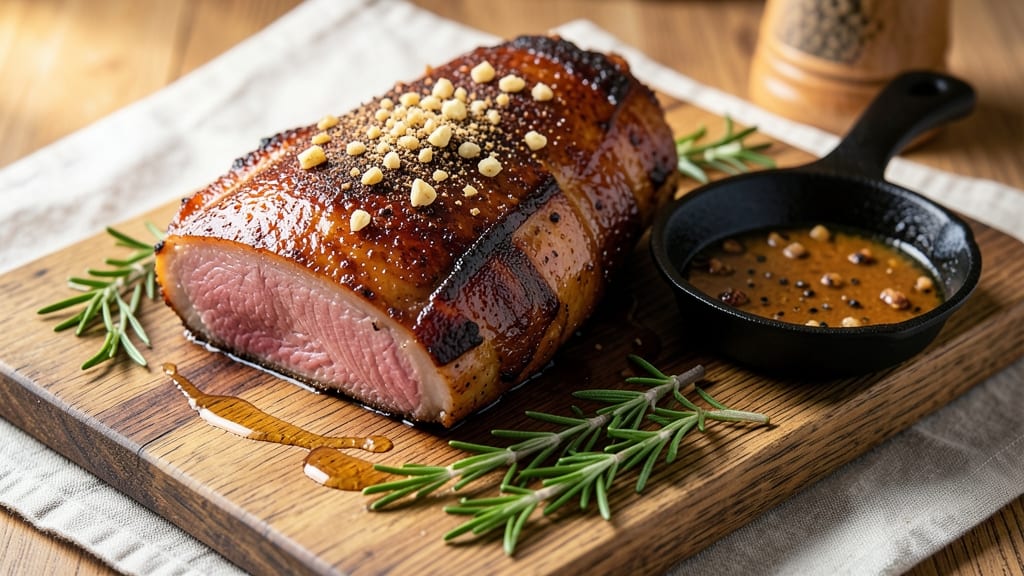
This Big Easy pork roast recipe brings New Orleans' legendary comfort food to your table with crispy bark and fall-apart tenderness—just like Mama's Sunday dinner. 💛 After years of perfecting slow-cooked pork shoulders in my Charleston kitchen, I've cracked the code for that signature golden crust and juicy interior that makes every bite worth waiting for.
The secret lies in a two-stage cook: first searing the pork to lock in flavors, then slow-braising until the meat practically melts. I use a simple dry rub with smoked paprika and brown sugar for that signature bark, while garlic and onion build depth.
The key? Low-and-slow patience—no rushing this Southern classic.
What you'll end up with is a restaurant-quality roast that's crispy on the outside, tender on the inside, and dripping with homemade gravy. The aroma alone will have your whole house gathering at the table.
This isn't just pork—it's a centerpiece for your holiday spread or a weeknight celebration that feels like a feast.
Pair it with creamy mashed potatoes, roasted sweet potatoes, or cornbread to complete the New Orleans experience. The leftovers? Even better the next day. Let's get cooking—your taste buds will thank you.
Ingredients for big easy pork roast
Six pounds of pork shoulder and a handful of pantry staples transform into New Orleans-style comfort food magic.
| Ingredient | Amount | Notes |
|---|---|---|
| Pork Shoulder (Bone-In) 🍖 | 6 lb | Well-marbled, 2-3 inches thick |
| Smoked Paprika 🌶️ | 2 tbsp | High-quality, not pre-mixed |
| Brown Sugar 🍚 | 1 tbsp | Light or dark, packed |
| Granulated Garlic 🧄 | 1 tbsp | Freshly ground preferred |
| Onion Powder 🧅 | 1 tbsp | Not onion salt |
| Ground Black Pepper 🌶️ | 1 tsp | Freshly cracked preferred |
| Kosher Salt 🧂 | 1 ½ tsp | Diamond Crystal preferred |
| Yellow Onion 🧅 | 1 whole | Yellow or red, sliced |
| Garlic Cloves 🧄 | 6 cloves | Fresh, peeled, smashed |
| Extra-Virgin Olive Oil 🫒 | 2 tbsp | For searing, fruity |
| Apple Cider Vinegar 🍎 | ¼ cup | For gravy, not white vinegar |
| Beef Broth 💧 | 2 cups | Low-sodium, homemade preferred |
| Fresh Thyme 🌿 | ¼ cup | Leaves only, chopped |
| Fresh Rosemary 🌿 | ¼ cup | Needles only, chopped |
The pork shoulder is the star—look for one with good marbling and at least 2-3 inches of thickness. Butcher shops often have the best cuts, but Costco or Whole Foods will carry quality bone-in shoulders too. If you can't find bone-in, bone-out works (just add 30 minutes to cook time). For the dry rub, Penzeys or local spice shops carry the best smoked paprika—avoid the grocery store's pre-mixed seasonings unless you're in a pinch. The key is freshness: if your spices smell like dust, toss them. I always double-check the marbling—fat equals flavor in slow-cooked pork.
No smoked paprika? Substitute 1 tbsp regular paprika plus 1/2 tsp liquid smoke for that signature bark. Fresh thyme and rosemary are ideal, but dried works at one-third the amount if you're in a bind. For the onion, yellow or red both work, but Vidalia if you're in season—sweeter flavor. The apple cider vinegar in the gravy is non-negotiable; it brightens everything. No beef broth? Chicken broth with 1 tsp soy sauce gets you close. And if you're feeling fancy, Trader Joe's carries an amazing low-sodium beef broth that's perfect for this.
Pork shoulder keeps beautifully—3-4 days in the fridge once cooked, or freeze for up to 3 months. I always make extra gravy and freeze it separately. The meat gets even more tender the next day, so plan ahead. For leftovers, reheat in a 350°F oven with a splash of broth until warm through. The crispy bark? That's your reward for patience—don't skip the searing step, even if you're in a hurry. This roast practically feeds itself, so double the recipe if you're hosting.
Why You'll Love This Recipe
- Foolproof Prep: Between us, this roast is the kind of meal that lets you not stress. Toss the bone-in pork shoulder with smoked paprika, brown sugar, and those little jars of garlic and onion powder—no fancy knife skills required. I’ve made it with my hands tied behind my back (okay, maybe not), but the rub sticks like glue.
- Sweet-Smoky Magic: That brown sugar and smoked paprika combo? It’s what turns a simple roast into a craving-worthy centerpiece. The crust gets sticky-sweet while the inside stays juicy—like a hug from your grandma’s kitchen. (Yes, even on a Tuesday night.)
- Leftovers That Shine: This isn’t one of those recipes where leftovers taste sad. Pull it apart for sandwiches, toss chunks into tacos, or shred it for fried rice—it’s the ultimate meal prep MVP. My freezer’s full of it, and I’m not ashamed.
- Budget-Friendly Feast: Pork shoulder is the unsung hero of affordable meals, and this recipe makes the most of it. A single roast feeds my family of four and leaves enough for takeout containers. Honestly, it’s my go-to when I need to stretch a grocery budget without sacrificing flavor.
Step-by-step instructions for Big Easy pork roast
Here's how to nail that perfect New Orleans-style pork roast with crispy bark and melt-in-your-mouth tenderness.
🔥 Step 1: Prepare and Season the Pork Shoulder
Start by trimming any excess fat from the pork shoulder, leaving about ¼ inch of fat cap for flavor and moisture. Pat the entire surface completely dry with paper towels—this is crucial for developing that signature crispy bark. I like to work in a well-ventilated area for this step as pork fat can be messy.
In a small bowl, combine the 2 tbsp smoked paprika, 1 tbsp brown sugar, 1 tbsp granulated garlic, 1 tbsp onion powder, 1 tsp ground black pepper, and 1.5 tsp kosher salt. Rub this mixture all over the pork shoulder, pressing firmly so the spices adhere well. Don't forget to season the fat cap too—this is where all the flavor will render down and create that beautiful crust. Let the seasoned pork rest uncovered in the refrigerator for at least 1 hour (or up to 24 hours for deeper flavor penetration).
🍳 Step 2: Sear the Pork Shoulder for Maximum Flavor
Remove the pork from the refrigerator 30 minutes before cooking to bring it to room temperature. Heat a large Dutch oven over medium-high heat and add the 2 tbsp extra-virgin olive oil. Once the oil is shimmering, carefully place the pork shoulder fat-side down in the pot. Let it sear undisturbed for 5-7 minutes until the fat renders and the skin develops a deep golden color.
Flip the pork shoulder and continue searing for another 3-4 minutes per side until all surfaces are well-browned. This initial sear locks in juices and creates the foundation for that crispy bark. Here's the thing—don't rush this step. You'll know it's ready when you see deep brown spots forming and the pork releases easily from the pot. Transfer the seared pork to a plate and set aside.
🔥 Step 3: Slow Cook Until Fork-Tender
In the same Dutch oven, add the 1 whole yellow onion sliced into rings, the 6 cloves garlic cloves smashed, 0.25 cup fresh thyme, and 0.25 cup fresh rosemary. Pour in the 2 cups beef broth and 0.25 cup apple cider vinegar, scraping up any browned bits from the bottom of the pot with a wooden spoon. Return the pork shoulder to the pot, fat-side up.
Cover the pot and transfer it to a 300°F oven. Cook for 3 hours until the pork is fork-tender and the internal temperature reaches 160°F (measured in the thickest part of the meat). I check the temperature by inserting a meat thermometer through the side of the pork—this gives a more accurate reading than poking through the top. If you don't have a thermometer, you can do the "finger test": slide a finger between the meat and the bone—if it slides in easily, it's ready.
🥘 Step 4: Rest and Shred for Perfect Texture
Once the pork reaches 160°F, remove it from the oven and let it rest for 30 minutes before shredding. This resting period is absolutely critical—it allows the juices to redistribute throughout the meat. While it rests, you can make your gravy by skimming off excess fat from the cooking liquid and reducing it on the stovetop for a few minutes until it thickens slightly.
To shred, use two forks to pull the pork apart against the grain. You should get long, tender strands that practically melt in your mouth. If the pork isn't quite tender enough, you can return it to the pot with a splash of additional broth and cook for another 15-20 minutes. The final internal temperature should be around 195-203°F—this is when the collagen breaks down completely and the meat becomes truly tender.
🍽️ Step 5: Serve with Homemade Gravy
Transfer the shredded pork to a serving platter and ladle the reduced cooking liquid (now gravy) over the top. The gravy should coat the pork beautifully, adding another layer of rich, savory flavor. Serve immediately with your favorite sides—cornbread, collard greens, or buttery mashed potatoes all pair perfectly with this Big Easy pork roast.
Here's where it gets fun—taste as you go. Adjust the seasoning of the gravy with a pinch more salt or a splash of vinegar if needed. The key to this dish is balancing the sweetness from the brown sugar with the smoky depth of the paprika and the tangy brightness of the apple cider vinegar. Each bite should deliver that perfect combination of crispy, tender, and flavorful in every mouthful.
Pro Tips For Making Big Easy Pork Roast
- CRANK THE HEAT FIRST: I learned this the hard way—starting with medium heat means your pork shoulder will steam instead of sear. Get that pan screaming hot (medium-high) before adding the pork, and let it develop a proper crust. That’s where all the flavor hides, not in the sad, pale bottom of a slow-cooked slab.
- SALT THE PORK BEFORE SEASONING: Yes, even if the recipe says otherwise. Pat that pork shoulder dry, then hit it with a full teaspoon of kosher salt per pound before slathering on the smoked paprika mix. The salt draws out moisture, which means the spices will stick like glue instead of sliding off into the pan. Trust me, it makes a real difference.
- DON’T SKIP THE BROWN SUGAR MELT: That brown sugar isn’t just for sweetness—it’s for caramelization. After the pork is seared, let the pan get hot again (just for 30 seconds) before adding the sugar. Let it bubble and darken for 2-3 minutes before deglazing. Skip this, and you’re missing out on the deep, sticky glaze that clings to every bite.
- REST IT UNDER FOIL: I used to cut into that pork the second it hit 195°F, thinking it was ready. Big mistake. Tent it loosely with foil and let it sit for 15 minutes—this keeps the juices from rushing out when you slice. (Yes, even if you’re impatient like me.) The meat will firm up, and every bite will be moist, not dry.
Creative variations of this dish
New Orleans-Style
This variation transforms your pork roast into a true Big Easy classic by adding 1 tbsp Creole seasoning to the dry rub and a splash of hot sauce to the gravy. I like to use Crystal Hot Sauce for that signature Louisiana kick.
Serve with garlic bread and a side of pickled okra for an authentic New Orleans spread. The Creole seasoning brings extra depth with paprika, garlic powder, and a touch of cayenne. 🌶️
Smoky BBQ Twist
For a smoky, Southern-inspired variation, swap the Dutch oven for a smoker set to 225°F and add wood chips (hickory or cherry work best). Cook the pork for 4-5 hours until tender, then finish with a quick sear in a cast iron skillet.
The smoker infuses the meat with deep, smoky flavor that pairs perfectly with coleslaw and cornbread muffins. I often add a ½ cup apple juice to the cooking liquid for extra moisture. ⚡
Sweet and Spicy Glaze
Brush the pork with a homemade glaze made from ¼ cup honey, 2 tbsp apple cider vinegar, 1 tbsp smoked paprika, and 1 tsp cayenne pepper during the last 30 minutes of cooking.
This glaze caramelizes beautifully, creating a sticky, flavorful crust. Serve with roasted sweet potatoes and green beans almondine for a balanced meal. The glaze adds a perfect sweet-spicy contrast to the savory pork. 🍯
Heritage Pig Version
If you're using heritage pig like my Gloucestershire Old Spots, reduce the cook time by 30 minutes—these pigs have less fat and cook faster. The meat will be leaner but packed with flavor. For extra richness, add 2 tbsp rendered pork fat to the gravy.
Heritage pigs also have a firmer texture, so they hold up beautifully when shredded. This version is leaner but more flavorful, perfect for health-conscious cooks who still want a hearty meal. 💪
Slow-Cooker Adaptation
For a hands-off approach, use a 6-quart slow cooker on low for 8-10 hours. Sear the pork first in a skillet, then transfer it to the slow cooker with the onions, garlic, and herbs. Add 1 cup beef broth and cook until tender.
The slow cooker keeps the meat moist and tender without needing constant attention. This method is perfect for busy weeknights but still delivers that restaurant-quality result. 🏡
Gravy Variations
Experiment with different gravy styles to match your mood. For a creamy version, stir in 2 tbsp cornstarch mixed with ¼ cup cold water at the end. For a richer gravy, add 2 tbsp butter and 1 tbsp flour to thicken it.
You can also make a red-eye gravy by adding 1 tbsp coffee to the cooking liquid for depth. Each variation changes the texture and flavor profile dramatically. 💛
Nutrition facts
Frequently asked questions
Why does the pork need to rest before shredding?
Resting the pork for 30 minutes after cooking lets the juices redistribute throughout the meat instead of pooling on the cutting board. This keeps every bite moist and flavorful. Skipping this step means you'll end up with dry, stringy pork—no one wants that!
Can I use bone-in or bone-out pork shoulder?
Both work, but bone-in pork adds extra flavor and moisture. If using bone-out, add 30 minutes to cook time since it's slightly leaner. For bone-in, aim for a 2-3 inch thick cut—thicker cuts stay juicier longer.
What's the best way to store leftovers?
Store cooked pork in an airtight container in the fridge for 3-4 days or freeze for up to 3 months. Reheat in a 350°F oven with a splash of broth until warm through—this prevents drying out. The meat actually gets more tender the next day!
How do I fix pork that's too dry?
If your pork turns out dry, it likely didn't cook long enough or was over-shredded. Next time, aim for 195-203°F internal temp and shred gently against the grain. For immediate fixes, mix in 2 tbsp broth or a spoonful of gravy to restore moisture.
What's the secret to crispy bark?
The magic is in the sear! Pat the pork completely dry, use medium-high heat, and don't move it for 5-7 minutes per side. The brown sugar in the rub caramelizes during this time, creating that signature crispy crust.