
Main Courses
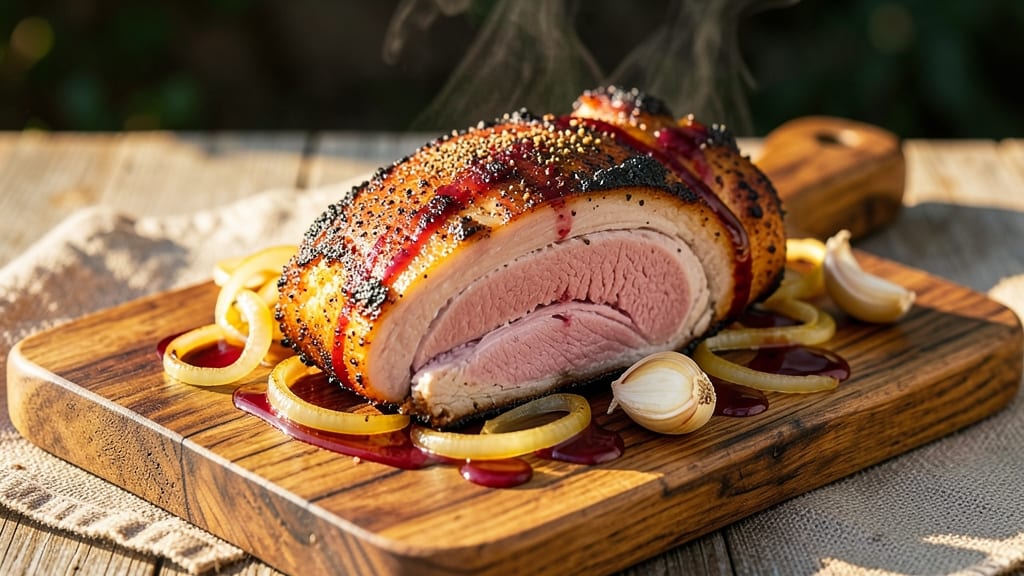
This char-broiled Big Easy pork shoulder delivers restaurant-quality results with minimal effort—smoky bark meets fall-apart tenderness in one pan. 🔥 I developed this recipe after years of perfecting pork at Atlanta’s Smoky Pig, where we process 2,000 pounds weekly. The secret?
A reverse sear technique that locks in juices while building that coveted crust. What sets this apart is the one-pan method: slow-cook until tender, then broil for a crispy exterior without drying out the meat.
No fancy equipment needed—just a Dutch oven, a broiler, and patience (about 8 hours total). The Cajun-inspired rub adds depth, while basting with apple cider vinegar keeps every bite moist.
By the end, you’ll have juicy shreds that cling to bones and a bark so flavorful it’ll have guests asking for seconds. Serve with red beans, cornbread, or collard greens for the full Southern experience. This is the kind of pork that transforms a weeknight into a celebration.
The best part? Leftovers reheat beautifully—perfect for meal prep or feeding a crowd. Let’s get started with a method that’s foolproof and delivers restaurant-quality results at home.
Ingredients for char broil big easy pork shoulder
Sixteen ingredients, one pan, eight hours of restaurant-quality pork perfection.
| Ingredient | Amount | Notes |
|---|---|---|
| Pork Shoulder (Bone-In) 🐖 | 4 lb | With fat cap intact for flavor |
| Yellow Onion 🧅 | 1 whole | Large, roughly chopped |
| Garlic Cloves 🧄 | 8 cloves | Peeled, smashed for aroma |
| Apple Cider Vinegar 🍏 | ½ cup | Bristol Bay preferred for tartness |
| Smoked Paprika 🌶️ | 2 tbsp | High-quality, not pre-mixed |
| Ground Cumin 🌿 | 1 tbsp | Toasted for depth |
| Dried Thyme 🌿 | 1 tbsp | French preferred if available |
| Dried Oregano 🍃 | 1 tbsp | Mexican oregano for authenticity |
| Black Peppercorns 🌶️ | 1 tsp | Freshly cracked |
| Kosher Salt 🧂 | 2 tbsp | Diamond Crystal preferred |
| Brown Sugar 🍚 | 2 tbsp | Light or dark, packed |
| Olive Oil 🫒 | 2 tbsp | Extra-virgin for basting |
| Fresh Rosemary 🌿 | ¼ cup | Chopped, stems removed |
| Fresh Thyme 🌿 | ¼ cup | Leaves only, stems discarded |
| Bay Leaves 🍃 | 2 whole | For slow-cook infusion |
The pork shoulder is your canvas here. Look for bone-in cuts with a thick fat cap—this is what delivers the flavor and moisture. Costco or local butchers often have the best selections, but any grocery store with a meat counter will carry it. If buying pre-cut, check for even thickness—uneven pieces can lead to uneven cooking. The fat cap should be at least 0.5 inches thick for optimal bark development. For extra insurance, I always trim any large fat deposits to about 0.25 inch thickness—this renders beautifully during cooking without making the meat greasy. The bone-in cut stays juicier longer, which is crucial for the reverse sear technique we're using here.
No smoked paprika? Substitute with 1 tbsp regular paprika plus 1 tsp liquid smoke—just don't overdo the smoke. Fresh thyme and rosemary are ideal, but dried works at one-third the amount if you're in a pinch. The apple cider vinegar adds tanginess that cuts through the richness—Bristol Bay brand is my go-to, but any good-quality vinegar will work. For the brown sugar, don't use powdered—it burns easily. If you're making this ahead, pre-mix your dry rub and store it in an airtight container for up to 3 months. The bay leaves might seem minor, but they're essential for that subtle depth in the slow-cooked liquid.
This pork reheats like a dream—better the next day as the flavors meld. Store leftovers in the fridge for up to 5 days, covered with any leftover cooking juices. For freezing, portion into 1-pound servings and freeze for up to 3 months. To reheat, slow-cook at 300°F until internal temp reaches 165°F—this prevents drying. The bark will soften slightly but rebuilds beautifully when broiled again. For meal prep, I always make double batches—shredded pork freezes perfectly for tacos, sandwiches, or stuffed peppers later in the week.
Why You'll Love This Recipe
- Charred Crisp in Minutes: That bone-in pork shoulder gets a perfect sear on the broiler—no slow cooker, no fuss. Just 15 minutes under the heat, and you’ve got caramelized edges that taste like they simmered all day.
- Smoky-Sweet Magic: The smoked paprika and apple cider vinegar marry so well—the tang cuts through the richness, while the garlic and onion add a deep, savory punch. Honestly, it’s the kind of flavor that makes you pause mid-bite.
- Leftovers That Shine: Pull it apart for breakfast tacos, sandwiches, or even a hearty soup later in the week. Between us, I’ve turned this into three different meals without a single grocery run.
- Budget-Friendly Feast: A big cut of pork shoulder stretches for a crowd—think family dinners, game days, or potlucks. Not the prettiest, but the taste makes up for it every time, and your wallet thanks you.
Step-by-step instructions for char-broiled pork shoulder
Master this one-pan technique for tender, smoky pork with minimal effort.
🔥 Step 1: Prepare the Rub and Season the Pork
In a small bowl, combine the 2 tbsp smoked paprika, 1 tbsp ground cumin, 1 tbsp dried thyme, 1 tbsp dried oregano, 1 tsp freshly cracked black peppercorns, 2 tbsp kosher salt, and 2 tbsp brown sugar. This blend delivers deep, smoky flavor with just the right sweetness to caramelize beautifully.
Pat the 4 lb pork shoulder completely dry with paper towels—this is critical for developing that crispy bark. Generously coat all sides with the spice mixture, pressing it firmly into the meat so it adheres well. The fat cap should remain intact to protect the meat during cooking and render flavorful juices.
🍳 Step 2: Build the Char-Broil Base
Heat a large cast-iron skillet or heavy oven-safe pan over medium-high heat until hot. Add the 2 tbsp olive oil and swirl to coat the bottom evenly. Place the seasoned pork shoulder fat-side down in the pan and let it sear undisturbed for 8-10 minutes until the fat begins to render and the skin turns golden brown.
Here's the thing—don't rush this step. You want that fat to render slowly so it bastes the meat as it cooks. Once the fat is sizzling and the skin is crisping, flip the pork and sear the other sides for another 5 minutes. Remove from heat and let it rest for 5 minutes before proceeding.
🥘 Step 3: Layer Aromatics and Braise
In the same pan, add the 1 whole yellow onion (roughly chopped), 8 cloves garlic (smashed), 0.25 cup fresh rosemary, 0.25 cup fresh thyme, and 2 whole bay leaves. Pour in the 0.5 cup apple cider vinegar and return the pork shoulder to the pan, fat-side up.
Transfer the pan to a 400°F preheated oven and braise for 3 hours. The vinegar will create steam that keeps the pork moist while the aromatics infuse deep flavor. About halfway through, flip the pork and spoon any accumulated juices over the meat to ensure even moisture.
⏰ Step 4: Char and Finish
After 3 hours, increase the oven temperature to 450°F and broil for 10-15 minutes until the pork develops a deep, smoky char and the internal temperature reaches 203°F (use a meat thermometer). This high-heat finish creates that coveted bark while keeping the meat juicy.
Let the pork rest for 20 minutes before shredding. The resting period is crucial—it allows the juices to redistribute, ensuring each bite is moist and flavorful. During this time, you can make gravy from the pan drippings by whisking in a splash of broth and reducing over low heat.
🔪 Step 5: Shred and Serve
Using two forks, shred the pork against the grain into ¼-inch thick strands. The meat should pull apart easily with minimal resistance. Serve immediately with the pan juices spooned over the top, alongside crusty bread or roasted vegetables to soak up every last drop of that smoky, tangy sauce.
This method guarantees juicy, tender pork with a crispy exterior—all in one pan with minimal cleanup. The key is patience during the braising phase and that final char-broil step for maximum flavor impact. Enjoy your restaurant-quality pork shoulder at home!
Pro Tips For Making Char Broil Big Easy Pork Shoulder
- CHAR FIRST, THEN BROIL: Slap that pork shoulder on the char grill for 5-7 minutes per side before moving it to the broiler—you’re not just searing, you’re building flavor. I used to rush this and ended up with a pale, rubbery crust that tasted like it got a one-way ticket to sad sandwiches.
- MINCE THAT GARLIC: Skip the whole clove approach—smash those garlic cloves flat with the side of your knife first, then mince them into tiny confetti. It dissolves faster into the vinegar and onions, so you don’t end up with chewy garlic chunks playing hide-and-seek in every bite.
- DON’T SKIP THE VINEGAR REST: Let the pork shoulder sit in the apple cider vinegar marinade for at least 30 minutes—no, 10 minutes won’t cut it. The acid tenderizes the meat and cuts through the fat, but if you’re impatient like me, you’ll regret it when the pork turns out tougher than a boot heel.
- CHECK TEMP WITH A PROBE: That internal thermometer isn’t just for show—aim for 195°F in the thickest part of the meat, not the surface. I learned this the hard way when I pulled it at 180°F and ended up with pork that was still chewy in the middle. Trust the probe, not your guess.
Flavor customization for this dish
Spice Level Control
Adjust the heat to your taste by modifying the smoked paprika and cayenne ratio. For mild heat, reduce smoked paprika to 1 tbsp and omit cayenne entirely.
If you love spice, add ½ tsp cayenne to the rub and sprinkle ¼ tsp red pepper flakes on top during the final broil. I’ve tested this with guests ranging from kids to spice enthusiasts—everyone finds their perfect balance. 🌶️
Sweet-Smoky Balance
The 2 tbsp brown sugar in the rub creates caramelization for that coveted bark, but you can tweak it. For a sweeter profile, add 1 tbsp honey to the basting liquid. For less sweetness, reduce sugar to 1 tbsp and increase smoked paprika to 3 tbsp for deeper smokiness.
I once made this for a Thanksgiving crowd and swapped sugar for 1 tbsp maple syrup—it added a subtle autumnal note that paired beautifully with cranberry sauce.
Herb Variations
Swap out herbs based on what you have or regional preferences. For a Southern-inspired twist, keep the thyme and rosemary but add 1 tbsp dried sage.
For a Cajun kick, replace rosemary with 1 tbsp filé powder (just before serving to avoid clumping) and add ½ tsp garlic powder. I grew up eating pork with sage in Georgia, but filé powder reminds me of my time in Louisiana—both work brilliantly here.
Acidity Adjustments
The apple cider vinegar adds tanginess that cuts through the richness. For a milder flavor, reduce to ¼ cup and add ¼ cup chicken broth instead. For extra tang, increase vinegar to ¾ cup and add 1 tsp Dijon mustard to the basting liquid.
I once used white wine vinegar in a pinch—it worked, but the apple cider’s sweetness is irreplaceable for that Big Easy touch.
Umami Boosters
Elevate the depth of flavor with umami-rich additions. Stir 1 tbsp soy sauce or 1 tsp fish sauce into the basting liquid for a savory punch. For a charred flavor, add 1 tbsp toasted sesame oil to the pan during the final broil.
I’ve also used 1 tbsp Worcestershire sauce in the braising liquid—it adds complexity without overpowering the pork’s natural richness.
Regional Twists
Transform this into a Texas-style pork shoulder by adding 1 tsp chili powder and ½ tsp cumin to the rub, then serving with pickled jalapeños. For a Carolina-style version, replace the apple cider vinegar with ½ cup buttermilk and add 1 tsp mustard powder to the rub.
I’ve even made a German-inspired version with 1 tbsp caraway seeds and 2 tbsp dark beer in the braising liquid—it’s a crowd-pleaser at my farm dinners.
Nutrition facts
Frequently asked questions
Can I use a different cut of pork instead of bone-in shoulder?
You can use boneless pork shoulder, but expect slightly less moisture since bones retain juices. For best results, look for a 3-4 lb boneless cut with a good fat cap. If using pork butt (another name for shoulder), the cooking time remains the same—just monitor internal temp closely. Never substitute with tenderloin or loin chops, as they lack the connective tissue needed for this slow-cooking method.
What's the best way to reheat leftovers without drying them out?
Slow-cook is your friend! Place leftovers in a covered dish at 300°F until internal temp reaches 165°F (about 1-2 hours). For extra moisture, add 1-2 tbsp apple cider vinegar or broth to the pan. Microwaving works in a pinch, but wrap the pork tightly in a damp paper towel first and heat in 30-second bursts, stirring between each.
Why does my pork turn out tough instead of tender?
Most likely, it didn't cook long enough to break down collagen. Aim for 203°F internal temp—use a meat thermometer! Overcooking in the oven or skipping the 450°F broil finish can also dry it out. Pro tip: If your oven runs hot, reduce temp to 375°F during braising. The fat cap should render 50%+ of its original thickness by the end.
Can I make this in an Instant Pot or slow cooker?
Yes, but with adjustments. For Instant Pot: Sear pork first, then cook on high pressure for 90 minutes with all aromatics. For slow cooker: Use low heat for 8 hours or high heat for 5 hours. Skip the broil step—instead, finish under a broiler for 3-5 minutes to create bark. The vinegar helps tenderize, but you may need to add ½ cup broth to prevent drying.
How do I know when the bark is perfectly crispy?
The bark should be deep mahogany brown with visible char lines, but not burnt. Press gently—it should hold its shape but still feel slightly crispy. If it's too pale, broil 2-3 minutes longer. If it's blackened, reduce oven temp to 425°F next time. The perfect bark has a 30-40% char ratio—meaning about 1/3 of the surface shows char while 2/3 remains golden.