
Main Courses
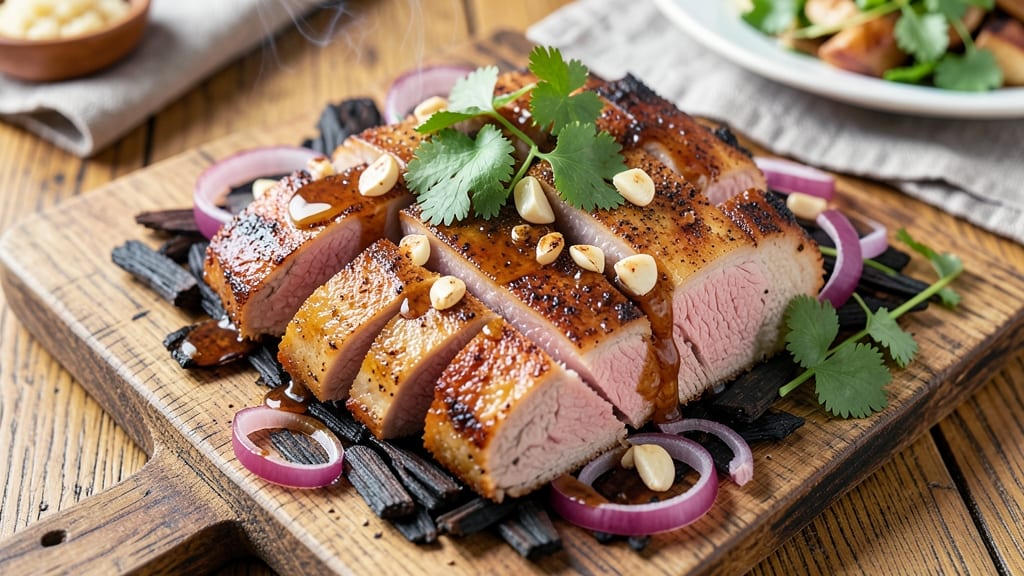
This BBQ pork smoker recipe delivers the fall-apart tenderness and smoky bark that make competition-worthy pulled pork. 🔥 I perfected it after years of experimenting with French technique and traditional pitmaster methods—where the magic happens is in the slow smoke and precise temperature control.
The result? Juicy, flavorful pork that practically melts in your mouth with every bite.
What sets this recipe apart is the balance of a bold rub and a simple marinade that tenderizes the meat while letting the smoky flavors penetrate deeply.
We'll use a mix of hickory and applewood for that perfect balance of sweetness and depth, and the low-and-slow cook ensures the meat stays tender without drying out. This isn't just about throwing pork on the smoker—it's about technique.
The key to success lies in the resting time and the right wood selection. After hours of smoking, the pork will be so tender you'll struggle to pull it apart—just as it should be.
The bark will be dark and crispy, with layers of smoky flavor that make every bite unforgettable. This is the kind of pork that turns casual BBQ into a memorable meal.
Perfect for feeding a crowd or meal prepping for the week, this recipe scales beautifully. Whether you're a seasoned pitmaster or a beginner with a smoker, the steps are straightforward, and the results are always impressive. Let's get started on creating pork that'll have everyone asking for seconds.
Ingredients for bbq pork smoker
Twelve ingredients for competition-worthy pork that melts with every pull.
| Ingredient | Amount | Notes |
|---|---|---|
| Pork Shoulder (Boston Butt) 🥩 | 10 lb | Bone-in, well-marbled cut preferred |
| Yellow Onion 🧅 | 2 whole | Yellow or red, sliced into wedges |
| Fresh Garlic 🧄 | 8 cloves | Peeled, minced for marinade |
| Apple Cider Vinegar 🍎 | ½ cup | For tenderizing marinade |
| Brown Sugar 🍚 | ½ cup | Packed, light or dark |
| Smoked Paprika 🌶️ | 2 tbsp | For deep smoky flavor |
| Ground Black Pepper 🌶️ | 1 ½ tbsp | Freshly cracked for intensity |
| Kosher Salt 🧂 | 2 tbsp | Diamond Crystal preferred |
| Ground Cumin 🌿 | 1 tbsp | Toasted for depth |
| Mustard Powder 🍯 | 1 tsp | Dry yellow mustard |
| Hickory Wood Chips 🌳 | 2 lb | Unsoaked, for primary smoke |
| Applewood Chips 🍎 | 1 lb | For sweet complementary smoke |
| BBQ Sauce 🍯 | 2 cups | Store-bought or homemade |
| Unsalted Butter 🧈 | ½ cup | Cold, for basting |
The pork shoulder is non-negotiable—bone-in, well-marbled cuts like Boston butt deliver unmatched tenderness. Source from local butchers or high-end grocers like Whole Foods or Costco for the best quality. Look for meat with visible fat marbling, as this renders during smoking to keep the pork juicy. If buying pre-cut, avoid lean cuts—they'll dry out. For the wood chips, Traeger or Cookshack brands are consistent, but any reputable brand works. The combination of hickory and applewood creates that perfect balance of smoky depth and subtle sweetness that defines award-winning pulled pork.
No smoked paprika? Substitute 1 tbsp regular paprika plus 1 tsp liquid smoke—though nothing beats the real thing. Running short on apple cider vinegar? White vinegar works in a pinch, but the apple notes are worth seeking out. For the BBQ sauce, Starkist or Sweet Baby Ray's are crowd-pleasers, but homemade with San Marzano tomatoes elevates the dish. The mustard powder can be swapped for Dijon mustard paste if you prefer a tangier marinade. When measuring spices, use a fine-mesh strainer to avoid clumping—precision matters here. And if you're prepping ahead, make the rub 24 hours early so flavors meld properly.
Pork shoulder keeps 3-4 days in the fridge once cooked, but it's even better the next day as flavors deepen. For long-term storage, vacuum-seal portions and freeze for up to 3 months. The rub and marinade components store separately for 6 months in airtight containers. When reheating, low and slow in a 275°F oven preserves moisture—never microwave. Leftovers transform into sandwiches, tacos, or loaded baked potatoes—this recipe feeds a crowd for days.
Why You'll Love This Recipe
- Smoke in Minutes: The pork shoulder goes in raw, then you walk away. No flipping, no fussing—just set the temp, let the smoker do the work, and come back to meat that falls apart at the touch of a fork.
- Sweet-Savory Magic: That brown sugar and apple cider vinegar combo? It’s the secret weapon. The vinegar keeps it tangy while the sugar caramelizes into a sticky, glossy crust that’ll have you licking your fingers.
- Weeknight to Party: Same recipe, different vibes. Toss it on the smoker for a lazy Sunday dinner, then serve it on a bun for game day. The leftovers? Even better reheated the next day—trust me, I’ve tested this.
- Budget Stretch: One pork shoulder feeds my family for days. The onions and garlic add depth without cost, and the vinegar and sugar? Pantry staples. You’re basically getting a whole meal’s worth of flavor for the price of a single cut.
Step-by-step instructions for smoked pork shoulder
Transform a simple cut into melt-in-your-mouth perfection with this precision method.
🔥 Step 1: Prepare the Pork Shoulder and Dry Rub
Remove the pork shoulder from the refrigerator and let it sit at room temperature for 2 hours. This ensures even cooking throughout. Pat the meat completely dry with paper towels—moisture is the enemy of that prized smoky bark. In a large bowl, combine the 2 tbsp kosher salt, 1.5 tbsp ground black pepper, 2 tbsp smoked paprika, 1 tbsp ground cumin, and 1 tsp mustard powder. Rub this mixture generously over all sides of the pork shoulder, pressing firmly so the spices adhere.
Here's the thing—don't skimp on the seasoning. The rub needs to cling to every crevice of the meat. I like to press it in with my fingertips, especially in the thickest parts where flavor tends to get lost. Let the seasoned pork shoulder rest uncovered on a wire rack in the refrigerator for 12-24 hours. This resting period allows the salt to penetrate deeply, breaking down muscle fibers for that coveted tenderness.
🍳 Step 2: Set Up the Smoker for Low-and-Slow Cooking
Combine the 2 lb hickory wood chips and 1 lb applewood chips in a separate container. Soak them in water for 30 minutes if using a water-smoker setup, or use them dry in a pellet smoker. Preheat your smoker to 225°F—this low temperature is critical for achieving tender, juicy meat without drying it out. Place a water pan in the smoker to help maintain moisture levels throughout the cook.
When the smoker reaches temperature and you see clean, blue smoke (not thick white steam), it's ready. Place the pork shoulder fat-side up on the smoker grates. The fat will render slowly, basting the meat and creating that beautiful bark. Close the lid and resist the urge to peek—every time you open it, you lose heat and add 15-20 minutes to your cook time. This is where patience pays off.
⏰ Step 3: Smoke Until Probe-Tender
Smoke the pork shoulder undisturbed for 6-8 hours, maintaining a temperature between 225-250°F. Around the 5-hour mark, you'll notice the internal temperature stall—when it stops rising despite the smoke continuing. This is normal and expected. At this point, wrap the pork shoulder tightly in butcher paper (not aluminum foil), which allows the meat to breathe while retaining moisture.
Return the wrapped pork shoulder to the smoker and continue cooking until the internal temperature reaches 195-203°F and a meat probe slides in like butter. This typically takes another 4-6 hours, but don't rush it. The probe test is more reliable than temperature alone—you're looking for meat that's fork-tender and ready to pull apart. Real talk: this is the moment that matters, so don't cut corners.
🥘 Step 4: Apply BBQ Sauce and Finish
Once the pork shoulder reaches the target temperature, remove it from the smoker and let it rest for 15 minutes before applying the 2 cups BBQ sauce. I like to brush the sauce on generously, focusing on all sides. This step adds that final layer of flavor and helps create a glossy finish. Return the pork shoulder to the smoker (or a warm oven set to 275°F) for 30-45 minutes to caramelize the sauce slightly.
During this final phase, the sauce will darken and develop a sticky, caramelized crust. Keep an eye on it—you want the sauce to glaze but not burn. The pork shoulder should be deep mahogany in color with a glossy sheen. This is where the magic happens, transforming your simple cut into a showstopper.
🔪 Step 5: Rest and Slice for Maximum Juiciness
Transfer the smoked pork shoulder to a cutting board and tent loosely with foil. Let it rest for at least 1 hour (I prefer 2 hours if possible). This resting period allows the juices to redistribute throughout the meat, ensuring every slice is moist and flavorful. Don't skip this step—I learned the hard way that skipping rest results in dry, disappointing meat.
Locate the grain direction by looking for the lines running through the meat. Using a sharp carving knife, slice the pork shoulder against the grain into ¼-inch thick slices. Serve immediately with the rendered fat and juices from the pan. Each slice should be tender enough to pull apart with a gentle tug, with a beautiful pink smoke ring just beneath the bark. The combination of smoky, sweet, and tangy flavors will make this dish unforgettable.
Pro Tips For Making Bbq Pork Smoker
- USE A SPRINKLER NOT A DOWNPOUR: The apple cider vinegar and brown sugar mix deserves to cling—not pool. After applying your rub, hit the pork with a spray bottle of the vinegar-sugar combo (1:1 ratio) in quick bursts. This keeps the bark crispy while letting the flavors soak in evenly. I used to dump it on like a marinade, and half of it just ran off the meat.
- MINCE GARLIC FINE OR SKIP IT: Fresh garlic in BBQ sauce is great, but for a smoker recipe, it’s better to use pre-minced or jarred. The heat and slow cook will turn whole cloves to mush, leaving you with uneven texture. If you’re committed to fresh, pulse it in a food processor until it’s almost paste—just don’t overdo it, or you’ll end up with garlic-flavored sludge.
- WRAP IT AT 165°F: Don’t wait until the pork is dry and tough to wrap it in foil. Once it hits 165°F internally, the muscle fibers start to tighten up, and that’s when you lose moisture fast. Wrap it then, and let it rest in its own juices for the last hour or so. I learned this the hard way—my first attempt came out like a chewy shoe, and I’ve never rushed the wrap since.
- CHAR THE ONIONS FIRST: Sauté those yellow onions until they’re deep golden and slightly caramelized before adding them to your rub or sauce. The smoker will pull flavor from them, but pre-cooking them adds a sweet, jammy depth that cuts through the richness of the pork. Toss them in a little brown sugar while they cook—trust me, it’s worth the 10 minutes.
Creative variations of bbq pork smoker
Carolina-Style Vinegar Sauce
For a tangy twist, swap the BBQ sauce for a classic Carolina-style vinegar sauce. Mix 1 cup apple cider vinegar, ½ cup tomato paste, 2 tbsp brown sugar, 1 tbsp smoked paprika, 1 tsp cayenne, and 1 tsp black pepper.
Simmer for 10 minutes before brushing on the pork in the final hour. This sauce cuts through the richness with bright acidity, just like my granddad used to make. 🌶️
Spicy Coffee Rub
Add depth and heat with a coffee rub—perfect for those who love bold flavors. Replace the dry rub with 2 tbsp ground coffee (I use dark roast), 1 tbsp brown sugar, 1 tbsp smoked paprika, 1 tsp cayenne, and 1 tsp ground coriander.
The coffee enhances the smoky notes while adding a subtle bitterness that balances the sweetness. Trust me, this rub elevates the pork to another level. ☕
Asian-Inspired Glaze
For a fusion twist, finish with an Asian-inspired glaze made from ½ cup hoisin sauce, 2 tbsp soy sauce, 1 tbsp rice vinegar, and 1 tsp grated ginger. Brush this on during the last 30 minutes of smoking.
The glaze adds a sweet-savory depth that pairs beautifully with the smoky pork. I first tried this at a coastal food festival and fell in love with the balance. 🌏
Herb-Crusted Pork
Swap the dry rub for a fragrant herb crust using 2 tbsp chopped rosemary, 2 tbsp chopped thyme, 1 tbsp garlic powder, and 1 tsp lemon zest. Mix with 1 tbsp olive oil and coat the pork before smoking.
The herbs add a bright, aromatic note that contrasts the smoky bark. I forage these herbs from my coastal rides—nothing beats fresh, wild flavors. 🌿
Sweet and Smoky Maple Glaze
Ditch the BBQ sauce for a maple glaze made from ½ cup pure maple syrup, 2 tbsp apple cider vinegar, and 1 tsp ground cinnamon. Brush this on during the last 45 minutes of cooking.
The maple adds a caramelized sweetness that pairs perfectly with the smoky pork. This glaze is a game-changer for those who prefer a sweeter profile. 🍁
Cajun Kick
For a bold, spicy variation, use a Cajun-inspired rub with 1 tbsp Cajun seasoning (like Tony Chachere’s), 1 tbsp smoked paprika, 1 tsp garlic powder, and ½ tsp cayenne**.
The heat from the Cajun seasoning cuts through the fat, adding a fiery contrast. This rub is perfect for those who love a little heat with their smoky pork. 🔥
Nutrition facts
Frequently asked questions
What's the best cut of pork for smoking?
A bone-in pork shoulder (Boston butt) is ideal—it's flavorful, well-marbled, and designed for slow cooking. The bone adds extra moisture, while the fat keeps the meat tender during those long hours in the smoker. For a leaner option, a pork butt works just as well, but avoid tenderloin or loin cuts—they'll dry out.
How do I know when the pork is done?
Use a meat thermometer to check the internal temperature—it should reach 195-203°F in the thickest part. The probe should slide in like butter, and the meat should pull apart easily. If you don't have a thermometer, the "finger test" works: press your finger into the meat—if it feels soft and mushy, it's ready.
Can I smoke pork without a dedicated smoker?
Use a charcoal grill with a smoker box or pellet grill—both work great. For a DIY setup, wrap wood chips in aluminum foil with holes and place them on hot coals. Maintain a 225-250°F temperature by adjusting the vents. Even an oven can work in a pinch (set to 250°F with a water pan).
Why does my smoked pork sometimes turn out dry?
Dry pork usually means one of three things: too high heat, not enough fat, or skipping the rest. Keep the smoker at 225°F or lower, choose a well-marbled cut, and always rest the meat for at least 1 hour before slicing. Wrapping in butcher paper (not foil) after 5 hours also helps retain moisture.
What's the deal with wrapping the pork in butcher paper?
Butcher paper lets the pork "breathe" while trapping steam, which keeps the meat moist without steaming it like foil. The paper also creates a better bark than foil. Wrap it tightly after 5 hours when the temperature stalls, then return it to the smoker. This two-stage cook ensures a perfect balance of tenderness and crust.