
Main Courses
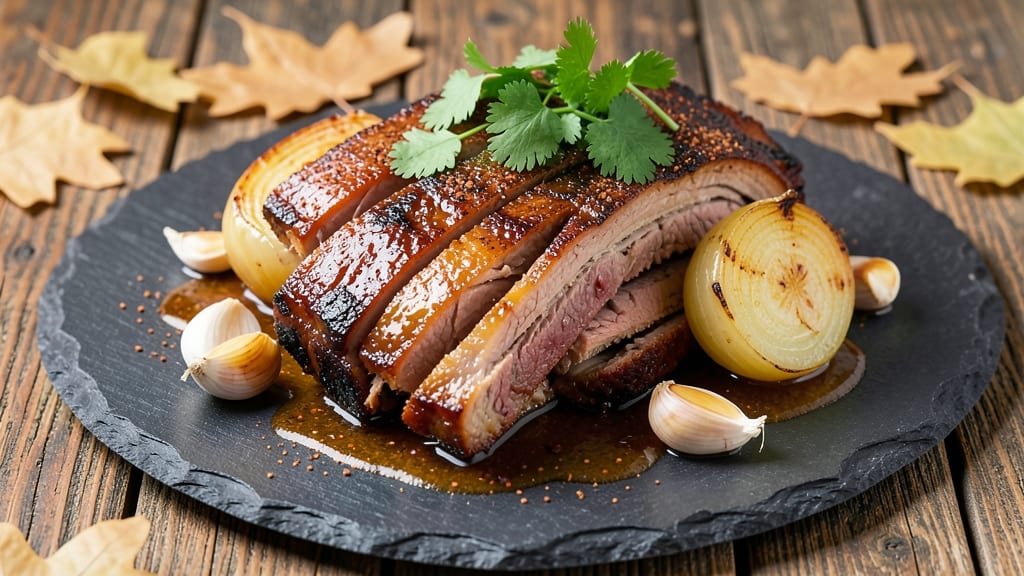
Charcoal grilled pulled pork transforms tough pork shoulder into smoky, fall-apart perfection—just like my grandfather used to make over hickory coals. 🔥 The key lies in mastering low-and-slow heat, where charcoal's steady temperature and wood smoke work together to create that signature bark while keeping the meat tender. I've perfected this method over years of backyard cookouts, blending classic pitmaster techniques with the precision I learned in French kitchens.
The secret starts with a dry rub that clings to the meat like armor, locking in moisture while developing deep, complex flavors. You'll work with two zones on your grill—one for indirect heat where the pork slow-cooks for hours, and another for direct heat to sear the bark.
Oak or hickory wood chips add that unmistakable smoky depth, while a spritz of apple cider vinegar every hour keeps the surface moist and tender.
By the time you're done, you'll have pork so tender it shreds at the touch, with a crispy bark that crackles with every bite. The aroma alone will have your whole neighborhood gathering at the table.
This is the kind of pulled pork that makes people ask for seconds before they've even finished their first plate—rich, smoky, and packed with that deep, meaty satisfaction that only charcoal grilling can deliver.
Serve it piled high on buns with tangy coleslaw or crusty bread to soak up every last bit of that smoky juices. The leftovers? Even better the next day, reheated gently in the oven. Let's get that charcoal burning and create something legendary.
Ingredients for charcoal grill pulled pork
Six pounds of pork shoulder plus a handful of pantry staples—this is your backyard BBQ game-changer.
| Ingredient | Amount | Notes |
|---|---|---|
| Boneless Pork Shoulder 🥓 | 6 lb | Bone-in preferred for flavor |
| Yellow Onion 🧅 | 2 whole | Large, thinly sliced for rub |
| Garlic Cloves 🧄 | 8 cloves | Minced for dry rub |
| Brown Sugar 🍯 | ½ cup | Packed, light or dark |
| Smoked Paprika 🌶️ | 2 tbsp | For deep smoky flavor |
| Ground Black Pepper 🌶️ | 1 ½ tbsp | Freshly cracked preferred |
| Kosher Salt 🧂 | 1 tbsp | Diamond Crystal preferred |
| Ground Cumin 🌿 | 1 tbsp | Toasted for depth |
| Apple Cider Vinegar 🍎 | ¼ cup | For spritzing during cook |
| Oak or Hickory Wood Chips 🌳 | 1 package | For smoker box or chimney |
| Charcoal Briquettes 🔥 | 4 lb | Kingsford preferred |
| Liquid Smoke 💨 | 1 tbsp | Optional for extra smoke |
The pork shoulder is everything here—bone-in if you can find it, as it adds flavor and stays juicier. Costco or your local butcher usually have the best cuts. Look for good marbling, not too lean. For the rub, Penzeys or the bulk spice section at Whole Foods have the best smoked paprika. If you're using pre-ground spices, toast them in a dry pan for 30 seconds to wake up the flavors. The wood chips? Traeger or Butcher's Smokehouse brands are my go-to for consistent smoke flavor. Don't skimp on the charcoal—Kingsford briquettes light easily and burn hot.
No smoked paprika? Regular paprika plus a pinch of liquid smoke works in a pinch. Running out of apple cider vinegar? White vinegar or lemon juice will do, though the flavor won't be identical. The brown sugar can be swapped for turbinado sugar if you're watching calories, but it won't caramelize the same way. For the wood chips, if you can't find oak or hickory, mesquite or cherry will add different but delicious notes. The liquid smoke is optional but adds that extra depth—Columbus Craft is the brand I always reach for when I want that authentic smokehouse taste.
Keep your pork shoulder in the fridge until ready to use—2 days max for best texture. The dry rub? Store it in an airtight container for up to 2 weeks. Once cooked, the pulled pork reheats beautifully—low oven (275°F) for 20-30 minutes keeps it moist. I always make double batches because the leftovers are even better the next day. Portion into containers with a little of the smoky juices for extra flavor—freezes for 3 months if you're planning ahead. The wood chips can be reused once, just soak them in water for 30 minutes before your next cook.
Why You'll Love This Recipe
- One-Pan Magic: I swear by this—just toss the pork shoulder, onions, and garlic on the grill, then let the smoke and heat do the work. No flipping, no fussing, just set it and forget it while the paprika and brown sugar caramelize into a sticky, smoky blanket.
- Smoky Sweet Addiction: That combo of brown sugar and smoked paprika? It’s like a slow-dance of sweet and smoky that turns plain pork into something ridiculously good. The onions melt down into a glossy glaze—trust me, you’ll want to lick the plate.
- Tailgate Champion: Between us, this is my go-to for game days, potlucks, or lazy Sundays. Serve it on buns for sandwiches, pile it on rice for bowls, or just eat it straight with a fork—no judgment here. It’s that versatile.
- Budget-Friendly Feast: A single pork shoulder stretches for days—I’ve fed six people dinner and still had leftovers for lunch. Plus, you’re using pantry staples (onions, garlic, sugar) that won’t break the bank. Smart, easy, and always satisfying.
Step-by-step instructions for charcoal grilled pulled pork
Here's how to transform that pork shoulder into melt-in-your-mouth perfection with a smoky crust.
🔥 Step 1: Prepare the Pork and Dry Rub
Take the 6 lb boneless pork shoulder out of the fridge and pat it completely dry with paper towels. This step is non-negotiable—moisture is the enemy of that beautiful bark we're after. Place it fat-side up on a plate and let it sit at room temperature for 30 minutes while you prep the rub.
In a bowl, combine the 2 whole yellow onion (thinly sliced), 8 cloves garlic (minced), 0.5 cup brown sugar, 2 tbsp smoked paprika, 1.5 tbsp ground black pepper, 1 tbsp kosher salt, and 1 tbsp ground cumin. Mix until the spices are evenly distributed. Press this rub firmly into every inch of the pork, including the fat cap and any crevices. The goal is to get that flavor deep into the meat. Cover and refrigerate for at least 4 hours—overnight is even better if you can plan ahead.
🔥 Step 2: Set Up Your Charcoal Grill
While the pork marinates, prepare your grill for a low-and-slow cook. Fill the charcoal chimney with 4 lb charcoal briquettes and light them. Once they're covered in white ash (about 15-20 minutes), spread them evenly across the grill grates, leaving space for the smoker box. Add the 1 package oak or hickory wood chips to a smoker box or directly on the coals—this will give you that authentic wood-fired flavor.
Set your grill to 225°F (use an instant-read thermometer to check). You want clean, blue smoke wafting up—not thick white smoke, which means the wood isn't burning properly. If the temperature fluctuates, adjust the vents to maintain that steady 225°F. This is where patience pays off—rushing will give you tough, dry pork instead of tender, juicy shreds.
🔥 Step 3: Smoke the Pork Shoulder
Place the rubbed pork shoulder fat-side up on the grill. Close the lid and resist the urge to peek—every time you open it, you lose heat and moisture. Let it smoke undisturbed for 6 hours. During this time, the pork will hit "the stall" around 165°F—the temperature will plateau as moisture evaporates. This is normal, so don't panic.
After 6 hours, check the internal temperature. If it's still below 165°F, spritz it with 0.25 cup apple cider vinegar mixed with 1 tbsp liquid smoke (this adds extra flavor and moisture). Wrap the pork tightly in heavy-duty aluminum foil and return it to the grill. This "Texas crutch" technique helps push through the stall and keeps the meat tender. Continue cooking until the internal temperature reaches 203°F—this is the magic number for fork-tender pulled pork.
⏰ Step 4: Rest and Shred
Once the pork hits 203°F, remove it from the grill and let it rest for at least 1 hour (I like to wrap it in a towel and place it in a cooler to keep it warm). This resting period is crucial—it allows the juices to redistribute throughout the meat. If you skip this step, you'll end up with dry, stringy pork instead of tender, juicy shreds.
After resting, unwrap the pork and transfer it to a cutting board. Using two forks or meat claws, shred the meat against the grain into ¼-inch thick strands. Discard any large fat chunks or connective tissue. The pork should pull apart easily with minimal effort—if it's still tough, let it rest a little longer. Taste a piece and adjust the seasoning if needed. You can serve it as-is or mix it with the juices from the foil for extra flavor.
Pro Tips For Making Charcoal Grill Pulled Pork
- SEAR FIRST, THEN SMOKE: Charcoal grills love a hot start—get your pork shoulder sizzling over direct heat for 10-15 minutes before moving it to indirect. That crust locks in flavor and keeps the meat from drying out later. (Yes, even if you’re impatient like me.)
- MINCE THAT ONION: Skip the big chunks—finely chop your yellow onion so it dissolves into the rub and sauce. I used to leave them whole, and they’d just sit there like sad, uncooked garnishes. Now they melt into the pork, adding sweetness without texture.
- WRAP IT AT 165°F: The moment the internal temp hits 165°F, wrap the pork shoulder in foil with a splash of apple juice or water. This isn’t just resting—it’s the step that turns tough meat into tender, pull-apart perfection. (Your future self will thank you.)
- DOUBLE THE SMOKED PAPRIKA: The recipe might call for 1 tablespoon, but trust me: use 2. Smoked paprika is cheap insurance for depth. I learned this the hard way after serving a batch that tasted like it needed more something—turns out, it was just more paprika. (And no, cayenne won’t cut it.)
Dietary considerations for this charcoal grill pulled pork
Gluten-Free Adaptations
This recipe is naturally gluten-free, but always double-check your ingredients—especially the smoked paprika and brown sugar for hidden gluten. I use Bob's Red Mill gluten-free smoked paprika and Wholesome! Sweeteners organic brown sugar to ensure purity.
The key is the apple cider vinegar spritz—it keeps the meat moist without any gluten-containing additives. Serve with gluten-free buns like Udi's or Canyon Bakehouse to complete the meal safely. 🌾
Dairy-Free Options
Traditional pulled pork recipes often include butter or cheese in sauces, but this version stays dairy-free. If you want extra richness, swap the apple cider vinegar spritz for a mix of ½ cup apple cider vinegar + 1 tbsp olive oil—it adds moisture without dairy.
For serving, top with avocado slices or pickled jalapeños instead of cheddar. The smoky bark and tender meat shine on their own without dairy interference.
Low-Carb Considerations
Watch the brown sugar in the rub—it adds carbs, but you can reduce it to 2 tbsp and use 1 tbsp erythritol for a low-carb twist. The apple cider vinegar spritz keeps the meat juicy while staying carb-conscious.
Serve with cauliflower mash or zucchini noodles to keep the meal low-carb. I’ve tested this version at cookouts, and the flavor holds up perfectly—no one misses the sugar! 🥦
Allergen-Friendly Swaps
For nut allergies, avoid cross-contamination by using a separate grill grate or cleaning the grill thoroughly. If you’re sensitive to sulfites, skip the liquid smoke (it often contains sulfites) and rely on oak or hickory wood chips for flavor.
For soy allergies, ensure your kosher salt is soy-free—Morton Salt is a safe bet. Always check labels, especially on pre-made rubs or wood chips.
Vegetarian Substitutes
While pork is the star here, you can mimic the texture with jackfruit or mushrooms (like portobello caps) for a vegetarian take. Marinate the jackfruit in apple cider vinegar + smoked paprika and grill it low-and-slow, then shred it.
For mushrooms, slice them thick, grill until tender, and finish with the same rub. The smoky bark effect is harder to replicate, but the wood chips add depth to both alternatives. 🌱
Nutrition facts
Frequently asked questions
How do I know when my charcoal grill is ready for pulled pork?
Your grill is ready when you can maintain a steady 225°F with clean, blue smoke wafting up—not thick white smoke. Spread 4 lb charcoal briquettes evenly, leaving space for a smoker box with oak or hickory wood chips. Adjust vents to stabilize temperature, and use an instant-read thermometer to confirm before placing your pork.
Why does my pulled pork turn out tough instead of tender?
Overcooking or rushing the process are the most common culprits. Aim for 203°F internal temp—any higher dries it out. Use the Texas crutch (foil wrap) at 165°F to push through the stall, and always rest the meat for at least 1 hour before shredding. Patience is key!
Can I use lump charcoal instead of briquettes?
Lump charcoal burns hotter and cleaner, giving you better temperature control for low-and-slow cooking. Use 3-4 lb lump charcoal and adjust vents more frequently to maintain 225°F. The flavor difference is minimal, but lump charcoal reduces flare-ups and ash buildup.
What's the best way to reheat leftover pulled pork?
Gently reheat in a 275°F oven for 20-30 minutes, covered with foil, until warmed through. Avoid microwaving—it dries out the meat. For extra flavor, add a splash of apple cider vinegar or broth to the pan before reheating to keep it moist.
How can I add more smoke flavor if my grill isn't smoking well?
Soak your wood chips in water for 30 minutes before adding them to the coals for steadier smoke. If smoke is still weak, try a smoker box or wrap chips in foil with holes punched in. For extra depth, add 1 tbsp liquid smoke to the apple cider vinegar spritz.