
Main Courses
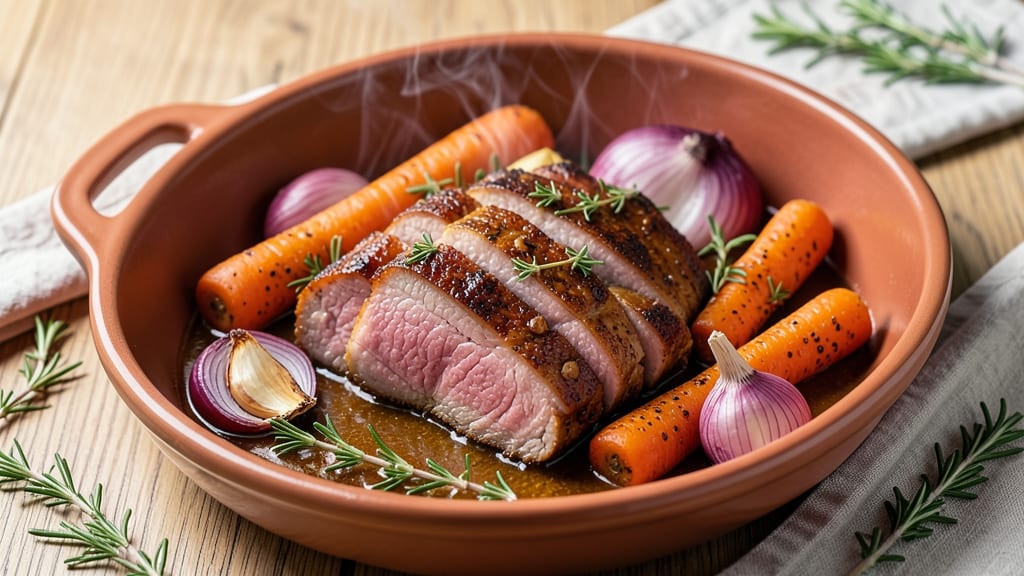
This braised pork shoulder blade steak recipe transforms tough cuts into melt-in-your-mouth perfection with caramelized edges and deep, savory flavors. 🔥 After years of perfecting the technique in my Atlanta kitchen, I've developed a method that delivers restaurant-quality results at home—no fancy equipment required, just patience and precise timing.
The secret lies in slow cooking the blade steak until it's fork-tender while developing a rich, glossy braising liquid. We start with a dry sear to build flavor, then braise at a consistent low temperature to ensure even cooking.
The result? Juicy, flavorful meat that practically falls apart at the touch of a fork, all coated in a sauce that's perfect for drizzling over each serving.
What you'll end up with is a dish that's impressive enough for dinner guests but simple enough for weeknight dinners. The pork absorbs all the aromatic flavors from the braising liquid, creating layers of taste in every bite.
Serve with roasted root vegetables or crusty bread to soak up every last drop of that delicious sauce.
This recipe scales beautifully, making it perfect for feeding a crowd or meal prepping for the week. The technique I've perfected through years of cooking for my restaurant ensures you'll get consistent, mouthwatering results every time. Let's get started on creating this deep-flavor masterpiece.
Ingredients for braised pork shoulder blade steak
Six pounds of pork transforms into restaurant-quality braise with these aromatic ingredients.
| Ingredient | Amount | Notes |
|---|---|---|
| Pork Shoulder Blade Steak 🥩 | 4 lb | Bone-in, 1.5-2 inches thick |
| Yellow Onion 🧅 | 2 whole | Chopped into 1/2-inch pieces |
| Carrots 🥕 | 4 medium | Peeled, cut into 1-inch chunks |
| Garlic Cloves 🧄 | 8 cloves | Smashed, not minced |
| Fresh Thyme 🌿 | 2 sprigs | Stems removed, leaves only |
| Fresh Rosemary 🌿 | 1 sprig | Needles only, chopped |
| Tomato Paste 🍅 | ½ cup | High-quality, no sugar added |
| Dry Red Wine 🍷 | 2 cups | Bold, like Cabernet Sauvignon |
| Beef Broth 🥄 | 2 cups | Low-sodium, homemade preferred |
| Olive Oil 🫒 | ¼ cup | Extra-virgin for searing |
| Balsamic Vinegar 🍶 | 1 tbsp | For depth of flavor |
| Kosher Salt 🧂 | 2 tbsp | Diamond Crystal preferred |
| Ground Black Pepper 🌶️ | 1 tbsp | Freshly cracked |
| Bay Leaves 🌿 | 2 whole | For aromatic depth |
| Fresh Parsley 🌿 | ¼ cup | Chopped, for garnish |
The pork shoulder blade is the star—look for cuts with good marbling and a thick bone. Local butchers often have the best selections, but Costco or Whole Foods carry reliable pre-cut options. The bone adds incredible flavor to the braising liquid, so don't skip it. For the vegetables, fresh is best—carrots with vibrant orange color and onions with crisp edges indicate quality. If you're using dried herbs, toast them briefly in a dry pan first to deepen their flavor. The tomato paste? San Marzano is ideal—it's sweeter and more flavorful than regular brands.
No red wine? Substitute with extra beef broth plus a splash of balsamic vinegar—it mimics the acidity and depth. Fresh thyme and rosemary are ideal, but dried works at half the amount if that's all you've got. For the wine, Cabernet Sauvignon or Merlot work best—they're bold enough to stand up to the pork. The beef broth should be low-sodium; if it's not, reduce the added salt. If you can't find fresh parsley, dried parsley at one-third the amount will work in a pinch. The carrots can be baby carrots if that's what's available—just adjust the quantity to maintain the same volume.
This braise tastes even better the next day as the flavors meld. Store leftovers in an airtight container in the fridge for up to 5 days or freeze for 3 months. I like to portion it into individual containers for easy lunches—just reheat with a splash of water or broth. The sauce thickens as it cools, so you can always thin it with a little extra broth when reheating. For serving, I always garnish with fresh parsley and a drizzle of the braising liquid—that's where all the magic happens.
Why You'll Love This Recipe
- One-Pan Magic: I swear by this recipe when I’m too tired to wash dishes—just toss everything in one pot, walk away, and let the onions and thyme work their flavor magic. The carrots soften just enough to melt in your mouth, and the pork? Chef’s kiss.
- Rich, Deep Umami: That pork shoulder blade? It’s practically begging to be slow-cooked until tender, soaking up the caramelized onions and garlic until every bite has this irresistible, savory depth. Honestly, the thyme ties it all together like a warm hug for your taste buds.
- Leftovers That Don’t Suck: Between us, most braised dishes turn into sad, dry leftovers—but not this one. The sauce stays luscious, the pork stays juicy, and I’ve reheated this for days without a single complaint. Perfect for meal prep or lazy weeknights when you’d rather not cook.
- Budget-Friendly Feast: Pork shoulder blade is affordable, and this recipe stretches it far—feed a family or save half for later without breaking the bank. Plus, onions and carrots are cheap staples, so you’re basically making a hearty, flavor-packed meal for pennies.
Step-by-step instructions for braised pork shoulder blade steak
Here's where the magic happens—slow-braised pork with caramelized edges that'll make your kitchen smell like a Parisian bistro.
🔥 Step 1: Sear the Pork Shoulder Blade for Deep Flavor
Pat the 4 lb pork shoulder blade steak completely dry with paper towels—this is non-negotiable for crispy edges. Heat 0.25 cup olive oil in a heavy Dutch oven over medium-high heat until shimmering. Place the steak fat-side down and sear for 8-10 minutes without moving it, until the fat is golden and crispy.
Flip the steak and sear the meat side for another 6-8 minutes until deeply browned. Here's the thing—don't rush this step. You want that beautiful crust that'll melt in your mouth. Remove the steak and set it aside on a plate, leaving all that glorious browned fat in the pot.
👨🍳 Step 2: Build the Aromatic Base
In the same Dutch oven, add the 2 whole chopped yellow onions and 4 medium peeled carrot chunks. Cook for 5-6 minutes until softened and beginning to caramelize. Add the 8 smashed garlic cloves and cook for 30 seconds until fragrant—don't let them burn.
Stir in the 2 sprigs chopped fresh thyme, 1 sprig chopped fresh rosemary, 2 whole bay leaves, and 0.5 cup tomato paste. Cook for 2 minutes until the tomato paste darkens slightly. This aromatic base is the flavor foundation for your braise, so take your time getting it right.
🍳 Step 3: Deglaze and Simmer the Braising Liquid
Pour in the 2 cups dry red wine and scrape up all those browned bits from the bottom of the pot—this is where all the flavor hides. Let it simmer for 3-4 minutes until reduced by half. Add the 2 cups beef broth and 1 tbsp balsamic vinegar, then bring to a gentle boil.
Return the pork shoulder blade to the pot, fat-side up. Sprinkle with 2 tbsp kosher salt and 1 tbsp freshly cracked black pepper. The liquid should come about halfway up the steak—if not, add a splash of water. Cover tightly with a lid and reduce heat to low.
⏰ Step 4: Braise Until Fork-Tender
Let the pork braise for 2.5-3 hours until the meat is fork-tender and easily pulls apart. Here's the secret: check the internal temperature after 2 hours—it should read 195-205°F in the thickest part. If it's not there yet, give it another 30-60 minutes.
During the last 30 minutes of cooking, uncover the pot and increase heat to medium to let the liquid reduce slightly and the edges caramelize. This creates that beautiful glossy finish we're after. The pork should be falling off the bone when done—real talk, it's that tender.
🍽️ Step 5: Rest and Serve with Fresh Herbs
Transfer the pork to a cutting board and let it rest for 15-20 minutes, tented loosely with foil. This resting period is crucial—it lets the juices redistribute so you don't end up with dry meat. Meanwhile, skim any excess fat from the braising liquid and keep it warm.
Slice the pork against the grain into ½-inch thick pieces. Garnish with 0.25 cup chopped fresh parsley and serve with the reduced braising liquid spooned over the top. The result should be melt-in-your-mouth pork with a glossy, caramelized exterior and rich, wine-infused sauce that'll have everyone asking for seconds.
Pro Tips For Making Braised Pork Shoulder Blade Steak
- Sear Until Dark Brown: That first sear isn’t just for looks—it’s the flavor foundation. Use a heavy pan and get your pork shoulder blade steak screaming hot (I’m talking 350°F+ oil) until it’s deep brown, not just pink. I used to rush this, and the meat always tasted flat afterward.
- Cut Onions Thick: Thin slices disappear into mush. For this braise, chop your yellow onions into ½-inch chunks—they’ll hold their shape and caramelize properly. (Yes, even if it looks less "restaurant-pretty.") Trust me, you’ll taste the difference when they’re still slightly crisp after hours of cooking.
- Don’t Crowd the Pan: If you pile everything in at once, your pork will steam instead of sear, and the onions will turn soggy before they brown. Work in batches—start with the pork, then onions, then carrots. I learned this the hard way after making a sticky mess in my one good pan.
- Deglaze with Wine First: Skip the water—deglaze that pan with a splash of dry white wine (even a cheap one) right after searing. The alcohol burns off quickly, leaving behind rich flavor that’ll infuse the braise. (Save the water for later if you need more liquid.) This is the thing that makes homemade braises taste like they came from a bistro.
Perfect pairings for this braised pork shoulder blade steak
Classic Southern Sides
Nothing complements braised pork like creamy mac and cheese—the rich, cheesy sauce soaks up the pork's braising liquid beautifully. I make mine with sharp cheddar and Gruyère, baked until golden on top.
For a lighter option, try collard greens cooked with smoked turkey neck and a splash of apple cider vinegar—this Southern classic balances the pork's richness with tangy depth. 🥗
Roasted Root Vegetables
Toss carrots, parsnips, and sweet potatoes in olive oil, smoked paprika, and brown sugar, then roast at 400°F for 30 minutes until caramelized. The natural sweetness contrasts perfectly with the pork's savory depth. For extra flavor, add crispy bacon bits or toasted pecans on top before serving.
Crusty Bread Pairings
A freshly baked baguette or sourdough is essential for soaking up the braising sauce. I love toasting slices with garlic butter and sprinkling them with flaky sea salt right before serving.
For a heartier option, try skillet cornbread—its slight sweetness complements the pork's savory notes while providing a sturdy base for every bite.
Wine and Beer Pairings
For wine lovers, a bold Cabernet Sauvignon mirrors the dish's red wine braise, while a Pinot Noir offers lighter acidity to cut through the richness. Beer enthusiasts should try a Belgian-style witbier—its citrus notes brighten each bite.
I also enjoy a smoky porter for a deeper, malty contrast that stands up to the pork's caramelized edges. 🍷
Fresh Herb Garnishes
Finish each plate with chopped fresh parsley or chives for a pop of color and freshness. For a more sophisticated touch, add thinly sliced radishes or quick-pickled red onions—their crisp acidity balances the dish's richness.
A drizzle of honey or balsamic glaze adds a subtle sweetness that elevates the presentation.
Make-Ahead Sides
Prep mashed potatoes or stuffing ahead of time—they reheat beautifully and pair perfectly with braised pork. I like making a herb and cheese-stuffed acorn squash the day before; just reheat at 350°F for 20 minutes before serving.
These sides ensure your meal is stress-free while keeping every bite flavorful and cohesive. ✨
Nutrition facts
Frequently asked questions
Why does the pork shoulder blade need to be bone-in for braising?
The bone adds incredible depth of flavor to the braising liquid as it releases collagen and marrow during cooking. It also helps stabilize the meat during the long braising time, preventing it from falling apart prematurely. If you must use boneless pork, look for a well-marbled cut with good fat distribution to mimic the bone's flavor contribution.
Can I substitute beef broth with chicken broth in this recipe?
While you can use chicken broth, it will create a lighter, less rich braising liquid. For best results, use a 50/50 blend of beef and chicken broth to maintain depth while adding brightness. If you're committed to chicken broth, add an extra 1 tbsp soy sauce or ½ tsp liquid smoke to compensate for the missing beefy richness.
How do I know when the pork is fully tender?
The pork is ready when it reaches 195-205°F internally and a fork slides through it with minimal resistance. For extra accuracy, press a toothpick into the thickest part—if it comes out clean, it's perfect. The meat should also look glossy and pull apart easily when sliced. If it's not tender enough, return it to the pot covered for another 30-60 minutes.
What's the best way to reheat leftovers without drying out the pork?
Place the pork in a skillet with a splash of beef broth or water, cover tightly, and warm over low heat for 5-10 minutes. Never microwave—it creates rubbery meat. For the sauce, reheat it separately over medium heat and reduce slightly to restore its glossy consistency. The combination of gentle heat and moisture keeps everything juicy and flavorful.
Can I make this recipe in a slow cooker instead of a Dutch oven?
Sear the pork first in a skillet, then transfer it to your slow cooker with all the braising ingredients. Cook on low for 6-8 hours or high for 4-5 hours, then finish by transferring to a skillet to caramelize the edges over high heat. The slow cooker method is perfect for hands-off preparation, though you'll lose some of the deep caramelization you get from stovetop braising.