
Main Courses
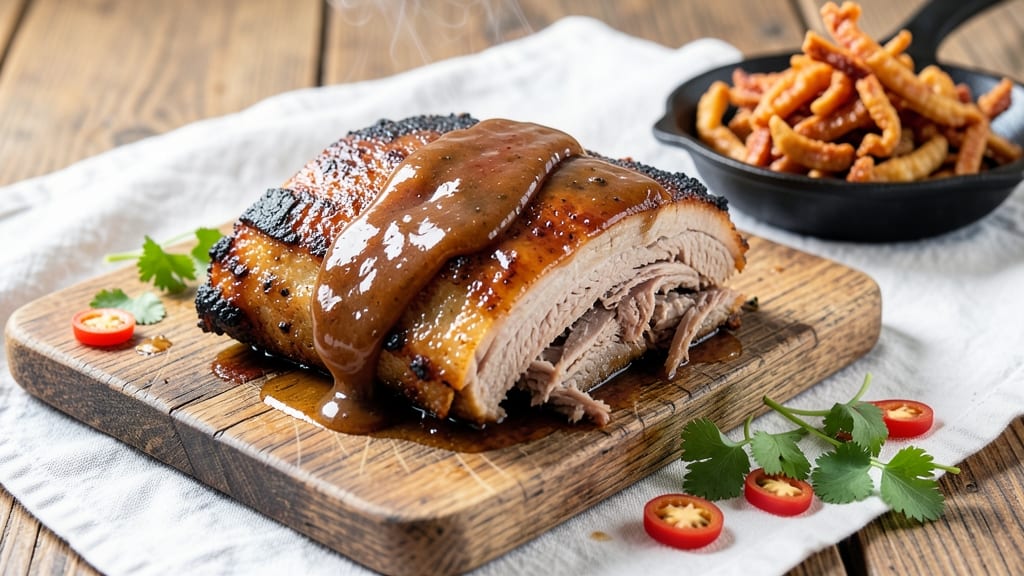
This Bradley smoker pulled pork recipe delivers the perfect marriage of smoky bark and melt-in-your-mouth tenderness—just like my granddad used to make back in Georgia. 🔥 The secret lies in low-and-slow cooking at 203°F until the pork practically falls apart, creating that signature Texas-style texture we all crave.
After years of perfecting this technique at The Smoky Pig, I've streamlined it for home smokers without sacrificing restaurant-quality results.
The process starts with a simple dry rub that builds that iconic dark bark while keeping the meat juicy inside.
We'll use a pork shoulder (bone-in for best flavor) and let the Bradley smoker do its magic for 8-10 hours—no need for fancy wrapping or shortcuts when you've got precise temperature control. The key is patience; every hour brings the meat closer to that perfect pull-apart texture.
When it's done, you'll have pork so tender it shreds with a fork, with a crust so dark and flavorful it'll have your guests asking for seconds. The sauce is just a matter of preference—classic vinegar-based or sweet and tangy—but the pork itself is the star.
This is the kind of meal that transforms a backyard gathering into a true Southern feast.
Serve it on buttery buns with a side of crisp coleslaw or cornbread to soak up every last bit of that smoky goodness. The Bradley smoker makes this easier than ever, but the results are anything but basic. Let's get smoking!
Ingredients for bradley smoker pulled pork
Just 15 ingredients transform your Bradley smoker into pure Southern magic.
| Ingredient | Amount | Notes |
|---|---|---|
| Pork Shoulder (Bone-In) 🐖 | 8 lb | Bone-in for best flavor |
| Yellow Mustard 🍯 | ½ cup | For base of dry rub |
| Brown Sugar 🍬 | ½ cup | Light or dark variety |
| Smoked Paprika 🌶️ | 2 tbsp | For deep smoky flavor |
| Ground Black Pepper 🌶️ | 1 tbsp | Freshly ground preferred |
| Kosher Salt 🧂 | 2 tbsp | Diamond Crystal preferred |
| Garlic Powder 🧄 | 1 tbsp | For aromatic depth |
| Onion Powder 🧅 | 1 tbsp | For subtle sweetness |
| Chili Powder 🌶️ | 1 tbsp | For subtle heat |
| Apple Cider Vinegar 🍏 | ¼ cup | For tangy finish |
| Water 💧 | ¼ cup | For mixing rub |
| Wood Chips (Hickory or Oak) 🌳 | 4 cups | Soaked overnight |
| Butter Buns 🥖 | 12 whole | For serving |
| Coleslaw Mix 🥬 | 1 bag | Pre-shredded cabbage |
| Mayonnaise 🥛 | ½ cup | For coleslaw dressing |
The pork shoulder is non-negotiable—bone-in gives you that rich, deep flavor that separates home cook from pitmaster. Look for a well-marbled cut from Costco or your local butcher—they’ll know exactly what you need. An 8-pound bone-in shoulder gives you perfect portions for 6 people with leftovers for sandwiches the next day. If you’re using a pre-cut shoulder, trim any excess fat from the outside—it’ll render down during smoking but can make your rub stick unevenly. The Smoky Pig always recommends bone-in for that extra layer of flavor, and trust me, it’s worth it.
No smoked paprika? Substitute half the amount with regular paprika plus a pinch of liquid smoke—it’s a game-changer for that authentic smoky flavor. The yellow mustard is the secret to that iconic dark bark, so don’t skip it. For the coleslaw, Trader Joe’s pre-shredded mix is a lifesaver, but any cabbage-carrot blend works. Want to skip the mayo? Greek yogurt or vegan mayo keeps it creamy without overpowering the pork. The wood chips? Hickory gives you that classic Texas BBQ vibe, but oak is a great backup if you’re out. Just make sure they’re soaked overnight—dry chips burn too fast and won’t produce enough smoke.
This rub keeps perfectly for 3 months in an airtight container, so make a double batch. Store the pork in the fridge uncooked for up to 2 days before smoking—it actually develops more flavor over time. Once smoked, the pork stays juicy and tender for 4 days in the fridge, but it’s even better reheated. Freeze portions for up to 3 months if you’re not using it all. Pro tip: Wrap the cooked pork in foil and reheat it in the smoker at 275°F for 30 minutes—it’ll be just as tender as the day you made it.
Why You'll Love This Recipe
- Smoke-Infused Magic: I swear by that bone-in pork shoulder—it stays juicy while the bone adds depth, and the smoky paprika gives it that just-off-the-smoker vibe. The yellow mustard and brown sugar? That’s the secret sauce that turns it from good to "I’ll take seconds."
- One-Pan, Zero Stress: Honestly, this is my lazy-day hero. Toss the pork on the smoker, sprinkle the spices, and walk away. The bone-in cut means less trimming, and the rub sticks like glue—no messy sauces to clean up. One sheet pan, one spatula, done.
- Tailgate or Tuesday: Between us, this pulls double duty. Feed a crowd at a backyard BBQ, or reheat leftovers for sandwiches all week. The smoky-sweet flavor plays nice with everything—buns, tacos, even a breakfast hash. (Yes, even on a Tuesday night.)
- Budget Stretch: A bone-in pork shoulder is cheaper than you’d think, and it yields so much meat. That rub? Just five ingredients, all pantry staples. You’ll end up with enough for lunches, potlucks, or freezing—no wasted money, just pure flavor.
Step-by-step instructions for Bradley smoker pulled pork
Here's how to transform that pork shoulder into fall-apart perfection with a smoky bark that'll have everyone begging for seconds.
🔥 Step 1: Prep and Season the Pork Shoulder
First, trim any excess fat from the pork shoulder, leaving about ¼ inch of fat cap—this protects the meat during smoking. Pat the entire surface dry with paper towels; moisture is the enemy of that perfect smoky bark we're after.
In a large bowl, whisk together the 0.5 cup yellow mustard, 0.5 cup brown sugar, 2 tbsp smoked paprika, 1 tbsp ground black pepper, 2 tbsp kosher salt, 1 tbsp garlic powder, 1 tbsp onion powder, and 1 tbsp chili powder. This is your flavor bomb rub. Rub it all over the pork shoulder, pressing firmly so it sticks to every nook and cranny. Let it sit at room temperature for 30 minutes—this helps the rub penetrate and develop flavor before hitting the smoker.
🔥 Step 2: Set Up the Bradley Smoker
Soak the 4 cups wood chips in water for at least 1 hour before using. Fill the water pan in your Bradley smoker with 0.25 cup apple cider vinegar and 0.25 cup water—this creates that signature tangy finish. Set the temperature to 225°F and let it preheat for 15 minutes until you see clean, blue smoke.
Place the seasoned pork shoulder fat-side up on the smoker grate. The fat will render slowly, basting the meat and creating that incredible bark. Close the lid and resist the urge to peek—every time you open it, you lose 25°F of heat and add 15 minutes to your cook time. Real talk: this is where patience pays off.
⏰ Step 3: Smoke Low and Slow Until Probe-Tender
Smoke the pork shoulder for 8-10 hours until the internal temperature reaches 165°F. You'll hit "the stall" around 155°F—the temperature stops rising as moisture evaporates. Don't panic; this is normal. When the internal temperature hits 195-203°F and a probe slides in like butter, it's time to wrap it.
Wrap the pork shoulder tightly in butcher paper (not foil—paper breathes better). Return it to the smoker and cook until the internal temperature reaches 203°F and the meat is fork-tender. This usually takes another 2-4 hours, but trust the probe over the thermometer—tenderness is key. The bark should be dark mahogany and crispy, with a beautiful smoke ring just beneath.
🍽️ Step 4: Shred and Serve
Remove the pork shoulder from the smoker and transfer it to a cutting board. Let it rest for 15 minutes before shredding. Use two forks or meat claws to pull the meat apart against the grain. You're looking for shreds that fall apart easily—no tough strings or chewy bits. Discard any large fat chunks or connective tissue.
Serve the pulled pork on the 12 whole butter buns, piled high with the shredded meat. For the coleslaw, toss the 1 bag coleslaw mix with 0.5 cup mayonnaise and serve on the side. The result? Juicy, smoky, fall-apart pork that'll have everyone coming back for seconds.
Pro Tips For Making Bradley Smoker Pulled Pork
- USE A MEAT THERMOMETER: I learned this the hard way—guessing when pork shoulder is done leads to dry, overcooked meat. Aim for 195–203°F internal temp (probe the thickest part, away from bone/fat). The stall at 160°F is real, so don’t panic when the temp dips—just wait it out.
- SALT THE MEAT 12–24 HOURS EARLY: This isn’t just about seasoning; it’s about breaking down collagen and keeping the meat juicy. Use 1–2 tbsp kosher salt per pound, pat it dry, and let it sit uncovered in the fridge. (Yes, even if you’re impatient like me.)
- SKIP THE CROWDED SMOKER: I used to cram the pork shoulder in too tight, and the smoke couldn’t circulate. Leave 2 inches of space around the meat—this ensures even cooking and that signature bark. If your smoker’s small, wrap it in foil for the first 4–5 hours to speed up the process.
- MIX THE RUB WITH MUSTARD: The Bradley recipe calls for yellow mustard in the rub, but don’t just sprinkle it dry. Warm 2 tbsp mustard with 1 tbsp brown sugar until it’s sticky, then mix it into your rub. This glaze clings better and gives the bark a deeper, slightly tangy crunch. (Trust me, it’s worth the extra 30 seconds.)
Make-ahead tips for this dish
Prep Ahead
Season your pork shoulder 1-2 days ahead and store it uncovered in the fridge. This allows the rub to develop deeper flavor through dry curing. I always prep mine the night before—it makes morning smoking stress-free.
The meat will have a beautiful crust and be ready to hit the smoker first thing. 💪
Smoke Overnight
For maximum convenience, start smoking your pork shoulder before bed and let it cook overnight. Set your Bradley smoker to 225°F and let it run all night—you'll wake up to perfectly smoked pork ready for the wrap stage.
Just check the internal temperature in the morning to confirm it's reached 195°F. This is my go-to method for large gatherings when I want to avoid morning rush.
Make-Ahead Sauce
Prepare your coleslaw dressing 3 days ahead and store it in an airtight container in the fridge. The flavors meld beautifully over time, giving you a creamy, tangy dressing without last-minute prep.
I also make extra BBQ sauce (if using) and store it separately—it keeps for up to 2 weeks in the fridge. This way, you only need to toss the slaw mix when ready to serve.
Storage Strategies
Cooked pulled pork stays juicy and delicious for 4 days in the fridge when stored properly. Wrap tightly in butcher paper and place in an airtight container with any rendered juices.
For longer storage, portion into freezer bags with 1 inch headspace—this prevents freezer burn and makes reheating easier. Label with the date and store for up to 3 months.
Reheating Perfection
To reheat, place frozen portions in a 275°F oven for 2-3 hours until reaching 165°F internal temperature. For fridge-stored pork, reheat in the smoker at 275°F for 30 minutes—this maintains that perfect bark and moisture.
I always add a splash of apple juice or broth to keep it tender. The result is just as good as fresh!
Leftovers Magic
Transform leftover pulled pork into new meals. Mix with rice and top with fried eggs for a smoky breakfast burrito. Or blend with BBQ sauce and spread on toast for a quick lunch.
I also make pulled pork tacos with corn tortillas and pickled onions—it's a crowd-pleaser at The Smoky Pig. Get creative with your leftovers to minimize waste and maximize flavor! 🌟
Nutrition facts
Frequently asked questions about Bradley smoker pulled pork
Can I use a different cut of pork instead of bone-in shoulder?
Bone-in pork shoulder is ideal for maximum flavor, but you can use a pork butt (Boston butt) as a substitute. Avoid lean cuts like tenderloin—they lack fat and collagen needed for tender pulled pork. If using pork butt, trim excess fat to ¼ inch for even bark development. The cook time will be similar, but bone-in always delivers that extra depth of flavor.
What's the best way to test doneness without a meat thermometer?
Use the fork test: insert a fork into the thickest part of the meat. If it slides in like butter and the meat falls apart easily, it's done. Another method is the bend test: lift the shoulder with tongs—if it bends slightly at the joint, it's ready. For visual cues, look for a deep mahogany bark and a smoke ring just beneath the surface. Pro tip: the meat should pull apart with minimal resistance when probed.
Why did my pulled pork turn out dry instead of juicy?
Most likely, you opened the smoker too frequently or didn't wrap the pork at 195-203°F. Every time you peek, you lose 25°F of heat and add 15 minutes to cook time. Wrapping in butcher paper (not foil) helps retain moisture while allowing the bark to develop. Also, avoid overcooking past 203°F—the meat should be tender before it dries out. Rest for 15 minutes before shredding to redistribute juices.
Can I make this recipe in an electric smoker instead of a Bradley?
The same principles apply—just monitor the temperature closely. Electric smokers often have less precise control, so aim for 225°F and use a bi-metallic probe thermometer inserted into the thickest part of the meat. You may need to adjust air flow or add more wood chips for consistent smoke. The cook time will be similar, but expect slightly more variation in bark development without the Bradley's even heat distribution.
What's the best sauce pairing for this pulled pork?
For classic Southern flavor, use a vinegar-based sauce (like my granddad's recipe) with apple cider vinegar, brown sugar, and smoked paprika. For tangy sweetness, try a North Carolina-style sauce with ketchup, vinegar, and brown sugar. Want something bold? A spicy Kansas City sauce with chili powder and molasses works perfectly. Pro tip: keep the sauce simple—this pork's natural smoky flavor shines through without overpowering it.