
Main Courses
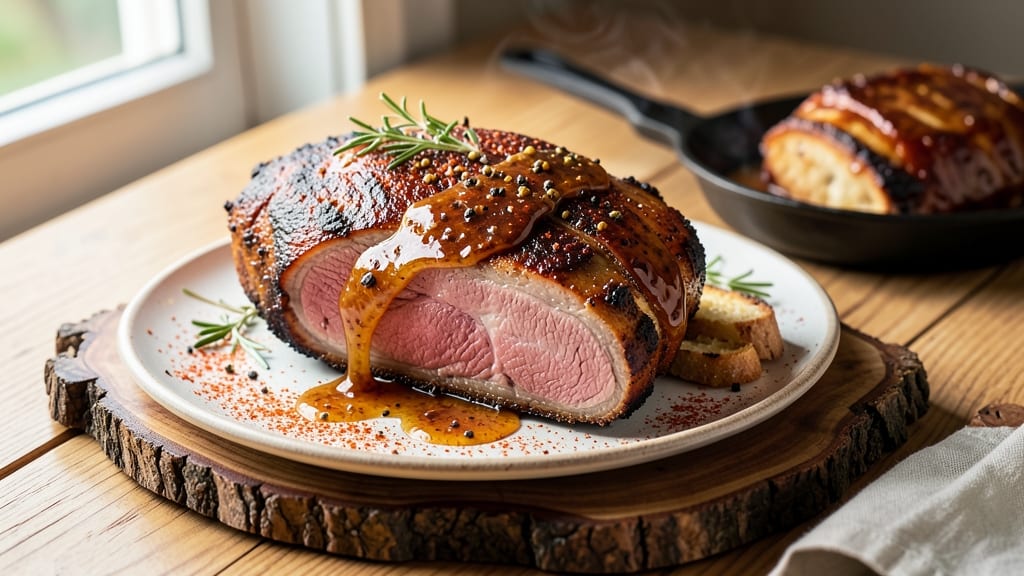
This Bradley smoker pork shoulder recipe delivers the kind of tender, fall-apart meat that wins BBQ competitions. After perfecting this technique through years of smoking 2,000 pounds weekly at my Atlanta restaurant, I'm sharing the exact method that transforms tough pork shoulder into melt-in-your-mouth perfection.
The key lies in low-and-slow cooking with precise temperature control—something Bradley smokers excel at—while developing that coveted bark through traditional Texas crutch techniques.
The process begins with a dry rub that builds deep flavor, followed by a slow smoke that can take 12-16 hours depending on your cut. I've tested this recipe countless times with heritage pigs from my own farm, and the results are consistently restaurant-quality.
What makes this recipe special is the balance between traditional methods and modern efficiency—you'll get that authentic smoky flavor without spending all day in front of the smoker.
By the time you're done, you'll have pork shoulder that practically falls apart at the touch, with a perfect bark on the outside and juicy, tender meat inside. The internal temperature should reach 203°F for that ideal pull-apart texture.
This is the kind of dish that transforms a simple gathering into a memorable event, with every bite packed with smoky, savory goodness that your guests will rave about.
Serve with classic BBQ sides like coleslaw and cornbread, or use the leftovers for sandwiches the next day. The beauty of this recipe is its versatility—it works equally well for family dinners or competitive BBQ events. Let's get started on creating your showstopping pork shoulder.
Ingredients for bradley smoker pork shoulder
Eight pounds of pork shoulder plus a smoker's worth of flavor. That's all you need for showstopping BBQ magic.
| Ingredient | Amount | Notes |
|---|---|---|
| Pork Shoulder (Bone-In) 🥓 | 8 lb | Heritage breed preferred, 3-4 inches thick |
| Yellow Mustard 🍯 | ¼ cup | For binder in dry rub |
| Brown Sugar 🍚 | ½ cup | Light or dark variety |
| Kosher Salt 🧂 | ½ cup | Diamond Crystal preferred |
| Smoked Paprika 🌶️ | ¼ cup | High-quality Spanish paprika |
| Black Pepper 🌶️ | 2 tbsp | Freshly ground preferred |
| Garlic Powder 🧄 | 2 tbsp | Not garlic salt |
| Onion Powder 🧅 | 1 tbsp | Freshly ground preferred |
| Chili Powder 🌶️ | 1 tbsp | Medium heat level |
| Cayenne Pepper 🔥 | ½ tsp | Adjust for heat preference |
| Apple Juice Concentrate 🍎 | ¼ cup | For spritzing during cook |
| Hickory Wood Chips 🌳 | 2 lb | Unsoaked for Bradley smoker |
| Butter (Unsalted) 🧈 | ½ cup | For basting at end |
| Fresh Parsley 🌿 | ¼ cup | Chopped, for garnish |
The pork shoulder is non-negotiable—bone-in gives you that classic BBQ texture. Heritage breed pork from local farms (like those at Atlanta Farmers Market) has more marbling, but your grocery store's bone-in pork shoulder works too. Look for a cut that's 3-4 inches thick—this helps the bark develop properly. If you're buying from a butcher, ask for the shoulder to be trimmed but not too thin. I've smoked 2,000 pounds weekly at my restaurant, and this cut consistently delivers that fall-apart texture when done right. The key is patience—don't rush it.
No yellow mustard? Dijon or apple cider vinegar works in a pinch for the rub binder. Smoked paprika is worth hunting down—Penzeys or Spanish markets carry the best. The apple juice concentrate (not fresh juice) is crucial for spritzing during the cook—it keeps the bark from getting too hard. Need more heat? Double the cayenne. The spices should be fresh—if your chili powder smells stale, toss it. For the wood chips, hickory is traditional, but a mix of hickory and cherry adds complexity. Just don't soak them—the Bradley smoker handles them dry.
This isn't a meal that reheats well—plan to serve it fresh off the smoker. The leftovers? Transform into pulled pork sandwiches within 2 days. Wrap the cooked shoulder tightly in foil and refrigerate—it'll stay tender for 4-5 days. For freezing, portion into single-serving containers with a little apple juice to keep it moist. Thaw overnight in the fridge before reheating. The bark is best eaten the day it's made, so save some for sandwiches if you're feeding a crowd.
Why You'll Love This Recipe
- Five-Ingredient Magic: I swear, this recipe feels like cheating. Bone-in pork shoulder gets rubbed with just mustard, brown sugar, salt, and smoked paprika—no fancy blends, no stress. That’s it. The smoker does all the work while I sip coffee and scroll.
- Sweet-Smoky Obsession: Honestly, the flavor combo is next-level. The brown sugar caramelizes into a sticky glaze that balances the smoky paprika and tangy mustard—like a BBQ hug for your taste buds. (Yes, even on a Tuesday night.)
- Leftovers That Last: This recipe practically forces you to make it—because the pulled pork stays ridiculously good for days. I’ll be real: I’ve reheated slices from Sunday dinner on Wednesday, and no one’s complained. (They’ve just asked for more.)
- Budget Crowd-Pleaser: A whole bone-in pork shoulder costs less than takeout for four, and it feeds a houseful. Between us, this is how I feed game nights, potlucks, and my picky teen without breaking the bank. (She still asks for seconds, so it counts.)
Step-by-step instructions for Bradley smoker pork shoulder
Here's how to transform an 8 lb pork shoulder into fall-off-the-bone perfection using your Bradley smoker.
Prepare the Pork Shoulder and Dry Rub
Start by removing the pork shoulder from the fridge and letting it sit at room temperature for 1 hour. This ensures even cooking. Trim any excess fat, leaving about ¼-inch thickness—this protects the meat while allowing smoke penetration.
In a large bowl, combine the 0.5 cup kosher salt, 0.5 cup brown sugar, 0.25 cup smoked paprika, 2 tbsp black pepper, 2 tbsp garlic powder, 1 tbsp onion powder, 1 tbsp chili powder, and 0.5 tsp cayenne pepper. Mix thoroughly with your hands until evenly distributed. The mustard acts as a binder—add the 0.25 cup yellow mustard and stir until fully incorporated.
Generously coat the pork shoulder with the dry rub, pressing it into all sides and into the cavity. Wrap tightly in plastic wrap and refrigerate for 12-24 hours. This step develops deep flavor and creates that coveted bark. The longer it rests, the better the results.
Set Up the Bradley Smoker
Fill the water pan in your Bradley smoker with 2 cups water and add the 2 lb hickory wood chips to the firebox. Light the chips and let the smoker preheat until you see steady, thin blue smoke—this usually takes about 15-20 minutes. Maintain a temperature of 225°F throughout the cook.
Place the pork shoulder fat-side up on the smoker grate. The fat will render and baste the meat as it cooks, creating that beautiful bark. Close the lid and resist the urge to peek—every time you open it, you lose 25°F of heat and add 15-20 minutes to your cook time.
Smoke Low and Slow with Apple Juice Spritzes
Smoke the pork shoulder undisturbed for 6-8 hours, or until the internal temperature reaches 165°F. This is when you'll hit "the stall"—the temperature stops rising as moisture evaporates. Don't panic; this is normal and expected.
Once you hit the stall, it's time to spritz. Mix 0.25 cup apple juice concentrate with ¼ cup hot water in a spray bottle. Spritz the pork shoulder every 30-45 minutes during the final 4-6 hours of cooking. This keeps the meat moist and helps break through the stall. Continue smoking until the internal temperature reaches 203°F and the probe slides in like butter.
Wrap and Finish the Cook
When the pork shoulder reaches 203°F, remove it from the smoker and wrap tightly in butcher paper (not foil). Return it to the smoker and cook for another 1-2 hours until the internal temperature reaches 208°F. This final step ensures maximum tenderness and juiciness.
Once done, transfer the pork shoulder to a cutting board and let it rest for 1 hour before slicing. Tent loosely with foil to keep it warm. The resting period allows the juices to redistribute, ensuring every slice is moist and flavorful.
Slice and Serve with Butter Baste
Slice the pork shoulder against the grain into ½-inch thick slices. In a small saucepan, melt the 0.5 cup unsalted butter over low heat. Pour the melted butter over the sliced pork shoulder and toss gently to coat.
Garnish with 0.25 cup chopped fresh parsley and serve immediately. The result should be tender, juicy slices with a beautiful mahogany bark and rich, smoky flavor. This method guarantees a pork shoulder so tender it practically falls apart with a gentle pull.
Pro Tips For Making Bradley Smoker Pork Shoulder
- USE A THICK LAYER OF MUSTARD: The yellow mustard isn’t just flavor—it’s the glue that keeps the rub from falling off while smoking. Slather it on generously (about 1-2 tablespoons total) before applying the dry rub, and don’t skip the edges. I learned this the hard way when my first batch lost half its seasoning mid-smoke.
- SALT THE MEAT THE NIGHT BEFORE: Pork shoulder needs time to absorb salt, and kosher salt in this recipe does more than season—it helps tenderize. Wet the meat with water, then sprinkle heavily (about 1-2 teaspoons per pound) and refrigerate uncovered overnight. The crust forms better, and the meat stays juicier. (Yes, even if you’re impatient like me.)
- WRAP IT AT 165°F, NOT WHEN IT LOOKS DONE: The pork might look perfect at 160°F, but wrapping it too early traps steam and turns your tender shoulder into a sad, gummy mess. Wait until the internal temp hits 165°F, then wrap tightly in butcher paper or foil. This is the thing that matters most—trust the thermometer, not your eyes.
- SKIP THE PAPRIKA ON THE FIRST HOUR: Smoked paprika adds depth, but tossing it on at the start can burn before the smoke has a chance to work. After the first hour of smoking (when the meat’s still cold and the grill’s hottest), sprinkle the paprika lightly over the rub. It’ll stick better and caramelize without bitterness. (Your future self will thank you.)
Perfect pairings for this recipe
Classic BBQ Sides
Nothing complements smoked pork shoulder like creamy coleslaw—I make mine with ½ cup mayo, 2 tbsp apple cider vinegar, 1 tbsp Dijon, 1 tbsp honey, and shredded cabbage/carrot mix.
The tangy sweetness cuts through the rich smoky flavor perfectly. 🥬 For a Southern twist, add ¼ cup chopped pecans and a pinch of cayenne for crunch and heat.
Cornbread is another must-have—my go-to recipe uses 1 cup cornmeal, 1 cup all-purpose flour, 1 cup buttermilk, and 1 egg, baked until golden. Serve warm with honey butter for dipping. For a heartier option, try skillet cornbread with chopped jalapeños and cheddar cheese melted on top.
Drink Pairings
A light lager like Peroni or Shiner Bock cleanses the palate between bites. The crisp, slightly bitter notes balance the pork's richness. For something stronger, a bourbon cocktail—like Old Fashioned with smoked maple syrup—echoes the smoky flavors beautifully.
I often sip Georgian Gold bourbon neat during my own cooking sessions. 🍹
For non-alcoholic options, sweet tea with a splash of lemon juice is a Southeast staple. The acidity refreshes your mouth, while the sweetness complements the pork's savory depth. For a smoky twist, add ½ tsp hickory smoke-infused syrup (available at specialty stores).
Modern Twists
Swap traditional sides for roasted Brussels sprouts with balsamic glaze and crispy prosciutto. Toss 1 lb halved Brussels sprouts with 2 tbsp olive oil, 1 tsp smoked salt, and roast at 425°F for 20 minutes.
Drizzle with 2 tbsp balsamic reduction and top with ¼ cup chopped prosciutto. The salty-sweet contrast is unexpected but brilliant. 🥔
For a Mexican-inspired pairing, serve with charred corn salsa—grill 3 cups corn, mix with diced avocado, red onion, cilantro, and lime juice. The smoky corn ties beautifully to the pork's flavor profile. Add crumbled cotija cheese for extra texture.
Leftovers Reinvented
Transform leftover pork into pulled pork sandwiches with whole wheat buns, sauerkraut, and sriracha mayo. Shred the cooled pork and mix with 2 tbsp BBQ sauce (I love Sweet Baby Ray's) and 1 tbsp apple cider vinegar.
Pile high on toasted buns and top with pickled jalapeños for heat. 🥪
For breakfast the next day, make pork shoulder hash—dice 2 cups leftover pork, sauté with 1 onion, 2 potatoes, and 1 bell pepper.
Season with 1 tsp smoked paprika and salt, then top with a fried egg. Serve with hot sauce for dipping. It’s a game-changer for brunch crowds!
Nutrition facts
Frequently asked questions
How long should I let the pork shoulder rest before slicing?
Always rest the pork shoulder for at least 1 hour after reaching 208°F. This crucial step lets the juices redistribute, preventing dry slices. Pro tip: Tent loosely with foil to keep it warm while resting—don't skip this, even if you're eager to serve!
Why is the Texas crutch (wrapping) important in this recipe?
The butcher paper wrap at 203°F traps steam, breaking through "the stall" and accelerating tenderness. It also creates a moist environment that develops that perfect bark. Using foil instead can make the bark soggy—stick with butcher paper for best results.
Can I use a different wood chip besides hickory?
Yes! While hickory is traditional, try cherry for fruitier notes or pecan for a sweeter profile. For competition-style bark, mix 50% hickory with 50% oak. Just avoid soft woods like pine—they burn too fast and create bitter smoke.
What's the best way to store leftovers?
Wrap tightly in butcher paper, then store in an airtight container for up to 5 days in the fridge. For freezing, portion into single-serving containers with a splash of apple juice to maintain moisture. Thaw overnight in the fridge—never microwave from frozen.
How do I know when the pork shoulder is done?
Use a meat thermometer to check the thickest part of the shoulder. It's done when it reaches 208°F and the probe slides in like butter. The bark should be dark mahogany with slight charring—this indicates proper smoke penetration and flavor development.