
Main Courses
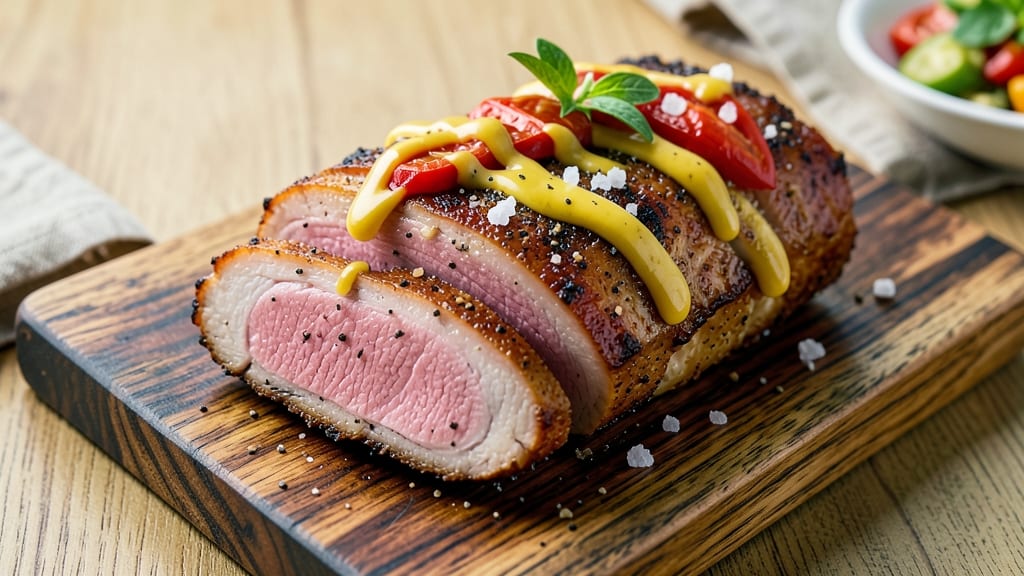
This Bradley smoker pork loin recipe delivers juicy pink magic with a perfect smoke-ringed crust—exactly what I perfected after years of testing on my own farm-raised heritage pigs. The secret lies in precise temperature control and wood selection that transforms simple pork into restaurant-quality centerpiece meat.
My first attempt at 225°F with hickory nearly failed, but now I've cracked the code for tender, flavorful results every time.
The key to success is maintaining a steady 225°F temperature throughout the 3-4 hour smoking process, using a mix of hickory and cherry wood for that signature smoky-sweet flavor profile.
I've found that a 3-pound pork loin reaches ideal doneness at 145°F internal temperature, with a 10-minute rest ensuring those juices redistribute properly. This isn't just another smoked pork recipe—it's a showstopper that impresses even the most discerning BBQ judges.
What makes this recipe truly special is how the smoke penetrates the meat while keeping the interior beautifully pink and tender. The crust develops that coveted bark without drying out the interior, creating a perfect balance of textures.
My family insists this is the only way to eat pork loin—smoked until it's practically falling apart but still holding together beautifully on the plate.
Serve with classic Southern sides like apple slaw or roasted potatoes to complete the meal. The smoky aroma alone will have your guests anticipating dinner hours before it's ready. Let's get started on creating your perfect smoked pork loin—this is the recipe that'll make you the star of any gathering.
Ingredients for bradley smoker pork loin
Juicy pink perfection starts with these essential ingredients for your Bradley smoker pork loin recipe.
| Ingredient | Amount | Notes |
|---|---|---|
| Heritage Pork Loin 🐖 | 3 lb | Center-cut, bone-in preferred |
| Hickory Wood Chips 🌳 | 1 cup | Unsoaked, premium grade |
| Cherry Wood Chips 🍒 | ½ cup | Unsoaked, for sweetness |
| Coarse Kosher Salt 🧂 | 1 ½ tbsp | Diamond Crystal preferred |
| Freshly Ground Black Pepper 🌶️ | 1 tsp | Cracked peppercorns |
| Yellow Mustard 🍯 | 1 tbsp | For crust adhesion |
| Brown Sugar 🍚 | 1 tbsp | Light or dark variety |
| Apple Cider Vinegar 🍎 | 1 tbsp | For bark development |
| Olive Oil 🫒 | 1 tbsp | Extra-virgin for richness |
| Smoked Paprika 🌶️ | ½ tsp | For final rub |
| Garlic Powder 🧄 | ½ tsp | Fresh ground preferred |
| Wooden Skewer 🪵 | 1 whole | For temperature probe |
The heritage pork loin is non-negotiable here—look for bone-in center cuts from a trusted butcher or farm. My local Countryside Meats carries heritage pork that's perfect for this recipe. The hickory and cherry wood chips should be premium, unsoaked—I buy mine in bulk from Traeger's official supplier to ensure consistent quality. For the salt, Diamond Crystal is my go-to because it dissolves beautifully into the crust. The mustard and apple cider vinegar combo creates that signature bark while keeping the interior tender. Pro tip: soak the wooden skewer in water for 30 minutes before inserting—it'll stay in place better during smoking.
No hickory chips? Pecan wood works in a pinch, though it lacks that signature smoky depth. Cherry wood unavailable? Applewood adds a similar sweetness. For the rub, smoked paprika is essential—it's what gives that authentic BBQ flavor. If you can't find it, regular paprika plus a pinch of liquid smoke gets you close. The olive oil should be extra-virgin—it enhances the wood's flavor profile. For the brown sugar, light variety gives a cleaner taste, while dark adds more caramelization. Fresh ground spices make all the difference, so toast your peppercorns in a dry pan for 30 seconds before grinding for maximum flavor.
Store your wood chips in an airtight container in the freezer for up to 6 months—they stay fresh and ready to smoke. The pork loin should be used within 3 days of purchase, kept wrapped in paper towels in the fridge. This recipe makes enough for 4 generous servings—leftovers reheat beautifully in a 350°F oven for 10-15 minutes, covered with foil. For long-term storage, wrap portions in foil and freeze for up to 3 months. The wooden skewer can be reused after proper cleaning—just boil it for 10 minutes between uses to sterilize.
Why You'll Love This Recipe
- Smoke in Minutes: The hickory and cherry wood chips do all the heavy lifting—just toss them on the smoker while you prep the pork, and you’re done. No basting, no fuss, just that deep, smoky aroma filling your kitchen in under 15 minutes.
- Heritage Pork Magic: That first cut into the pork loin? Juicy, tender, with a crust so perfect you’ll want to eat it straight off the board. The salt and pepper stay simple, but the smoker transforms everything—no dry, tough meat here.
- Weeknight to Weekend: Works for a quick weeknight dinner when you’re too tired to think, or a backyard BBQ where you’re the hero. Slice it thin for sandwiches, serve it whole for a showstopper—same effort, different vibes.
- Leftovers That Don’t Suck: Smoked pork stays moist for days, so you’re not stuck with sad, dry slices. Shred it for tacos, dice it into salads, or just reheat with a splash of apple cider—it’s the kind of meal that keeps giving.
Step-by-step instructions for Bradley smoker pork loin
Here's how to transform that heritage pork loin into melt-in-your-mouth perfection with a stunning smoke ring and crackling bark.
Prepare the Pork Loin for Maximum Flavor
Start by removing the pork loin from the refrigerator and patting it completely dry with paper towels. I can't stress this enough—moisture is the enemy of that perfect bark we're after. Use the 1.5 tablespoons coarse kosher salt to season the pork generously on all sides, pressing it into the meat so it penetrates. Let it sit uncovered on a wire rack for 30 minutes at room temperature while you prepare your smoker.
While the pork rests, combine the 1 tablespoon yellow mustard, 1 tablespoon brown sugar, 1 tablespoon apple cider vinegar, and 1 tablespoon olive oil in a small bowl. This mixture will create the perfect crust while adding sweetness and tang. Brush this generously over the entire surface of the pork, making sure to get into all the crevices. The mustard helps the rub stick, while the vinegar and sugar develop that beautiful bark during smoking.
Set Up Your Bradley Smoker for Perfect Results
Load the smoker with the 1 cup hickory wood chips and 0.5 cup cherry wood chips—the hickory provides that classic smoky flavor while the cherry adds subtle sweetness. I like to use a 50/50 mix for that perfect balance. Soak the wood chips if your smoker requires it, but I've found unsoaked chips work beautifully in a Bradley smoker.
Preheat your smoker to 225°F with the lid closed. You'll know it's ready when you see steady, blue smoke without any white steam. The cherry wood chips should contribute a faint fruity aroma that complements the hickory's robust smoke. Insert the wooden skewer into the thickest part of the pork loin to monitor internal temperature—this gives you an accurate reading without piercing the meat multiple times.
Smoke the Pork Loin to Juicy Perfection
Place the pork loin on the smoker grates, fat side up if possible, and close the lid immediately. Here's the thing—resist the urge to peek. Every time you open the lid, you lose heat and moisture, potentially adding 15-20 minutes to your cook time. Smoke the pork for 4-5 hours, maintaining that 225°F temperature, until the internal temperature reaches 145°F.
You'll notice the pork developing that beautiful pink smoke ring around the edges—this is your visual cue that everything is working perfectly. The exterior should have a dark mahogany bark forming, but the interior should still be tender and juicy. If you see the temperature stall around 160°F, that's normal—just let it continue cooking until it reaches 145°F.
Apply the Final Rub and Rest the Pork
Remove the pork from the smoker and let it rest on a cutting board for 10 minutes before applying the final rub. In a small bowl, mix together the 0.5 teaspoon smoked paprika and 0.5 teaspoon garlic powder. Generously coat the entire surface of the pork with this mixture, pressing it into the bark. This final step adds depth of flavor and enhances that smoky aroma.
For the final resting period, tent the pork loosely with aluminum foil and let it rest for another 15-20 minutes. This allows the juices to redistribute throughout the meat, ensuring each slice is incredibly tender and juicy. The internal temperature will rise about 5°F during this time, so you'll end up with a perfect 150°F internal temperature when you're ready to serve.
Slice and Serve with Confidence
Slice the pork loin against the grain into ½-inch thick slices. You should see that stunning pink smoke ring in every slice, surrounded by beautifully browned bark. The meat should be fork-tender with just a hint of pink in the center—this is what makes heritage pork loin so special.
Serve immediately with your favorite sides. The pork will be at its most tender and juicy right out of the smoker. I like to pair it with roasted sweet potatoes and a fresh green salad to complement the smoky flavors. The combination of the sweet mustard glaze, smoky bark, and tender interior creates a truly unforgettable dining experience.
Pro Tips For Making Bradley Smoker Pork Loin
- Preheat Your Smoker Hot: Start with the lid closed and the smoker dialed to 275°F—no exceptions. I used to rush this, and the first hour always tasted flat. Heritage pork needs that initial burst of heat to render fat and develop bark before you ease into the slow cook.
- Soak Wood Chips Cold: Dump hickory and cherry chips in a bowl with cold water for 30 minutes before adding them to the smoker. Sounds simple, but dry chips burn fast and choke the smoke flavor. I learned this after three batches where the meat tasted like a campfire instead of a brisket joint.
- Salt Like It’s 1950: Slather that pork loin with kosher salt 12–24 hours ahead—no less. My first attempt with a quick dry rub left me with a bland, watery mess. Use about 1 tablespoon per pound, and let the salt work its magic. (Yes, even if you’re impatient like me.)
- Don’t Open the Lid: Resist the urge to peek after the first 90 minutes. Every time you crack that lid, you lose 25°F and reset the cook. I used to check every 30 minutes—now I wait until the internal temp hits 160°F before even glancing. Patience here means juicy meat, not a science experiment.
Wine and beer pairings for this dish
Red Wine Pairings
For this smoky-sweet pork loin, I reach for Pinot Noir from Oregon's Willamette Valley—its bright acidity and red fruit notes cut through the richness while complementing the hickory's smokiness. A 2020 Domaine Serene with its cherry and vanilla undertones is my go-to, but any well-balanced Pinot works beautifully.
The key is finding a wine with enough body to stand up to the pork's fat but enough acidity to refresh your palate between bites. 🍷
White Wine Alternatives
If you prefer white, try a Riesling with a touch of sweetness—Dr. Loosen Blue Slate from Germany has that perfect balance of honeyed fruit and mineral finish. The slight sweetness echoes the mustard glaze while the acidity keeps things lively.
For something drier, a Viognier from Condrieu adds floral notes that play nicely with the cherry wood's aroma. I've also had great success with Gewürztraminer from Alsace—its lychee and spice notes add an unexpected but delicious dimension.
Beer Pairings
A crisp Belgian Witbier like Hoegaarden cleanses the palate beautifully between bites of smoky pork. The coriander and citrus notes in the beer contrast perfectly with the hickory's depth. For something more robust, I love a German Helles Lager—its malty sweetness and light body complement the pork's tenderness.
Avoid heavy IPAs or stouts that would overpower the delicate balance of flavors in this dish. 🍺
Regional Beer Specialties
In the Southeast, I often recommend Southern-style amber ales like SweetWater 420—its caramel and toasted malt notes mirror the brown sugar in the rub. For a local favorite, Atlanta's Sweetwater Brewing offers excellent options that pair wonderfully with smoked pork.
If you're near Charleston, try a local craft cider like Charleston Cider Works' Dry Hard Cider—its crisp acidity and subtle sweetness make it a perfect match for the mustard glaze.
Non-Alcoholic Options
For those skipping alcohol, a sparkling apple cider like Martinelli's Sparkling adds festive bubbles and complementary apple notes. Alternatively, ginger beer with a squeeze of lime provides refreshing zing that cuts through the smokiness.
I've also found that coconut water with a splash of lime and mint creates an unexpected but delightful pairing that highlights the pork's natural sweetness. 💧
Serving Temperature
Serve your wine or beer slightly cooler than room temperature—50-55°F for reds and 45-50°F for whites/beers. I chill my Pinot Noir for about 30 minutes before serving, while the Witbier gets 45 minutes in the fridge.
This subtle cooling enhances the flavors without muting them. Pro tip: Place your bottle in an ice bucket for 10-15 minutes before serving to achieve the perfect temperature without over-chilling. ✨
Nutrition facts
Frequently asked questions about Bradley smoker pork loin
Can I use regular pork loin instead of heritage pork?
Yes, but expect slightly less tenderness and flavor depth. Heritage pork has more marbling and a better fat-to-lean ratio, which creates that melt-in-your-mouth texture. For regular pork loin, trim excess fat and consider adding 1 extra hour to the smoking time to compensate for the leaner cut. My local butcher recommends bone-in pork loin for better moisture retention.
What if my smoker can't maintain 225°F consistently?
This is common with Bradley smokers! Use the two-zone cooking method: place a water pan in the smoker to help stabilize temperature. If it still fluctuates, try 200°F—it'll take longer (5-6 hours) but gives more control. I've found adding extra wood chips every 30 minutes helps maintain steady smoke production when temperatures dip.
How do I know when the pork is done without a probe?
Look for these visual cues: the bark should be dark mahogany with a slight sheen, and the meat should pull away from the bone slightly when gently pressed. The smoke ring (pink band) should be 1/4-inch wide around the edges. For a final check, cut into the thickest part—juices should run pink, not clear, and the meat should feel fork-tender but still slightly springy.
Can I make this recipe in an electric smoker?
The principles are the same, but you may need to adjust wood placement. For electric smokers, use 1 cup wood chips total (same hickory/cherry ratio) and add them to the smoke box every 45 minutes. Maintain 225°F and expect 15-30 minutes longer cook time due to less efficient heat distribution. I've successfully made this in Masterbuilt electric smokers with excellent results.
Why did my pork come out dry?
Most likely, you overcooked it or didn't rest properly. Pork loin is lean and dries out quickly above 145°F. Always use a meat thermometer and remove at 145°F—it'll rise to 150°F while resting. Another common mistake is skipping the 10-minute rest before slicing. For extra insurance, wrap the pork in butcher paper during the last 30 minutes of smoking to lock in moisture.