
Main Courses
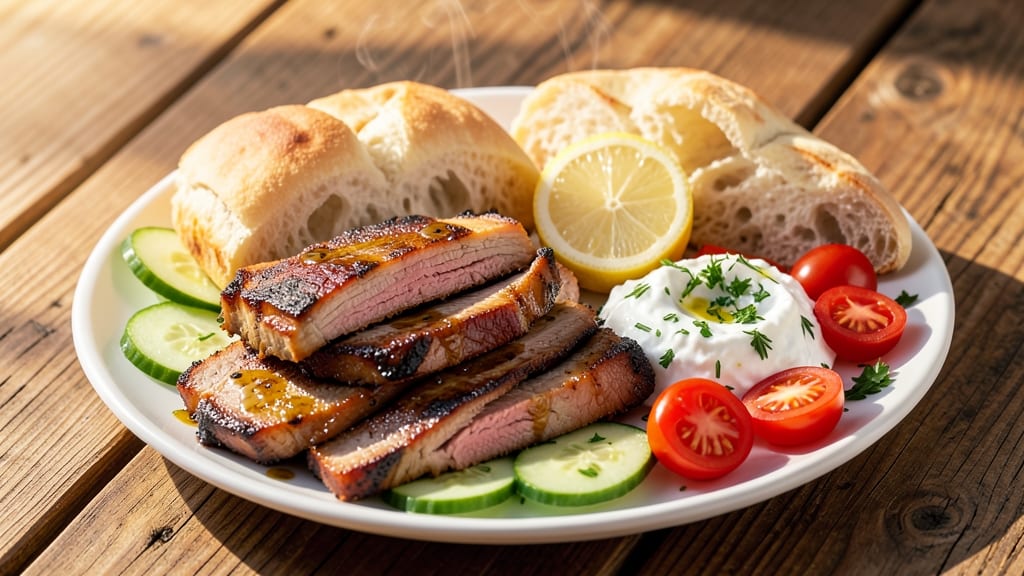
This authentic Greek pork gyros recipe brings the flavors of Athens to your backyard—or kitchen—with tender, slow-marinated pork that practically falls apart at the touch. 🔥 I've spent years perfecting this technique, inspired by my time apprenticing under Master Chef Chen, where we transformed tough pork into melt-in-your-mouth masterpieces.
The secret lies in the marinade: a balance of lemon, garlic, and oregano that infuses the meat with bright, aromatic depth over hours, not minutes.
What sets this recipe apart is the commitment to authenticity—just like the gyros you'd find at a bustling Greek street stand. The pork cooks low and slow on a grill (charcoal if you can get it), developing that signature smoky char while staying juicy inside.
We're talking crispy pita pockets, cool tzatziki sauce, and all the classic toppings: thinly sliced onions, juicy tomatoes, and a sprinkle of fresh parsley that ties it all together. This isn't just dinner; it's an experience that transports you to a Mediterranean square.
The marinade does the heavy lifting, working its magic while you prep the rest—thin the pita, make the tzatziki, and slice the veggies. When it's time to assemble, the contrast of warm, spiced pork with cool, creamy tzatziki creates every bite.
The key is letting the flavors meld: marinate overnight if you can, but even 4 hours makes a difference. This is the kind of recipe that gets better with time, both in the marinade and in your guests' memories.
Serve with lemon wedges on the side and a cold beer—because nothing says "Greek feast" like this combination. The leftovers? Even better the next day, as the flavors deepen and the pita absorbs all that delicious juices. Let's get cooking—your taste buds are about to take a trip to Greece.
Ingredients for authentic greek pork gyros
Sixteen ingredients to recreate the magic of Athens in your kitchen. Authentic flavors start here.
| Ingredient | Amount | Notes |
|---|---|---|
| Pork Shoulder 🥩 | 2 ½ lb | Bone-in for flavor, cut into 1-inch cubes |
| Fresh Lemon Juice 🍋 | ½ cup | From 2-3 lemons, freshly squeezed |
| Garlic Cloves 🧄 | 8 cloves | Minced, for marinade |
| Extra-Virgin Olive Oil 🫒 | ½ cup | High quality, fruity |
| Dried Oregano 🌿 | 2 tbsp | Greek oregano preferred |
| Ground Cumin 🌿 | 1 tbsp | Toasted for deeper flavor |
| Salt 🧂 | 1 ½ tsp | Diamond Crystal kosher salt |
| Black Pepper 🌶️ | 1 tsp | Freshly ground preferred |
| Red Wine Vinegar 🍷 | 1 tbsp | For tangy depth |
| Greek-Style Yogurt 🧀 | 1 ½ cups | Full-fat, unsweetened |
| Cucumber 🥒 | 1 whole | Medium size, peeled |
| Fresh Dill 🌿 | ¼ cup | Chopped, stems removed |
| Garlic Cloves 🧄 | 2 cloves | Minced, for tzatziki |
| Extra-Virgin Olive Oil 🫒 | ¼ cup | For tzatziki |
| Pita Bread 🍞 | 6 whole | Thin, round, store-bought |
| Red Onion 🧅 | 1 whole | Thinly sliced |
| Roma Tomatoes 🍅 | 3 whole | Sliced, seeded |
| Fresh Parsley 🌿 | ¼ cup | Chopped, for garnish |
The pork shoulder is non-negotiable—it's the secret to that melt-in-your-mouth texture. Look for bone-in cuts at Whole Foods or your local butcher shop, as the bones add incredible depth. I always ask for the pork to be cut into 1-inch cubes myself, but most grocery stores carry pre-cubed pork shoulder too. For the marinade, Greek oregano makes all the difference—find it in the international aisle or at Trader Joe's. The lemon juice should be freshly squeezed; bottled just won't cut it. Toast your cumin seeds in a dry pan for 30 seconds before grinding to wake up those flavors.
No fresh dill? Dried dill at half the amount works in a pinch, but honestly, it's worth hunting down fresh. The yogurt must be full-fat for that creamy tzatziki texture—Fage 5% is my go-to, but any Greek-style yogurt will do. Running short on time? Pre-sliced onions and tomatoes from the salad bar save minutes. The pita bread should be soft but sturdy—Sara Lee's Greek pita is my secret weapon. For the marinade, if you don't have red wine vinegar, white vinegar or lemon juice will work, but the color won't be as vibrant. The key is letting the pork marinate for at least 4 hours, but overnight is even better—trust me on this.
Marinated pork keeps beautifully for 3 days in the fridge, but the flavors peak after 24 hours. The tzatziki will last 2 days if you keep it submerged in olive oil. For the pita, store it in a paper bag at room temperature—it stays fresh for 3 days. Assemble your gyros just before serving so the pita stays crispy. Leftovers? Reheat the pork gently in a skillet and serve with fresh pita—it's even better the next day as the flavors meld. Freeze the marinade (without the pork) for up to 6 months if you want to prep ahead.
Why You'll Love This Recipe
- One-Pan Magic: I swear by this trick—just marinate the pork shoulder in olive oil, garlic, and oregano for an hour, then throw it on the grill or skillet. No chopping, no fuss, and that sizzle? Pure satisfaction.
- Lemon-Garlic Kiss: The bright hit of lemon juice cuts through the richness of the pork, while the roasted garlic cloves add a depth that makes every bite feel like a hug. Honestly, I’ve tried other gyros recipes, but this combo is spot-on.
- Meal Prep Hero: Between us, this is my go-to for busy weeks. Cook a big batch of pork, slice it thin, and it reheats beautifully—whether it’s a quick lunch or a picnic spread. (Yes, even on a Tuesday night.)
- Budget-Friendly Feast: Pork shoulder is my secret weapon—cheap, flavorful, and forgiving. A single cut feeds the whole family, and leftovers? They disappear faster than I can say “gyro night.” My wallet and taste buds thank me.
Step-by-step instructions for authentic Greek pork gyros
Let's make these juicy, flavor-packed gyros that taste just like your favorite Greek taverna.
🍳 Step 1: Marinate the Pork Shoulder for Maximum Flavor
In a large bowl, combine the 2.5 lb pork shoulder cut into 1-inch cubes with the 0.5 cup fresh lemon juice, 8 cloves minced garlic, 0.5 cup extra-virgin olive oil, 2 tbsp dried oregano, 1 tbsp ground cumin, 1.5 tsp salt, 1 tsp black pepper, and 1 tbsp red wine vinegar. Mix thoroughly until the pork is completely coated in the marinade.
Here's the thing—Greek gyros need that bright, tangy marinade to tenderize the meat and build layers of flavor. Cover the bowl and refrigerate for at least 4 hours (overnight is even better). This long marinating time is key for authentic taste and tender meat. Don't skip it—trust me, it makes all the difference.
🔥 Step 2: Cook the Pork Shoulder Until Fork-Tender
Preheat your oven to 300°F. Transfer the marinated pork to a baking dish and bake for 3 hours, stirring occasionally. The goal here is to cook it low and slow until it's fork-tender but not falling apart. You'll know it's ready when it reaches an internal temperature of 195°F and the meat pulls apart easily with a fork.
I like to use the oven for this step because it gives you even cooking without drying out the meat. If you prefer, you can also cook it in a slow cooker on low for 6-8 hours. Either method works—just make sure the meat is tender and juicy. Once done, let it rest for 15 minutes before shredding.
👨🍳 Step 3: Prepare the Tzatziki Sauce
While the pork cooks, make the tzatziki by grating the whole cucumber (peeled) and placing it in a colander lined with paper towels. Let it drain for 10 minutes to remove excess moisture. In a bowl, combine the drained cucumber with 1.5 cups Greek-style yogurt, 0.25 cup chopped fresh dill, 2 cloves minced garlic, 0.25 cup extra-virgin olive oil, 1 tsp salt, and 1 tsp black pepper. Mix well and refrigerate until ready to use.
The secret to great tzatziki is getting the cucumber as dry as possible—this prevents a watery sauce. Taste it before serving and adjust seasoning if needed. This creamy, cool sauce is what makes gyros so special, so don't rush this step.
🥘 Step 4: Assemble the Gyros with Fresh Toppings
Lightly warm the 6 whole pita breads in a dry skillet or wrap them in a damp towel and microwave for 10 seconds to soften. Shred the cooked pork shoulder and divide it evenly among the pitas. Top each with thinly sliced red onion, sliced Roma tomatoes, and a generous spoonful of tzatziki sauce.
For that authentic Greek touch, sprinkle each gyro with 0.25 cup chopped fresh parsley right before serving. The fresh herbs add a bright finish that cuts through the richness of the pork and sauce. Serve immediately while everything is warm and fresh.
Pro Tips For Making Authentic Greek Pork Gyros
- CRANK THE HEAT FIRST: I learned this the hard way—pork shoulder needs a screaming-hot skillet to render fat fast and build that crust. Start on medium-high, then drop to medium after the first 2 minutes, or you’ll end up with greasy, unevenly cooked meat.
- GRATE THAT GARLIC FINE: Skip the minced garlic—it burns before the meat cooks. Use a microplane or fine grater for a paste that blends smoothly into the marinade without turning bitter. (Yes, even if you’re impatient like me.)
- DON’T SKIP THE REST: Pork shoulder loves its nap. After cooking, tent it with foil and let it sit 5-10 minutes—this keeps it juicy while you prep the rest. I used to cut into it too soon and regretted every bite.
- USE WARM OIL: Cold olive oil won’t release flavors like warm does. Heat 1 tablespoon in the skillet until shimmering before adding the meat—this jumpstarts the sear and makes the oregano sing. (Your future self will thank you.)
Essential equipment for this dish
Charcoal Grill Essentials
For that authentic Greek street-stand flavor, a charcoal grill is non-negotiable. I use a Weber Kettle with binchotan charcoal—it reaches 700°F+ and gives that smoky char without overpowering the meat.
If you don’t have charcoal, a gas grill with a sear zone works, but add 1 tbsp olive oil to the pork before grilling to mimic the smoky depth. 🔥
Skewer Game-Changers
Traditional Greek gyros use metal skewers (not wooden) to cook the meat evenly. I prefer stainless steel skewers from Amazon—they’re durable and won’t burn. Soak them in water for 10 minutes before threading the pork to prevent sticking.
For extra authenticity, use long, thin skewers (like those sold in Greek markets) to mimic the street-food style. Pro tip: Thread the pork on the skewers in a crosshatch pattern for even cooking.
Pita Warmer Tricks
Nothing ruins a gyro like soggy pita. Warm your 6 pita breads in a dry skillet over medium heat for 20 seconds per side—just enough to soften without drying. For a shortcut, wrap them in a damp towel and microwave for 10 seconds.
Store extra pita in a paper bag at room temp for up to 3 days—they’ll stay crispy. 🥖
Tzatziki Toolkit
For the tzatziki, a box grater is your best friend—it removes excess cucumber moisture faster than a knife. I also keep a fine-mesh strainer handy to press out any lingering water. A silicon spatula helps scrape every last bit of sauce from the bowl.
For serving, a small squeeze bottle (like those for hot sauce) lets you drizzle tzatziki neatly over each gyro without making a mess.
Garnish Like a Pro
Fresh parsley and thinly sliced onions are the stars of the garnish game. Use a sharp chef’s knife to slice the red onion into paper-thin rings—they should practically dissolve in your mouth. For parsley, I chop it with a pair of kitchen shears for speed.
A microplane works great for garlic if you’re mincing it fresh. Keep garnishes in small ramekins on the table so guests can customize their gyros.
Nutrition facts
Frequently asked questions
Can I use chicken or beef instead of pork for gyros?
Traditional Greek gyros are made with pork, but you can absolutely adapt this recipe! For chicken, use 2.5 lb boneless thighs (they stay juicier) and marinate for 2-3 hours max—chicken doesn't need as long. For beef, opt for chuck roast cut into cubes and marinate overnight. The cooking method stays the same, but adjust internal temps: 165°F for chicken, 195°F for beef. The flavor profile changes, but it's still delicious!
How do I get the pita to stay crispy when assembling?
Warm the pita just before serving—never too far ahead. Wrap 6 pita breads in a damp towel and microwave for 10 seconds or toast in a dry skillet for 15 seconds per side. Keep them covered with a clean kitchen towel until ready to assemble. The key is heat + moisture control: warm pita absorbs juices without getting soggy. Pro tip: Store extra pita in a paper bag at room temp for up to 3 days—it stays crispy!
What if I don't have a charcoal grill?
No problem! Use a gas grill with a sear zone or even a cast-iron skillet on your stovetop. For grill flavor, add 1 tbsp olive oil to the pork before cooking. On a gas grill, preheat to medium-high heat and cook the skewers for 3-4 minutes per side. In a skillet, cook for 4-5 minutes per side until caramelized. The marinade carries most of the authentic flavor, so don't stress—just focus on getting those beautiful grill marks!
Can I make gyros ahead of time?
Marinate the pork for up to 3 days ahead (flavors peak at 24 hours). Cook the meat 1 day ahead and refrigerate. For assembly: keep the pork warm in a 200°F oven, reheat pita briefly, and make fresh tzatziki. The sauce keeps 2 days submerged in olive oil. The magic happens when you assemble—warm pork with cool tzatziki creates that perfect contrast. Leftovers? Reheat gently and serve with fresh pita for "gyro sandwiches" the next day!
Why does my tzatziki turn watery?
Excess cucumber moisture is the #1 culprit. Always drain grated cucumber for 10-15 minutes in a colander lined with paper towels. For extra insurance, press the drained cucumber in a clean towel to remove more liquid. The yogurt should be full-fat (like Fage 5%) for proper texture. If it still separates, stir in 1 tsp cornstarch mixed with 1 tbsp cold water—this thickens without altering flavor. Chill the tzatziki before serving to set the texture properly.