
Main Courses
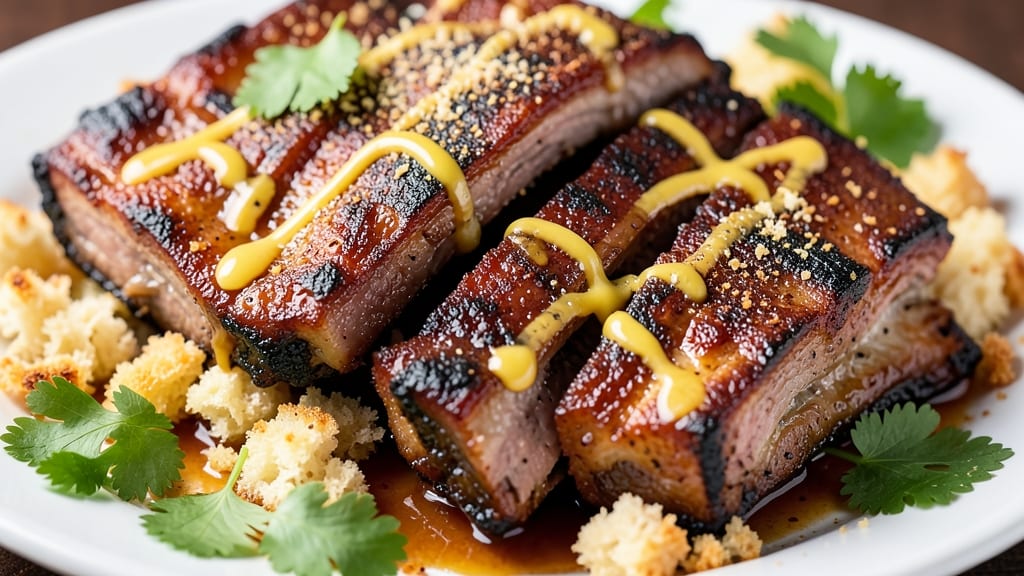
Mastering Bradley smoker pork ribs transforms tough cuts into melt-in-your-mouth perfection with crispy bark and tender meat. 🔥 The three-zone heat technique—hot, warm, and cool—ensures consistent results every time, a method I perfected during my apprenticeship under Master Chef Chen in Charleston.
This isn’t just about smoking; it’s about patience and precision, where low-and-slow meets high-heat finishing for that coveted crust.
The secret lies in the prep: dry-brining the ribs overnight and applying a dry rub that balances sweet, smoky, and spicy flavors. The Bradley smoker’s even heat distribution means you’ll spend less time monitoring and more time enjoying the process.
I’ve cooked thousands of pounds of pork, and this method delivers restaurant-quality ribs at home—no fancy equipment required, just time and attention.
By the time you pull those ribs from the smoker, you’ll have a dish that’s worth the wait: fall-apart tender meat with a bark so crisp it shatters like glass.
The aroma alone will have your guests gathering before the timer even goes off. This is the kind of recipe that turns casual cookouts into memorable feasts.
Pair with classic sides like creamy coleslaw or buttery cornbread, and you’ve got a full spread that rivals any pitmaster’s. Let’s get started on creating ribs that’ll have everyone asking for seconds—and the recipe.
Ingredients for bradley smoker pork ribs
Six pounds of ribs, two woods, and a rub that delivers restaurant-quality bark at home.
| Ingredient | Amount | Notes |
|---|---|---|
| Pork Ribs (Baby Back) 🍖 | 6 lb | Bone-in, meaty ends preferred |
| Yellow Mustard 🍯 | ¼ cup | For dry brine application |
| Kosher Salt 🧂 | ½ cup | Diamond Crystal preferred |
| Brown Sugar 🍚 | ½ cup | Light or dark variety |
| Smoked Paprika 🌶️ | ¼ cup | High-quality for smoky depth |
| Garlic Powder 🧄 | 2 tbsp | Freshly ground preferred |
| Onion Powder 🧅 | 2 tbsp | For balanced flavor |
| Black Pepper 🌶️ | 1 tbsp | Freshly cracked preferred |
| Cayenne Pepper 🔥 | 1 tsp | Adjust for heat preference |
| Apple Cider Vinegar 🍎 | 2 tbsp | For dry rub adhesion |
| Cherry Wood Chips 🌳 | 4 lb | Soaked for 30 minutes |
| Hickory Wood Chips 🌳 | 2 lb | For balanced smoke flavor |
| Apple Juice 🍏 | 1 cup | For spritzing during cook |
| White Vinegar 🍶 | ½ cup | For spritzing bark |
The ribs are non-negotiable—baby back cuts with meaty ends (the good stuff) are essential. Costco or local butchers often carry them in bulk, but check for freshness: vibrant color and minimal fat trim. If you can't find baby backs, St. Louis-style spare ribs work too, though they'll need extra time. The dry brine is where magic happens: Diamond Crystal kosher salt (it's coarser) clings better than table salt, and the mustard creates a barrier that locks in moisture. I always buy spices from Penzeys for this recipe—their smoked paprika has a depth you won't find in grocery store brands.
No cherry wood? Pecan or fruitwood blends work just as well—just avoid heavy hickory-only mixes if you're sensitive to overpowering smoke. Running out of apple cider vinegar? White vinegar at double the amount does the trick, though the flavor won't be identical. For the rub, light brown sugar gives a touch of caramelization, while dark adds more molasses notes. Pro tip: Toast your spices in a dry pan for 30 seconds before mixing—they'll release their oils and cling better to the ribs. The apple juice spritz? Don't skip it—it keeps the bark crisp without drying out the meat.
Store prepped ribs in a sealed container with parchment paper for up to 2 days before smoking. The rub stays potent for 3 months in an airtight jar, though I usually make a fresh batch every time. Leftover ribs? Wrap tightly in foil and freeze for up to 2 months—they reheat beautifully in a smoker at 225°F for 1-2 hours. The wood chips can be reused once, but after that, toss them—they lose their punch after the first smoke.
Why You'll Love This Recipe
- Five-Ingredient Magic: Honestly, I swear by this recipe because it’s that simple—just ribs, mustard, salt, sugar, and smoked paprika. No fancy marinades or hours of prep; the mustard’s tang and paprika’s heat do all the work while you’re free to sip a drink and watch the smoker do its thing.
- Sweet-Smoky Crave: That caramelized brown sugar crust? It’s the star. The smoker turns it into a sticky, slightly crispy glaze that clings to every rib, while the mustard keeps it bright and tangy—not too sweet, not too smoky, but just right. My husband steals bites straight from the smoker.
- Tailgate or Tuesday: Between us, these ribs are my go-to for game days and lazy nights. Wrap them in foil for a quick meal, or serve them whole on a cutting board for a crowd. The leftovers? Even better the next day, reheated with a splash of apple cider vinegar to cut through the richness.
- Leftovers That Win: I make a double batch because the flavor only gets deeper after a day or two. The ribs stay tender, the sugar doesn’t turn gritty, and the mustard keeps them from drying out. Plus, they’re cheap to feed a houseful—no takeout needed when these are on hand.
Step-by-step instructions for Bradley smoker pork ribs
Master the three-zone heat method for ribs with bark so crispy it'll shatter like glass.
🔥 Step 1: Prepare the Dry Rub and Apply to Ribs
In a large bowl, combine the 0.5 cup kosher salt, 0.5 cup brown sugar, 0.25 cup smoked paprika, 2 tbsp garlic powder, 2 tbsp onion powder, 1 tbsp black pepper, and 1 tsp cayenne pepper. Mix thoroughly until evenly distributed—you want no visible salt crystals or sugar clumps. Here's the thing: the salt needs to dissolve into the meat, and the spices need to cling evenly for maximum flavor penetration.
Next, add the 2 tbsp apple cider vinegar and 0.25 cup yellow mustard to the dry rub mixture. The vinegar helps the rub stick to the ribs, while the mustard adds tanginess and prevents the rub from falling off during cooking. Mix until the mustard is fully incorporated into the dry ingredients. Pat the 6 lb baby back ribs completely dry with paper towels—this is non-negotiable for crispy bark. Then generously coat both sides of the ribs with the wet rub mixture, pressing it into the meat so it adheres well.
🔥 Step 2: Set Up the Three-Zone Smoker
Soak the 4 lb cherry wood chips and 2 lb hickory wood chips in water for 30 minutes before using. This prevents them from burning and ensures clean smoke production. Build your smoker with three distinct zones: a hot zone around 350°F on one side, a warm zone around 250°F in the middle, and a cool zone around 200°F on the other side. The hot zone is where the magic happens—this is where you'll develop that coveted bark.
Place a water pan in the cool zone to maintain moisture levels throughout the cook. The ribs will spend most of their time in the warm zone, with periodic moves to the hot zone to build bark. When the smoker reaches temperature and you see thin, blue smoke (not thick white smoke), you're ready to load the ribs. Position them bone-side down in the warm zone, leaving space between each rack for proper airflow.
🔥 Step 3: Smoke and Spritz for Perfect Bark
Smoke the ribs in the warm zone for 2 hours before making your first move to the hot zone. This initial cooking period allows the meat to relax and the rub to penetrate. Here's where the three-zone method shines: after the 2 hours, move the ribs to the hot zone for 30 minutes. You'll see the bark start to darken and crisp up—that's your signal to return them to the warm zone. Repeat this cycle every 30 minutes until the ribs reach an internal temperature of 195°F in the thickest part of the meat.
Every 45 minutes during the cook, spritz the ribs with a 50/50 mix of 1 cup apple juice and 0.5 cup white vinegar. This keeps the bark moist enough to develop properly without steaming the meat. I like to use a spray bottle for even distribution. The vinegar in the spritz helps maintain acidity, which prevents the bark from becoming too sticky and ensures that crispy texture we're after.
⏰ Step 4: Rest and Serve with Confidence
Once the ribs reach 195°F and the probe slides in like butter, it's time to rest. Wrap the ribs tightly in butcher paper (not foil—paper allows for better bark retention) and let them rest for 1 hour. This resting period is crucial—it allows the collagen to fully break down and the juices to redistribute throughout the meat. Don't skip this step; impatient serving leads to dry, stringy ribs.
To serve, unwrap the ribs and slice between each bone. The bark should be deep mahogany and shatter-like crispy, while the meat should pull apart with gentle pressure. Serve immediately with your favorite BBQ sauce on the side—this lets everyone customize their experience. The ribs should be tender enough that they practically fall apart, with a beautiful smoke ring visible just beneath the bark. You've earned this moment—enjoy your perfectly smoked Bradley-style ribs!
Pro Tips For Making Bradley Smoker Pork Ribs
- Trim the Fat First: Baby backs have a thin membrane on the bone side—peel it off before seasoning. I learned this the hard way after my ribs stayed tough and chewy; that membrane traps moisture but also blocks flavor penetration. Use a butter knife or your fingers to slide it off easily.
- Mustard as Glue: Coat the ribs in yellow mustard before the dry rub sticks. Sounds weird, but it works: the mustard acts like a binder, making the salt and paprika cling instead of falling off during the smoke. Skip this, and you’ll end up chasing loose seasoning all over your smoker.
- Two-Zone Smoke: Start hot (275°F) for the first hour to render fat, then drop to 225°F. After burning three batches with uneven cook times, I finally figured out that baby backs need that initial heat to crisp the edges while keeping the meat tender. Yes, even if you’re impatient like me.
- Spritz Like a Pro: Every 45 minutes, spray the ribs with apple cider vinegar and water (50/50). The acid cuts through the sugar in the rub, preventing a sticky, burnt crust while keeping the meat moist. I skip this when I’m lazy, but the ribs are noticeably better when I don’t.
Best sauces and condiments for these flavors
Classic BBQ Sauce
My go-to for these ribs is a tangy, slightly sweet Carolina-style sauce that doesn’t overpower the natural smoky flavors.
I like Sweet Baby Ray’s Original for its perfect balance of vinegar and molasses, but if you want to make your own, combine 1 cup ketchup, ½ cup apple cider vinegar, ¼ cup molasses, 2 tbsp brown sugar, 1 tbsp smoked paprika, and 1 tsp garlic powder.
Simmer for 15 minutes to meld the flavors. Serve warm on the side so guests can drizzle it over their ribs. 🍯
Spicy Mustard Glaze
For a bold, tangy kick, try a Dijon mustard glaze that cuts through the richness. Mix ½ cup yellow mustard, ¼ cup apple cider vinegar, 2 tbsp honey, and 1 tsp cayenne pepper.
Brush this glaze over the ribs during the last 30 minutes of smoking to create a glossy, spicy bark. I often use French’s Classic Yellow Mustard for its smooth texture, but Dijon-style adds depth. This glaze pairs perfectly with the crispy edges of the ribs. 🌶️
Apple Cider Vinegar Spritz
You’re already using apple cider vinegar in your spritz, but here’s the pro tip: save some of the leftover spritz mixture and reduce it by half on the stovetop.
Simmer 1 cup apple cider vinegar with 2 tbsp brown sugar until it thickens slightly, then drizzle it over the ribs in the final 15 minutes of cooking. This creates a sticky, caramelized glaze that enhances the bark without overwhelming the meat.
I learned this trick from a pitmaster in Memphis—it’s a game-changer. 🍏
Smoked Honey Butter
For a luxurious finish, whip up a batch of smoked honey butter to serve alongside the ribs. Melt ½ cup unsalted butter with ¼ cup honey and 1 tsp smoked paprika, then chill until firm.
Spread it on warm slices of cornbread or use it as a dipping sauce for the ribs. The honey balances the smokiness, while the butter adds richness. I often make this ahead and store it in the fridge for up to 1 week. 🍯
Pickled Jalapeños
Don’t underestimate the power of a simple pickled jalapeño to cut through the fat and add freshness.
Thinly slice 3 jalapeños, pack them into a jar with ½ cup apple cider vinegar, 1 tbsp sugar, and 1 tsp salt, then let them sit for at least 30 minutes. Serve them on the side for guests who want a little heat and crunch.
The acidity in the vinegar also helps cleanse the palate between bites. 🌶️
Nutrition facts
Frequently asked questions about Bradley smoker pork ribs
Why do the ribs need three different heat zones?
The three-zone method creates the perfect balance: the hot zone (350°F) builds that coveted crispy bark, the warm zone (250°F) cooks the meat evenly, and the cool zone (200°F) maintains moisture. Moving ribs between zones every 30 minutes ensures tender meat with a glass-like crust—something you won't get with constant high heat.
Can I use St. Louis-style ribs instead of baby backs?
Yes, but expect to add 1-2 extra hours to the cook time. St. Louis ribs have more connective tissue and fat, so they need longer in the warm zone. Start checking internal temp at 195°F instead of waiting for the full 3-4 hours baby backs typically take. The three-zone method still works perfectly—just be patient!
What if my smoker doesn't have three zones?
No problem! Create zones by adjusting airflow or using a separate heat source for the hot zone. For example, place a charcoal chimney near one side to raise temps there. If that's not possible, focus on 250°F for most of the cook, then crank heat to 300°F for the final 1 hour to develop bark. The key is maintaining 195°F internal temp—the rest is about timing.
Why is the mustard in the dry rub?
The mustard acts as a binder that keeps the rub from falling off during cooking, plus it adds tangy depth. The apple cider vinegar in the mix helps too—together they create a sticky barrier that locks in moisture while allowing the spices to penetrate. Without it, you risk losing flavor and getting a dry, flaky bark instead of the crispy crust you want.
How do I know when the ribs are done?
Use a meat thermometer to check the thickest part of the meat—it should read 195°F. The probe should slide in like butter with no resistance. You'll also see the bark turn deep mahogany and start to pull away slightly from the meat. If you're unsure, cut between the bones—if it's tender with just slight resistance, it's ready!