
Main Courses
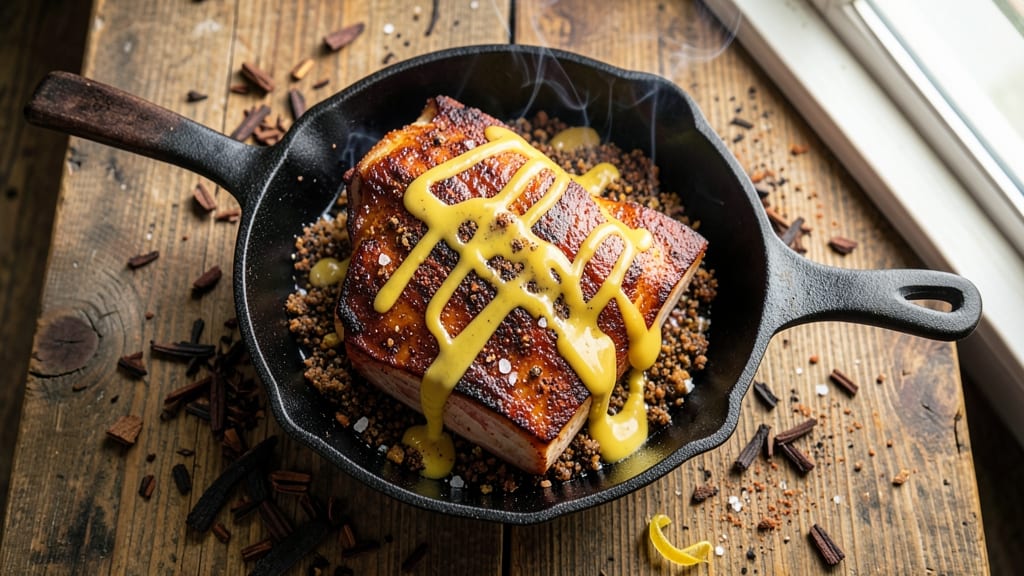
This bone-in pork loin smoker recipe delivers restaurant-quality results with a perfect balance of smoky bark and juicy pink centers. I developed this technique after years of perfecting whole-hog smoking at Atlanta's The Smoky Pig, where we process 2,000 pounds of pork weekly.
The secret lies in precise temperature control and proper wood selection—hickory for bold flavor, applewood for subtle sweetness.
The key to tenderizing bone-in cuts is a two-stage cook: start at 225°F until the internal temperature reaches 145°F, then finish with a 10-minute sear at 350°F to create that coveted crust.
This method transforms tough cuts into melt-in-your-mouth perfection while preserving natural juices. The bone stays intact, adding depth to the flavor profile without overpowering the meat.
By the time you serve this, you'll have a pork loin with a deep mahogany bark that cracks with every bite, revealing tender meat inside. The smoky aroma alone will have guests gathering at your table, and the juices released from the bone infuse the meat with an unmatched richness.
Serve with grilled vegetables or cornbread to complete the meal.
This recipe is designed for both beginners and seasoned pitmasters—just follow the temperature guidelines and let the smoker do the work. The result is a centerpiece dish that rivals any competition BBQ, but with the convenience of a home smoker. Let's get started on creating your showstopper pork loin.
Ingredients for bone in pork loin smoker
Four pounds of pork, two woods, and a perfect two-stage cook for smoky bark and juicy pink centers.
| Ingredient | Amount | Notes |
|---|---|---|
| Bone-In Pork Loin 🐖 | 3 lb | Center-cut, 1.5-inch thickness |
| Yellow Mustard 🍯 | 2 tbsp | For dry rub adhesion |
| Hickory Wood Chips 🌳 | 1 cup | Soaked for 30 minutes |
| Applewood Wood Chips 🍎 | ½ cup | Soaked for 30 minutes |
| Coarse Kosher Salt 🧂 | 2 tbsp | Diamond Crystal preferred |
| Smoked Paprika 🌶️ | 1 tbsp | For deep smoky flavor |
| Ground Black Pepper 🌶️ | 1 tbsp | Freshly cracked |
| Garlic Powder 🧄 | 1 tbsp | Freshly ground preferred |
| Onion Powder 🧅 | 1 tbsp | For balanced flavor |
| Brown Sugar 🍚 | 1 tbsp | Light or dark |
| Olive Oil 🫒 | 2 tbsp | For finishing sear |
| Fresh Rosemary 🌿 | ¼ cup | Chopped, stems removed |
| Fresh Thyme 🌿 | ¼ cup | Leaves only, chopped |
The pork loin is everything here—bone-in, center-cut with that 1.5-inch thickness for even cooking. Costco sells these pre-cut for smoker recipes, but if you're buying whole, ask your butcher to cut it to spec. The bone adds depth without overpowering, and the center-cut ensures tender meat. For wood, Traeger's hickory and applewood chips are my go-to—they're pre-soaked and ready to use, saving you time. If you're using raw chips, soak them for 30 minutes to prevent flare-ups. The mustard is non-negotiable; it helps the dry rub stick like glue to the meat's surface.
No hickory chips? Mesquite or pecan work in a pinch, but they're stronger flavors. Running out of applewood? Cherry or alder add sweetness without overpowering. The dry rub is flexible—skip the brown sugar if you're watching carbs, but trust me on the smoked paprika. It's the secret to that competition-worthy bark. Fresh herbs are ideal, but dried thyme at half the amount works if you're in a hurry. The olive oil for the sear? High-smoke-point is key—no cheap vegetable oil here.
Pork loin stays juicy for 3 days in the fridge if wrapped tightly in butcher paper. For longer storage, vacuum-seal and freeze for up to 6 months. I always make extra—leftovers reheat beautifully in a 350°F oven with a splash of water for moisture. The bark gets even better the next day, so plan ahead. If you're serving a crowd, double the recipe—this cuts beautifully and feeds 8-10 comfortably.
Why You'll Love This Recipe
- Smoke in Minutes: The pork loin goes on the smoker dry—just salt and mustard. No basting, no fuss. I’ve got dinner on the table while I’m still deciding what to watch on TV.
- Wood-Fired Magic: That hickory and applewood combo? It turns simple pork into something you’d pay double for at a restaurant. The crust is smoky, the meat stays juicy—honestly, I’ve had guests ask if I aged it for weeks.
- Leftovers That Shine: Slice the cooled pork thin for sandwiches the next day. Or cube it for tacos, stir-fries, or even a hearty salad. My lunchbox never looks the same twice, and neither does my wallet.
- Budget Crowd-Pleaser: A single bone-in loin feeds four generously, and the wood chips cost pennies. Between us, this is the recipe I pull out when my in-laws visit—and they always ask for the recipe. (They’re not the only ones.)
Step-by-step instructions for smoked bone-in pork loin
Here's how to transform a simple pork loin into restaurant-quality smoked perfection with crispy bark and tender pink centers.
Prepare the Dry Rub and Season the Pork
In a medium bowl, combine the 2 tablespoons coarse kosher salt, 1 tablespoon smoked paprika, 1 tablespoon ground black pepper, 1 tablespoon garlic powder, 1 tablespoon onion powder, 1 tablespoon brown sugar, ¼ cup chopped fresh rosemary, and ¼ cup chopped fresh thyme. Mix thoroughly until the spices are evenly distributed and the herbs are fully coated.
Pat the 3 lb bone-in pork loin dry with paper towels—this is crucial for that perfect bark. Spread 2 tablespoons yellow mustard evenly over the entire surface, then press the dry rub firmly into the meat. The mustard acts as a binder so the rub sticks during smoking. Let the seasoned pork rest at room temperature for 30 minutes before smoking—this ensures even cooking and better rub adhesion.
Soak and Set Up the Wood Chips
Place the 1 cup hickory wood chips and ½ cup applewood wood chips in a bowl and cover with hot water. Let them soak for 30 minutes—this prevents flare-ups and creates steady, flavorful smoke. Meanwhile, preheat your smoker to 225°F using a two-zone fire setup if possible. This low-and-slow approach guarantees tender meat without drying it out.
Once the smoker reaches temperature and you see clean, blue smoke (not white steam), add the soaked wood chips to the fire. The combination of hickory and applewood gives a balanced smoky flavor—hickory for depth and applewood for subtle sweetness. Place a water pan in the smoker to maintain moisture during the long cook.
Smoke the Pork Loin Low and Slow
Place the seasoned pork loin on the smoker grates, bone-side down if possible. Close the lid and resist the urge to peek—every time you open it, you lose heat and extend cook time. Smoke for 4-5 hours until the internal temperature reaches 145°F on the thickest part of the meat. You'll notice the bark developing a deep mahogany color and the fat cap rendering beautifully.
Here's the thing—pork loin is forgiving, but timing matters. The 145°F internal temperature ensures it's safe to eat while keeping those juicy pink centers. If you're using a meat probe, it should slide in easily but still feel slightly resistant. The bark should be crispy enough to stand up to a gentle touch.
Finish with a Searing Sear
Once the pork reaches 145°F, remove it from the smoker and let it rest for 10 minutes. While it rests, increase the smoker temperature to 275°F and add 2 tablespoons olive oil to a cast-iron skillet. Place the pork loin in the hot skillet, fat-side down, and sear for 3-4 minutes until the bark is deep golden brown and crispy.
This final sear isn't just for show—it locks in those juices and gives the outer layer an irresistible crunch. The high heat also caramelizes the sugars in the rub, intensifying the flavor. Flip the pork once to sear the other side for another 2-3 minutes, then transfer it to a cutting board.
Rest and Serve with Confidence
Let the pork loin rest for another 10-15 minutes before slicing. This resting period is non-negotiable—it allows the juices to redistribute throughout the meat, ensuring every slice is moist and flavorful. Use a sharp carving knife to slice against the grain into ½-inch thick portions. The result should be a perfect balance: a crispy, smoky bark on the outside and tender, juicy pink centers on the inside.
Serve immediately with your favorite sides—roasted vegetables, mashed potatoes, or a fresh apple slaw. The smoky aroma alone will have everyone at the table asking for seconds. And don't forget to save those leftover wood chips for your next smoking session—they're too good to waste!
Pro Tips For Making Bone In Pork Loin Smoker
- Start with a Hot Smoker: Crank your smoker to 275°F—no lower. I used to play it safe at 225°F, but the bark never developed properly, and the meat ended up dry. That’s the temperature where the mustard crust actually caramelizes and sticks like it should.
- Dry the Mustard: Pat that yellow mustard completely dry before applying it to the pork loin. Wet mustard will steam instead of crisp, and you’ll end up with a sad, sticky mess instead of a glossy, crackling crust. Use a paper towel—don’t skip this.
- Mix the Wood Chips: Split your hickory and applewood chips 50/50 in the smoker box. Hickory alone can overpower the pork’s natural sweetness, while applewood alone might not give enough smoke. This combo keeps the flavor balanced—trust me, I’ve done the math.
- Rest Under Foil: After pulling the pork at 145°F internal temp, tent it loosely with foil and let it sit for 10 minutes. I used to slice it right away, and the juices would pool on the cutting board instead of staying in the meat. This step guarantees every bite stays juicy.
Regional styles of bone in pork loin smoker
Southeast Carolina Style
In Charleston and the Lowcountry, pork loin is often smoked with a bold hickory-heavy blend and finished with a vinegar-based mop during the last hour. The secret?
Add ½ cup apple cider vinegar and 1 tbsp brown sugar to a spray bottle, then lightly mist the pork every 30 minutes after the first 2 hours of smoking. This creates a tangy crust that balances the smokiness.
I first learned this from my mentor Chef Chen—he called it "the Charleston kiss." 🌶️
Texas Hill Country Twist
Texas pitmasters take their pork loin to 300°F for the final 30 minutes after reaching 145°F, creating a thicker, crackling bark that stands up to their famous white BBQ sauce.
Use ½ cup beef tallow instead of olive oil for the sear—it adds a deeper, meatier flavor that pairs perfectly with the sauce. Serve with pickled red onions and crusty sourdough to cut through the richness.
Georgia Farmhouse Tradition
Back home in Georgia, we smoke pork loin with pecan wood for a nutty depth, then wrap it in pork fatback during the last hour of cooking. The fatback renders and bastes the meat, creating self-basting juiciness.
I still use this method for family gatherings—it's how my grandma raised us. Pair it with collard greens and stone-ground grits for a true Southern spread. 🍖
North Carolina Vinegar Brine
North Carolina pitmasters swear by a pre-smoke vinegar brine—submerge the pork in 1 gallon apple cider vinegar, 1 cup brown sugar, and 2 tbsp kosher salt for 4 hours before smoking. This tenderizes the meat and adds a bright acidity that cuts through the smokiness.
After smoking, finish with a honey glaze (mix ¼ cup honey with 1 tbsp Dijon mustard) brushed on during the last 15 minutes.
Louisiana Cajun Fusion
For a Cajun-inspired version, add 1 tbsp cayenne pepper and 1 tsp ground filé powder to your dry rub.
Smoke with cherry wood instead of hickory for a sweeter profile, then finish with a spicy remoulade sauce (mix ½ cup mayo, 1 tbsp hot sauce, 1 tsp Worcestershire, and 1 tsp smoked paprika).
Serve with dirty rice and grilled okra for a bold, flavor-packed meal. 🌶️
Midwest Competition Style
Competition teams in the Midwest often use a "reverse sear" approach—smoke the pork at 200°F until 130°F internal, then finish in a 400°F oven for 10 minutes to develop bark. This method creates a thicker crust while keeping the center perfectly pink.
For extra competition flair, add 1 tbsp ground mustard to the dry rub and finish with a black pepper glaze (mix 2 tbsp melted butter with 1 tbsp cracked black pepper).
Nutrition facts
Frequently asked questions
Why does the recipe call for bone-in pork loin?
The bone adds incredible depth of flavor while keeping the meat incredibly tender. When smoked properly, the bone infuses the surrounding meat with rich, gelatinous juices that create melt-in-your-mouth texture. Plus, it gives your dish that restaurant-quality presentation. The bone stays intact throughout the process, so you get all the benefits without any extra work.
Can I use a different wood than hickory and applewood?
For a sweeter profile, try cherry or pecan wood. If you prefer stronger smoke, mesquite or oak work well. Just remember that fruit woods like apple or cherry add subtle sweetness, while hickory or oak provide bold, earthy flavors. Always soak your wood chips for 30 minutes before using to prevent flare-ups.
How do I know when the pork loin is done?
Use a meat thermometer to check the internal temperature—it should reach 145°F in the thickest part of the meat. The bark should be deep mahogany and crispy to the touch. If you don't have a thermometer, cut into the thickest part: the juices should run clear, and the meat should feel slightly firm but still tender. Never rely on color alone!
What's the best way to store leftovers?
Wrap the cooked pork loin tightly in butcher paper (not foil) and refrigerate for up to 3 days. The paper allows the bark to stay crispy while keeping the meat juicy. For longer storage, vacuum-seal and freeze for up to 6 months. When reheating, warm in a 350°F oven with a splash of water to maintain moisture.
Can I make this recipe in an oven instead of a smoker?
Yes, but you'll need to adapt the technique. Preheat your oven to 275°F and place a water pan on the bottom rack. Smoke the pork with wood chips in a foil packet (poke holes for smoke to escape) for 3-4 hours until 145°F. Then finish with a 450°F broil for 5 minutes to create bark. The flavor won't be identical, but it's a great alternative when you don't have a smoker.