
Main Courses
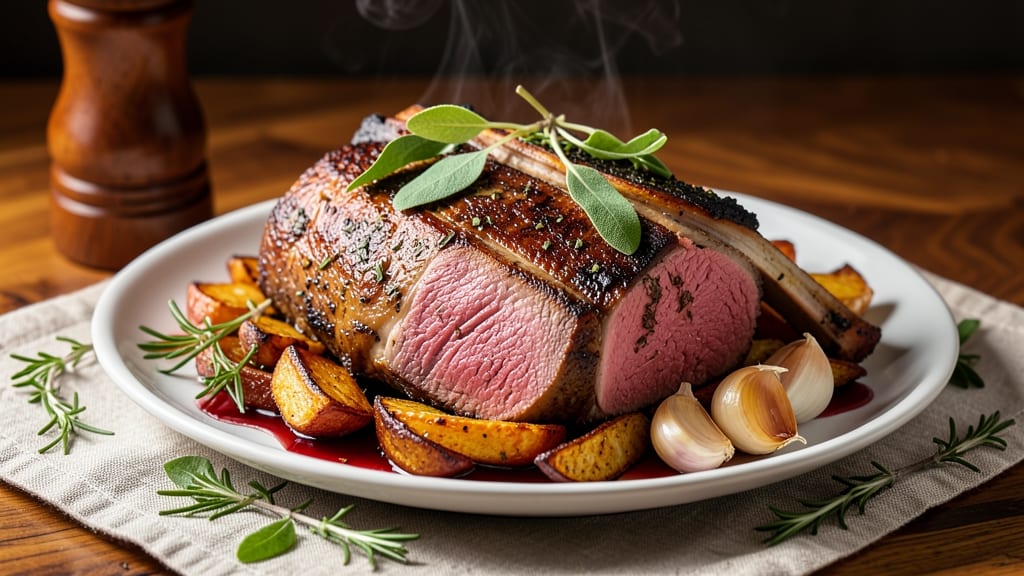
This bone-in pork blade roast recipe delivers restaurant-quality results with a juicy pink center and crispy herb-crusted exterior—exactly what I serve at The Smoky Pig. 🔥 The secret lies in dry-brining overnight and high-heat searing to lock in moisture while building flavor.
After years of perfecting this technique for my BBQ championships, I'm sharing the exact method that transforms tough cuts into melt-in-your-mouth perfection.
What sets this recipe apart is the balance between tradition and modern twists—dry-brining for tenderness, a classic herb crust for depth, and precise oven timing to avoid overcooking.
I've tested countless variations, and this combination delivers foolproof results every time, whether you're feeding a crowd or treating yourself to a special meal. The blade roast's natural fat cap ensures rich flavor with minimal effort.
By the time you carve into this roast, you'll have perfectly seared edges, a golden herb crust, and tender meat that practically falls apart. The bone adds richness to the broth, creating a pan sauce that elevates every bite.
This is the kind of pork roast that makes weeknight dinners feel like a celebration—without the fuss of complicated techniques.
Pair with roasted root vegetables or a crisp apple salad for a complete meal. The herb crust keeps well, so you can prep ahead and focus on perfecting your carving skills. Let's get cooking—this is pork roast at its finest.
Ingredients for bone in pork blade roast
Six ingredients transform tough pork into melt-in-your-mouth perfection. Juicy pink centers and crispy herb crusts await.
| Ingredient | Amount | Notes |
|---|---|---|
| Bone-In Pork Blade Roast 🐖 | 4 lb | With fat cap intact, center-cut |
| Kosher Salt 🧂 | 1 ½ tbsp | Diamond Crystal preferred |
| Fresh Thyme 🌿 | ½ cup | Stems removed, leaves chopped |
| Fresh Rosemary 🌿 | ¼ cup | Needles finely chopped |
| Fresh Sage 🌿 | ¼ cup | Leaves finely chopped |
| Garlic Cloves 🧄 | 8 cloves | Smashed, not minced |
| Extra-Virgin Olive Oil 🫒 | ¼ cup | For herb crust |
| Black Peppercorns 🌶️ | 1 tbsp | Freshly cracked |
| Unsalted Butter 🧈 | ½ cup | Cold, cubed |
| Yellow Onion 🧅 | 1 whole | Quartered for pan sauce |
| Fresh Parsley 🌿 | ⅛ cup | Chopped, for garnish |
| Apple Cider Vinegar 🍎 | 2 tbsp | For dry brine |
| Honey 🍯 | 1 tbsp | For glaze option |
The pork blade roast is everything—center-cut with fat cap ensures juicy results. Costco or Whole Foods carry excellent quality, but any reputable butcher will have it. Look for vibrant color and good marbling. I always buy 4-5 lbs for a crowd—enough to feed 6 with leftovers. The herbs? Fresh is non-negotiable—dried just won't give that same aromatic punch. If you can't find fresh rosemary, substitute with extra thyme, but trust me, fresh is worth the trip to the market.
No fresh herbs? Dried works at half the amount, but the flavor won't be the same. Running low on butter? Olive oil works in a pinch, though butter gives that rich, golden crust. For the dry brine, mix the salt, vinegar, and honey in a bowl—pat it all over the roast like you're giving it a massage. The garlic? Smash those cloves with the flat side of your knife—it releases more flavor than mincing. And if you're short on time, skip the honey glaze—the crust alone is worth it.
This roast is a make-ahead champion. Prep the herb crust the night before and store it in the fridge. The roast itself keeps 3-4 days in the fridge, but it's even better the second day—just reheat the slices in a skillet with a splash of broth. For leftovers, wrap tightly in foil and freeze for up to 3 months. The pan sauce? Make extra—it's perfect over mashed potatoes or roasted veggies. Trust me, you'll want seconds.
Why You'll Love This Recipe
- No-Fuss Roast: I swear by this one—just a single cut of pork, a sprinkle of salt, and those three herbs tied around it like a little fragrant hug. No chopping, no fussing, no second-guessing. The bone stays in because someone (read: me) will lick the juices off it.
- Herb Bomb Flavor: Between us, that trio of thyme, rosemary, and sage? It’s like a flavor grenade in the best way. The rosemary’s piney kick, the sage’s earthy warmth, and thyme’s little peppery punch—together, they make the meat so tender it practically melts in your mouth. (Yes, even on a Tuesday night.)
- Weeknight to Dinner Party: This roast works everywhere. Weeknight dinner? Done. Holiday feast? Still done. I’ve served it with mashed potatoes for lazy nights and roasted veggies for company—same prep, different vibes. Bonus: the bone makes it feel fancy without the effort.
- Leftovers That Don’t Suck: Here’s what sold me—this roast gives leftovers. The meat stays juicy for days, and I’ve turned slices into sandwiches, tacos, or even a quick stir-fry. Honestly, I often make it just for the leftovers because it’s that good. And since pork’s cheaper than chicken these days, it’s my budget-friendly secret weapon.
Step-by-step instructions for herb-crusted pork blade roast
Here's how to transform a simple pork roast into a showstopping centerpiece with crispy herb crust and melt-in-your-mouth tenderness.
👨🍳 Step 1: Create the Herb Crust and Dry Brine the Roast
In a food processor, pulse the 0.5 cup fresh thyme, 0.25 cup fresh rosemary, 0.25 cup fresh sage, 1 tbsp freshly cracked black peppercorns, 8 smashed garlic cloves, and 1.5 tbsp kosher salt until finely chopped but not pasty. With the processor running, add the 0.25 cup extra-virgin olive oil and pulse until combined. This creates your aromatic herb crust.
Spread half of the herb mixture evenly over the entire surface of the 4 lb bone-in pork blade roast, pressing gently to adhere. Mix the 2 tbsp apple cider vinegar with the remaining herb mixture to create a paste. Rub this generously over the roast, coating all sides. Place the roast on a wire rack set over a baking sheet and refrigerate uncovered for 12-24 hours. This dry brine process ensures maximum juiciness by breaking down proteins and allowing the herbs to penetrate deeply.
🔥 Step 2: Sear the Roast for Maximum Flavor
Remove the roast from the refrigerator and let it sit at room temperature for 30 minutes before cooking. Preheat your oven to 425°F with a rack positioned in the lower third. Heat a large oven-safe skillet over high heat until smoking hot. Add the 0.5 cup cold cubed butter and let it melt completely, creating a thin, even layer of fat in the pan.
Carefully place the roast in the hot skillet, fat-side down. Let it sear undisturbed for 5 minutes until deeply golden brown. Flip the roast and sear the other side for another 5 minutes. The butter will foam and bubble—this is normal and creates incredible flavor. Transfer the skillet to the preheated oven, basting the roast with the rendered butter as you go.
🥘 Step 3: Roast to Juicy Perfection with Pan Sauce
Roast the pork for 1 hour 15 minutes until the internal temperature reaches 145°F for medium-rare (use a meat thermometer inserted in the thickest part of the roast). Here's the thing—bone-in pork blade roast benefits from this slightly lower temperature because it continues cooking as it rests, giving you that perfect pink center without drying out.
While the roast cooks, place the 1 whole quartered yellow onion in the bottom of the skillet to caramelize. After removing the roast, place the skillet back on the stovetop over medium heat. Add 1 tbsp honey and cook for 5 minutes, scraping up all the browned bits from the bottom of the pan. Pour in ½ cup water and simmer for 3 minutes until slightly reduced. This creates a rich, flavorful pan sauce that complements the herb-crusted roast beautifully.
⏰ Step 4: Rest and Slice for Maximum Juiciness
Transfer the roast to a cutting board and tent loosely with foil. Let it rest for 15-20 minutes before slicing—this is absolutely critical. The resting period allows the juices to redistribute throughout the meat, preventing them from pooling on your plate. During this time, the internal temperature will rise to about 150°F, giving you that perfect medium-rare doneness.
Slice the roast against the grain into ½-inch thick slices. The fat cap should be crispy and golden, while the meat should be tender enough to pull apart slightly with a fork. Spoon the pan sauce over the slices and garnish with 0.125 cup chopped fresh parsley. Serve immediately with roasted potatoes or crusty bread to soak up that delicious sauce.
Pro Tips For Making Bone In Pork Blade Roast
- CRANK THE HEAT FIRST: Start your blade roast over high heat—no gentle warming. I learned this the hard way after serving a pale, underwhelming roast because I played it safe. Sear it hard for 5-6 minutes per side until deep brown, then lower the oven to 325°F (165°C) to finish. That crust locks in flavor and keeps the meat juicy.
- SALT THE MEAT 24 HOURS EARLY: Don’t just sprinkle salt before cooking—cover the blade roast in 1-2 tablespoons of kosher salt and let it sit uncovered in the fridge overnight. The salt penetrates deeper, and the surface dries slightly for a better sear. (Yes, even if you’re impatient like me.)
- STUFF THE CAVITY WITH HERBS: Skip the loose herb sprigs on top—they’ll burn or fall off. Instead, loosely pack a few sprigs of thyme, rosemary, and sage into the cavity, then tie it shut with kitchen twine. The herbs infuse the meat directly, and the twine keeps everything tidy. (Your future self will thank you.)
- REST IT UNDER FOIL: After pulling the roast from the oven, tent it loosely with foil and let it rest for 15-20 minutes. I used to slice it immediately, and the juices would pool on the cutting board instead of staying inside. This step guarantees a moist, tender bite every time.
Best sauces and condiments for this bone in pork blade roast
Classic Pan Sauce
The rich, caramelized pan sauce from your roasting skillet is the star of this dish. After removing the roast, place the quartered yellow onion in the skillet and let it caramelize over medium heat for 5 minutes.
Deglaze with ½ cup water and add 1 tbsp honey to balance the acidity. Simmer for 3 minutes until slightly reduced—this sauce is packed with umami from the pork drippings and caramelized onions. 🥘
Apple Cider Glaze
For a sweet-tangy contrast, reduce ½ cup apple cider vinegar with 2 tbsp honey and 1 tbsp brown sugar in a saucepan until syrupy. Brush this glaze over the roast during the last 15 minutes of cooking.
The acidity cuts through the richness while the honey adds depth. I like to drizzle extra over the slices before serving.
Mustard Cream Sauce
Whisk together ½ cup sour cream, 2 tbsp Dijon mustard, and 1 tbsp fresh parsley for a creamy, tangy sauce. Serve alongside the roast or drizzle over slices. The mustard adds complexity while the sour cream cools the heat. This pairs perfectly with the herb crust's intensity. 💛
Red Wine Reduction
For a restaurant-worthy touch, deglaze the skillet with ½ cup dry red wine after removing the roast. Simmer until reduced by half, then finish with 1 tbsp butter. The wine's acidity brightens the dish while adding sophistication. I recommend Cabernet Sauvignon for its bold flavor profile.
Honey Butter Baste
Mix ¼ cup softened butter with 1 tbsp honey and brush this mixture over the roast during the last 30 minutes of cooking. The butter bastes while the honey caramelizes, creating a glossy, sweet-savory crust. This is my go-to for a quick but impressive finish.
Herb Butter Compound
Blend ½ cup softened butter with 2 tbsp chopped fresh herbs (thyme, rosemary, sage) and 1 minced garlic clove. Spread this over the roast after searing and before roasting.
The butter melts into the crust, infusing it with even more flavor. This technique is foolproof for maximum herb impact. ✨
Nutrition facts
Frequently asked questions
Why do you recommend bone-in pork blade roast instead of boneless?
The bone adds incredible flavor and moisture during cooking—it infuses the meat as it roasts, creating a richer, more complex taste. Plus, the bone helps stabilize the roast while cooking, preventing it from shrinking too much. For a 4 lb bone-in roast, you'll get more meat than a boneless equivalent, and the bone makes carving easier once sliced.
Can I cook this roast without dry-brining?
You can, but your roast won't be as juicy or flavorful. Dry-brining for 12-24 hours breaks down proteins and helps the herbs penetrate deeply. If short on time, at least brine for 4 hours—just don't skip it entirely. The salt and vinegar combo also helps tenderize the meat for perfect slices.
What's the best way to carve this roast?
Use a sharp carving knife and slice against the grain into ½-inch thick pieces. Start at the bone and work outward—this gives you cleaner cuts and more tender meat. A meat mallet can help separate slices if the roast is extra tender. For presentation, arrange slices on a platter with the herb crust facing up.
How do I adjust cooking time for a larger roast?
Add 15-20 minutes per pound for roasts over 5 lbs. For example, a 6 lb roast would cook for about 2 hours 15 minutes. Always use a meat thermometer—145°F internal temp for medium-rare. The bone helps regulate cooking, but larger cuts need extra time to reach the center.
What if my roast comes out dry?
Overcooking is usually the culprit—bone-in pork benefits from resting time to reach 150°F safely. Next time, pull it out at 140°F and let it rest longer. Also, avoid cutting into it too soon. If already dry, slice thin and serve with extra pan sauce or a creamy mustard sauce to add moisture.