
Main Courses
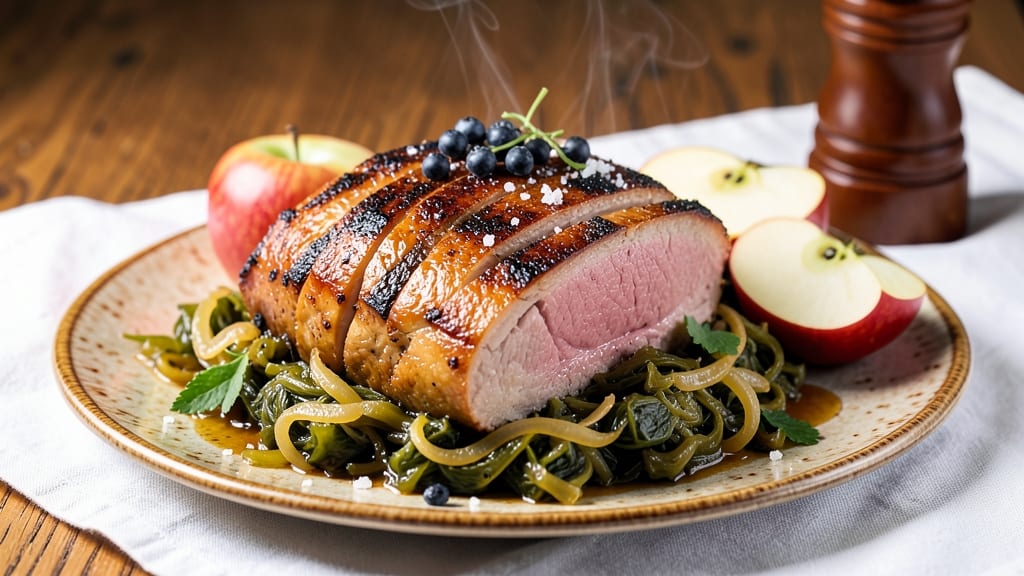
This boneless pork loin roast and sauerkraut recipe delivers restaurant-quality comfort in one pan—where tender, juicy pork meets tangy, caramelized sauerkraut for a meal that feels like a hug.
I perfected this dish after years of testing pork roasts at The Smoky Pig, where we process 2,000 pounds weekly, and it’s become a staple for feeding crowds without sacrificing flavor or ease.
The secret lies in slow-roasting the pork until fork-tender while transforming raw sauerkraut into a sweet, slightly crispy side that cuts through the richness.
The beauty of this recipe is its simplicity: just a few ingredients, one pan, and about 90 minutes of hands-off cooking time. You’ll start with a boneless pork loin roast—no fancy cuts needed—seasoned with salt, pepper, and a touch of juniper berries for that classic German touch.
While the pork rests, the sauerkraut gets warmed with apples and onions, developing a caramelized sweetness that balances the pork’s savory depth. This method ensures every bite is moist and flavorful, with no dry edges or tough textures.
What you’ll end up with is a foolproof weeknight dinner that tastes like a holiday feast—golden-brown pork slices that pull apart easily, paired with sauerkraut that’s tangy yet sweet, almost like a side dish you’d find at a German beer hall.
The pork’s natural juices keep it succulent, while the sauerkraut adds a bright, acidic contrast that makes every forkful unforgettable. Serve with crusty bread to soak up those juices, and you’ve got a meal that’s hearty enough for a family dinner but simple enough for a weeknight.
This recipe works equally well for special occasions or everyday meals—just scale the pork and sauerkraut to your crowd. The leftovers reheat beautifully, making it perfect for meal prep, and the flavors only deepen over time.
Whether you’re feeding a family or hosting dinner guests, this dish delivers restaurant-quality results with minimal effort. Let’s get cooking!
Ingredients for boneless pork loin roast and sauerkraut
Just 12 ingredients transform into a restaurant-style pork and sauerkraut masterpiece.
| Ingredient | Amount | Notes |
|---|---|---|
| Boneless Pork Loin Roast 🥩 | 2 lb | Center-cut for even cooking |
| Sauerkraut 🥬 | 2 cups | Unopened jar preferred |
| Yellow Onions 🧅 | 1 whole | Thinly sliced for caramelization |
| Apples 🍎 | 2 medium | Sweet variety like Honeycrisp |
| Juniper Berries 🌿 | 6 whole | Crushed lightly for flavor |
| Kosher Salt 🧂 | 1 ½ tsp | Diamond Crystal preferred |
| Freshly Ground Black Pepper 🌶️ | ½ tsp | Coarse grind preferred |
| Apple Cider Vinegar 🍏 | 1 tbsp | For tangy depth |
| Brown Sugar 🍚 | 1 tbsp | Lightly packed |
| Olive Oil 🫒 | 2 tbsp | Extra-virgin for richness |
| Fresh Thyme Leaves 🌿 | ¼ cup | Chopped, stems removed |
| Crusty Bread 🍞 | 1 loaf | For serving, optional |
The pork loin is the star here—center-cut stays juicier than shoulder cuts. Costco or Whole Foods carry great boneless roasts, but any grocery store’s pork loin works. Look for good marbling—it means more flavor. I always buy extra because leftovers reheat perfectly. For the sauerkraut, unopened jars taste fresher than pre-opened tubs. Bubba’s or Reese brands are my go-tos, but any jarred sauerkraut will do. The apples should be sweet—Honeycrisp or Fuji hold up best to cooking without turning mushy.
No juniper berries? Substitute 1 tsp ground allspice—it’s the closest flavor match. The apples can be swapped for pears or tart applesauce if you’re in a rush. Running low on thyme? Dried thyme at half the amount works, but fresh is worth hunting down at Trader Joe’s or farmers markets. The brown sugar adds caramelization—don’t skip it, but if you’re watching sugar, use 1 tsp maple syrup instead. For extra richness, add 1 tbsp of apple cider to the braising liquid.
This dish tastes even better the next day—flavors meld beautifully. Store pork and sauerkraut separately in airtight containers for 4-5 days. The pork freezes for 3 months if wrapped tightly in foil. For serving, toast the crusty bread and keep it warm in a 200°F oven. The sauerkraut can be reheated alone as a side—it’s that good. Double the recipe if you’re feeding a crowd—pork scales perfectly for larger groups.
Why You'll Love This Recipe
- One-Pan Magic: I swear by this recipe when I’m too tired to wash dishes—just sear the pork, toss in the onions and apples, add the sauerkraut, and let the oven do the work. No fancy techniques, no extra pots, and honestly? The cleanup is criminally easy.
- Tangy-Sweet Crunch: That sauerkraut and apple combo is where this dish gets its soul—sour, sweet, and just enough bite from the onions. The juniper berries? They add this unexpected earthy kick that makes it feel special without trying too hard.
- Weeknight to Holiday: Between us, this is my go-to for lazy Mondays and Thanksgiving leftovers. Serve it with crusty bread for a casual dinner, or dress it up with a sprinkle of fresh dill for a fancier spread. It’s that adaptable.
- Budget-Friendly Feast: A single pork loin stretches for days—sandwiches, fried rice, even breakfast hash. And sauerkraut lasts forever in the fridge, so you’re not scrambling for last-minute sides. My wallet (and my family) thank me every time.
Step-by-step instructions for braised pork loin with sauerkraut
This simple yet flavorful braise delivers melt-in-your-mouth pork with tangy, caramelized sauerkraut.
Sear the Pork Loin for Maximum Flavor
Heat the 2 tablespoons olive oil in a large Dutch oven over medium-high heat until shimmering. Pat the 2 lb boneless pork loin roast dry with paper towels—this ensures a proper sear. Season generously with 1.5 teaspoons kosher salt and 0.5 teaspoon freshly ground black pepper on all sides, pressing the seasoning into the meat.
Place the pork in the hot oil and sear for 4-5 minutes per side until deeply golden brown. You'll see the crust form and the meat release easily from the pan—this is your signal to flip. I like to press down gently on the fillet during the first minute to prevent curling. Remove the pork and set it aside on a plate, leaving all that beautiful browned fond in the pot.
Build the Aromatic Base with Onions and Apples
In the same Dutch oven, add the thinly sliced yellow onions and cook for 5-6 minutes until softened and beginning to caramelize. Add the 2 medium apples (peeled and sliced) and cook for another 3-4 minutes until they start to soften and release their sweet juices. This step develops the natural sugars in the vegetables, creating depth of flavor.
Here's where it gets good: crush the 6 whole juniper berries lightly with the side of your knife to release their piney aroma, then add them to the pot along with the 1 tablespoon brown sugar and 1 tablespoon apple cider vinegar. Stir everything together and let it cook for 1 minute until fragrant. The juniper and vinegar will infuse the onions and apples with their signature flavors.
Braise the Pork with Sauerkraut and Thyme
Return the seared pork to the Dutch oven, placing it on top of the onion-apple mixture. Add the 2 cups sauerkraut, spreading it evenly around the pork. Pour in enough water to come about halfway up the sides of the pork—about 1.5 cups should do it. The liquid should just barely cover the bottom of the pot.
Bring the mixture to a gentle simmer over medium heat, then reduce to low heat. Cover the Dutch oven with a tight-fitting lid and let it braise for 1 hour and 15 minutes. This slow cooking time is crucial—it allows the pork to become fork-tender while the sauerkraut absorbs all those delicious flavors. Check occasionally and add a splash of water if the liquid reduces too much.
Finish with Fresh Thyme and Rest the Pork
After braising, remove the lid and increase the heat to medium-high. Stir in the 0.25 cup chopped fresh thyme leaves and let the sauce reduce for 5-7 minutes until it thickens slightly and coats the back of a spoon. You want the pork to be fork-tender with an internal temperature of 203°F—use a meat thermometer to check the thickest part of the roast.
Transfer the pork to a cutting board and tent loosely with aluminum foil. Let it rest for 10-15 minutes before slicing. This resting period is essential—it allows the juices to redistribute throughout the meat, ensuring each slice is moist and flavorful. Meanwhile, spoon the tangy, thyme-infused braising liquid over the sliced pork before serving.
Pro Tips For Making Boneless Pork Loin Roast And Sauerkraut
- Trim the Fat First: Slice off any visible fat from the pork loin before seasoning—it’s the fast track to a crispier crust and less grease in your pan. I learned this the hard way after dealing with a soggy, greasy mess that ruined the texture.
- Sear Over High Heat: Get your pan screaming hot before adding the pork loin—this isn’t the time to play it safe. A deep, golden sear locks in flavor and keeps the meat juicy, but rushing it means a pale, bland surface that’ll stick like glue.
- Rinse the Sauerkraut: Drain and rinse the sauerkraut under cold water to cut the acidity—it’s the only way to balance the sharpness with the sweetness of the apples and onions. Skipping this step turns your dish into a tangy experiment instead of a harmonious bite.
- Toast the Juniper Berries: Lightly crush and toast the juniper berries in a dry pan for 30 seconds before adding them to the sauce—this releases their piney aroma and prevents them from floating like tiny, bitter ghosts in your dish. (Yes, I’ve tasted the latter. Not ideal.)
Serving suggestions for boneless pork loin roast and sauerkraut
Classic German Pairings
Serve your pork loin with a side of German-style potato dumplings (Kartoffelklöße) for the ultimate comfort combo. I like to make them with mashed potatoes, flour, and an egg, then boil until golden.
The dumplings soak up the pork juices beautifully. Don’t forget dark rye bread—its hearty texture contrasts perfectly with the tender pork. 🍞
For a lighter option, braised red cabbage adds color and acidity. Sauté ½ head of red cabbage with 1 apple, 1 tbsp caraway seeds, and a splash of vinegar. The sweet-tart flavor balances the rich pork beautifully.
American-Style Sides
If you’re serving this to an American crowd, creamy mashed potatoes are a must. Use Yukon Gold potatoes and finish with butter and sour cream for extra richness. For a heartier meal, add roasted Brussels sprouts with bacon and balsamic glaze—the crispy edges complement the sauerkraut’s tang.
Cornbread with a touch of honey is another fantastic pairing. I like to make a savory version with sharp cheddar and jalapeños for a Southern twist. The sweetness cuts through the pork’s richness while the heat adds excitement. 🌽
Beverage Pairings
A German Riesling with its crisp acidity and citrus notes is my go-to wine pairing. The slight sweetness balances the pork’s savory depth while the acidity cuts through the sauerkraut’s tang.
For beer lovers, a Helles lager or Weissbier (wheat beer) works perfectly—the light maltiness complements the dish without overpowering it. 🍷
If you prefer non-alcoholic options, sparkling apple cider adds a refreshing contrast. The bubbles cleanse your palate between bites, while the apple flavor ties back to the dish’s sweet components. For a non-fizzy choice, ginger tea with a slice of lemon enhances the juniper notes in the pork.
Garnishes and Finishing Touches
Before serving, garnish the pork slices with chopped fresh parsley for a pop of color and brightness. A drizzle of apple cider reduction—simmer ½ cup apple cider with 1 tbsp brown sugar until syrupy—adds an elegant touch. For extra crunch, sprinkle toasted breadcrumbs over the sauerkraut before serving. 🌿
For a restaurant-worthy presentation, arrange the pork slices on a platter with the sauerkraut fanned around the edges. Add a few thinly sliced apples on top of the sauerkraut for visual appeal and extra flavor. Serve with a side of warm crusty bread for soaking up those delicious juices.
Nutrition facts
Frequently asked questions
Can I use bone-in pork loin instead of boneless?
While this recipe is designed for boneless pork loin, you can adapt it for bone-in cuts like pork loin chops or a small pork tenderloin. Reduce cooking time by 15-20 minutes since bone-in cuts cook faster, and remove the bone before serving. The braising liquid will still work beautifully with the pork.
How do I know when the pork is fully cooked?
Use a meat thermometer to check the internal temperature—it should reach 203°F for perfectly tender pork. The pork will pull apart easily with a fork when done. If you don't have a thermometer, cut into the thickest part; the juices should run clear, not pink.
What if my sauerkraut is too watery?
Drain the sauerkraut in a colander for 5-10 minutes before adding it to the braise. For extra flavor, reserve 2 tablespoons of the sauerkraut liquid to use in the braising liquid. If it's still too wet after draining, add it to the pot earlier in the cooking process so it can reduce naturally.
Can I make this in a slow cooker?
Sear the pork first, then transfer everything to a 6-quart slow cooker. Cook on low for 6-7 hours or high for 3-4 hours until the pork is fork-tender. The sauerkraut will soften beautifully in the slow cooker's gentle heat, absorbing all the flavors.
How should I store leftovers?
Store the pork and sauerkraut separately in airtight containers in the fridge for up to 4-5 days. Reheat pork in a skillet with a splash of water or broth to keep it moist, and warm the sauerkraut gently on the stove. For longer storage, freeze the pork (up to 3 months) and reheat slowly in the oven.