
Main Courses
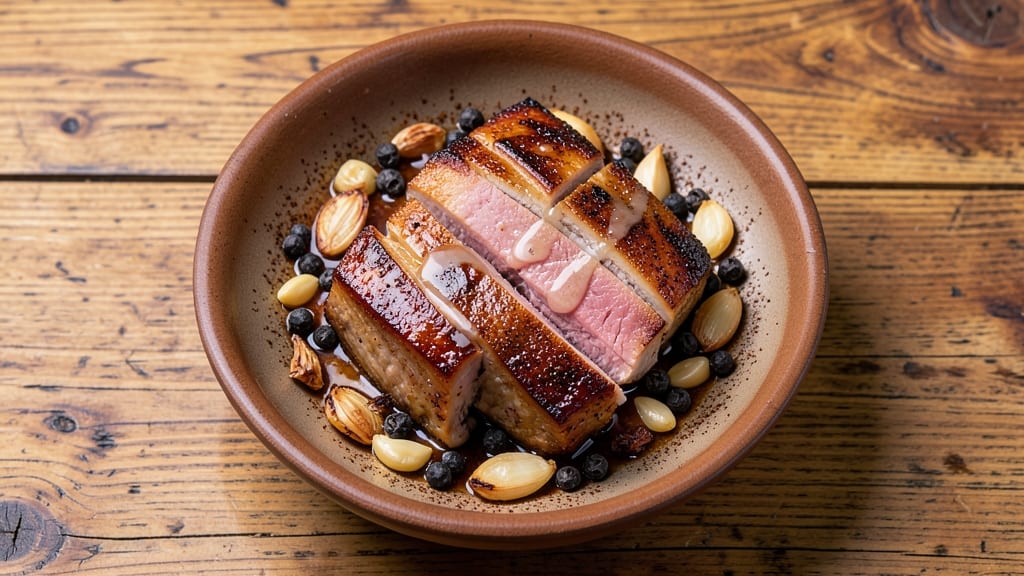
This black pepper pork Chinese recipe delivers restaurant-quality wok-seared pork with a perfect balance of fragrant five-spice and bold black pepper—just like the dish I perfected during my apprenticeship in Charleston. The secret lies in velveting the pork for tender bites and achieving that signature wok hei aroma.
I've adapted this technique for home cooks, ensuring every element comes together without requiring a professional kitchen.
The recipe begins with a marinade of black pepper, five-spice powder, and soy sauce, which transforms tough pork shoulder into melt-in-your-mouth pieces. High-heat wok searing creates a crispy exterior while keeping the interior juicy, and the aromatic spices infuse deeply for a flavor that lingers.
This dish is authentic yet approachable, making it perfect for weeknight dinners or special occasions when you want to impress.
What sets this recipe apart is the layered complexity—the smoky depth of black pepper, the warmth of five-spice, and the umami from soy and garlic. The final result is pork that's tender, crispy, and packed with flavor, served with steamed jasmine rice or stir-fried bok choy.
It's the kind of dish that transports you to a bustling Cantonese restaurant, but with a method designed for your home kitchen.
Whether you're feeding a family or hosting dinner guests, this recipe scales beautifully while maintaining its restaurant-quality appeal. The techniques are straightforward, but the results are undeniably impressive—proof that authentic Chinese cuisine can be achieved at home with the right approach. Let's get cooking!
Ingredients for black pepper pork chinese
Pork shoulder, aromatic spices, and a velveting marinade—this is your shortcut to restaurant-quality wok hei.
| Ingredient | Amount | Notes |
|---|---|---|
| Pork Shoulder 🍖 | 1 ½ lb | Boneless, cut into 1-inch cubes |
| Black Peppercorns 🌶️ | 2 tbsp | Freshly cracked, coarse grind |
| Five-Spice Powder 🌿 | 1 tbsp | Authentic Chinese blend preferred |
| Light Soy Sauce 🥄 | ½ cup | Kikkoman or Pearl River Bridge |
| Cornstarch 🌾 | 2 tbsp | For velveting marinade |
| Garlic Cloves 🧄 | 6 cloves | Minced, for marinade |
| Fresh Ginger 🌿 | 1 tbsp | Grated, for marinade |
| Sesame Oil 🫒 | 1 tbsp | Toasted, for finishing |
| Neutral Oil 🫒 | ½ cup | Peanut or vegetable oil |
| Green Onions 🧅 | ¼ cup | Sliced, for garnish |
| Salt 🧂 | 1 tsp | Kosher or sea salt |
| Shaoxing Wine 🍷 | 2 tbsp | Or dry sherry substitute |
| Baking Soda 🧪 | ½ tsp | For tenderizing pork |
| White Peppercorns 🌶️ | 1 tsp | Optional, for extra depth |
The pork shoulder is non-negotiable here—look for well-marbled cuts at Whole Foods or your local Asian market. I always grab mine from Costco when available, as the larger cuts yield more flavorful cubes. For five-spice powder, Penzeys or Spicewalla carry authentic blends, but any reputable brand works. Freshly cracked black peppercorns make all the difference—grind them yourself with a mortar and pestle for maximum aroma. Shaoxing wine can be tricky to find, but dry sherry in a pinch works beautifully. The baking soda might sound odd, but it's key for tenderizing the pork without overpowering the flavor.
No Shaoxing wine? Dry sherry or even a splash of rice vinegar will do, though the depth won't be identical. Substituting white pepper for black pepper? Use half the amount—it's milder but adds a different dimension. For the cornstarch, arrowroot powder works too, though it dissolves slightly differently. If you're short on time, skip the velveting step, but trust me—it's worth the 15 minutes to get that silky texture. The sesame oil should be toasted, not the flavored kind from the bottle—toast it yourself in a dry pan for 30 seconds for real depth. And if you're using pre-minced garlic, pat it dry first to avoid a watery marinade.
Marinated pork keeps 24 hours in the fridge, but the flavor peaks after 8-12 hours. For make-ahead convenience, freeze the marinated pork in a single layer, then transfer to a bag for up to 2 months. The cornstarch marinade can be prepped a day ahead and stored in the fridge. When reheating, use low heat and add a splash of water to prevent drying. This dish reheats beautifully, making it perfect for meal prep—portion into containers with jasmine rice for grab-and-go lunches all week.
Why You'll Love This Recipe
- One-Pan Magic: I swear by this for lazy nights—just toss the pork shoulder in a hot pan, let those peppercorns toast until the kitchen smells like a dim sum dream, then flip. The five-spice powder does all the work while I stir a single bowl of sauce. No chopping, no fuss, just hands-off flavor building.
- Crispy-Creamy Perfection: That first bite? The cornstarch crust gives way to juicy pork so tender it falls apart, all while the black pepper and five-spice punch lingers like a spice market in my mouth. Light soy sauce ties it all together—sweet enough to balance the heat, salty enough to make you crave it again tomorrow.
- Leftovers That Shine: Between us, this dish begs to be made extra. Reheat the pork in a skillet with a splash of water, and it’s just as good the third day—perfect for packed lunches or feeding unexpected guests. (Yes, even on a Tuesday night when you forgot to meal prep.)
- Budget-Friendly Powerhouse: Pork shoulder is the unsung hero of affordable meals, and this recipe turns it into something restaurant-worthy without breaking the bank. A handful of peppercorns and a teaspoon of five-spice powder stretch the flavor further than you’d think. Honestly, I’ve served this to picky eaters, and they still ask for seconds.
Step-by-step instructions for black pepper pork with Chinese five-spice
Here's how to transform tough pork shoulder into tender, aromatic bites with a perfect wok-seared crust.
Prepare the Velveting Marinade for Maximum Tenderization
In a medium bowl, whisk together the 0.5 cup light soy sauce, 2 tbsp cornstarch, 2 tbsp Shaoxing wine, 1 tbsp five-spice powder, 1 tsp salt, 0.5 tsp baking soda, and 6 cloves minced garlic. The baking soda might seem unusual, but it's the secret to breaking down the pork's connective tissue—this will give you that signature silky texture. Add the 1.5 lb pork shoulder cubes and toss until completely coated.
Let the pork marinate at room temperature for 30 minutes while you prepare the next components. The cornstarch in the marinade creates a protective layer that prevents the meat from drying out during the high-heat sear. If you're short on time, you can refrigerate the marinated pork for up to 2 hours—just bring it to room temperature before cooking.
Create the Black Pepper Crust for Intensified Flavor
In a separate small bowl, combine the 2 tbsp freshly cracked black peppercorns and 1 tsp white peppercorns. The key here is to use freshly cracked peppercorns—their oils are more potent and will create that signature peppery aroma and heat. If you're using whole peppercorns, pulse them in a spice grinder for about 10 seconds to achieve a coarse grind.
Set this pepper mixture aside—you'll use it in the final step to create that signature black pepper crust. The contrast between the tender velveted pork and the bold, crispy pepper coating is what makes this dish so memorable. Don't skip the white peppercorns—they add a subtle earthiness that complements the black pepper's sharpness.
Double-Velvet the Pork for Restaurant-Quality Tenderness
Heat a wok or large skillet over medium heat and add 0.25 cup neutral oil. Once the oil shimmers but isn't smoking, add half of the marinated pork in a single layer. Let it cook undisturbed for 2-3 minutes until the bottom develops a light golden crust. This first sear locks in the marinade and creates the foundation for that wok-seared texture.
Remove the pork to a plate and repeat with the remaining pork. Now comes the velveting process: return the pork to the wok and add 1 tbsp grated fresh ginger. Pour in 0.25 cup neutral oil and bring to a gentle simmer. Cover and cook for 10-12 minutes, stirring occasionally, until the pork is tender and the liquid has reduced. The pork should be fork-tender but not falling apart—this is where the magic happens, transforming tough pork into melt-in-your-mouth bites.
Wok-Sear for Crispy Edges and Deep Flavor
Increase the heat to high and add 0.25 cup neutral oil. Once smoking hot, add the velveted pork in a single layer. Let it sear undisturbed for 2-3 minutes until deep golden brown on the bottom. This high-heat sear creates that restaurant-quality crust while keeping the interior tender. Work in batches if needed—don't overcrowd the pan or you'll steam the pork instead of searing it.
Once all pork is seared, add the 0.25 cup sliced green onions and 1 tbsp toasted sesame oil. Toss everything together for 30 seconds to distribute the aromatics. The sesame oil adds a nutty depth that ties all the flavors together. Taste and adjust seasoning with additional light soy sauce if needed—the pork should be savory but not salty.
Finish with Black Pepper Crust for Maximum Impact
Transfer the pork to a serving platter and sprinkle generously with the black and white peppercorn mixture. The contrast between the tender velveted pork and the bold, crispy pepper crust is what makes this dish so special. Let the peppercorns sit for 1-2 minutes—this allows their oils to infuse into the hot pork, intensifying their flavor.
Garnish with additional green onions and serve immediately with steamed jasmine rice. The pork should be fork-tender with a crispy exterior, and each bite should deliver layers of savory soy, aromatic five-spice, and intense black pepper heat. This dish tastes even better the next day as the flavors meld further, so consider making extra for leftovers.
Pro Tips For Making Black Pepper Pork Chinese
- CRUSH THE PEPPERCORNS: Whole peppercorns won’t release their punch—crack them with a rolling pin or mortar before adding. I used to skip this and wondered why my dish tasted like a mild afterthought instead of bold and peppery.
- SEAR IN BATCHES: Crowd the pan, and you’ll steam the pork instead of sear it. Work in 2-inch chunks, and don’t move them until they’ve got a deep golden crust—about 3 minutes per side.
- MARINATE THE PORK SHOULDER: Toss the pork in five-spice powder, light soy sauce, and a splash of water for 15 minutes before cooking. This keeps the meat juicy and lets the flavors sink in—no sad, dry slices here.
- USE CORNSTARCH LIKE GLAZE: Skip the sloppy slurry—mix cornstarch with a little water (1:1 ratio) and brush it on the pork in the last 2 minutes of cooking. This gives you that glossy, restaurant-worthy finish without turning the sauce into glue.
Make-ahead tips for this recipe
Marinate Ahead
The pork marinade is my secret to meal prep success—it keeps for 24 hours in the fridge, and the flavors deepen over time. I always marinate mine overnight in a ziplock bag (it saves space!) and store it in the fridge.
When ready to cook, simply remove the pork from the fridge 30 minutes before cooking to bring it to room temperature. This ensures even cooking and maximum flavor infusion. 🌶️
Freeze for Later
For true convenience, freeze the marinated pork in a single layer on a tray before transferring to a freezer bag. This prevents clumping and makes it easy to portion later. Thaw overnight in the fridge before cooking—never at room temperature.
I often prep a double batch and freeze half for busy weeks. When reheating, use low heat with a splash of water to maintain moisture.
Reheat Like a Pro
This dish reheats beautifully—perfect for leftovers! I use a skillet over medium heat with 1 tbsp neutral oil to prevent drying. Add the pork and cook for 3-4 minutes, stirring occasionally.
For extra flavor, add 1 tsp Shaoxing wine or soy sauce during reheating. Microwave reheating works too, but the texture suffers—always prefer stovetop for best results. ⏰
Portion for Meal Prep
Divide the cooked pork into airtight containers with steamed jasmine rice for grab-and-go lunches. Store in the fridge for up to 4 days or freeze for 3 months. I like to pack it with a small side of pickled vegetables to cut through the richness.
When reheating, add a splash of water or broth to maintain moisture—this is especially important for frozen portions.
Spice Prep Shortcut
Pre-mix the black and white peppercorn mixture ahead of time and store it in a small airtight container. This saves you from grinding fresh peppercorns every time. The spices stay potent for 3 months if kept in a cool, dark place.
I also pre-measure the velveting marinade components in individual containers—just whisk and go when ready to cook. This is my ultimate time-saver for busy weeknights. 💡
Double Batch Strategy
Make this recipe twice and freeze one batch—trust me, you'll thank me later. I always prepare a double batch when hosting dinner parties because the flavors improve overnight. The second batch reheats just as well as the first, making it perfect for meal prep.
Store in quart-sized freezer bags with the rice already portioned out for easy assembly. This approach saves me hours of cooking during the week. 🍖
Nutrition facts
Frequently asked questions
Can I substitute pork shoulder with another cut like pork tenderloin?
While pork tenderloin is leaner and cooks faster, it won't yield the same tender, juicy results. The pork shoulder is ideal because its fat content and connective tissue break down beautifully during the velveting process. If you must use tenderloin, cut it into smaller pieces (½-inch cubes) and reduce the cooking time to 5-6 minutes during velveting. The texture will be more delicate but still delicious!
What’s the best way to achieve that signature crispy black pepper crust?
Freshly cracked black peppercorns are key! Use a mortar and pestle for maximum aroma, and toast the peppercorns in a dry pan for 30 seconds before grinding to intensify their flavor. Sprinkle them over the hot pork immediately after searing—the residual heat will make them crisp up beautifully. For extra crunch, add a pinch of cornstarch mixed with the peppercorns before tossing.
Is five-spice powder essential, or can I use individual spices?
You can substitute, but the balance is tricky! Five-spice typically includes star anise, cinnamon, cloves, fennel, and Szechuan peppercorns. For a homemade blend, use ½ tsp each of cinnamon, cloves, and fennel seeds, plus ¼ tsp star anise and Szechuan peppercorns. If you skip it, add an extra ½ tsp cinnamon and ¼ tsp cloves for warmth, but you’ll miss the complexity of the full blend.
Why does my pork turn out dry when I follow the recipe?
Overcrowding the pan or skipping the velveting step are the most common mistakes. Always work in single layers during searing, and never rush the 10-12 minute velveting time. If the pork still seems dry, reduce the oil slightly (¼ cup instead of ½ cup) and add 1 tbsp water or Shaoxing wine during the velveting process to steam the meat gently. The baking soda in the marinade also helps retain moisture!
What’s the best side dish pairing for this black pepper pork?
Steamed jasmine rice is classic, but for contrast, try stir-fried bok choy with garlic, pickled cucumbers, or scallion pancakes. The crispy texture of scallion pancakes cuts through the richness of the pork beautifully. For a heartier meal, serve with egg drop noodles or a simple cucumber salad to balance the bold flavors.