
Main Courses
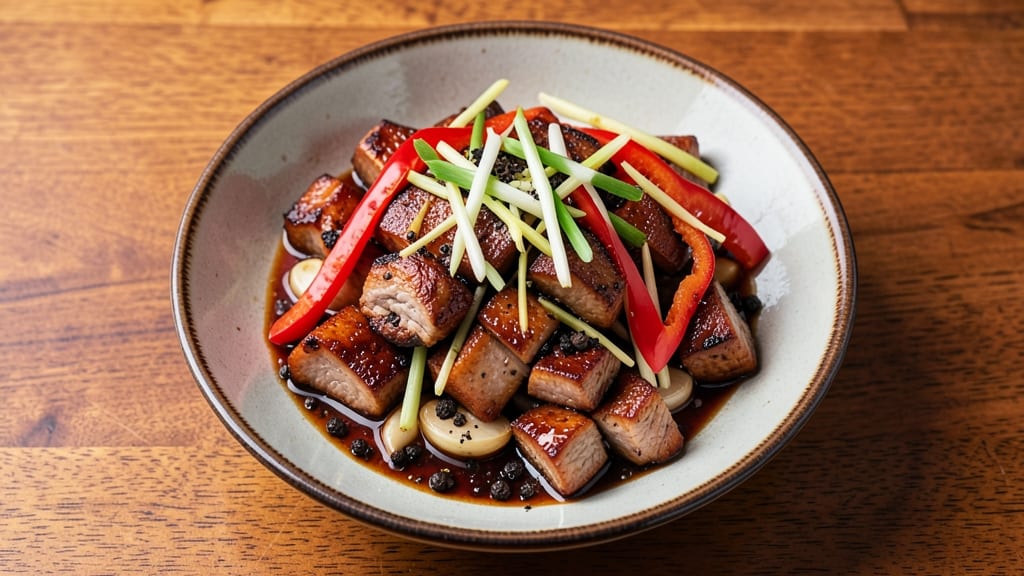
This black pepper pork stir fry delivers restaurant-quality wok heat in just 20 minutes, transforming simple ingredients into a dish with bold spice and satisfying crunch.
The secret lies in high-heat searing and a balanced pepper blend that cuts through the richness of the pork while leaving your kitchen smelling like a bustling Asian street market.
I developed this technique after years of perfecting stir-fries for my restaurant, where we serve this dish as a crowd favorite every Friday night.
The magic happens in three key steps: properly prepping the pork for maximum tenderness, wok-heating the oil until it shimmers, and tossing everything together in quick, efficient motions. We're talking crispy edges on the pork, vibrant bell peppers that stay crunchy, and a sauce that's sticky-sweet without being cloying.
The black pepper isn't just an afterthought here—it's the star that brings depth and complexity to every bite.
What you'll end up with is a dish that's equally at home on a weeknight dinner table or as part of a weekend feast.
The pork emerges perfectly seared with just a hint of char, the vegetables maintain their crisp texture, and the sauce clings to everything without overwhelming the natural flavors. This isn't your average stir-fry—it's a dish that delivers professional-quality results with minimal effort.
The best part? This recipe scales effortlessly. Double the ingredients for a crowd, or keep it as-is for a satisfying solo meal. The technique translates perfectly whether you're using a wok, cast iron skillet, or even a deep non-stick pan.
Let's get cooking—your taste buds will thank you for the bold, spicy, crunchy perfection that awaits.
Ingredients for black pepper pork stir fry
Restaurant-quality bold spice and wok-heat crunch start with these 14 essential ingredients.
| Ingredient | Amount | Notes |
|---|---|---|
| Boneless Pork Loin 🥩 | 1 ½ lb | Cut into 1-inch cubes |
| Fresh Ginger Root 🌿 | 1 inch | Peeled, finely minced |
| Black Peppercorns 🌶️ | 2 tbsp | Freshly cracked, coarse |
| Garlic Cloves 🧄 | 6 cloves | Minced, aromatic |
| Red Bell Peppers 🍅 | 2 whole | Sliced into strips |
| Green Onions 🧅 | 4 whole | White and green parts separated |
| Sesame Oil 🫒 | 1 tbsp | For aroma, not cooking |
| Vegetable Oil 🫒 | ½ cup | High smoke point |
| Soy Sauce 🥄 | ⅓ cup | Light or regular |
| Honey 🍯 | 2 tbsp | For sticky-sweet balance |
| Cornstarch 🌾 | 1 tbsp | For sauce thickening |
| Sesame Seeds 🌰 | 1 tbsp | Toasted for garnish |
| Kosher Salt 🧂 | 1 tsp | Fine grain preferred |
| White Pepper 🌶️ | ½ tsp | Freshly ground |
The pork is non-negotiable—boneless loin delivers the best texture for stir-fry. Costco or Trader Joe's carry pre-cut cubes, but if you're buying whole, ask the butcher to trim excess fat. Fresh ginger and garlic are worth the trip to the market: Asian markets often have more vibrant, less fibrous roots. The black peppercorns should be coarsely cracked—a mortar and pestle works best, but a clean coffee grinder in a pinch. Look for red bell peppers with crisp edges—they hold up better to high heat than softer varieties. If you can't find fresh ginger, substitute 1 tbsp ginger paste (just add 1 tsp water to balance).
No sesame oil? Toast 1 tsp sesame seeds in a dry pan and grind them into the sauce instead. Short on honey? Maple syrup works 1:1, though it adds a deeper caramel note. The cornstarch is crucial for that signature stir-fry sauce—skip it and you'll get a runny mess. For extra heat, add ½ tsp chili flakes to the pepper blend. Soy sauce brands vary wildly: Kikkoman is reliable, but low-sodium versions need an extra pinch of salt. The white pepper adds subtle depth without overpowering the black pepper's boldness—don't skip both or the dish loses its complexity.
Pork cubes freeze beautifully for up to 3 months—thaw overnight in the fridge before cooking. Ginger keeps 2 weeks in the fridge wrapped in damp paper towels. The sauce thickens as it sits, so reheat gently if saving leftovers. Store in airtight containers for 4-5 days in the fridge. For meal prep, double the sauce and freeze in ice cube trays—perfect for quick weeknight dinners. The sesame seeds toast in 30 seconds—don't walk away, or they'll burn.
Why You'll Love This Recipe
- Pantry-Friendly Powerhouse: I swear by this one when I forget to grocery shop—just pork, peppercorns, and whatever veggies are lurking in my fridge. No specialty items, no last-minute panic.
- Crispy-Creamy Magic: That black pepper crust on the pork? Chef’s kiss. The ginger and garlic mellow into something warm and earthy while the pork stays juicy—like a hug in a pan.
- Lunchbox Hero: Pack it cold or reheat it hot—this holds up perfectly for work lunches. My kids actually eat their veggies when they’re tossed in here (small victories).
- Leftovers That Don’t Suck: Most stir-fries turn soggy, but this? Still tastes fresh the next day. I double the batch and freeze half—weeknight savior, every time.
Step-by-step instructions for black pepper pork stir fry
Here's how to transform simple ingredients into a restaurant-worthy stir fry with deep, spicy-sweet flavors.
Prepare the Pork and Seasoning
Cut the 1.5 lb boneless pork loin into 1-inch cubes and place them in a bowl. In a small bowl, combine the 2 tbsp freshly cracked black peppercorns, 1 tsp kosher salt, and 0.5 tsp white pepper. Sprinkle this bold seasoning blend evenly over the pork and toss to coat completely. Let it sit at room temperature for 10 minutes—this ensures even cooking and maximum flavor penetration.
While the pork marinates, peel and finely mince the 1-inch fresh ginger root using a microplane or sharp knife. Mince the 6 garlic cloves and separate the 4 whole green onions into white and green parts. Slice the 2 whole red bell peppers into ½-inch strips—this size ensures they cook quickly without turning mushy. Here's the thing: fresh ginger and garlic are non-negotiable for authentic flavor, so don't substitute with powders or jarred versions.
Create the Stir Fry Sauce
In a small bowl, whisk together the 0.33 cup soy sauce, 2 tbsp honey, and 1 tbsp cornstarch. This sauce will give your stir fry that signature sticky-sweet balance with a glossy finish. The cornstarch acts as a natural thickener, so don't skip it—it's what makes the sauce cling beautifully to the pork and vegetables.
Set this sauce aside while you prep the remaining ingredients. For the sesame seeds, toast them in a dry skillet over medium heat for 1-2 minutes until fragrant and lightly golden. Remove them immediately and set aside for garnishing. The toasted seeds add a nutty crunch that contrasts perfectly with the tender pork and crisp vegetables.
Cook the Pork to Perfect Tenderness
Heat 0.5 cup vegetable oil in a large wok or skillet over high heat until shimmering. Add the seasoned pork cubes in a single layer and let them sear undisturbed for 2-3 minutes until they develop a deep golden crust. This initial sear locks in juices and builds flavor—don't move the pork until you see that beautiful caramelization.
Once the pork is browned, stir and cook for another 2-3 minutes until it's cooked through but still tender. Remove the pork from the wok and set it aside on a plate. If the pork releases easily from the pan, it's ready. If it sticks, you'll need to cook it a bit longer—this is where patience pays off for juicy results.
Stir Fry the Vegetables
In the same wok, add 1 tbsp sesame oil and swirl to coat the bottom. Add the minced ginger root and garlic cloves, cooking for 30 seconds until fragrant—this releases their full aromatic potential. Add the sliced red bell peppers and green onion whites, stir-frying for 2-3 minutes until the peppers begin to soften but still retain their vibrant color.
Return the pork to the wok along with the reserved sauce. Stir everything together vigorously for 1-2 minutes until the sauce thickens and coats the pork and vegetables evenly. The sauce should be glossy and just thick enough to cling—if it's too thin, add a splash of water or more cornstarch slurry. Taste and adjust seasoning if needed; you can always add more soy sauce for saltiness or honey for sweetness.
Finish and Serve
Remove the stir fry from heat and immediately garnish with the toasted sesame seeds and sliced green onion greens. The contrast of textures and temperatures—hot stir fry with cool garnishes—elevates the dish. Serve immediately over steamed jasmine rice or noodles to soak up every last bit of that flavorful sauce.
This stir fry delivers bold, complex flavors in every bite: the heat of black pepper, the sweetness of honey, the umami depth of soy sauce, and the freshness of ginger and garlic. The key to success lies in high heat, quick cooking, and proper seasoning—don't rush any of these steps, and you'll have a dish that's as impressive as it is delicious.
Pro Tips For Making Black Pepper Pork Stir Fry
- CUT PORK THIN NOW: Grab a sharp knife and slice the pork loin against the grain into ¼-inch thick strips—no thicker, or they’ll turn chewy. I used to rush this, but thin slices sear faster and stay tender. (Yes, it takes a few minutes, but it’s worth it.)
- CRUSH PEPPERCORNS LIKE YOU MEAN IT: Don’t just grind black peppercorns—smash them in a mortar or zip-top bag with a rolling pin until they’re tiny and fragrant. Whole peppercorns burn easily and leave bitter bits. I learned this after tasting a dish where the pepper tasted like sawdust.
- DON’T OVERCROWDLE THE PAN: Stir-fry in batches if needed—pork releases juice, and a packed pan steams instead of sears. I’ve seen people dump everything in at once, and the result? Soggy pork and dull flavors. Work in 2-3 minutes per batch for that crisp edge.
- SAUTÉ GINGER AND GARLIC FIRST: Cook the ginger and garlic until fragrant but not brown—just 30 seconds max. Overcooking turns them bitter, and that’s the last thing you want in a pepper-forward dish. (Trust me, I’ve ruined a batch by walking away.)
Serving suggestions for leftovers
Rice Pairings
Jasmine rice is my go-to base for this stir fry—its delicate floral aroma complements the bold black pepper without competing. Cook 1 cup jasmine rice with 1.5 cups water and ½ tsp salt for perfectly fluffy grains that soak up the sauce beautifully.
For extra flair, I sometimes toast the rice in the pot with 1 tbsp neutral oil for 1 minute before adding water, giving it a subtle nutty depth. 💛
Noodle Alternatives
For a heartier meal, serve over udon or soba noodles—both hold up well to the sauce's stickiness. Cook 8 oz dried noodles according to package instructions, then rinse briefly under cold water to stop cooking.
Toss with 1 tsp sesame oil before serving to enhance the dish's umami profile. I often double the sauce recipe when serving noodles to ensure full coverage.
Side Dish Harmony
A simple steamed bok choy adds freshness and color to the plate. Blanch 2 whole heads in boiling water for 2 minutes, then shock in ice water. The crisp-tender greens provide a perfect contrast to the rich stir fry.
For extra crunch, serve with quick-pickled cucumbers—slice 1 English cucumber and toss with 2 tbsp rice vinegar, 1 tsp sugar, and a pinch of salt.
Garnish Elevations
Fresh Thai basil leaves add an aromatic lift—toss ½ cup leaves into the stir fry during the final 30 seconds of cooking. For heat lovers, sprinkle chili crisp (like Sriracha Chili Crisp) over the top.
I also keep lime wedges on the table so guests can squeeze fresh juice over their portions right before eating.
Beverage Pairings
A crisp jasmine green tea cools the palate between bites, while a light lager like Asahi cuts through the richness. For something stronger, a dry Riesling from Germany brings bright acidity that complements the black pepper's heat.
I always keep a pitcher of iced hibiscus tea on hand—its tartness balances the dish's sweet-spicy profile beautifully.
Make-Ahead Serving
For meal prep, store components separately: refrigerate the cooked stir fry in an airtight container for 3-4 days. Reheat gently in a skillet with 1 tsp water to restore moisture. Serve over pre-cooked rice stored in a separate container.
For presentation, transfer to a platter and arrange garnishes artistically—sprinkle sesame seeds in a circular pattern around the edges for a restaurant-worthy finish. ✨
Nutrition facts
Frequently asked questions
Can I substitute chicken or beef for the pork?
You can absolutely try it! For chicken, use 1.5 lb boneless thighs (they stay juicier than breast) and reduce cooking time by 1-2 minutes per side. Beef works too—opt for ribeye or sirloin cut into ½-inch slices (thinner than pork cubes) and sear for 3-4 minutes total. The black pepper will still shine, but beef's richness means you might want to reduce the honey slightly to 1 tbsp.
Why does my stir fry sauce get watery?
This happens when the cornstarch doesn't activate properly. Always whisk your sauce thoroughly before adding it to the wok—cornstarch needs to be fully dissolved in the soy sauce. If it's still thin after cooking, remove the stir fry from heat, mix 1 tsp cornstarch with 1 tbsp cold water, and stir it back in. Cook for another 30 seconds until thickened. Pro tip: Keep your wok on high heat during sauce incorporation to help the thickening process.
How can I make this spicier without adding chili flakes?
For extra heat without changing the dish's character, double the black pepper to 4 tbsp and add ½ tsp ground Sichuan peppercorns (if available) for a numbing, tingling effect. Another trick: stir in 1 tsp gochujang (Korean chili paste) with the sauce ingredients. This adds depth while keeping the dish's signature bold pepper profile. Always taste as you go—you can adjust, but you can't take heat out!
Can I make this in a non-stick skillet?
Yes, but with one critical adjustment: use high heat and a 12-inch or larger skillet to mimic wok conditions. Non-stick pans excel at preventing sticking, but they don't conduct heat as well. Work in batches if needed—don't overcrowd the pan, or the pork will steam instead of sear. A cast iron skillet is actually ideal if you have one—it retains heat better than non-stick and gives you that perfect wok-like crust.
What's the secret to keeping the bell peppers crisp?
The key is timing and technique: cut peppers into ½-inch strips (not too thin) and add them to the wok just before the final sauce incorporation. Cook them for only 1-2 minutes total—any longer and they'll turn mushy. Also, use fresh, firm peppers (avoid those with soft spots). For extra crunch, shock them in ice water for 30 seconds before adding to the stir fry.