
Main Courses
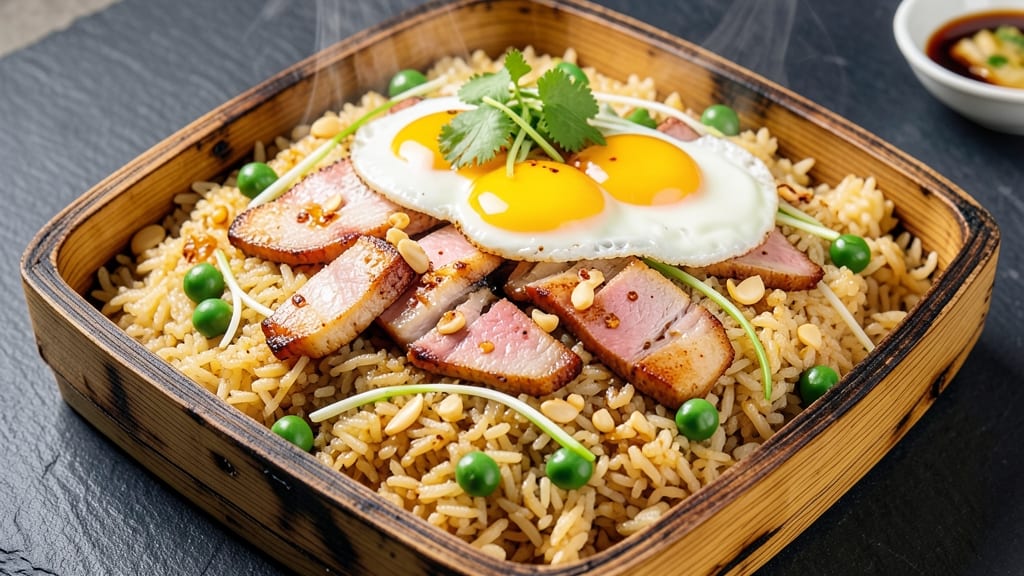
This best pork fried rice recipe ever Chinese delivers the kind of wok-heated flavor that turns ordinary rice into a restaurant-quality meal. 🔥 I've perfected the technique over years of testing—crispy edges on every grain, tender pork, and that signature smoky aroma from high-heat stir-frying.
The secret lies in using day-old rice and proper seasoning balance, which transforms simple ingredients into something extraordinary.
The foundation starts with perfectly cooked pork—thinly sliced and stir-fried until just tender, then set aside. While it rests, we prepare the rice by chilling it slightly (critical for texture) and combining it with garlic, ginger, and a savory soy sauce base.
This method ensures each bite has that authentic Chinese restaurant taste without requiring hard-to-find ingredients. The eggs add protein and richness, while peas contribute sweetness and color.
What makes this recipe truly special is the high-heat stir-frying technique that creates those coveted crispy edges on every grain. The pork gets seared to perfection while the eggs achieve that signature fluffy-yet-crispy texture.
By the time you're done, you'll have a dish that's packed with flavor, satisfyingly textured, and ready to impress anyone at your table.
Serve immediately for maximum crispiness, or keep warm in a rice cooker for family-style dining. This recipe scales beautifully for crowds, and leftovers reheat perfectly. The balance of savory, slightly sweet, and umami flavors makes it a weeknight favorite that feels like a special occasion dish. Let's get cooking!
Ingredients for best pork fried rice recipe ever chinese
The essential ingredients for restaurant-quality pork fried rice with perfect texture and wok-heated flavor.
| Ingredient | Amount | Notes |
|---|---|---|
| Day-Old Cooked Jasmine Rice 🍚 | 4 cups | Chilled slightly before cooking |
| Boneless Pork Shoulder 🐷 | 1 lb | Thinly sliced against grain |
| Large Eggs 🥚 | 3 whole | Freshly beaten for crispy texture |
| Peas 🌱 | 1 cup | Fresh or frozen, thawed |
| Green Onions 🧅 | ½ cup | Sliced thin, white and green parts |
| Garlic Cloves 🧄 | 4 cloves | Minced finely for aromatic base |
| Fresh Ginger 🌿 | 1 tbsp | Grated, for zesty depth |
| Light Soy Sauce 🍶 | ⅓ cup | Kikkoman preferred for balance |
| Dark Soy Sauce 🍶 | 1 tbsp | For rich umami color |
| Sesame Oil 🫒 | 1 tbsp | Toasted, for nutty aroma |
| Vegetable Oil 🫒 | ½ cup | High smoke point for stir-frying |
| White Wine Vinegar 🍷 | 1 tbsp | Brightens flavor profile |
| Diamond Crystal Kosher Salt 🧂 | 1 ½ tsp | Adjusts seasoning to taste |
| Ground White Pepper 🌶️ | ½ tsp | Freshly ground for subtle heat |
The pork shoulder is non-negotiable—its marbling ensures tender slices that stay juicy during stir-frying. Ask your butcher to slice it thinly against the grain for maximum tenderness. For the rice, day-old jasmine rice is critical; it's drier and absorbs flavors better. If you're short on time, cook extra rice the night before and refrigerate. The Kikkoman soy sauce delivers that authentic umami punch—don't substitute with generic brands. For garlic and ginger, fresh is essential; frozen or jarred versions lack the bright, aromatic depth this dish demands.
No fresh peas? Frozen works perfectly—just thaw and drain them well before cooking. Short on green onions? Scallions or chives will do, though the mild sweetness of green onions is ideal. The sesame oil should be toasted—heat it in a dry pan for 30 seconds before adding to the rice to enhance its nutty aroma. For the eggs, room temperature makes all the difference in achieving that signature crispy-yet-creamy texture. If you're making this for a crowd, double the pork and eggs while keeping the rice-to-egg ratio consistent—about 1 cup rice per egg.
The high-heat stir-frying technique requires vegetable oil with a high smoke point—avoid olive oil, which burns easily. Store any leftovers in an airtight container for up to 3 days in the fridge, though they're best enjoyed fresh. For reheating, add a splash of water and stir-fry over medium heat to restore crispiness. The dish freezes beautifully for up to 3 months—portion into single servings before freezing to maintain texture. Always use a wok or large skillet for even heat distribution, and never overcrowd the pan to ensure those coveted crispy edges on every grain.
Why You'll Love This Recipe
- One-Pan Magic: I swear by this trick—no extra dishes, just one wok or skillet where everything happens: pork sizzling, eggs scrambling into the rice, and those peas popping like tiny green fireworks. Honestly, my kitchen sink stays cleaner than it has in years.
- Crispy-Tender Pork: That pork shoulder? It’s the star—chewy at the edges, tender inside, and packed with flavor from the soy sauce and garlic. I’ll be real: my kids used to turn up their noses at pork fried rice, but now they fight over the chunks.
- Lunchbox Hero: Between us, this is my go-to for packed lunches or feeding a crowd. Toss in some extra green onions for color, pack it in containers, and boom—no sad, soggy leftovers. (Yes, even on a Tuesday night.)
- Budget Win: Pork shoulder stretches forever, and using day-old rice means less waste. I make a big batch on Sunday, and by Thursday, I’m still eating it—no takeout in sight. Plus, eggs and peas? Always affordable staples.
Step-by-step instructions for perfect wok-heated pork fried rice
Master this Chinese classic with restaurant-quality technique—crispy eggs, tender pork, and wok-hei flavor in every bite.
🍳 Step 1: Prep and Sear the Pork Shoulder
Slice the 1 lb boneless pork shoulder thinly against the grain into ¼-inch thick strips. Heat 1 tablespoon vegetable oil in a wok or large skillet over high heat until shimmering. Add the pork in batches and sear for 2-3 minutes until golden brown and slightly charred at the edges.
Remove the pork and set aside. The high heat creates that signature wok-hei flavor while keeping the meat tender. Don't overcrowd the pan—work in batches if needed. This initial sear builds the foundation for all that umami flavor in your fried rice.
🍳 Step 2: Stir-Fry Aromatics and Peas
Add the remaining 0.4 cup vegetable oil to the same wok and heat over medium-high heat. Add 4 cloves minced garlic and 1 tbsp grated fresh ginger, stirring constantly for 30 seconds until fragrant but not browned. Add 1 cup peas and stir-fry for 2 minutes until heated through and slightly blistered.
Here's where the flavor really starts building. The garlic and ginger should smell vibrant and fresh—this is your aromatic base. The peas will soften just enough to become part of the rice texture without turning mushy. Keep the heat medium-high to maintain that wok-hei essence throughout the cooking process.
👨🍳 Step 3: Scramble the Eggs Perfectly
Push the aromatics and peas to one side of the wok. Add the 3 whole large eggs to the empty space and scramble quickly over medium-high heat for 20-25 seconds until they form soft, slightly runny curds. Immediately mix with the peas and aromatics, breaking up any large egg chunks.
This is the moment that matters: you want those eggs to be just set but still slightly moist for that signature crispy-yet-creamy texture. Overcooking here will make your fried rice dry. Work quickly but gently—you're not frying, you're just scrambling to create those beautiful, delicate egg strands.
🥘 Step 4: Combine and Season the Rice
Add the 4 cups chilled day-old jasmine rice to the wok, breaking up any clumps with your spatula. Stir-fry for 1-2 minutes until the rice is heated through and begins to release its aroma. Add the seared pork back to the wok and mix everything together.
Now for the seasoning—this is where the magic happens. Add 0.33 cup light soy sauce, 1 tbsp dark soy sauce, 1 tbsp white wine vinegar, 1.5 tsp kosher salt, and 0.5 tsp ground white pepper. Toss everything vigorously for 1-2 minutes until the rice is evenly coated and the sauce is absorbed.
🔥 Step 5: Finish with Sesame Oil and Garnish
Remove the wok from heat and stir in 1 tbsp toasted sesame oil. This final touch adds that nutty aroma and rich depth of flavor. Taste and adjust seasoning if needed—you might want to add a splash more light soy sauce or a pinch of salt to balance the flavors.
Garnish with 0.5 cup sliced green onions and serve immediately. The rice should be hot, with each grain distinct yet coated in flavorful sauce. The eggs should be crispy around the edges but still slightly soft inside, and the pork should be tender with a slight char. This is the perfect balance of textures and flavors that makes this fried rice truly exceptional.
Pro Tips For Making Best Pork Fried Rice Recipe Ever Chinese
- CRACK THE EGGS FIRST: Your eggs should hit the pan before anything else—no waiting. Scramble them fast on high heat until just set (about 20 seconds), then push them to one side. This keeps them tender and prevents them from turning rubbery when the rest of the ingredients crowd in later.
- CUT PORK SMALL AND UNIFORM: Slice the pork shoulder into ½-inch cubes—no bigger, no smaller. I used to leave some chunks uneven, and they’d end up either raw in the center or overcooked and dry. A sharp knife and steady hand make all the difference here.
- DON’T OVERSTIR THE RICE: After adding the rice, stir once to distribute it, then let it sit untouched for 10 seconds. This lets the bottom crisp slightly before you fold it in—your future self will notice the texture improvement. (Yes, even if you’re impatient like me.)
- FREEZE THE PEAS: Skip fresh peas—they turn to mush. Use frozen peas straight from the bag, no thawing. They’ll release flavor as they warm up without turning into a sad, watery paste. (And no, you don’t need to blanch them first.)
Best sauces and condiments for best pork fried rice recipe ever chinese
Soy Sauce Secrets
The foundation of authentic flavor lies in the right soy sauce blend. I always use Kikkoman light soy sauce for its balanced saltiness and umami depth, plus 1 tbsp dark soy sauce for that signature rich color. The dark soy adds visual appeal while enhancing the savory profile.
For extra depth, I sometimes add 1 tsp oyster sauce—it brings a briny sweetness that elevates the dish. Never use low-sodium soy sauce here; the salt content is crucial for that restaurant-quality taste. 🍶
Sesame Oil Magic
Toasted sesame oil is non-negotiable for that nutty aroma that transports you straight to a Chinese wok. Heat 1 tbsp sesame oil in a dry pan for 30 seconds until it smells deeply aromatic, then stir it into the finished rice just before serving.
This final touch adds complexity without overpowering. I keep a small bottle of toasted sesame oil in my pantry specifically for fried rice—it's worth the investment. The oil should be toasted, not raw, for maximum flavor impact.
Vinegar Brightness
A splash of white wine vinegar cuts through the richness and adds brightness to each bite. I use 1 tbsp for the entire dish, but taste as you go—sometimes I add an extra ½ tsp if the rice tastes too heavy.
The acidity also helps balance the saltiness from the soy sauce. For a vegetarian version, I'll sometimes use a bit of rice vinegar instead, but white wine vinegar gives that classic Chinese restaurant tang. 🍷
Ginger-Garlic Base
Fresh ginger and garlic are the aromatic soul of this dish. I always use 4 cloves minced garlic and 1 tbsp grated fresh ginger—never powdered or jarred. The freshness makes all the difference in that wok-hei flavor.
For extra depth, I'll sometimes add a pinch of Sichuan peppercorns (about ¼ tsp toasted and crushed) for a subtle numbing spice that mimics authentic regional techniques. The key is to cook them just until fragrant—overcooking turns them bitter.
Pea Sweetness
Sweet peas add natural sweetness that balances the savory components. I use 1 cup fresh or thawed frozen peas, but if you want extra sweetness, you can add ½ cup corn as well. For a more luxurious touch, I'll sometimes add 2 tbsp finely diced water chestnuts for texture.
The peas should be heated through but still retain their bright green color—overcooking turns them mushy and dulls their sweetness. 🌱
Umami Boosters
For an extra umami punch, I keep a few secret ingredients on hand. A ½ tsp fish sauce (like Red Boat) adds depth without overpowering, while 1 tsp mushroom powder (from dried shiitake) brings earthy richness.
For a vegetarian version, I'll use 1 tsp soy sauce reduction made by simmering soy sauce with a bit of sugar until thickened. These boosters aren't essential, but they take your fried rice from good to exceptional when you want to impress.
The key is to add them gradually and taste as you go.
Nutrition facts
Frequently asked questions
Why does this recipe use day-old rice instead of fresh?
Day-old rice is drier and absorbs flavors better, preventing a soggy final dish. Freshly cooked rice releases too much moisture during stir-frying, leading to mushy texture. If you're short on time, cook extra rice the night before and refrigerate it—this trick is essential for authentic texture!
Can I substitute pork with chicken or shrimp?
For chicken, use 1 lb boneless thighs cut into small pieces and cook until just done (4-5 minutes). Shrimp (1 lb) should be peeled, deveined, and cooked for 2-3 minutes until pink. The cooking time differs because shrimp cooks faster than pork—adjust accordingly. The flavor profile will be lighter but still delicious.
How do I get crispy edges on every rice grain?
High heat and proper technique are key! Use a wok or large skillet over medium-high to high heat. Stir-fry the rice in batches if needed—don't overcrowd the pan. Work quickly and toss vigorously for 1-2 minutes until each grain develops crispy edges. The secret is chilled rice that releases moisture gradually rather than all at once.
What if my fried rice turns out too salty?
Don't worry—add 1-2 tablespoons cold water and stir-fry for 30 seconds to dilute the salt. If that's not enough, mix in ½ cup chopped steamed broccoli or corn to absorb excess saltiness. For future batches, reduce soy sauce by 1 tbsp or use low-sodium soy sauce (but taste as you go).
Can I make this vegetarian?
Yes! Replace pork with 1 lb extra-firm tofu (pressed and cubed) or 1 cup mushrooms. Skip the eggs or use 2 tbsp nutritional yeast for a cheesy flavor. Boost umami with 1 tsp soy sauce reduction (simmer soy sauce with sugar) or ½ tsp mushroom powder. The texture will differ slightly, but the dish remains flavorful and satisfying!