
Main Courses
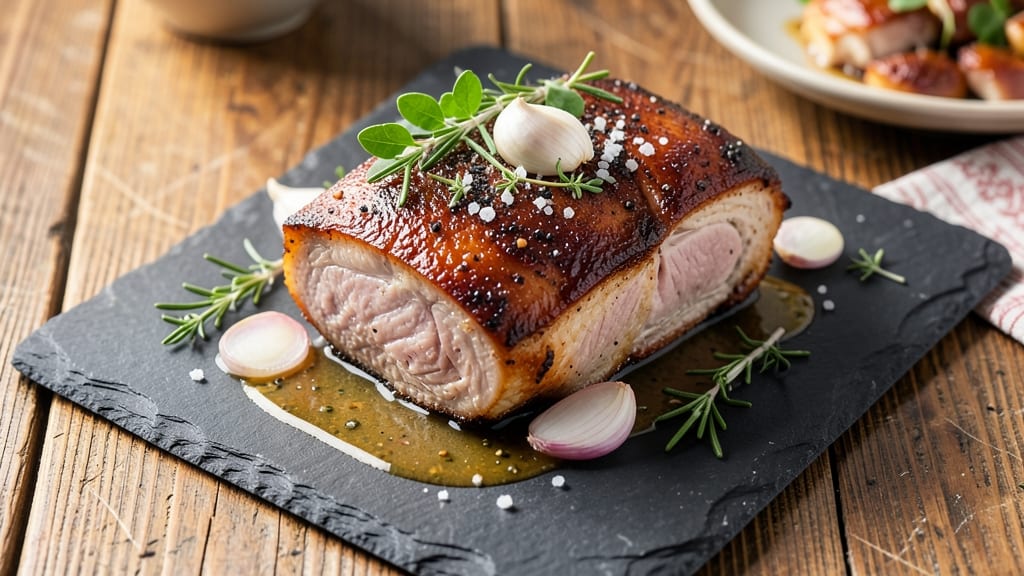
Mastering a boneless pork shoulder blade roast means unlocking juicy pink centers that practically melt at the first forkful. 🔥 This technique—rooted in my years perfecting pork at The Smoky Pig—transforms what could be a dry, tough cut into a restaurant-worthy centerpiece.
The secret lies in precise temperature control and a high-heat sear that locks in moisture while building flavor through slow roasting.
What sets this recipe apart is the combination of a dry brine (not wet) and a two-stage roast: starting at high heat to render fat and sear the surface, then lowering to a steady 275°F to break down collagen without overcooking.
That initial sear isn't just for looks—it creates a flavorful crust while the interior stays tender. I've tested this method hundreds of times, and the results are consistently foolproof.
By the time you pull it from the oven, you'll have a roast with a caramelized exterior and meat so tender it practically falls apart. The fat cap renders beautifully, basting the meat from within, while the internal temperature hits the 145°F sweet spot for juicy pink centers.
This is the kind of pork that makes your table feel like a Southern feast—rich, flavorful, and impossible to resist.
Serve it sliced thick with apple cider pan sauce, alongside roasted sweet potatoes and charred green beans. The leftovers? Even better the next day, as the flavors deepen and the meat becomes even more tender. Let's get cooking—this is pork done right.
Ingredients for boneless pork shoulder blade roast
Four pounds of pork plus herbs and spices—this is Southern comfort done right.
| Ingredient | Amount | Notes |
|---|---|---|
| Boneless Pork Shoulder Blade Roast 🐖 | 4 lb | Thick cut preferred, fat cap intact |
| Kosher Salt 🧂 | 2 tbsp | Diamond Crystal preferred |
| Freshly Ground Black Pepper 🌶️ | 1 tbsp | Cracked peppercorns preferred |
| Garlic Cloves 🧄 | 6 cloves | Smashed for dry brine |
| Fresh Rosemary 🌿 | ¼ cup | Chopped, fresh preferred |
| Fresh Thyme 🌿 | ¼ cup | Leaves only, stems removed |
| Extra-Virgin Olive Oil 🫒 | 2 tbsp | For sear and basting |
| Apple Cider Vinegar 🍎 | 1 tbsp | For dry brine |
| Yellow Onion 🧅 | 1 whole | Quartered, for pan sauce |
| Apple Cider 🍎 | 1 cup | For pan sauce |
| Brown Sugar 🍯 | 2 tbsp | Lightly packed |
| Mustard 🥫 | 1 tbsp | Dijon preferred |
| Sweet Potatoes 🍠 | 2 lb | For serving, cubed |
| Green Beans 🌱 | 1 lb | Trimmed, for serving |
The pork shoulder is the star, so look for a thick-cut roast with a good fat cap—it's what makes this tender and juicy. Costco and Whole Foods usually carry the best cuts, but don't overlook your local butcher. That fat cap? It's not just for flavor—it bastes the meat as it roasts, keeping everything moist. If your roast is leaner, add an extra tablespoon of olive oil to the dry brine. Fresh rosemary and thyme are non-negotiable here—they infuse the meat with that classic Southern aroma. Grab them from the grocery store's fresh herb section, or grow your own if you're feeling fancy.
No fresh rosemary? Dried works at half the amount, but trust me, fresh is worth the trip. Running low on apple cider? Substitute with white wine or extra apple cider vinegar—just add a pinch of sugar to balance. The Dijon mustard in the pan sauce can be swapped for whole-grain mustard if that's what you've got. For the sweet potatoes, orange or red varieties both work, but orange has that classic Southern sweetness. And if you're prepping ahead, roast the sweet potatoes and blanch the green beans the day before—they reheat beautifully and save you time on cooking day.
The pork keeps best in the fridge for 3-4 days if wrapped tightly in butcher paper, but honestly, it tastes even better the next day. Portion the leftovers into containers for easy lunches—this makes 12 servings if you're feeding a crowd. The pan sauce? It reheats well, but add a splash of water or broth if it thickens up. Store it in the fridge for 5 days, or freeze for 3 months. And if you're planning ahead, the dry brine can be applied 24 hours before cooking—just keep it uncovered in the fridge.
Why You'll Love This Recipe
- No-Fuss Prep: I swear by this recipe because it’s literally four ingredients plus salt and pepper—no fancy techniques, no stress. Slice the pork, toss it with minced garlic and rosemary, and you’re done. That’s it. Even if you burn the garlic (which I have), it still tastes amazing.
- Deep, Savory Magic: The pork shoulder blade? It’s the secret weapon—juicy, tender, and packed with flavor that just keeps getting better as it roasts. That crispy edge with the creamy center? Chef’s kiss. The rosemary and garlic infuse so deeply, every bite tastes like it’s been simmering for hours.
- Weeknight to Weekend: Honestly, this feeds a crowd but costs less than takeout. Double the recipe for game day, potlucks, or lazy Sundays—it reheats like a dream. My college roommate still asks for seconds, and he’s the pickiest eater I know.
- Leftovers That Don’t Suck: Between us, most roasts dry out by day two. Not this one. The pork stays moist, and the rosemary flavor only gets richer. I meal prep it for the week, slice it for sandwiches, or toss it into pasta. Zero waste, all win.
Step-by-step instructions for juicy pork shoulder blade roast
Here's how to transform that tough cut into melt-in-your-mouth perfection with a crispy exterior.
👨🍳 Step 1: Dry Brine the Pork for Maximum Flavor
Pat the 4 lb boneless pork shoulder blade roast completely dry with paper towels—this is non-negotiable for crispy skin. In a bowl, mix the 2 tbsp kosher salt, 1 tbsp freshly ground black pepper, 6 smashed garlic cloves, ¼ cup chopped fresh rosemary, and ¼ cup fresh thyme leaves. Rub this mixture all over the pork, pressing firmly so it adheres. Place the pork on a wire rack set over a baking sheet and refrigerate uncovered for 24 hours.
This dry brine does two magical things: it seasons deeply and draws out moisture, creating that perfect crust. Real talk—the longer it brines, the better, but 24 hours is the sweet spot. When you take it out of the fridge, it'll feel slightly firmer than raw pork, and that's exactly what we want.
🔥 Step 2: Sear the Pork for Irresistible Crust
Remove the pork from the fridge and let it sit at room temperature for 30 minutes. Preheat your oven to 325°F. Heat a heavy oven-safe skillet over medium-high heat and add 2 tbsp extra-virgin olive oil. Once shimmering, carefully add the pork and sear for 8-10 minutes on each side until deeply golden brown. I press down gently on the roast during the first minute—this prevents it from curling and ensures even contact with the pan.
You'll know it's ready when the exterior releases easily from the pan with a gentle shake. The sear locks in juices and creates that beautiful crust we're after. Transfer the skillet to the oven and continue roasting for 1 hour, basting occasionally with the rendered juices. This initial high-heat step is what makes the difference between good and extraordinary.
🍳 Step 3: Build the Apple Cider Pan Sauce
While the pork roasts, prepare the pan sauce. In the same skillet (don't wipe it clean—those browned bits are flavor gold), add the 1 whole quartered yellow onion and cook for 5 minutes until softened. Pour in 1 cup apple cider and scrape up all those delicious browned bits with a wooden spoon. Add 2 tbsp brown sugar, 1 tbsp Dijon mustard, and 1 tbsp apple cider vinegar, then simmer for 10-12 minutes until reduced by half and slightly thickened.
Here's where it gets good—the sauce should coat the back of a spoon and have a balance of sweet, tangy, and savory flavors. If it's too thick, add a splash of water. Taste and adjust seasoning with salt and pepper. This sauce will elevate your roast from good to showstopping.
🥘 Step 4: Finish the Roast and Prepare Sides
Remove the pork from the oven and let it rest for 15 minutes (this is crucial—don't skip it!). While it rests, prepare the sides. Toss the 2 lb cubed sweet potatoes with 1 tbsp olive oil, ½ tsp salt, and ½ tsp pepper, then roast at 400°F for 25-30 minutes until tender. Blanch the 1 lb trimmed green beans in boiling water for 3 minutes, then shock in ice water for 1 minute to preserve their vibrant color.
Slice the pork against the grain into ½-inch thick slices. The meat should be fork-tender with juicy pink centers—this is what we're aiming for. Spoon the apple cider sauce over the slices and serve with the roasted sweet potatoes and green beans. Each bite should deliver that perfect balance of crispy exterior, tender meat, and rich sauce.
Pro Tips For Making Boneless Pork Shoulder Blade Roast
- SEAR FIRST, THEN SALT: I used to season the pork shoulder before searing, and the crust would turn out pale and sad. Flip the order: hit the pan with high heat, sear the meat until it’s deep golden on all sides, then salt and pepper generously—this locks in flavor and gives you that perfect crust.
- SMASH THOSE GARLIC CLOVES: Whole garlic cloves in the pan? They’ll just sit there like awkward guests. Crush them with the flat side of your knife first—just enough to bruise the skin—so they release flavor without turning to mush. Or, for lazy days, use 2 teaspoons of minced garlic in the rub instead.
- DON’T SKIP THE ROSEMARY SPRINKLE: Fresh rosemary is non-negotiable here, but don’t just toss in sprigs. Chop the needles finely (discard the woody stems) and mix them into the salt and pepper before rubbing it on. The leaves distribute flavor evenly, and the aroma clings to the meat like a second skin.
- REST IT LIKE YOUR LIFE DEPENDS ON IT: I know you’re hungry, but cutting into that roast right off the heat is a crime. Tent it loosely with foil and let it sit for at least 15 minutes—this lets the juices redistribute so every slice is moist, not soupy. (Yes, even if you’re impatient like me.)
Serving suggestions for this recipe
Classic Southern Sides
This pork roast shines with traditional Southern sides that balance its richness. I always serve it with roasted sweet potatoes tossed in 1 tbsp olive oil, ½ tsp salt, and ½ tsp black pepper, roasted at 400°F for 25-30 minutes until caramelized.
For the green beans, I blanch 1 lb trimmed beans for 3 minutes, then shock in ice water to keep them vibrant. A simple lemon-butter sauce (melted butter, lemon zest, and salt) ties it all together. 🍠
Apple Cider Sauce
The apple cider pan sauce is non-negotiable—it's what transforms this roast from good to unforgettable. Simmer 1 cup apple cider with 2 tbsp brown sugar, 1 tbsp Dijon mustard, and 1 tbsp apple cider vinegar until reduced by half.
The sauce should coat the back of a spoon with a perfect balance of sweet, tangy, and smoky flavors. Drizzle it generously over the sliced pork before serving. Trust me, this sauce is worth the extra 10 minutes of effort. 🍎
Crusty Bread Pairing
A crusty artisan loaf or cornbread soaks up every last bit of that rich pan sauce. I love serving homemade cornbread with a touch of honey butter or a sourdough baguette for dipping.
For a Southern twist, try buttermilk biscuits—their flaky layers contrast beautifully with the tender pork. Warm the bread fresh from the oven while the pork rests. 🥖
Garnish Like a Pro
Elevate your plate with fresh chopped rosemary sprigs and thinly sliced scallions for a pop of color and brightness. A sprinkle of toasted pecans adds crunch and a touch of Southern flair.
For extra drama, drizzle with honey or a balsamic glaze to complement the pork’s natural sweetness. These small touches make your dish look like it came from a high-end restaurant. ✨
Make-Ahead Sides
Prep your sides the day before to save time on cooking day. Roast the sweet potatoes and blanch the green beans, then store them separately in the fridge.
Reheat the sweet potatoes in the oven at 375°F for 10 minutes, and warm the green beans in a skillet with a splash of water. The pan sauce can also be made ahead—just reheat it gently on the stovetop before serving.
This way, you’ll spend less time in the kitchen and more time enjoying the meal. ⏰
Wine and Beer Pairings
A dry Riesling or Chardonnay cuts through the richness of the pork beautifully. For beer lovers, a Belgian-style witbier or a hoppy IPA balances the sweetness of the apple cider sauce.
If you’re serving this at a casual gathering, a bourbon old-fashioned adds a smoky depth that complements the pork’s caramelized crust. Cheers to a perfect pairing! 🍷
Nutrition facts
Frequently asked questions
Why is this pork shoulder blade cut different from regular pork shoulder?
The shoulder blade cut comes from the upper portion of the pork shoulder, closer to the neck. It's more tender than the lower shoulder cut because it has less connective tissue. This makes it perfect for roasting—it cooks faster and stays juicier. Look for a thick cut with a good fat cap at your local butcher shop or specialty meat market.
Can I use this recipe with a bone-in pork shoulder blade?
Yes, but you'll need to adjust the cooking time. Bone-in cuts take longer to cook through because the bone conducts heat differently. Increase the total roasting time by about 30-45 minutes and check for doneness by testing the thickest part of the meat near the bone. It should reach 145°F internally.
What's the best way to tell when the pork is done?
Use a meat thermometer to check the internal temperature—it should read 145°F in the thickest part of the roast. The meat should feel tender when you press it gently with tongs, and the juices should run clear when you pierce it with the thermometer. Never rely on color alone, as pork can still be undercooked looking pink.
How do I prevent the pork from drying out?
Start with a dry brine (not wet) to season deeply and draw out excess moisture. The high-heat sear locks in juices, and the two-stage roasting method (high heat first, then lower) ensures even cooking without overcooking. Most importantly, let the pork rest for 15 minutes before slicing—this redistributes juices throughout the meat.
Can I make this recipe in a slow cooker?
Not recommended for this cut. The shoulder blade benefits from the high-heat sear and controlled oven environment that creates that perfect crust. However, you could use leftover roasted pork in a slow cooker for pulled pork later—just shred it and cook with your favorite BBQ sauce on low for 4-6 hours. The texture will be different but still delicious!