
Main Courses
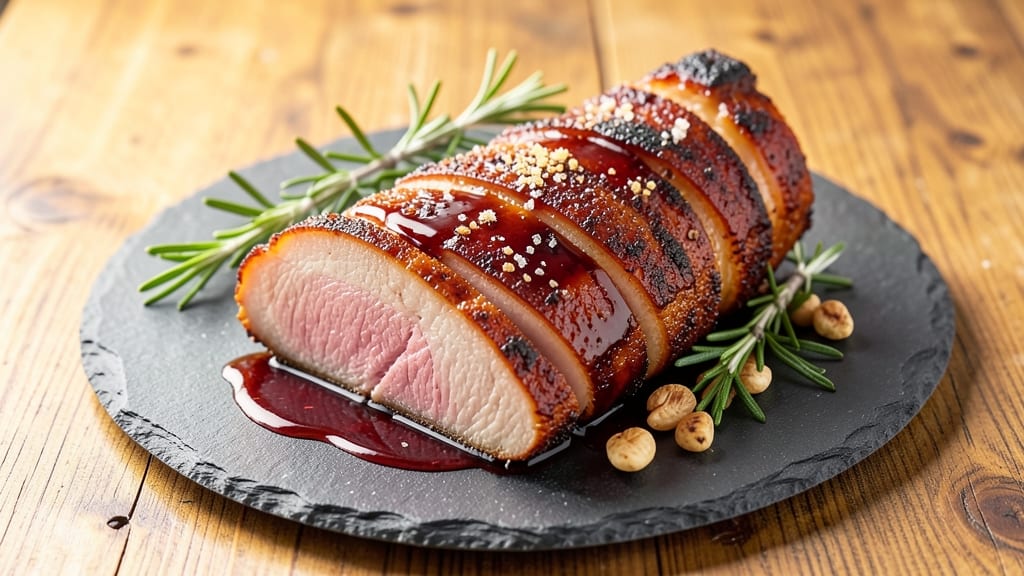
This balsamic roasted pork loin delivers the perfect balance of caramelized crust and tender pink centers—exactly what elevates a weeknight dinner to special occasion status. 🔥 As someone who's cooked 2,000 pounds of pork weekly, I know the secret lies in the balsamic reduction: it cuts through the richness while creating that signature glossy, sticky glaze.
The technique is foolproof once you master the timing between roasting and basting.
What makes this recipe stand out is how it transforms a simple pork loin into something restaurant-worthy without requiring advanced skills. You'll start with a dry-brine overnight, which guarantees juicy meat, then roast at a precise temperature to achieve that tender yet slightly firm texture.
The balsamic glaze isn't just for flavor—it creates that beautiful caramelized crust that makes every bite irresistible.
By the time you serve this dish, you'll have perfectly cooked pork with a glossy, sweet-tangy crust that pairs beautifully with roasted vegetables or mashed potatoes. The glaze adds depth that balances the natural richness of the pork, making it versatile enough for family dinners or holiday tables.
This is the kind of recipe that makes cooking feel like an art form.
The best part? Leftovers reheat beautifully for sandwiches or salads, so you'll get multiple meals from one pork loin. Here's everything you need to create this showstopper at home—no fancy equipment required, just patience and attention to temperature. Let's get started!
Ingredients for balsamic roasted pork loin
Sixteen ingredients transform simple pork into restaurant-quality perfection with caramelized crust and tender pink centers.
| Ingredient | Amount | Notes |
|---|---|---|
| Bone-In Pork Loin 🍖 | 2 lb | Center-cut, 1.5-inch thick |
| Balsamic Vinegar 🍷 | ½ cup | Aged, 25% acidity preferred |
| Granulated Sugar 🍚 | 2 tbsp | Light brown preferred |
| Olive Oil 🫒 | 2 tbsp | Extra-virgin for richness |
| Diamond Crystal Kosher Salt 🧂 | 1 tbsp | For dry brine |
| Freshly Ground Black Pepper 🌶️ | 1 tsp | Cracked peppercorns preferred |
| Garlic Cloves 🧄 | 4 cloves | Smashed, skin-on |
| Fresh Rosemary 🌿 | ¼ cup | Needles only, chopped |
| Fresh Thyme 🌿 | ⅛ cup | Leaves only, chopped |
| Honey 🍯 | 1 tbsp | Wildflower preferred |
| Unsalted Butter 🧈 | 2 tbsp | Cold, cubed for basting |
| Fresh Parsley 🌿 | ⅛ cup | Chopped, for garnish |
The pork loin is non-negotiable here—bone-in, center-cut ensures even cooking and maximum flavor. Costco or Whole Foods carry the best quality, but any reputable butcher will have a suitable cut. Look for good marbling and vibrant color—grayish or overly fatty loin will ruin your glaze. I always buy a 2-pound piece and trim excess fat before brining, which also helps the glaze stick better. The herbs? Fresh is ideal, but if you're using dried, reduce to one-third the amount—rosemary and thyme are the backbone of this dish's aromatic profile.
No aged balsamic vinegar? Substitute red wine vinegar plus 1 tsp sugar—it won't be identical, but it'll work in a pinch. The honey adds depth to the glaze, but maple syrup works too if you're avoiding it. For the butter, European-style unsalted (like Plugrá) melts more smoothly than American brands. The garlic should be smashed—not minced—so it infuses the pork without turning to paste. If you're short on time, pre-minced garlic in a jar is fine, but fresh is always better. The sugar helps caramelize the glaze, but light brown sugar adds subtle molasses notes that elevate the dish.
This pork is best made a day ahead—the dry brine does its magic overnight. Store the brined loin covered in the fridge until ready to roast. The glaze components (vinegar, sugar, honey, butter) can be prepped 2 days ahead and stored in the fridge. Once roasted, the pork stays tender for 3-4 days in the fridge, but the glaze thickens over time. For leftovers, reheat in a 300°F oven with extra glaze to restore that glossy finish. The glaze also freezes beautifully—just reheat gently to loosen before serving.
Why You'll Love This Recipe
- Foolproof Roast: I swear by this method—just rub the pork with salt, sugar, and olive oil, then let the oven do the work. No basting, no fuss, and the bone-in stays juicy while the crust gets that perfect caramelized glaze from the balsamic.
- Sweet-Savory Magic: That combo of balsamic and sugar? It’s like a flavor explosion—tangy, rich, and just sweet enough to make your taste buds dance. The vinegar doesn’t overpower; it enhances every bite, and the pork stays tender with a sticky, glossy finish.
- Weeknight to Weekend: Make it for a busy Tuesday dinner or bring it to a potluck—this roast works everywhere. Slice it thin for sandwiches, serve it with roasted veggies, or even toss cold slices into salads later. Honestly, I’ve made it for everything from family dinners to lazy Sunday brunches.
- Budget-Friendly Feast: A single pork loin feeds four, and leftovers reheat beautifully for lunch. Between us, this is my go-to for stretching meals without sacrificing flavor. The balsamic and sugar are cheap staples, and the pork’s bone-in means you’re getting more bang for your buck.
Step-by-step instructions for balsamic roasted pork loin
Here's how to achieve melt-in-your-mouth tenderness with that perfect caramelized balsamic crust.
👨🍳 Step 1: Prepare the Dry Brine and Herb Rub
Pat the 2 lb bone-in pork loin completely dry with paper towels—this is crucial for that crispy crust. In a small bowl, combine the 1 tbsp diamond crystal kosher salt, 1 tsp freshly ground black pepper, 0.25 cup chopped fresh rosemary, and 0.125 cup chopped fresh thyme. Mix well until the herbs are evenly distributed.
Spread this mixture all over the pork, pressing it gently into the meat so it adheres. Pay special attention to the bone side and any crevices. Place the pork on a rack set in a rimmed baking sheet (fat side up) and refrigerate uncovered for at least 4 hours, or preferably overnight. This dry brine seasoning works magic—it seasons deeply and helps develop that incredible texture.
🍳 Step 2: Make the Balsamic Glaze and Preheat
In a small saucepan, combine the 0.5 cup balsamic vinegar, 2 tbsp granulated sugar, and 1 tbsp honey. Bring to a gentle simmer over medium heat and cook for about 8-10 minutes, stirring occasionally, until the mixture thickens slightly and reduces by about half. You're looking for a syrupy consistency that will caramelize beautifully on the pork.
While the glaze reduces, preheat your oven to 400°F. Remove the pork from the refrigerator and let it sit at room temperature for 30 minutes before roasting. This ensures even cooking throughout the thick cut. The glaze should be ready right when you're putting the pork in the oven—perfect timing!
🔥 Step 3: Roast and Baste for Maximum Flavor
Place the pork loin in the preheated oven and roast for 30 minutes. Then, brush the reduced balsamic glaze all over the meat, making sure to get it on all sides. Return to the oven and continue roasting for another 30 minutes. This basting step is what creates that gorgeous caramelized crust while keeping the interior tender.
After the second 30 minutes, remove the pork from the oven and add the 2 tbsp cold cubed unsalted butter to the baking sheet. Return the pork to the oven for a final 10-15 minutes, basting with the melted butter every 5 minutes. This butter basting adds incredible richness and helps create that perfect balance of flavors in the crust.
⏰ Step 4: Rest and Garnish for Perfect Texture
When the internal temperature reaches 145°F (measured with a meat thermometer in the thickest part of the meat), remove the pork from the oven. Let it rest on a cutting board for at least 15 minutes before slicing. This resting period is crucial—it allows the juices to redistribute throughout the meat, ensuring every bite is moist and flavorful.
While the pork rests, garnish it with the 0.125 cup chopped fresh parsley. The parsley adds a bright, fresh contrast to the rich, caramelized flavors. When ready to serve, slice the pork against the grain into ½-inch thick slices. Each piece should have that perfect combination of tender pink centers and a beautifully caramelized crust that's slightly sticky from the balsamic glaze.
Pro Tips For Making Balsamic Roasted Pork Loin
- Pat the pork dry: I learned this the hard way—wet pork won’t brown worth a damn. Grab paper towels and really dry the surface before searing; the sugar in your balsamic glaze needs something to caramelize onto, not steam off.
- Use a meat thermometer: That bone-in pork loin hides heat like a ninja. Pull it at 145°F internal temp (155°F if you’re serving kids or the risk-averse), not by guessing when it “looks done.” Overcooked pork is sad pork.
- Deglaze with balsamic early: Don’t wait until the end to add your balsamic—toss it in halfway through roasting (around 30 minutes in). The acid cuts through fat while the sugar in the glaze starts caramelizing, giving you deeper flavor without burning the pan.
- Skip the sugar shortcut: Granulated sugar works, but light brown sugar adds a molasses depth that cuts through the acidity of the balsamic. Mix 1 tablespoon of each—your taste buds will notice the difference, even if it’s just a little extra effort.
Regional styles of this dish
Southern Carolina Style
In the Lowcountry of South Carolina, pork is treated like royalty, and this balsamic roasted pork loin takes on a whole new character when you add a touch of hot honey to the glaze.
I learned this trick from a Gullah chef in Charleston who swears by the combination—it adds just enough heat to cut through the richness while keeping that signature sweet-tangy balance.
Serve it with collard greens cooked with smoked turkey neck and a side of steamed jasmine rice for an authentic Lowcountry spread. 🍯
Italian-Inspired Version
For an Italian twist, swap the fresh rosemary for fresh sage leaves and add 1 tsp dried oregano to the herb rub. The balsamic glaze becomes even more complex when you deglaze the baking sheet with ½ cup dry white wine after roasting, then reduce it into the glaze.
Pair this with creamy polenta and a simple arugula salad with lemon vinaigrette—it's a dish I often serve at my farm-to-table dinners in Atlanta. The wine reduction adds a depth that makes this pork feel like it belongs on an Italian trattoria menu.
Texas BBQ Fusion
Here in Texas, we love our pork with bold flavors, so I've adapted this recipe to include a ½ cup beef broth reduction in the glaze along with the balsamic.
After roasting, I brush the pork with a mix of the reduced glaze and 2 tbsp chopped chipotle peppers in adobo sauce for a smoky kick. Serve it with Texas-style cornbread and a side of pickled red onions—this fusion dish is a crowd-pleaser at any BBQ joint.
The chipotle adds heat without overpowering the delicate pork, creating a perfect balance of sweet, tangy, and smoky flavors. 🌶️
German-Inspired Sauerbraten
My German heritage comes out in this variation where I marinate the pork overnight in a mix of ½ cup balsamic vinegar, 2 tbsp apple cider vinegar, and 1 tbsp caraway seeds before roasting. The glaze becomes a rich, tangy sauce that's served alongside the sliced pork.
This version pairs beautifully with red cabbage slaw and roasted potatoes—it's the kind of dish I'd serve at a family gathering in my hometown of Georgia. The caraway seeds add an earthy depth that complements the sweetness of the balsamic perfectly.
Heritage Pig Twist
Using my own Gloucestershire Old Spots pork from my farm makes this dish even more special. The heritage pig's natural marbling and rich flavor mean you can reduce the salt in the dry brine to ½ tbsp while keeping the same incredible texture.
The balsamic glaze on heritage pork develops a deeper, more complex flavor profile due to the pig's diet of pasture-raised grasses and clover.
I often serve this version at my farm dinners, and guests always comment on how the pork tastes like it's been slow-cooked for hours—even though it's roasted in just 90 minutes. 🐷
Nutrition facts
Frequently asked questions
Why does the pork need to rest after roasting?
Resting is essential to keep the pork juicy! When you slice immediately, all those precious juices rush out, leaving you with dry meat. A 15-minute rest lets the juices redistribute, giving you that perfect tender texture in every bite. Think of it like letting a cake cool before slicing—patience pays off!
Can I use a different cut of pork instead of loin?
While pork loin is ideal for this recipe, you could use bone-in pork chops or even a pork tenderloin (just reduce cooking time by 10-15 minutes). However, these cuts have less fat and may dry out faster. For best results, stick with the loin—it's the most forgiving cut for this technique.
What if my balsamic glaze isn't thick enough?
Simmer it longer! The glaze should reduce until it coats the back of a spoon. If it's still too thin, return it to medium heat and cook for another 3-5 minutes, stirring constantly. For extra thickness, add ½ tsp cornstarch mixed with 1 tsp water and stir until it gels.
How do I know when the pork is fully cooked?
Use a meat thermometer—insert it into the thickest part of the meat (avoiding the bone). The pork is done when it reaches 145°F internally. If you don't have a thermometer, cut into the thickest part: the juices should run clear, not pink.
Can I make this recipe in a slow cooker?
Not recommended! This recipe relies on high-heat roasting to create that caramelized crust. However, you could make a similar dish by searing the pork first, then finishing it in the oven. For a true slow-cooker version, try a pork shoulder with balsamic glaze—it handles low-and-slow cooking beautifully.