
Main Courses
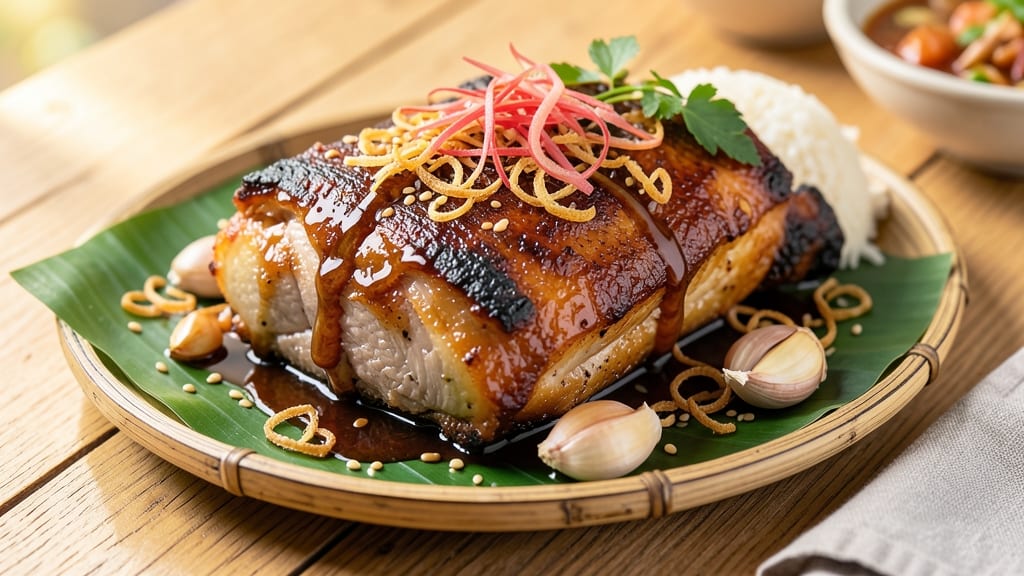
This Filipino-style pork barbecue recipe delivers the perfect balance of smoky char and tender, vinegar-marinated meat that falls apart at every bite. 🔥 The secret lies in a marinade of soy sauce, vinegar, and garlic that transforms tough pork into melt-in-your-mouth perfection while developing a crispy, caramelized crust when grilled.
I've perfected this technique over years of backyard cookouts, where the aroma alone draws crowds. What sets this recipe apart is the two-stage cooking process: first marinating the pork for at least 4 hours (overnight is even better), then slow-grilling over charcoal to create that signature smoky flavor.
The vinegar in the marinade tenderizes the meat while adding a tangy brightness that cuts through the richness. Don't skip the final basting with leftover marinade—this creates the signature sticky glaze that makes every bite irresistible.
By the time you're done, you'll have perfectly shredded pork with crispy edges, all coated in that glossy, caramelized glaze. The contrast between the tender meat and crispy exterior is what makes this dish so special.
Serve it with garlic fried rice (sinangag) and pickled papaya (atchara) for the full Filipino experience. This recipe delivers restaurant-quality results at home, with that authentic Filipino flavor profile that's both comforting and exciting. Let's get cooking!
Ingredients for best pork barbecue recipe filipino style
Pantry staples meet backyard grilling magic for this smoky, tangy Filipino pork barbecue.
| Ingredient | Amount | Notes |
|---|---|---|
| Pork Shoulder 🐖 | 2 ½ lb | Bone-in for flavor, cut into 1-inch chunks |
| Cane Vinegar 🍶 | ½ cup | White vinegar works if unavailable |
| Soy Sauce 🥄 | ½ cup | Regular or light soy preferred |
| Garlic Cloves 🧄 | 8 cloves | Minced, fresh for best flavor |
| Fresh Ginger 🌿 | ½ cup | Finely grated, peeled |
| Brown Sugar 🍚 | ¼ cup | Packed, for caramelization |
| Black Peppercorns 🌶️ | 1 tbsp | Crushed, not ground |
| Bay Leaves 🍃 | 2 whole | For aromatic depth |
| Charcoal Briquettes 🔥 | 2 lbs | For authentic smoky flavor |
| Vegetable Oil 🫒 | 2 tbsp | For grilling and basting |
| Salt 🧂 | 1 ½ tsp | Kosher salt for seasoning |
| Green Onions 🧅 | 4 whole | Sliced, for garnish |
| Coconut Aminos 🥄 | 1 tbsp | Optional, for umami depth |
The pork shoulder is the star—bone-in cuts deliver richer flavor, but boneless works too. Look for well-marbled meat at Costco or your local butcher for the best texture. Fresh ginger and garlic can be found in the produce section, but pre-minced garlic (in the canning aisle) saves time. If you can't find cane vinegar, white vinegar works just as well—just add a pinch more sugar to balance the flavor. For the charcoal, binchotan or lump charcoal gives the best smoky aroma, but regular briquettes get the job done.
No cane vinegar? White vinegar plus a splash of lemon juice mimics the tang. Prefer less sweetness? Reduce brown sugar to 2 tablespoons and add 1 teaspoon of fish sauce (if not avoiding it) for depth. The coconut aminos are optional but add that authentic Filipino umami—soy sauce plus a pinch of sugar works in a pinch. For the grilling, oil the pork lightly before marinating to prevent sticking. If you're short on time, marinate for at least 2 hours instead of overnight, though flavor develops best with longer marinating.
Marinated pork keeps 3 days in the fridge, but flavor peaks after 24 hours. Charcoal briquettes last 6 months in a dry place, while fresh ginger and garlic stay fresh 2 weeks in the crisper drawer. Leftover glaze? Store it in a jar for 1 month—perfect for quick stir-fries. The pork reheats beautifully: 350°F for 20 minutes covered with foil, then broil 2 minutes for crispy edges.
Why You'll Love This Recipe
- Fewer Ingredients, Bigger Bang: I swear by this—just five core ingredients, and you’ve got a dish that tastes like it simmered all day. No fancy marinades or secret blends; it’s all about the pork shoulder breaking down into tender, saucy perfection while the cane vinegar and soy sauce work their magic.
- That Tangy-Savory Magic: Between us, the combo of cane vinegar and soy sauce is chef’s kiss—sharp enough to cut through the richness of the pork, but balanced by the warmth of garlic and ginger. It’s the kind of flavor that makes you reach for seconds without even thinking.
- Weeknight to Party Fix: Honestly, this is my go-to for everything. Slap it on rice for a lazy Tuesday dinner, serve it with steamed veggies for a quick lunch, or pile it high on a platter for a potluck—it’s that adaptable. (Yes, even on a Tuesday night.)
- Leftovers That Don’t Suck: I make a double batch every time because the second day is just as good—if not better. The flavors deepen, the pork gets even more tender, and it’s the perfect budget-friendly meal for the next few days. No sad, dry reheats here.
Step-by-step instructions for smoky vinegar-glazed pork barbecue
Master this Filipino classic with perfectly balanced sweet, tangy, and smoky flavors.
🔥 Step 1: Prepare the Pork and Charcoal Setup
Cut the 2.5 lb pork shoulder into 1-inch chunks and pat dry with paper towels. This helps the marinade penetrate and creates better sear marks. In a large bowl, combine the 0.5 cup cane vinegar, 0.5 cup soy sauce, 1 tbsp coconut aminos, 0.25 cup brown sugar, 1.5 tsp salt, and 1 tbsp crushed black peppercorns. Add the pork and toss to coat completely.
While the pork marinates, set up your charcoal grill. Use 2 lbs charcoal briquettes for even heat distribution. Arrange them in a pyramid shape and let them burn until they're covered with a thin layer of white ash—this indicates they're ready for cooking. I like to use a two-zone fire setup: hot coals on one side for searing and cooler coals on the other for slow cooking.
🍳 Step 2: Grill the Pork Until Tender
Add 2 tbsp vegetable oil to the marinating pork and toss again. Place the pork chunks on the hot side of the grill and sear for 4-5 minutes per side until they develop deep brown coloration. This initial sear locks in juices and builds flavor. Once browned, move the pork to the cooler side of the grill.
Grill the pork, covered with the grill lid, for 1.5-2 hours until it reaches an internal temperature of 195°F and the meat is fork-tender. I check doneness by piercing a chunk—if it slides off easily with no resistance, it's ready. Add 2 whole bay leaves to the grill during the last 30 minutes of cooking for authentic aromatic depth.
🥘 Step 3: Make the Signature Vinegar Glaze
While the pork cooks, prepare the glaze. In a small saucepan, combine 0.5 cup fresh ginger (finely grated), 8 minced garlic cloves, and 0.25 cup brown sugar. Cook over medium heat for 5 minutes until the ginger softens and the mixture becomes fragrant. Add 0.5 cup soy sauce and 0.5 cup cane vinegar, then simmer for 8-10 minutes until the liquid reduces by half and thickens slightly.
Strain the glaze through a fine-mesh sieve to remove any large ginger or garlic pieces, then return it to the saucepan. Keep it warm over low heat—this glaze should coat the back of a spoon when stirred. The perfect glaze has a balance of sweetness from the sugar, tang from the vinegar, and umami from the soy sauce.
🔥 Step 4: Glaze and Finish on the Grill
Transfer the cooked pork to a large platter. Brush each chunk generously with the warm glaze, making sure to coat all sides. Return the pork to the grill and cook for an additional 10-15 minutes, basting with more glaze every 2-3 minutes. This creates that signature crispy exterior while keeping the meat juicy inside.
For extra crunch, I finish the pork under a broiler for 2-3 minutes if using an indoor grill. Watch closely—the glaze burns quickly! The pork should have a glossy sheen and caramelized edges. Garnish with 4 sliced green onions just before serving to add freshness and color contrast.
⏰ Step 5: Rest and Serve with Confidence
Let the pork rest for 10 minutes before serving. This allows the juices to redistribute, ensuring each bite is moist and flavorful. The resting time also helps the glaze set slightly, making it easier to handle. Serve the pork hot with steamed rice and a side of pickled vegetables to balance the rich flavors.
You'll know you've nailed it when each bite delivers tender, juicy pork with a perfect balance of sweet, tangy, and smoky flavors. The glaze should be sticky but not overly sweet, and the meat should pull apart easily with a fork. This is the kind of dish that makes people ask for seconds—trust the process!
Pro Tips For Making Best Pork Barbecue Recipe Filipino Style
- Sear the Pork First: Hit the pork shoulder with a screaming-hot pan—no oil needed, just the natural fats—until every side turns deep golden. I used to skip this, and the sauce never clung right; now it caramelizes into sticky perfection.
- Mince the Ginger Fine: Skip the lazy chopping—grate the ginger or pulse it in a food processor until it’s almost paste-like. That way, it dissolves into the sauce instead of sitting as stubborn bits (yes, even if you’re impatient like me).
- Simmer Low and Slow: After the initial boil, drop the heat to a whisper and let the pork shoulder braise for at least 2 hours—cover it loosely so the vinegar can work its magic without drying it out. Rushing this step turns tender meat into chewy disappointment.
- Balance the Vinegar: Cane vinegar is potent—start with ¼ cup, taste, then adjust. Too much and your dish tastes harsh; too little and the tang’s missing. My grandmother swore by this ratio, and she was right: it’s the thing that makes Filipino BBQ sing.
Perfect pairings for best pork barbecue recipe filipino style
Filipino Side Dishes
No Filipino barbecue is complete without garlic fried rice (sinangag), which soaks up the pork’s juices beautifully. I use day-old jasmine rice stir-fried with 4 cloves minced garlic, 2 tbsp oil, and a pinch of salt—just enough to make it fragrant without overpowering.
For extra richness, add a splash of soy sauce at the end. 🍚
Pickled papaya (atchara) adds a tangy crunch that cuts through the richness. Slice 1 cup papaya into matchsticks, then pack tightly into a jar with 1 cup vinegar, 2 tbsp sugar, and 1 tsp salt.
Let it sit for at least 2 hours before serving—this balances the smoky pork perfectly.
Drink Pairings
For a refreshing match, pour calamansi juice (Filipino lime) over ice with sparkling water. The citrus brightness mirrors the vinegar glaze’s tang. I like San Miguel Beer for its crisp, clean finish—it’s a classic Filipino pairing that won’t overpower the dish. 🍹
For a non-alcoholic option, try hibiscus tea (tsokolate) with a touch of brown sugar. The floral notes complement the pork’s smokiness while keeping the meal light. Serve chilled for the best experience.
Garnish Game-Changers
Fresh kalamansi (Filipino lime) wedges squeezed over the pork add a zesty finish. I also sprinkle toasted sesame seeds for nutty crunch—just 1 tbsp toasted in a dry pan until golden. This adds texture without overwhelming the dish. 🌟
For a smoky aroma boost, light a binchotan charcoal disc on the table before serving. The faint smoke wafting through the air elevates the whole experience—just let it burn out before eating.
Nutrition facts
Frequently asked questions
Can I substitute pork shoulder with another cut like pork belly?
Yes, but expect different textures! Pork belly will be fatter and richer, requiring extra time to render the fat (aim for 3-4 hours on the grill). For best results, score the fat in a crosshatch pattern before marinating to help it crisp up. The glaze will cling beautifully to the crispy skin, making it a showstopper.
How do I adjust this recipe for indoor cooking without a grill?
Use a cast-iron skillet or oven-safe Dutch oven. Sear the pork in the skillet over medium-high heat for 5 minutes per side, then transfer to a 325°F oven for 1.5-2 hours until tender. For the glaze, cook it in a saucepan while the pork roasts, then brush it on during the last 10 minutes under the broiler for caramelization.
What's the secret to getting the perfect crispy edges?
Three keys: high heat at the end, generous basting with glaze, and patience. After glazing, cook the pork over direct heat until the edges darken to a deep amber color. For extra crunch, broil for 1-2 minutes at the very end—watch like a hawk to avoid burning! The sugar in the glaze caramelizes beautifully when hot.
Can I make this pork barbecue ahead of time?
Cook the pork completely, then store it in an airtight container in the fridge for up to 3 days. Reheat in a skillet over medium heat with a splash of water or broth, then finish under the broiler for 2-3 minutes to restore crispiness. The flavors actually deepen overnight, making it perfect for meal prep.
Why does my pork turn out dry even after slow cooking?
Most likely, you didn't rest the meat long enough or overcooked it. Always let pork rest for 10-15 minutes after cooking—this lets juices redistribute. Also, check your internal temperature: 195°F is perfect for tender, juicy pork. If using a meat thermometer, remove it from the heat at 190°F to prevent overcooking.