
Sauces & Condiments
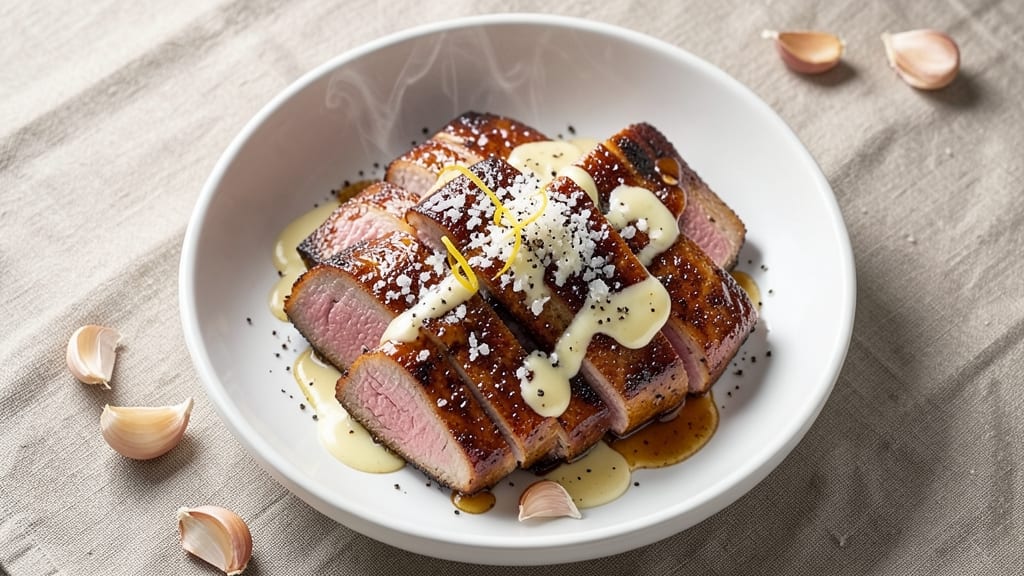
This brown sugar glazed pork tenderloin delivers the perfect balance of sticky caramelized crust and juicy pink center—a technique I perfected during my time in Charleston, where pork takes center stage.
The key lies in a simple glaze of brown sugar, butter, and spices that transforms ordinary pork into something extraordinary, with just the right amount of heat and sweetness to satisfy any crowd.
What sets this recipe apart is the foolproof method for achieving that coveted caramelized exterior while keeping the interior tender and moist. We start with a quick sear to lock in juices, then build flavor through a slow glaze reduction that clings beautifully to the meat.
The result? A dish that’s restaurant-worthy yet simple enough for weeknight dinners.
The glaze itself is where the magic happens—a rich blend of brown sugar, butter, and aromatic spices that caramelizes into a glossy, irresistible coating. It’s the kind of dish that smells like comfort food the moment it hits the oven, filling your kitchen with an aroma that’s impossible to resist.
Serve this pork tenderloin with roasted vegetables, mashed potatoes, or a crisp green salad to round out the meal. The glaze pairs perfectly with the earthy flavors of root vegetables or the brightness of a fresh salad, making it a versatile centerpiece for any table.
Ingredients for brown sugar glazed pork tenderloin
Four spices, one tenderloin, and a glaze that’ll make your kitchen smell like Charleston.
| Ingredient | Amount | Notes |
|---|---|---|
| Pork Tenderloin 🥩 | 1 ½ lb | Center-cut, trimmed of silver skin |
| Light Brown Sugar 🍯 | ½ cup | Packed, not packed |
| Unsalted Butter 🧈 | ½ cup | Cold, cubed for even melting |
| Fresh Garlic Cloves 🧄 | 4 cloves | Minced for glaze |
| Diamond Crystal Kosher Salt 🧂 | 1 ½ tsp | For seasoning pork |
| Ground Black Pepper 🌶️ | ½ tsp | Freshly cracked |
| Smoked Paprika 🌶️ | 1 tsp | For depth in glaze |
| Ground Cumin 🌿 | ½ tsp | Toasted for aroma |
| Fresh Thyme Leaves 🌿 | ¼ cup | Chopped, stems removed |
| Extra-Virgin Olive Oil 🫒 | 1 tbsp | For searing pork |
| Apple Cider Vinegar 🍎 | 1 tbsp | Balances sweetness |
The pork tenderloin is your canvas—center-cut, not too thick. Costco or Whole Foods sell the best quality, but any butcher will trim it for you. Look for even thickness (about 1.5 inches) so it cooks uniformly. The glaze magic happens with light brown sugar—it’s got more molasses flavor than white sugar, which caramelizes better. I always grab the Domino brand because it’s consistent, but any light brown sugar works. Fresh thyme is ideal, but if you’re using dried, cut the amount to one-third—it’s way more concentrated.
No smoked paprika? Regular paprika plus a pinch of cayenne gets you close. Short on butter? Olive oil or coconut oil works in a pinch, but butter’s the star here—it adds richness the oils can’t match. The apple cider vinegar might seem odd, but it’s what keeps the glaze from getting too cloying. Bragg or Mott’s are my go-tos, but any good-quality vinegar does the trick. Want extra heat? Add a dash of cayenne to the glaze. The glaze itself is where the magic happens—don’t skip the reduction step, even if it takes 10 minutes longer. That’s when the caramelization happens, turning sweet into something irresistible.
Pork tenderloin is best used within 2 days of purchase—it’s lean, so it dries out fast. Wrap it in parchment paper and store in the fridge. The glaze components (sugar, butter, spices) keep for 3 months in the pantry, but once mixed, use it within 1 week for best flavor. I always make extra glaze—it’s perfect for basting or drizzling over roasted veggies. Leftovers? Slice thin and reheat in a skillet with a splash of water to keep them moist.
Why You'll Love This Recipe
- One-Pan Magic: I swear by this recipe when I’m too tired to scrub pots—just sear the pork, toss in the brown sugar and butter, and let the oven do the work. That sticky glaze? It practically falls off the knife, and cleanup is just wiping a sheet pan.
- Sweet-Savory Balance: The brown sugar caramelizes into a glossy crust while the garlic softens into a fragrant paste—crispy edges, tender middle, and a hint of smoky sweetness that makes every bite addictive. Honestly, my kids fight over the last slice.
- Weeknight to Dinner Party: Same recipe, different occasions: slice it thin for tacos on a Tuesday, serve it whole with roasted veggies for company, or even shred it for sandwiches the next day. The glaze keeps it juicy no matter how you use it.
- Budget-Friendly Feast: Pork tenderloin is lean and affordable, and this recipe stretches it further with a rich glaze that feels special. I’ve made it for six people for under $15—leftovers reheat beautifully, and the flavor only gets better the second day.
Step-by-step instructions for brown sugar glazed pork tenderloin
Here's how to transform a simple pork tenderloin into melt-in-your-mouth perfection.
Season and Sear the Pork Tenderloin
Pat the 1.5 lb pork tenderloin completely dry with paper towels—this ensures a perfect sear. In a small bowl, mix together 1.5 teaspoons Diamond Crystal kosher salt, 0.5 teaspoon ground black pepper, 1 teaspoon smoked paprika, and 0.5 teaspoon ground cumin. Rub this mixture all over the pork, pressing it into the surface so it adheres evenly. Let it sit at room temperature for 15 minutes while you prep the rest.
Heat 1 tablespoon extra-virgin olive oil in a large oven-safe skillet over medium-high heat. Once shimmering, add the pork and sear for 3-4 minutes per side until it develops a deep golden-brown crust. You're looking for color that ranges from light to medium brown—this is your foundation for that caramelized glaze. The pork should release easily from the pan when ready to flip.
Create the Glaze and Baste the Pork
In a small saucepan, combine 0.5 cup light brown sugar, 0.5 cup cold unsalted butter (cubed), 4 minced fresh garlic cloves, 0.25 cup chopped fresh thyme leaves, and 1 tablespoon apple cider vinegar. Cook over medium-low heat, stirring constantly, until the butter melts and the sugar begins to dissolve—about 3-4 minutes. The mixture should thicken slightly but remain pourable.
Immediately pour the glaze over the seared pork in the skillet. Using a spoon or baster, coat the pork completely, getting it on all sides. Return the skillet to the stove over medium heat and let it baste for 2-3 minutes, spooning the glaze over the pork continuously. This step is crucial—it ensures the glaze sticks and caramelizes properly.
Roast to Juicy Perfection
Preheat your oven to 400°F. Transfer the skillet to the oven and roast for 15-20 minutes, basting the pork with the pan juices every 5 minutes. The pork is done when its internal temperature reaches 145°F (use a meat thermometer to check). The glaze should be thick and sticky, with a deep amber color. If it starts to darken too quickly, tent the skillet loosely with foil to prevent burning.
Here's the thing—don't overcook it. Pork tenderloin can dry out fast, so pull it out of the oven as soon as it hits 145°F. The residual heat will carry it to a safe 150°F while you let it rest. Tent the skillet with foil and let the pork rest for 10 minutes before slicing. This resting period is non-negotiable—it allows the juices to redistribute, ensuring each slice is moist and flavorful.
Slice and Serve with Caramelized Glaze
Once rested, slice the pork into ½-inch thick medallions against the grain. The glaze should be thick and glossy, clinging beautifully to each slice. Spoon any remaining pan juices over the top for extra richness. Serve immediately with roasted vegetables or mashed potatoes to soak up that sticky, caramelized goodness.
The result? A perfectly tender, juicy pork tenderloin with a glossy, caramelized glaze that balances sweet, smoky, and tangy flavors. Each bite delivers that perfect contrast of crispy edges and melt-in-your-mouth tenderness. Trust the process—this method works every time.
Pro Tips For Making Brown Sugar Glazed Pork Tenderloin
- SEAR FIRST, GLAZE LATER: I learned this the hard way—don’t toss that pork in the oven with the glaze right away. Hit it with a screaming-hot pan first (425°F, cast iron if you’ve got it) until deep golden brown on all sides. That crust locks in flavor and keeps the meat from drying out when the sugar caramelizes later.
- USE DIAMOND CRYSTAL SALT: Diamond Crystal’s kosher salt clumps differently than Morton’s, and this glaze needs that texture. Pack the salt into the brown sugar mix like you’re stuffing a Thanksgiving turkey—no measuring cups, just eyeball it until it looks like wet sand. Too loose, and your glaze will run everywhere.
- CUT GARLIC SLIGHTLY THICK: Thin slices of garlic burn before they brown. For this recipe, smash 3-4 cloves with the flat side of your knife (no need to peel yet) and slice them just a hair thicker than normal—about ⅛-inch. They’ll soften and mellow in the butter without turning bitter, and the glaze stays smooth.
- REST THE PORK UNDER FOIL: Skip the tenting with foil right after roasting—give it a solid 5-10 minutes under loose foil instead. This keeps the glaze from cracking while the meat reabsorbs juices. I know, I know, it’s tempting to cut into it immediately, but wait. The difference in tenderness is night and day.
Wine and beer pairings for this dish
Red Wine Pairings
The rich caramelized sweetness of this glaze pairs beautifully with medium-bodied red wines that have enough acidity to cut through the sugar.
I always reach for a Zinfandel from California—like the Ravenswood or Seghesio—because its jammy berry notes and subtle spice complement the smoked paprika and cumin in the glaze. The wine’s natural sweetness mirrors the caramelization, while its acidity keeps your palate fresh between bites. 🍷
White Wine Options
For a lighter option, try a dry Riesling from Germany or Alsace. The crisp acidity and hints of honey in the wine balance the glaze’s sweetness perfectly. I love Dr. Loosen Blue Slate—it’s off-dry enough to stand up to the caramel while keeping the meal from feeling too heavy.
The citrus notes also pair beautifully with the apple cider vinegar in the glaze.
Beer Pairings
A Belgian-style witbier is my go-to beer pairing for this dish. The coriander and citrus notes in Hoegaarden or Stella Artois cut through the richness of the pork and glaze. For something darker, a amber ale like Fat Tire adds a malty backbone that stands up to the caramelized sweetness.
Avoid heavy IPAs—they’ll overpower the delicate balance of flavors in the glaze.
Regional Specialty Pairings
If you're serving this in the Southeast, I recommend a Georgia Muscadine wine—it’s naturally sweet with a slight tartness that complements the glaze beautifully. For a local twist, pair it with a Charleston-style sweet tea (unsweetened) to balance the richness.
The tea’s natural tannins and subtle sweetness create a perfect contrast to the caramelized pork. 💛
Non-Alcoholic Options
Don’t overlook non-alcoholic pairings! A sparkling apple cider like Martinelli’s Sparkling adds effervescence that cleanses your palate between bites. For something warmer, try a ginger beer—the spicy kick balances the sweetness of the glaze. I also love serving it with a cucumber-mint infused water for a refreshing contrast.
Dessert Wine Pairing
If you're serving this as part of a larger meal, finish with a Port wine like Taylor’s Late Bottled Vintage. The rich, nutty flavors of the Port mirror the caramelized notes in the glaze, creating a cohesive finish. A small glass after the meal ties everything together beautifully. 🍇
Nutrition facts
Frequently asked questions
Can I use white sugar instead of brown sugar in the glaze?
While you can substitute white sugar, the glaze won't have the same rich caramel depth. Brown sugar's molasses content creates that signature sticky, complex flavor. For a 1:1 swap, add 1/4 teaspoon molasses to white sugar to mimic the depth. The color will be lighter, but the texture will still work well.
How do I fix undercooked or overcooked pork tenderloin?
For undercooked pork (below 145°F), return it to a 350°F oven for 5-10 minutes more, basting with extra glaze. For overcooked pork (dry texture), slice thin and reheat in a skillet with 1 tablespoon butter and 2 tablespoons apple cider vinegar for 2 minutes to restore moisture. The glaze helps salvage both cases!
Can I make this recipe in a slow cooker?
Yes, but with adjustments. Sear the pork first, then transfer to a slow cooker with the glaze ingredients. Cook on Low for 4-5 hours or High for 2-3 hours, basting occasionally. The glaze will be thinner but still flavorful. For extra caramelization, finish with a 5-minute broil under the oven's broiler.
What's the best way to store leftovers?
Slice the pork and store in an airtight container with any remaining glaze. Keep refrigerated for 3-4 days or freeze for up to 3 months. To reheat, warm in a skillet over medium heat for 3-4 minutes with a splash of water or broth to prevent drying. The glaze reheats beautifully!
Can I use this glaze on other meats?
This glaze works wonderfully on chicken thighs, salmon fillets, or even ham steaks. For chicken, reduce cooking time to 10-12 minutes at 375°F to avoid overcooking. For salmon, use 10 minutes at 350°F—the glaze adds a beautiful caramelized crust while keeping the fish moist.