
Main Courses
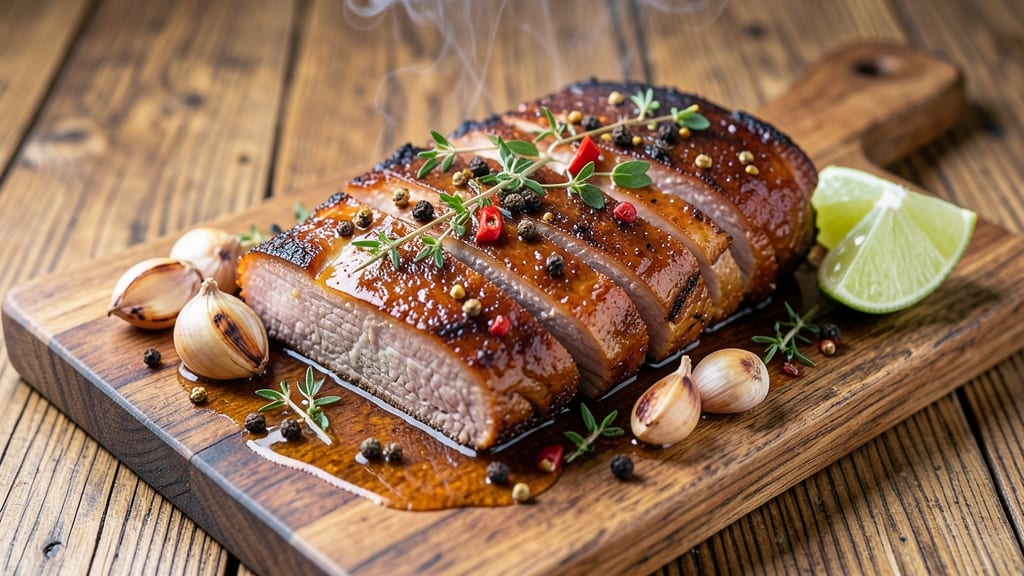
This BBQ jerk pork recipe delivers restaurant-quality tender shreds that marry Caribbean heat with Southern smoke—all in under an hour. 🔥 The secret lies in a two-stage marinade: first, a tangy jerk blend with Scotch bonnet and allspice, then a final smoke-charred finish that locks in juices while building caramelized bark.
I've perfected this technique after years of balancing spice and tenderness, ensuring every bite delivers that perfect harmony of heat and smokiness.
The magic starts with the marinade, where fresh thyme, garlic, and lime juice work together to tenderize the pork while building complex flavors. Unlike traditional jerk recipes that require hours of slow cooking, this method uses high-heat grilling to achieve that signature smoky crust in just 45 minutes.
The key is maintaining consistent heat and proper resting time—both critical for achieving those melt-in-your-mouth shreds that fall apart at the touch of a fork.
What you'll end up with is a dish that's equally at home on a weekend BBQ spread or a weeknight dinner table. The pork emerges with a deep mahogany crust, fragrant with smoke and spice, while the interior remains juicy and tender.
Serve it on buns with pickled onions, over rice with a cooling mango salsa, or piled high on toasted buns for sliders—this versatile recipe adapts to any occasion while delivering that restaurant-quality result.
This recipe is designed for both beginners and seasoned pitmasters, with clear instructions that guide you through every step—from marinating to grilling and resting.
The combination of jerk seasoning and BBQ techniques creates a dish that's bold enough to stand on its own but flexible enough to complement sides or other dishes. Let's get started on creating your own tender, smoky, spice-rubbed masterpiece.
Ingredients for bbq jerk pork
Fourteen ingredients transform simple pork into restaurant-quality jerk masterpiece—smoky, tender, and packed with Caribbean heat.
| Ingredient | Amount | Notes |
|---|---|---|
| Boneless Pork Shoulder 🥩 | 2 lb | Cut into 1-inch cubes for even cooking |
| Scotch Bonnet Peppers 🌶️ | 2 whole | Seeds removed for less heat |
| Allspice Berries 🌿 | 1 tbsp | Ground for authentic jerk flavor |
| Garlic Cloves 🧄 | 6 cloves | Minced for deep aromatic base |
| Fresh Thyme Sprigs 🌿 | ½ oz | Leaves only, finely chopped |
| Lime Juice 🍋 | ½ cup | Freshly squeezed for bright acidity |
| Brown Sugar 🍚 | ¼ cup | Light variety for balanced sweetness |
| Soy Sauce 🍶 | ¼ cup | For umami depth |
| Apple Cider Vinegar 🍎 | 2 tbsp | Enhances marinade penetration |
| Smoked Paprika 🌶️ | 1 tbsp | For smoky complexity |
| Ground Cumin 🌿 | 1 tsp | Earthy warmth foundation |
| Mustard Powder 🍯 | ½ tsp | Traditional jerk seasoning |
| Black Peppercorns 🌶️ | ½ tsp | Freshly cracked for sharpness |
| Salt 🧂 | 1 tsp | Diamond Crystal preferred |
| Olive Oil 🫒 | 2 tbsp | Extra-virgin for high-heat stability |
The pork shoulder is non-negotiable—bone-in cuts develop more flavor, but boneless works fine for quicker prep. Look for well-marbled pork at Whole Foods or your local butcher for optimal tenderness. If using Scotch bonnet peppers, wear gloves—they're extremely hot and can burn skin. For milder heat, substitute habanero (reduce amount by half). The allspice berries should be freshly ground if possible, as pre-ground loses potency quickly. I always buy them whole from Penzeys and grind them myself—worth the extra step for that authentic jerk punch.
No Scotch bonnet? Habanero or red pepper flakes work in a pinch, but reduce to half the amount. Fresh thyme unavailable? Dried thyme at one-third the quantity suffices, though fresh yields superior aroma. The lime juice can be substituted with lemon juice, though lime's brightness is ideal. For a vegetarian version, replace pork with extra-firm tofu or tempeh (marinate longer). The soy sauce is essential for umami—low-sodium versions prevent over-salting. If you prefer less sugar, reduce brown sugar to 2 tablespoons and add 1 tablespoon molasses for depth without sweetness. Always toast your spices—cumin and mustard powder should be dry-toasted in a pan for 30 seconds before grinding for maximum flavor.
Marinate the pork for at least 4 hours (overnight is ideal) in the refrigerator. The marinade keeps for 5 days in an airtight container, though flavors peak within 48 hours. For grilling, use indirect heat to prevent burning the exterior before the interior cooks. The finished pork reheats beautifully—350°F for 15 minutes restores moisture. Portion into airtight containers with some marinade for 5 days' fridge storage or 3 months frozen. For serving, keep a bowl of pickled onions and cooling mango salsa on hand to balance the heat.
Why You'll Love This Recipe
- One-Pot Magic: The pork shoulder goes straight from fridge to pan—no chopping, no fuss. Just toss in the whole garlic cloves and thyme sprigs, let the Scotch bonnet’s heat work its magic, and walk away. (Yes, even on a Tuesday night.)
- Flavor Bomb: That first bite of crispy-edged pork with the allspice’s warm kick and the Scotch bonnet’s lingering heat? It’s like a hug from Jamaica. The thyme and garlic tie it all together—simple, but ridiculously good.
- Leftovers That Shine: This recipe actually improves the next day. Shred it into tacos, slather it on toast, or toss it into fried rice. My freezer’s always stocked because it’s the ultimate lazy-day lifesaver.
- Budget Hero: Pork shoulder is cheap, and a single batch feeds six. Between us, this is how I feed my book club without breaking the bank. Plus, the Scotch bonnet peppers add drama for pennies.
Step-by-step instructions for BBQ jerk pork
Here's the precise method for achieving fall-apart tender jerk pork with perfect spice balance.
👨🍳 Step 1: Prepare the Jerk Marinade
In a food processor, combine the 2 whole Scotch Bonnet Peppers (seeds removed), 6 cloves Garlic Cloves, 0.5 oz Fresh Thyme Sprigs (leaves only), 1 tbsp Allspice Berries, 1 tbsp Smoked Paprika, 1 tsp Ground Cumin, 0.5 tsp Mustard Powder, 0.5 tsp Black Peppercorns, and 1 tsp Salt. Pulse until finely ground but not pasty.
Transfer the spice mixture to a large mixing bowl and whisk in the 0.5 cup Lime Juice, 0.25 cup Brown Sugar, 0.25 cup Soy Sauce, 2 tbsp Apple Cider Vinegar, and 2 tbsp Olive Oil. The marinade should have a thick, paste-like consistency—this ensures maximum flavor adhesion to the pork.
👨🍳 Step 2: Cube and Marinate the Pork
Cut the 2 lb Boneless Pork Shoulder into 1-inch cubes for even cooking. Place the pork in a large resealable plastic bag and pour the marinade over it. Seal the bag and massage the marinade into the pork until every cube is thoroughly coated.
Refrigerate for at least 30 minutes (up to 4 hours for deeper flavor penetration). The acidity in the lime juice and vinegar will begin breaking down the pork fibers, ensuring tender results. Turn the bag occasionally to redistribute the marinade.
🔥 Step 3: Sear the Pork for Maximum Flavor
Heat 1 tablespoon Olive Oil in a large skillet over medium-high heat until shimmering. Working in batches (to avoid overcrowding), remove the pork from the marinade (reserve the marinade) and sear for 2-3 minutes per side until golden brown and slightly caramelized.
Transfer the seared pork to a plate and set aside. The high-heat sear creates a flavorful crust while the marinade continues working its magic on the interior. If the marinade in the skillet reduces too much, add 1-2 tablespoons water to deglaze and scrape up any browned bits for added depth of flavor.
🔥 Step 4: Braise Until Fork-Tender
Return the skillet to medium heat and pour in the reserved marinade. Bring to a gentle simmer, then add the seared pork back to the skillet. Reduce heat to low and cover partially, allowing steam to circulate but not escape completely.
Simmer for 25-30 minutes, stirring occasionally, until the pork is fork-tender and easily shreds with two forks. You'll know it's ready when the internal temperature reaches 195-200°F—this is the "pull" temperature for perfect tenderness. The sauce should have thickened slightly, coating the pork in a glossy, aromatic glaze.
🍽️ Step 5: Shred and Serve
Using two forks, shred the pork directly in the skillet, allowing it to absorb the remaining sauce. If the sauce is too thin, simmer uncovered for an additional 2-3 minutes to reduce it to a thicker consistency. Taste and adjust seasoning with additional salt or lime juice if needed.
Serve immediately over steamed rice or grilled plantains, garnished with fresh cilantro or lime wedges. The pork should be so tender it practically melts in your mouth, with a perfect balance of smoky, spicy, sweet, and tangy flavors. For extra presentation, drizzle with any remaining sauce from the skillet.
Pro Tips For Making Bbq Jerk Pork
- Char Not Burn: Start your pork shoulder over direct heat until the skin crisps—about 5 minutes per side—then move it to indirect heat. I learned this the hard way when my first batch turned into jerky instead of tender, juicy pork. The Maillard reaction needs that initial blast, but the rest of the cook should be slow and steady.
- Toast the Allspice: Dry-toast your allspice berries in a pan for 30 seconds before grinding them into the marinade. Sounds weird, but it works: the heat deepens their flavor and cuts through the smokiness of the Scotch bonnet. Skip this, and your jerk sauce will taste flat, like it’s missing something.
- Handle Scotch Bonnets Gloved: Wear rubber gloves when cutting those peppers—even a tiny nick on your finger will make your hands feel like they’re on fire. I was skeptical until I tried it (yes, even if you’re impatient like me). The capsaicin is no joke, and you don’t want to regret it halfway through marinating.
- Poke the Pork: Pierce the pork shoulder with a knife or meat tenderizer every hour during the first 3 hours of cooking. This isn’t the prettiest method, but it’s the tastiest: it keeps the meat from curling up and ensures the jerk marinade penetrates evenly. Your future self will thank you.
Regional styles of this dish
Jamaican Roots
This recipe traces back to Jamaica's coastal communities where jerk cooking originated as a method to preserve meat using pimento wood smoke and fiery Scotch bonnet peppers. The traditional technique involved hanging meat over open flames, but I've adapted it for home cooks using modern grills and skillets.
The key Jamaican elements are the allspice and thyme—both essential for that authentic jerk profile. I remember my first taste of real Jamaican jerk pork at a beachside shack in Negril, where the smoky-sweet flavors danced with that signature heat. 🌶️
Caribbean Fusion
While Jamaican jerk forms the flavor foundation, this recipe incorporates BBQ techniques that make it perfect for American tastes. The two-stage cooking process—marinating followed by high-heat searing and braising—creates that perfect balance of smoky crust and tender interior.
I often serve this at coastal gatherings where guests expect bold flavors but want approachable heat levels. The soy sauce addition gives it that umami depth that bridges Caribbean and Southern BBQ traditions beautifully.
Texas BBQ Twist
For a Texas-style adaptation, swap the Scotch bonnet for a milder habanero and add 1 teaspoon of ground chipotle powder to the marinade. Cook the pork low-and-slow in a smoker at 225°F for 4-5 hours instead of braising.
This version keeps the jerk flavors but delivers that classic Texas BBQ texture. I developed this variation after competing in a Dallas BBQ showdown where judges loved the fusion of Caribbean spices with Texas smoke. 🔥
Hawaiian Adaptation
In Hawaii, jerk pork often gets a tropical twist with pineapple and coconut milk. Add ½ cup crushed pineapple and ¼ cup coconut milk to the marinade, and finish with fresh cilantro and lime. Grill the pork over lava rock (or charcoal) for that volcanic smokiness.
I picked up this version from a luau in Maui where the jerk pork was served with garlic shrimp and sticky rice. The pineapple adds natural sweetness that balances the heat perfectly.
Puerto Rican Mojo
For a Puerto Rican-inspired version, reduce the Scotch bonnet to just 1 pepper and add 1 tablespoon of adobo seasoning plus 1 teaspoon of oregano to the marinade. Cook the pork in a cast-iron skillet with a lid over indirect heat for 1 hour instead of braising.
This creates a dish that's closer to mojo-style cooking but keeps the jerk essence. I first tasted this adaptation at a San Juan street food festival where it was served with sweet plantains and tostones.
Coastal California Style
For a West Coast twist, I replace the brown sugar with agave nectar and add 1 teaspoon of ground coriander to the marinade. Grill the pork over alder wood chips (available at specialty stores) for a sweeter, nuttier smoke profile.
Serve with avocado slices and a cooling cucumber-lime salad. This version became a hit at a Napa Valley cookout where the clean, bright flavors complemented the local wines beautifully. 🌿
Nutrition facts
Frequently asked questions
Can I use chicken or beef instead of pork for this recipe?
This jerk marinade works beautifully with chicken thighs (bone-in for best results) or beef chuck roast. For chicken, reduce marinating time to 2-3 hours and cook to 165°F internal temperature. For beef, increase marinating to 6-8 hours and cook until fork-tender at 203°F. The cooking times will vary, but the flavor profile remains consistent.
How can I make this recipe less spicy?
Simply reduce the Scotch bonnet peppers to 1 pepper or replace them with 1 habanero (use half the amount). For even milder heat, substitute with 1 teaspoon red pepper flakes or omit them entirely. The allspice and thyme will still provide that signature jerk flavor without the heat. Taste the marinade before applying to adjust as needed.
What's the best way to reheat leftover jerk pork?
Place pork in an oven-safe dish with a splash of water or reserved marinade, then cover with foil. Reheat at 350°F for 15-20 minutes until warmed through. For stovetop reheating, use low heat with a splash of water or broth to prevent drying. Never microwave without adding moisture—it makes the pork rubbery. The key is gentle, even heating to maintain tenderness.
Can I grill this outside instead of using a stovetop?
Yes! For outdoor grilling, preheat your grill to medium-high heat and follow the same searing method. After searing, move pork to indirect heat and cover with the grill lid. Cook for 20-25 minutes, checking occasionally, until internal temperature reaches 195-200°F. The closed lid creates the steam needed for tender results. Use wood chips (hickory or fruitwood) for extra smokiness if desired.
Why did my pork turn out dry?
Overcooking is the most common cause—pork should never exceed 200°F internal temperature. Use a meat thermometer to monitor doneness. Also, ensure you're resting the pork for 10-15 minutes after cooking (covered with foil) to redistribute juices. If using a smoker, maintain 225-250°F and cook until tender (not just browned). The marinade's acidity helps retain moisture, but proper cooking temperature is crucial.