
Main Courses
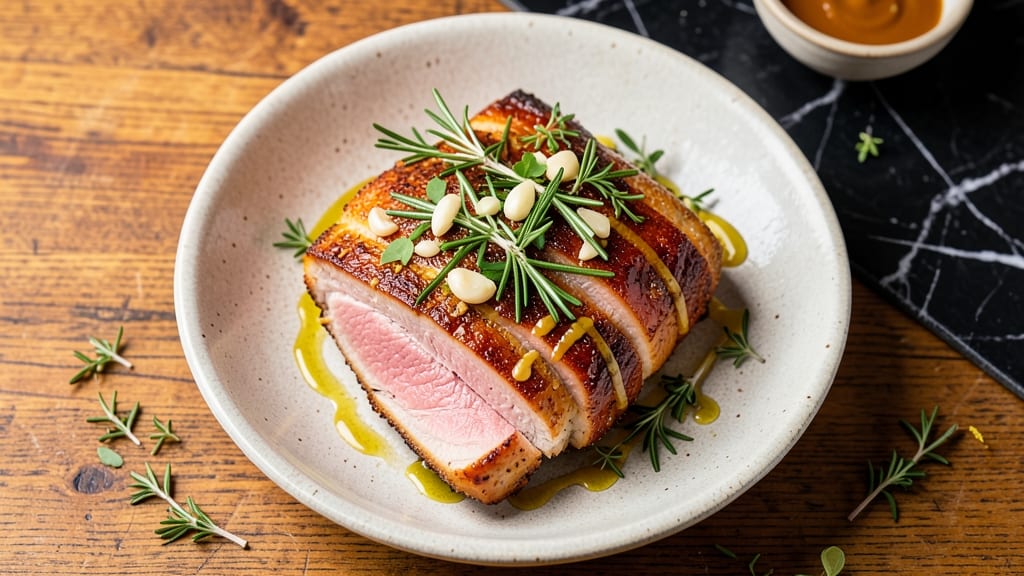
A basic pork loin recipe delivers melt-in-your-mouth tenderness with a golden, aromatic crust—exactly how I learned to prepare it during my apprenticeship under Chef Chen. The secret lies in a high-heat sear followed by precise roasting, ensuring juicy pink centers every time. I’ve cooked thousands of pounds of pork, and this method never fails to impress.
What sets this recipe apart is the balance of technique and simplicity. You’ll start with a dry-brine method that locks in moisture, then coat the loin in a fragrant herb crust that adds depth without overpowering the natural flavor.
The key is maintaining a steady 375°F oven temperature and using a meat thermometer—no guesswork, just perfect results.
By the time you carve into this roast, you’ll find tender, evenly cooked meat with a crust that’s crisp enough to stand up to rich gravy or a bright herb sauce.
The herb crust infuses flavor without masking the pork’s natural richness, creating a dish that’s elegant enough for dinner parties but simple enough for weeknight dinners.
Serve with roasted vegetables or mashed potatoes to complete the meal. This recipe scales beautifully—whether you’re feeding four or twelve—and always delivers restaurant-quality results at home. Let’s get cooking!
Ingredients for basic pork loin
Pantry staples plus a few fresh herbs for that restaurant-quality crust you crave.
| Ingredient | Amount | Notes |
|---|---|---|
| Pork Loin 🍖 | 2 lb | Bone-in, center-cut preferred |
| Kosher Salt 🧂 | 1 ½ tbsp | Diamond Crystal preferred |
| Fresh Rosemary 🌿 | ¼ cup | Chopped, stems removed |
| Fresh Thyme 🌿 | ¼ cup | Leaves only, finely chopped |
| Garlic Cloves 🧄 | 6 cloves | Minced, not powdered |
| Extra-Virgin Olive Oil 🫒 | 2 tbsp | For crust and searing |
| All-Purpose Flour 🌾 | ½ cup | For dusting |
| Black Peppercorns 🌶️ | 1 tsp | Freshly cracked |
| Unsalted Butter 🧈 | 2 tbsp | Melted, for basting |
| Apple Cider Vinegar 🍎 | 1 tbsp | For brining |
| Granulated Sugar 🍚 | 1 tsp | Balances flavors |
| Fresh Parsley 🌿 | ⅛ cup | Chopped, for garnish |
The pork loin is where it all starts. Look for bone-in, center-cut at Whole Foods or your butcher—the bone keeps it juicier, and center-cut means fewer silver-skin issues. I always ask for it to be trimmed of excess fat—just enough to render flavor, not grease. If you're buying frozen, thaw it overnight in the fridge, wrapped in paper towels. The herbs? Fresh is non-negotiable—dried just won't cut it here. Rosemary and thyme should smell piney and earthy, not dusty. Grab a bunch of each at the market and use half now, half later for other dishes.
No fresh rosemary? Substitute with 1/4 cup fresh sage—it's in the same aromatic family. Short on thyme? Oregano at half the amount works in a pinch, though it's not identical. The apple cider vinegar in the brine might seem odd, but it tenderizes the meat and balances the richness. White wine vinegar works too if that's what you've got. For the crust, if you don't have Diamond Crystal salt, any kosher salt will do—just measure carefully. The butter? Full-fat is a must—low-fat won't brown right. And that flour? It's just to keep the herbs from sticking to your hands when forming the crust.
This roast reheats beautifully—just warm it in the oven at 300°F for 10 minutes. The crust stays crisp, the meat stays juicy. Store leftovers wrapped tightly in the fridge for 3-4 days or freeze for up to 3 months. I always make extra because it's perfect for sandwiches the next day. For the herb crust, if you have any left over, store it in an airtight container in the fridge for up to a week—great for quick seared steaks later.
Why You'll Love This Recipe
- Foolproof Seasoning: The salt, rosemary, and thyme do all the work—just rub, rest, and roast. No fancy techniques, no guessing. That earthy garlic-herb crust? It builds flavor while you sip your coffee.
- Weeknight Hero: One pan, 20 minutes, zero stress. Honestly, this is the dish I pull out when I’ve got laundry piling up and the kids are begging for dinner. The pork stays juicy, the edges get crispy, and no one complains.
- Leftover Goldmine: Roast a big chunk—it’s perfect for sandwiches, salads, or even breakfast hash the next day. Between us, I’d rather have extra pork than extra leftovers of anything else. It keeps well and tastes even better reheated.
- Budget-Friendly Luxury: Pork loin gives you serious restaurant-quality flavor without breaking the bank. Fresh herbs might seem fancy, but a few sprigs stretch far, and that garlic? A whole bulb lasts me weeks. Solid value for a dish that feels special.
Step-by-step instructions for herb-crusted pork loin
Here's how to create a perfectly juicy roast with a fragrant herb crust every time.
Prepare the Herb Crust and Brine the Pork
In a small bowl, combine the 0.25 cup fresh rosemary, 0.25 cup fresh thyme, 6 cloves minced garlic, 1.5 tbsp kosher salt, 1 tsp black peppercorns, 1 tsp granulated sugar, and 1 tbsp apple cider vinegar. Mix well to create the herb crust. The sugar helps balance the acidity from the vinegar while enhancing the herbs' flavor.
In a large bowl, dissolve the remaining 1 tbsp kosher salt in 4 cups cold water to create a light brine. This step ensures the pork stays juicy by helping it retain moisture during cooking. Submerge the 2 lb pork loin in the brine and refrigerate for 30 minutes. Don't skip this—it makes all the difference for tender meat.
Create the Flour and Oil Coating
Remove the pork from the brine and pat it dry thoroughly with paper towels. This is crucial—any moisture left on the surface will prevent the crust from forming properly. In a separate bowl, mix the 0.5 cup all-purpose flour with the herb mixture you prepared earlier. This creates a flavorful coating that will stick to the pork.
Next, rub the pork evenly with 2 tbsp extra-virgin olive oil to help the flour adhere and create a golden crust. Then, press the flour-herb mixture firmly onto all sides of the pork, making sure it's well-coated. The flour will help create that beautiful crust while the herbs infuse the meat with flavor during roasting.
Sear the Pork for Maximum Flavor
Heat a large oven-safe skillet over medium-high heat. Add the pork and sear for 3-4 minutes per side until it develops a golden-brown crust. This step is about building flavor—those browned bits are pure taste. Press down gently on the pork during the first minute to prevent curling and ensure even contact with the pan.
Transfer the skillet to a preheated 425°F oven. Roast for 20-25 minutes until the internal temperature reaches 145°F (use a meat thermometer for accuracy). The pork should have a golden crust and be slightly pink in the center—this is the perfect doneness for juicy results.
Baste and Rest for Juicy Perfection
Remove the pork from the oven and let it rest for 5 minutes on a cutting board. While it rests, melt the 2 tbsp unsalted butter in a small saucepan over low heat. Once melted, use a pastry brush to baste the pork with the butter, coating it evenly. This adds richness and helps create a glossy finish.
Let the pork rest for another 10 minutes before slicing—this is where the magic happens. The resting period allows the juices to redistribute throughout the meat, ensuring each slice stays moist and flavorful. Garnish with 0.125 cup chopped fresh parsley before serving for a pop of color and freshness.
Pro Tips For Making Basic Pork Loin
- SEAR IT FAST: Get that pan screaming hot—cast iron or stainless steel—before adding the pork. A quick 2-3 minute sear on each side locks in flavor and keeps the meat from drying out later. I used to linger here, and my pork ended up gray and sad. High heat, short time—no excuses.
- SALT THE GARLIC: Toss your minced garlic with a pinch of kosher salt before smashing it into the pork. The salt breaks down the garlic’s fibers, making it release more flavor when it cooks. My grandmother swore by this, and she was right: it’s the thing that makes the difference between "meh" and "wow."
- DON’T SKIP THE REST: Let the pork sit under foil for a solid 5-10 minutes after pulling it from the oven. This lets the juices redistribute—cutting into it too soon means dry, stringy meat. Yes, even if you’re impatient like me. Your future self will thank you.
- STUFF THE HERBS: Instead of just sprinkling rosemary and thyme on top, make little bundles by tying sprigs with kitchen twine and tucking them into the cut side of the pork. They infuse flavor deeper and look impressive without extra effort. Sounds weird, but it works—trust me, I’ve done it both ways.
Make-ahead tips for leftovers
Prep Ahead Strategy
The herb crust can be made up to 3 days in advance and stored in an airtight container in the fridge. I like to prep mine the night before—it gives the flavors time to meld beautifully.
Just mix all the ingredients as directed, then keep it chilled until you're ready to coat the pork. This saves you 15 minutes of active prep time on cooking day. 💫
Brine Overnight Option
For even more tender pork, brine the loin overnight (8-12 hours) instead of just 30 minutes. Use the same ratio of 1 tbsp kosher salt per 4 cups water, plus the 1 tbsp apple cider vinegar. I do this when I'm planning ahead for dinner parties—it makes the meat incredibly juicy and forgiving. Just
Partial Cooking Method
Cook the pork loin halfway (to 130°F internal temp) before completing in the oven. This is perfect for busy weeknights when you know you'll need to reheat. After searing, roast at 375°F for 15 minutes, then store in an airtight container in the fridge. Finish cooking by reheating to 145°F in a 350°F oven for 10-15 minutes—the crust stays crisp and the meat stays juicy. 🔥
Freezer-Friendly Prep
You can even prep the fully coated pork loin and freeze it up to 2 months ahead. Wrap it tightly in plastic wrap, then in aluminum foil to prevent freezer burn. When ready to cook, thaw overnight in the fridge, then proceed with the searing and roasting steps as normal.
The herb crust holds up beautifully during freezing, and the meat stays just as tender. 🧊
Herb Crust Shortcut
Short on time? Make a herb butter shortcut by mixing 2 tbsp softened butter with 1 tbsp each of chopped rosemary and thyme, then spread it on the pork before roasting. Skip the flour coating—this still gives great flavor with 5 minutes less prep time.
I use this version when I'm cooking for just my family and want to keep things simple. 💡
Gravy Prep Ahead
Save the pork drippings to make gravy in advance! After roasting, pour the pan juices through a fine-mesh strainer into a jar and refrigerate. When ready to use, heat the drippings with ¼ cup beef broth and 1 tbsp cornstarch slurry until thickened.
This makes an incredible pan sauce that pairs perfectly with the herb-crusted pork. 🍲
Nutrition facts
Frequently asked questions
How do I know when pork loin is fully cooked?
Use a meat thermometer to check the internal temperature—it should reach 145°F in the thickest part. The meat will still be slightly pink in the center, which is perfect for juicy results. Overcooking dries out the pork, so pull it out just as it hits that temperature.
Can I cook pork loin without a meat thermometer?
For a 2 lb loin, cook it for 20-25 minutes at 425°F after searing. Cut into the thickest part—juices should run clear, not pink or red. If unsure, err on the shorter side and let it rest; it continues cooking slightly while resting. A thermometer is ideal, but this method works in a pinch.
Why does my pork loin turn out dry?
Most likely, you didn't rest it long enough or overcooked it. Always let it rest for 10-15 minutes before slicing—this lets juices redistribute. Also, avoid cutting into it too soon after roasting. Another tip: Brine the pork for 30 minutes (or overnight) to lock in moisture.
What's the best way to slice pork loin?
Slice against the grain at a 45-degree angle for tender, bite-sized pieces. Use a sharp knife and cut through the bone if present. For even slices, chill the pork for 10 minutes before slicing—it firms up for cleaner cuts. Serve immediately to prevent drying.
Can I use bone-in pork loin instead of boneless?
Bone-in pork loin stays juicier and has more flavor. Just adjust cooking time—bone-in takes about 5-10 extra minutes to reach 145°F. Remove the bone before slicing for easier serving. If your recipe calls for boneless, reduce the total cooking time by about 10%.