
Main Courses
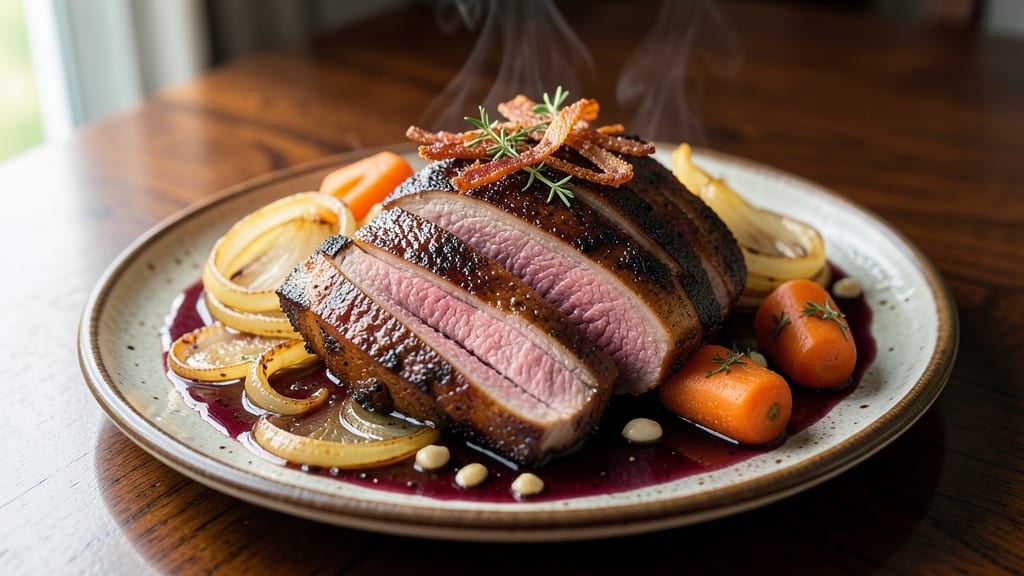
This braised pork loin roast recipe transforms a simple cut into melt-in-your-mouth perfection through the magic of slow cooking. ✨ As someone who's cooked thousands of pounds of pork professionally, I can tell you this technique—where tender meat absorbs rich, aromatic flavors—is where comfort food truly shines. The secret lies in patience: letting the meat break down in its own juices until it's so tender it practically falls apart.
What makes this recipe special is its versatility—whether you're using red wine for depth, herb-infused broth for brightness, or a combination of both. The pork loin stays juicy and flavorful, while the braising liquid reduces into a glossy sauce that coats every bite.
I've perfected this method to work with both bone-in and boneless cuts, making it adaptable for any kitchen.
By the time you're done, you'll have a dish that's rich, satisfying, and packed with layers of flavor—ideal for family dinners or special occasions. The slow simmer develops complex aromas that turn your kitchen into a cozy haven, while the tender meat becomes the star of the meal.
This is the kind of recipe that makes people ask for seconds before they've even finished their first plate.
The best part? Leftovers reheat beautifully, making this an excellent meal prep option. Serve with crusty bread to soak up that delicious sauce, or pair it with roasted vegetables for a complete, hearty dinner. Let's get started on creating this restaurant-quality centerpiece at home.
Ingredients for braised pork loin roast
Pantry staples meet slow-cooked magic for this rich, comforting pork roast.
| Ingredient | Amount | Notes |
|---|---|---|
| Pork Loin Roast 🐖 | 3 lb | Bone-in preferred for flavor |
| Yellow Onion 🧅 | 2 whole | Chopped into wedges |
| Carrots 🥕 | 4 whole | Halved lengthwise, peeled |
| Garlic Cloves 🧄 | 6 cloves | Smashed but not minced |
| Red Wine 🍷 | 1 ½ cups | Bold dry variety like Cabernet |
| Beef Broth 💧 | 2 cups | Low-sodium preferred |
| Olive Oil 🫒 | ¼ cup | Extra-virgin for richness |
| Fresh Thyme 🌿 | ¼ cup | Stems removed, leaves only |
| Fresh Rosemary 🌿 | 0.2 cup | Needles chopped, stems removed |
| Tomato Paste 🍅 | 2 tbsp | Smooth, not chunky |
| Salt 🧂 | 1 ½ tsp | Kosher or sea salt |
| Black Pepper 🌶️ | 1 tsp | Freshly ground preferred |
| Bay Leaf 🌿 | 2 whole | Fresh if possible |
| All-Purpose Flour 🌾 | 1 tbsp | For dredging meat |
The pork loin is the star here—bone-in cuts develop more flavor, but boneless works too. Look for well-marbled pork at your butcher or grocery store's meat counter. Costco or Whole Foods have great options if you're buying in bulk. Fresh herbs make all the difference, so grab thyme and rosemary from the grocery store's produce section—they're usually fresher than the dried stuff. For the red wine, any bold dry variety works—Cabernet or Merlot are my go-tos, but whatever's open and tastes good will do. The beef broth should be low-sodium unless you're adding extra salt later.
No red wine? Substitute with extra beef broth and a splash of balsamic vinegar—it adds depth without the alcohol. Fresh herbs wilt fast, so dried thyme and rosemary at half the amount work in a pinch. The tomato paste can be skipped if you're short, but it adds that perfect umami richness. For the flour, all-purpose works fine, but if you've got bread flour, it'll give a slightly thicker coating. The carrots and onions can be swapped for celery or potatoes if you prefer—just keep the same rough volume. And if you're worried about the pork being too lean, ask your butcher to trim some fat and add it to the braising liquid for extra flavor.
This dish tastes even better the next day, so make extra if you can. The braising liquid keeps in the fridge for 5-6 days—just reheat gently and shred the pork if needed. For leftovers, store in airtight containers with some of the sauce to keep it moist. The pork reheats beautifully in the oven at 350°F for 15-20 minutes, covered with foil. If you're prepping ahead, you can even freeze the fully cooked roast for up to 3 months. Just thaw it in the fridge overnight before reheating.
Why You'll Love This Recipe
- One-Pan Magic: I swear by this recipe when I’m too tired to scrub pots—just sear the pork, toss in chopped onions and carrots, pour in the wine, and let it bubble away. The veggies soften right in the same pan, so cleanup is basically nonexistent.
- Wine-Infused Richness: That splash of red wine isn’t just for show—it deepens the pork into something ridiculously tender with a savory, slightly tangy edge. Honestly, the first bite makes me forget I didn’t spend hours marinating.
- Leftovers That Beg for Reheats: Between us, this dish tastes better the next day—crispy edges soften into melt-in-your-mouth perfection. I make a double batch on Sundays because my kids actually ask for it cold in their lunches (yes, it’s that good).
- Budget-Friendly Feast: Pork loin stretches further than you’d think when braised, and the onions, carrots, and garlic cost pennies. I’ll be real: this is my go-to when I need to feed four people without breaking the bank or ordering takeout.
Step-by-step instructions for braised pork loin roast
Here's how to transform simple ingredients into rich, comforting braised pork that falls apart tender.
🔥 Step 1: Sear the Pork Loin for Maximum Flavor
Pat the 3 lb pork loin roast completely dry with paper towels—this ensures a perfect crust. Heat the 0.25 cup olive oil in a large Dutch oven over medium-high heat until shimmering. Place the pork in the pan and sear on all sides for 4-5 minutes per side until deeply golden brown.
Here's the thing—don't rush this step. You want that beautiful Maillard reaction happening, which creates all that deep, caramelized flavor. If it starts to brown too quickly, reduce heat slightly. Once seared, remove the pork and set it aside on a plate.
👨🍳 Step 2: Build the Aromatic Base
In the same Dutch oven, add the 2 whole yellow onion wedges and 4 halved carrots. Cook for 5 minutes until the onions soften and begin to caramelize slightly. Add the 6 smashed garlic cloves, 0.25 cup fresh thyme, 0.2 cup chopped fresh rosemary, 2 whole bay leaves, 1.5 tsp salt, and 1 tsp black pepper.
Stir everything together and cook for another 2 minutes until fragrant. The herbs should release their essential oils and fill your kitchen with that amazing aroma. This aromatic base is what transforms a simple braise into something truly special.
🍳 Step 3: Create the Braising Liquid
Sprinkle the 1 tbsp all-purpose flour over the vegetables and stir to coat them evenly. Cook for 1 minute to toast the flour slightly, which helps thicken the braising liquid. Add the 2 tbsp tomato paste and stir for 30 seconds until it darkens slightly.
Pour in the 1.5 cups red wine, scraping up any browned bits from the bottom of the pan. Let it simmer for 3 minutes until reduced by half. Then add the 2 cups beef broth and stir to combine. The liquid should be enough to come about halfway up the sides of the pork when you return it to the pot.
⏰ Step 4: Braise Until Fork-Tender
Return the seared pork to the Dutch oven, placing it on top of the vegetables. Bring the liquid to a gentle simmer over medium-low heat. Here's the key: cover the pot and let it cook undisturbed for 2-2.5 hours until the pork is fork-tender and falls apart easily.
Don't peek or stir during this time—it releases steam and can make the pork tough. You'll know it's done when the meat separates at the touch of a fork and the sauce has thickened into a rich, velvety consistency. If the liquid reduces too much before the pork is tender, add a splash of water or broth.
🍽️ Step 5: Rest and Serve with Pan Sauce
Remove the pork from the braising liquid and transfer it to a serving platter. Tent loosely with foil and let it rest for 10 minutes. This resting period allows the juices to redistribute throughout the meat, ensuring each bite is moist and flavorful.
While the pork rests, skim off any excess fat from the braising liquid and return it to medium heat. Simmer for 5-7 minutes until it thickens slightly into a glossy sauce. Slice the pork against the grain and serve with the pan sauce spooned over the top. The result should be melt-in-your-mouth pork with a rich, aromatic sauce that makes every bite comforting and satisfying.
Pro Tips For Making Braised Pork Loin Roast
- SEAR THE PORK FIRST: Don’t skip the initial sear—get that pan smoking hot and walk away for 3-4 minutes per side. I used to rush this, and the pork always ended up gray instead of deep brown. The crust locks in flavor and keeps the meat from drying out during the long braise.
- SLICE ONIONS THICK: Thin slices turn to mush in wine. Cut onions into ½-inch chunks—they’ll stay intact and caramelize into sweet, jammy bits. (Yes, even if it looks messy. Trust me.)
- DEGLAZE WITH WINE IMMEDIATELY: As soon as you remove the pork, pour in that red wine right into the hot pan. Scrape up every browned bit—this is where the magic happens. Let it reduce by half before adding broth. Skimp here, and you’ll miss half the flavor.
- COVER TIGHTLY AFTER 45 MINUTES: The first hour at high heat renders fat, but after that, switch to low and cover with foil. I learned this the hard way—my first batch dried out because I peeked too often. Let it steam gently for the last 2 hours.
Pro cooking tips for braised pork loin roast
Sear Like a Pro
That initial sear is where all the magic starts. I can't stress enough how important it is to get a deep, golden crust on that pork—this is where the Maillard reaction happens, creating those complex flavors.
Use a Dutch oven (I love my Lodge 6-quart—it's my go-to for braising) and heat the olive oil until it's shimmering but not smoking. Medium-high heat is key here. Let the pork sit in the oil for 4-5 minutes per side until it's deeply browned.
If you're using a boneless cut, flip it carefully with tongs to avoid tearing the meat. 🔥
Pro tip: If you're nervous about burning the pork, reduce the heat slightly once it starts browning. The goal is a deep golden color, not blackened edges.
Once seared, let the pork rest on a plate while you build the aromatic base—this helps it retain its juices during the long braise.
Layer Flavors Strategically
After searing, build your flavor base by cooking the onions and carrots until they're just starting to caramelize—this adds sweetness that balances the acidity of the wine.
I like to add the garlic, thyme, and rosemary right after because their aromas release when exposed to heat. Fresh herbs make all the difference—dried will work in a pinch, but nothing beats the bright, fresh flavor of the real thing.
Smash the garlic cloves instead of mincing them to release more flavor without turning the liquid bitter. 🌿
Here's where I get personal: I always toast the flour in the pan for about 1 minute before adding the tomato paste. This step might seem small, but it helps thicken the braising liquid later and adds a subtle nutty flavor.
The tomato paste gives that umami depth that ties everything together—don't skip it if you can help it.
Master the Braising Liquid
The ratio of liquid to meat is crucial. You want enough to come about halfway up the sides of the pork when you return it to the pot.
I typically use 1.5 cups red wine reduced by half plus 2 cups beef broth—this gives you enough liquid to braise without drowning the pork. The wine should be bold and dry (Cabernet or Merlot work perfectly), but any dry red will do in a pinch.
If you're avoiding alcohol, substitute with extra broth and a splash of balsamic vinegar. 🍷
After adding the liquid, bring it to a gentle simmer—medium-low heat is critical here. The liquid should bubble softly but not vigorously. Cover the pot and let it cook undisturbed. This is where patience pays off.
The pork needs 2-2.5 hours to become fork-tender. Resist the urge to peek or stir—every time you lift the lid, you release steam that can make the pork tough.
Don't Skip the Rest
I know it's tempting to dig in right away, but letting the pork rest for 10 minutes before slicing is non-negotiable. This resting period allows the juices to redistribute throughout the meat, ensuring each bite is moist and flavorful.
While it rests, skim off any excess fat from the braising liquid and reduce it slightly to create a glossy sauce. This sauce is where all the flavors come together—it's the star of the dish alongside the pork. 💫
When you're ready to serve, slice the pork against the grain for tender, easy-to-eat pieces. The sauce should coat the meat beautifully, making every bite rich and satisfying.
Trust me, the wait is worth it—this is the kind of dish that makes people ask for seconds before they've even finished their first plate.
Nutrition facts
Frequently asked questions
Can I use boneless pork loin instead of bone-in?
Yes, boneless pork loin works perfectly—just be extra gentle when searing to avoid tearing the meat. The cooking time remains the same (2-2.5 hours), but boneless cuts may require slightly less braising liquid since they're more compact. For even tenderness, consider butterflying the roast before braising.
What if I don't have red wine? What's the best substitute?
Use 2 cups beef broth plus 2 tablespoons balsamic vinegar for depth, or swap the wine entirely for 1.5 cups extra broth with 1 tablespoon soy sauce for umami. For a non-alcoholic option, try 1 cup apple cider plus 1 cup broth—it adds subtle sweetness that complements the pork beautifully.
How do I know when the pork is fully tender?
Insert a meat thermometer into the thickest part—it should read 195-203°F (well-done for braised pork). The meat should also separate easily with a fork when pressed gently. If it's not quite there after 2 hours, add ½ cup more broth and continue cooking for 30-60 minutes more.
Can I make this in an Instant Pot or slow cooker?
For an Instant Pot, sear the pork first, then add all ingredients and cook on high pressure for 45 minutes. For a slow cooker, use low heat for 6-8 hours or high heat for 4-5 hours. The key is to keep the liquid level consistent—add broth if needed during cooking. The texture will be slightly different but still incredibly tender.
What are the best sides to serve with braised pork?
This rich dish pairs perfectly with creamy mashed potatoes, roasted root vegetables, or crusty sourdough bread for soaking up the sauce. For a lighter option, try a fresh arugula salad with lemon vinaigrette to cut through the richness. The classic Southern combo of braised pork with cornbread is also a winner!