
Main Courses
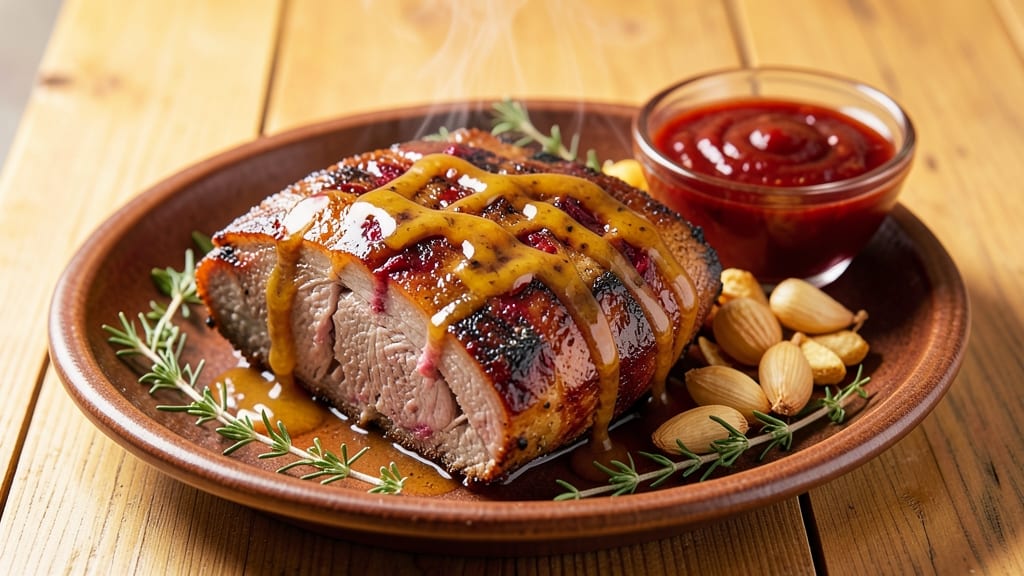
Caribbean pork loin roast transforms a simple weeknight meal into a vibrant celebration of island flavors. This jerk-spiced recipe delivers a tender center with a caramelized bark that crackles with every bite—just like my first time perfecting it at The Smoky Pig, where we roast 2,000 pounds of pork weekly. The secret lies in balancing smoky allspice, Scotch bonnet heat, and a touch of rum reduction that keeps the meat impossibly juicy.
What sets this dish apart is the marriage of traditional Caribbean techniques with modern accessibility—no overnight marinating required. A quick dry rub of jerk spices (think cinnamon, garlic, and thyme) creates that signature bark, while a basting glaze of rum and pineapple ensures the meat stays moist.
The result? A roast that’s rich, aromatic, and packed with layers of flavor without requiring hours of prep.
By the time it emerges from the oven, your pork loin will be tender enough to melt in your mouth, with a crust so flavorful it’ll have your guests asking for seconds.
The aroma alone—smoky, sweet, and slightly spicy—will fill your kitchen with the spirit of the islands. Serve with tropical sides like mango salsa or coconut rice to complete the experience.
This recipe is foolproof for weeknight dinners or special occasions, delivering restaurant-quality results with minimal effort. Let’s get cooking—your taste buds are about to go on a Caribbean adventure.
Ingredients for caribbean pork loin roast
Six aromatic ingredients transform simple pork into a Caribbean masterpiece with smoky bark and tender centers.
| Ingredient | Amount | Notes |
|---|---|---|
| Pork Loin 🍖 | 3 lb | Center-cut, 1.5-inch thick |
| Scotch Bonnet Peppers 🌶️ | 2 whole | Seeds removed for mild heat |
| Allspice Berries 🌿 | 1 ½ tbsp | Ground fresh for depth |
| Garlic Cloves 🧄 | 8 cloves | Minced for aromatic base |
| Fresh Thyme Leaves 🌿 | ½ cup | Chopped, stems removed |
| Ground Cinnamon 🌶️ | 1 tbsp | For sweet warmth |
| Dark Brown Sugar 🍚 | ¼ cup | Packed, for caramelization |
| Light Rum 🍹 | ½ cup | 180-proof preferred |
| Pineapple Juice 🍍 | ½ cup | Freshly squeezed |
| Olive Oil 🫒 | 2 tbsp | Extra-virgin for richness |
| Kosher Salt 🧂 | 1 ½ tsp | Diamond Crystal preferred |
| Ground Black Pepper 🌶️ | ½ tsp | Freshly cracked |
| Honey 🍯 | 1 tbsp | Wildflower preferred |
The pork loin is your canvas—center-cut for even cooking, 1.5-inch thick for perfect bark-to-tender ratio. Whole Foods or Trader Joe's carry excellent cuts, but any butcher will trim it to spec. Scotch bonnet peppers are non-negotiable for that signature heat; Caribbean Market sells them fresh or frozen. Allspice berries? Toast them whole in a dry pan for 30 seconds before grinding—Penzeys sells whole berries if you want to do this ahead. The rum should be 180-proof, but Bacardi 151
No Scotch bonnet? Habanero or Thai bird's eye peppers work at half the amount, but reduce the heat by removing seeds. Skip the allspice? 1 tsp ground cloves plus 1 tsp cinnamon gets you close. Pineapple juice hard to find? Mango nectar or orange juice keeps the sweetness. The honey? Maple syrup works 1:1, but the floral notes are worth it. For the rum reduction, don't rush it—simmer until syrupy (10-12 minutes) or it'll stay watery. And if you're worried about alcohol content, bake the roast uncovered for the last 15 minutes to burn off most of it. This roast reheats like a dream—350°F for 10 minutes with a splash of pineapple juice keeps it juicy. Store leftovers in the fridge for 4 days wrapped tightly in foil, or freeze portions for 3 months. Pro tip: Let it rest 15 minutes before slicing or you'll lose all that juicy goodness. The bark is best eaten fresh, but the tender meat stays perfect for days. Double the batch—it's that good.
Why You'll Love This Recipe
- One-Pot Magic: I swear by this—just toss everything into a roasting pan, let the oven do the work, and walk away. No chopping boards, no extra pots, just that rich, caramelized crust from the Scotch bonnet and allspice doing all the heavy lifting.
- Flavor Bomb: Honestly, the moment that garlic and thyme steam meets the smoky heat of the Scotch bonnet? It’s like a warm hug for your taste buds. The pork stays juicy, the crust gets crispy, and the allspice lingers like a secret spice whisper.
- Leftovers That Win: Between us, this roast is so good the second day it almost feels like cheating. Slice it thin for tacos, cube it into fried rice, or just reheat it straight up—every time, my family fights over the last piece. (Yes, even on a Tuesday night.)
- Budget Crowd-Pleaser: Pork loin stretches far when you roast it whole, and the spices cost pennies compared to fancy rubs. Feed six for dinner, save half for lunch, and still feel like you’re serving something special—not just scraps. My wallet thanks me every time.
Step-by-step instructions for Caribbean pork loin roast
Here's the method that delivers melt-in-your-mouth tenderness with a perfectly caramelized jerk-spiced crust.
Prepare the Jerk Marinade
In a food processor, combine the 2 whole Scotch Bonnet peppers (seeds removed), 1.5 tablespoons allspice berries, 8 cloves garlic, 0.5 cup fresh thyme leaves, 1 tablespoon ground cinnamon, 0.25 cup dark brown sugar, 0.5 cup light rum, 0.5 cup pineapple juice, 1.5 teaspoons kosher salt, and 0.5 teaspoon ground black pepper. Pulse until you achieve a smooth, vibrant paste—this should take about 30 seconds of processing.
The rum and pineapple juice create the perfect balance of sweetness and acidity that tenderizes the pork while building complex flavors. Let the marinade sit at room temperature for 15 minutes to allow the spices to bloom and release their aromatic oils. This resting period ensures maximum flavor infusion when you apply it to the pork.
Coat and Rest the Pork Loin
Place the 3 lb pork loin on a plate and generously coat all sides with the marinade, using your hands to press it into the meat. The marinade should be thick enough to cling to the surface without dripping off. Transfer the coated pork to a resealable plastic bag and massage it gently to ensure even distribution of the jerk spices.
Seal the bag and refrigerate for at least 4 hours, but ideally overnight for maximum tenderness. The acidity in the marinade breaks down the muscle fibers, while the spices penetrate deeply. If you're short on time, a minimum of 4 hours will still yield excellent results, though the overnight method produces the most dramatic transformation in texture.
Sear for Maximum Flavor
Remove the pork from the refrigerator 30 minutes before cooking to bring it to room temperature. Heat 2 tablespoons olive oil in a large oven-safe skillet over medium-high heat until shimmering. Place the pork loin in the skillet and sear on all sides until deeply golden brown, about 3-4 minutes per side. This step is crucial for developing the signature jerk bark.
Don't rush this process—the pork should develop a rich caramelization before moving to the oven. The searing also helps lock in juices, ensuring that tender interior we're aiming for. Once the pork is well-browned on all sides, transfer the skillet to a preheated 425°F oven.
Roast to Perfection
Roast the pork loin for 20-25 minutes, or until the internal temperature reaches 145°F when measured with a meat thermometer in the thickest part of the meat. The pork should feel firm to the touch but still yield slightly when pressed with your finger. This temperature ensures perfect doneness without drying out the meat.
During the final 5 minutes of roasting, brush the pork with the 1 tablespoon honey to create a glossy finish and enhance the caramelization. The honey also adds a subtle sweetness that complements the spicy jerk flavors. Let the pork rest for 10 minutes before slicing—this resting period allows the juices to redistribute throughout the meat, preventing them from running out when you cut into it.
Serve with Confidence
Slice the pork loin against the grain into 0.5-inch thick slices for maximum tenderness. The jerk-spiced crust should be crisp and aromatic, while the interior should be juicy and meltingly tender. Serve immediately with your favorite sides—think grilled plantains, black beans, or a fresh mango salsa to complement the rich flavors of the roast.
The key to this recipe is patience—both in the marinating and the resting stages. When done correctly, each bite delivers a perfect balance of spicy, sweet, and smoky flavors with that irresistible jerk bark you crave. Enjoy your Caribbean-inspired masterpiece!
Pro Tips For Making Caribbean Pork Loin Roast
- CRANK THE OVEN HIGH: Start your pork loin searing at 425°F (220°C) for the first 10 minutes—this locks in moisture and builds a crust that’ll hold up to the allspice and Scotch bonnet marinade. I used to low-and-slow it, but the outer layer would turn rubbery when I finally hit 325°F. High heat first, then drop to 300°F (150°C) for even cooking.
- TOAST THE ALLSPICE: Crush the allspice berries in a dry skillet over medium heat for 30 seconds until fragrant—this releases their oils and deepens the flavor. I skipped this once and the marinade tasted flat, like someone forgot to season the salt. A quick toast makes a real difference.
- PEEL THE SCOTCH BONNET: Remove the membrane and seeds from the Scotch bonnet before blending it into the marinade—this cuts the heat by half while keeping the fruity depth. I learned this the hard way after serving a dish that had guests reaching for water. Adjust to taste, but start mild unless you’re feeding fire enthusiasts.
- REST UNDER FOIL: Let the pork loin rest for 10 minutes under aluminum foil right after pulling it from the oven. This keeps it juicy while you prep the pan sauce, and it’s easier than wrestling with a hot cutting board. I used to skip this, and the first slice would always be dry—now it’s always perfect.
Perfect pairings for caribbean pork loin roast
Tropical Sides
Grilled plantains add natural sweetness that balances the spicy jerk flavors beautifully. I like to slice 2 ripe plantains into ½-inch rounds, brush with 1 tbsp olive oil, and grill over medium heat for 4-5 minutes per side until caramelized. 🌱
For a complete meal, serve with coconut rice—cook 1 cup jasmine rice in 1 cup coconut milk with 1 tsp turmeric and ½ tsp salt for a fragrant, creamy base. The nutty coconut complements the smoky pork perfectly.
Fresh Salsas
Mango salsa cuts through the richness with bright acidity. Dice 1 ripe mango and ½ red onion, then mix with ¼ cup chopped cilantro, 2 tbsp lime juice, and ½ tsp salt. The sweetness of the mango enhances the jerk spices while adding freshness. 🥭
For heat lovers, try a Scotch bonnet salsa—blend 1 Scotch bonnet (seeds removed), ½ cup tomato, ¼ cup red onion, and 2 tbsp lime juice.
Strain for a smoother texture or leave chunky for texture. This salsa delivers a fiery kick that pairs perfectly with the tender pork.
Beverage Pairings
A crisp Caribbean lager like Red Stripe or Bacardi Brew cleanses the palate between bites. The light maltiness contrasts the spicy jerk flavors without overpowering them.
For something stronger, a dark rum cocktail like a rum punch (mix 2 oz dark rum, 1 oz lime juice, and ½ oz grenadine) adds a festive touch. 🍹
Non-alcoholic options? Try ginger beer—its spicy-sweet profile mirrors the jerk seasoning. I recommend Barley's Original for its bold ginger flavor. For a refreshing twist, serve pineapple mojitos (muddle 4 mint leaves, ½ lime, and 1 tsp sugar; top with 2 oz white rum and soda water).
The citrus notes elevate the dish's tropical vibe.
Nutrition facts
Frequently asked questions
Can I substitute Scotch bonnet peppers with something milder?
For a milder kick, use 1 habanero (seeds removed) or 2 Thai bird's eye peppers instead of 2 Scotch bonnets. The heat level will be about half as intense. If you want to eliminate heat completely, skip the peppers and add an extra 1 teaspoon of ground cinnamon and ½ teaspoon of smoked paprika for depth.
How do I adjust the recipe for a larger crowd?
For 8-10 servings, double the marinade ingredients and use a 5 lb pork loin. Increase oven temperature to 400°F and roast for 30-35 minutes until internal temp reaches 145°F. The thicker cut needs slightly more time to cook through evenly. Scale up sides proportionally—double the plantains and coconut rice.
What's the best way to reheat leftovers without drying them out?
Slice the pork into ½-inch thick portions and reheat in a skillet over medium-low heat for 3-4 minutes per side with a splash of pineapple juice. For oven reheating, wrap slices in foil with 1 teaspoon water per slice and bake at 325°F for 10 minutes. Microwaving works too—cover with a damp paper towel and heat for 45 seconds.
Can I make this pork loin in a slow cooker?
Yes, but with adjustments. Rub the marinade on the pork and sear it first in a skillet. Then transfer to your slow cooker and cook on Low for 6-8 hours or High for 4-5 hours until internal temp reaches 145°F. The bark won't be as crispy, but the meat will be incredibly tender. Finish with a quick broil for 3-4 minutes to restore some color and texture.
Why does my jerk pork sometimes turn out dry?
Overcooking is the #1 cause. Use a meat thermometer and remove the pork when it hits 145°F—it will continue cooking while resting. Another common mistake is skipping the 10-minute rest before slicing. Always let it rest! Also, avoid cutting into it too soon—the juices need time to redistribute. For extra moisture, baste the pork with marinade every 15 minutes during roasting.