
Main Courses
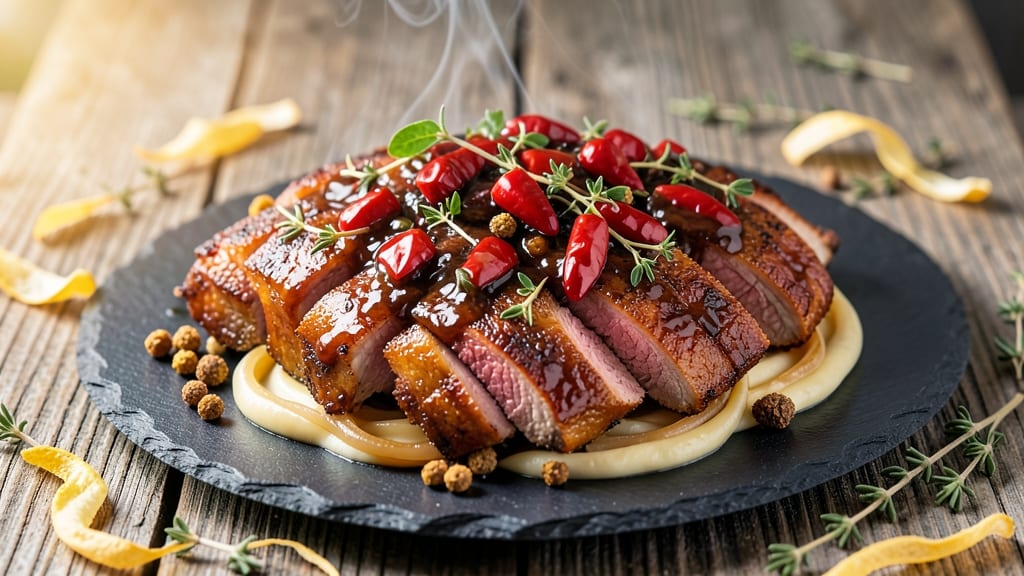
This Caribbean jerk pork loin recipe delivers juicy pink hearts with a bold spice crust that'll transport you to Jamaica with every bite. 🔥 After years of perfecting this dish in my Atlanta kitchen, I've cracked the code for achieving that signature smoky-sweet-spicy balance while keeping the meat impossibly tender.
The secret lies in marinating overnight and cooking it just right—high heat for a crispy exterior, low and slow for melt-in-your-mouth perfection.
The magic happens in the marinade: a perfect blend of allspice, Scotch bonnet peppers, and thyme that penetrates the meat, creating layers of flavor that build with each bite.
I use a foolproof two-step cooking method—first searing the loin to lock in juices, then finishing it in the oven to ensure even doneness. This approach guarantees restaurant-quality results without requiring a smoker or specialized equipment.
By the time you serve this dish, your table will smell like a Caribbean sunset—smoky, sweet, and spicy all at once. The pork comes out with a crispy, caramelized crust that shatters under gentle pressure, revealing tender, juicy meat inside.
Serve it with steamed rice and peas, fried plantains, or a cool coleslaw to balance the heat.
This recipe is perfect for weekend gatherings or special occasions when you want to impress. The marinade can be made ahead, and the cooking process is simple enough for weeknight dinners. Let's get started on creating a dish that'll have everyone asking for seconds—and the recipe to take home.
Ingredients for caribbean jerk pork loin
Sixteen ingredients for a dish that tastes like a Caribbean vacation in every bite.
| Ingredient | Amount | Notes |
|---|---|---|
| Pork Loin 🥓 | 3 lb | Center-cut, bone-in preferred |
| Scotch Bonnet Peppers 🌶️ | 2 whole | Seeds removed for less heat |
| Allspice Berries 🌿 | 2 tbsp | Ground or whole, toasted |
| Fresh Thyme 🌿 | ¼ cup | Stems removed, loosely packed |
| Garlic Cloves 🧄 | 8 cloves | Peeled, roughly chopped |
| Brown Sugar 🍯 | ½ cup | Light or dark preferred |
| Soy Sauce 🍶 | ¼ cup | Low-sodium preferred |
| Lime Juice 🍋 | ½ cup | Freshly squeezed |
| Extra-Virgin Olive Oil 🫒 | ¼ cup | For marinade and searing |
| Ground Cumin 🌿 | 1 tbsp | Toasted for deeper flavor |
| Smoked Paprika 🌶️ | 1 tbsp | For smoky depth |
| Salt 🧂 | 1 ½ tbsp | Diamond Crystal preferred |
| Black Peppercorns 🌶️ | 1 tsp | Freshly cracked |
| Honey 🍯 | 2 tbsp | For sweet-spicy balance |
The Scotch bonnet peppers are non-negotiable for that authentic jerk heat, but if you can't find them, Habanero peppers work in a pinch—just halve the amount. Whole Foods or Latin markets usually carry them fresh, but frozen will do too. The allspice berries should be toasted lightly in a dry pan for 30 seconds to release their aroma—trust me, it makes a difference. For the pork loin, center-cut is key; it stays juicier. If your butcher doesn’t have it labeled, ask for a loin with good marbling. The lime juice needs to be freshly squeezed—bottled won’t cut it here.
No Scotch bonnet? Dried habanero flakes at half the amount add heat without the same fruity depth. The soy sauce can be swapped for coconut aminos if you're avoiding sodium. Fresh thyme is ideal, but dried thyme at one-third the amount works if you're in a bind. The brown sugar can be swapped for coconut sugar for a more authentic Caribbean touch. For the honey, if you're avoiding it, maple syrup works well. The olive oil should be extra-virgin—it adds richness that cheap oil can't match.
Marinade keeps for 3 days in the fridge, but the pork should marinate overnight for maximum flavor. The Scotch bonnet peppers can be blended into the marinade or left whole for a more rustic touch. Cooked pork reheats beautifully—just warm it gently in the oven with a splash of water to keep it moist. Leftovers freeze for 3 months if portioned in airtight containers. For serving, I always grab extra lime wedges and a side of cooked rice and peas—it balances the heat perfectly.
Why You'll Love This Recipe
- One-Pan Magic: I swear by this recipe because it’s that easy—just rub, roast, and done. No chopping mountains of veggies or fussing with marinades that take hours. The pork loin stays juicy while the Scotch bonnet and allspice caramelize right on the sheet pan. Honestly, my lazy Sundays just got a whole lot better.
- Flavor Bomb: That first bite? Chef’s kiss. The Scotch bonnet brings the heat (adjust it for your crowd), but the allspice and thyme mellow it out into something smoky and sweet. The garlic cloves roast until they’re soft and jammy, melting into the pork like butter. It’s the kind of flavor that makes you want to eat it straight off the bone—no sides needed.
- Budget-Friendly Crowd-Pleaser: Pork loin is cheaper than you think, and a single roast feeds four—easily. The spices? A tiny jar of allspice and a handful of thyme stretch for ages. Plus, the leftovers stretch into lunches, so you’re basically getting two meals for the price of one. My wallet and my taste buds win every time.
Step-by-step instructions for Caribbean jerk pork loin
Here's how to create a perfectly balanced jerk crust with tender, juicy pork every time.
👨🍳 Step 1: Make the Jerk Marinade
In a food processor, combine the 2 whole Scotch Bonnet peppers (seeds removed), 2 tbsp allspice berries, 8 cloves garlic, 0.25 cup fresh thyme, 1 tbsp ground cumin, 1 tbsp smoked paprika, 1.5 tbsp salt, 1 tsp black peppercorns, 0.5 cup brown sugar, 0.25 cup soy sauce, and 2 tbsp honey. Pulse until the mixture forms a coarse paste—you want texture, not a smooth sauce.
With the processor running, slowly drizzle in the 0.5 cup lime juice and 0.25 cup extra-virgin olive oil. Process until fully combined and smooth. The marinade should have a thick, almost jam-like consistency. Taste and adjust seasoning—you want a perfect balance of sweet, spicy, and tangy. Transfer to a bowl and let it sit at room temperature for 30 minutes to allow the flavors to meld.
🍳 Step 2: Marinate the Pork Loin
Pat the 3 lb pork loin dry with paper towels—this is crucial for developing that signature jerk crust. Place the pork in a large resealable plastic bag and pour the marinade over it. Massage the marinade into the meat, ensuring it coats all sides evenly. Seal the bag and refrigerate for at least 4 hours, or preferably overnight for maximum flavor penetration.
I like to turn the bag occasionally during marinating to ensure even coverage. The acidity from the lime and Scotch Bonnet will begin tenderizing the meat, while the spices create a flavorful barrier that will caramelize beautifully when seared. Don't skip this step—proper marinating transforms good pork into exceptional jerk pork.
🔥 Step 3: Sear for Maximum Flavor
Preheat your oven to 375°F. Remove the pork from the marinade (reserve the marinade for basting) and let it sit at room temperature for 20 minutes. Heat a large oven-safe skillet over medium-high heat and add 1 tbsp olive oil. Once hot, sear the pork on all sides until deeply browned—about 3-4 minutes per side. You're looking for a dark, almost charred crust that will become the signature jerk bark.
Here's the thing—don't rush this step. The longer you sear, the more complex flavors develop. If the pork releases easily from the pan, it's ready. Transfer the skilled to the preheated oven and pour the reserved marinade around the pork. This basting step ensures the crust stays moist and flavorful throughout cooking.
⏰ Step 4: Roast to Juicy Perfection
Roast the pork for 45-50 minutes until the internal temperature reaches 145°F (use a meat thermometer). The pork should be tender but still hold its shape when sliced. The marinade will bubble and caramelize, creating a sticky, glossy glaze that enhances the jerk flavors.
During the last 10 minutes of cooking, tent the pork loosely with foil to prevent the crust from drying out. You'll know it's done when the internal temperature hits 145°F and the juices run clear when you pierce the thickest part with a knife. Remove from the oven and let it rest for 15 minutes before slicing—this resting period is crucial for juicy results.
🍽️ Step 5: Slice and Serve
Using a sharp carving knife, slice the pork against the grain into ½-inch thick slices. The meat should be juicy with a beautiful pink center, surrounded by that dark, caramelized jerk crust. Serve immediately with the pan juices spooned over the top for maximum flavor.
This dish pairs beautifully with garlic rice, grilled plantains, or a simple mango salsa. The balance of sweet, spicy, and tangy flavors makes it perfect for any Caribbean feast. Don't be afraid to adjust the heat level—add more Scotch Bonnet for extra spice or reduce it for a milder flavor.
Pro Tips For Making Caribbean Jerk Pork Loin
- CHAR THE PEPPERS FIRST: I learned this the hard way—grinding raw Scotch bonnet into the marinade gives you a bitter, grassy punch instead of that bright, smoky heat. Toast the whole pepper (seeds and all) in a dry skillet for 30 seconds until fragrant, then grind it. The flavor mellows into something complex, not just fiery.
- SALT THE PORK TWICE: Slather the pork loin with half the salt in the marinade first, let it sit uncovered for 30 minutes, then add the rest. This isn’t just about seasoning—it breaks down the muscle fibers so the jerk spices actually penetrate. (Yes, even if you’re impatient like me.)
- LOW AND SLOW FINISH: After searing the pork for color, resist the urge to crank the oven to 400°F. Pull it back to 275°F for the last 15 minutes—this guarantees tender meat without drying it out. The crust stays intact, and the inside melts like butter. (Your meat thermometer should hit 145°F, but don’t skip the rest.)
- GARLIC: PEEL AND SMASH: Skip mincing garlic cloves—peel them, crush them with the flat of your knife, and let them sit in the marinade for 20 minutes before adding the pork. The allicin develops more, giving you that deep, sweet garlic flavor instead of a sharp bite. (I was skeptical until I tried it.)
Essential equipment for this recipe
Must-Have Cooking Tools
Your kitchen needs a few key pieces to nail this jerk pork loin. First, grab a food processor—it's essential for blending the marinade to a perfect jam-like consistency. I use my Ninja BN601 because it handles tough ingredients like Scotch bonnet peppers and allspice berries without overheating.
A sharp carving knife (like my Wüsthof Classic 8-inch) is non-negotiable for slicing against the grain—dull knives crush the meat instead of cleanly cutting through it. 🔪
Heat Control Essentials
For searing, you'll need a heavy-bottomed oven-safe skillet—I love my Lodge Pre-Seasoned Cast Iron 12-inch—because it distributes heat evenly and retains it during the oven finish. A meat thermometer (I use Thermoworks Smoke) is critical for hitting that 145°F internal temperature without overcooking.
Pro tip: Invest in a wire cooling rack to rest the pork after roasting—it prevents soggy bottoms when transferring to plates.
Marinating Gear
Use a large resealable plastic bag (like Hefty Ultra Thick) for marinating—they're perfect for massaging marinade into the pork. I also keep a quart-sized glass storage container (like Pyrex) for storing leftover marinade.
For the 20-minute room temperature prep before searing, I use a wire rack over a baking sheet to prevent the pork from steaming in its own juices. This keeps the surface dry for that perfect crust. 🌡️
Budget-Friendly Swaps
No food processor? A mortar and pestle works for small batches—just crush the spices and garlic first, then mix everything in a bowl. For a skillet, any stainless steel or cast iron pan will do (even a Le Creuset Dutch oven if you're cooking for a crowd).
Skip the fancy thermometer? Use the finger test: press your finger into the meat—if it feels firm but still springs back slightly, it's ready. A spatula (like OXO Good Grips) helps flip the pork safely during searing.
Pro Upgrades
Want to take it to the next level? A charcoal grill (like Weber Original Kettle) gives authentic smoky depth—just add pimento wood chips to the coals. For restaurant-quality results, I use a Meater+ probe thermometer for precise 145°F monitoring.
My Farberware Classic Stainless Steel Meat Tenderizer helps break down tough fibers if you're working with less tender cuts. These upgrades are optional but make a world of difference for serious jerk enthusiasts. 🔥
Nutrition facts
Frequently asked questions
Can I use chicken or beef instead of pork loin?
While pork loin is traditional, you can adapt this recipe for chicken thighs (bone-in, skin-on) or beef sirloin. For chicken, marinate for 2-3 hours and cook to 165°F internal temp. For beef, reduce marinating to 1 hour and cook to 140°F—the crust will form faster but the meat stays tender. The jerk flavors work beautifully on all three, though pork's fat content gives that signature melt-in-your-mouth texture.
How do I adjust the heat level for sensitive eaters?
For milder heat, reduce the Scotch bonnet peppers to 1 whole pepper (seeds removed) or swap for 1 habanero pepper. Remove seeds completely from any peppers used. Also cut the smoked paprika to ½ tbsp and add 1 extra tbsp honey to balance. Always taste the marinade before applying—adjust with more brown sugar or lime juice as needed. The key is maintaining that sweet-spicy-tangy balance while reducing the burn.
What's the best way to reheat leftover jerk pork?
Reheat in a skillet over medium-low heat with 1 tbsp olive oil and 2 tbsp water for 3-4 minutes per side—this keeps the crust crispy while warming through. For oven reheating, wrap slices in foil with a splash of water and bake at 300°F for 10 minutes. Never microwave—it turns the meat rubbery. Pro tip: Add a pinch of smoked paprika to the reheating oil for extra flavor.
Can I make this in a slow cooker?
Yes! Sear the pork first, then transfer to a slow cooker with the marinade and cook on LOW for 6-7 hours or HIGH for 3-4 hours. The crust won't be as crispy, but the meat will be incredibly tender. For best results, finish by searing in a hot skillet for 1-2 minutes per side after removing from the slow cooker. This gives that restaurant-quality bark without drying out the meat.
What sides pair best with jerk pork?
Classic pairings include garlic rice and peas (the peas add a creamy contrast), fried plantains (sweetness balances heat), and cooling mango salsa (refreshing acidity). For a full Caribbean spread, add conch fritters or sweet potato mash. The key is balancing textures—creamy, crunchy, and fresh elements work best. I always keep lime wedges on the table for extra zing.