
Main Courses
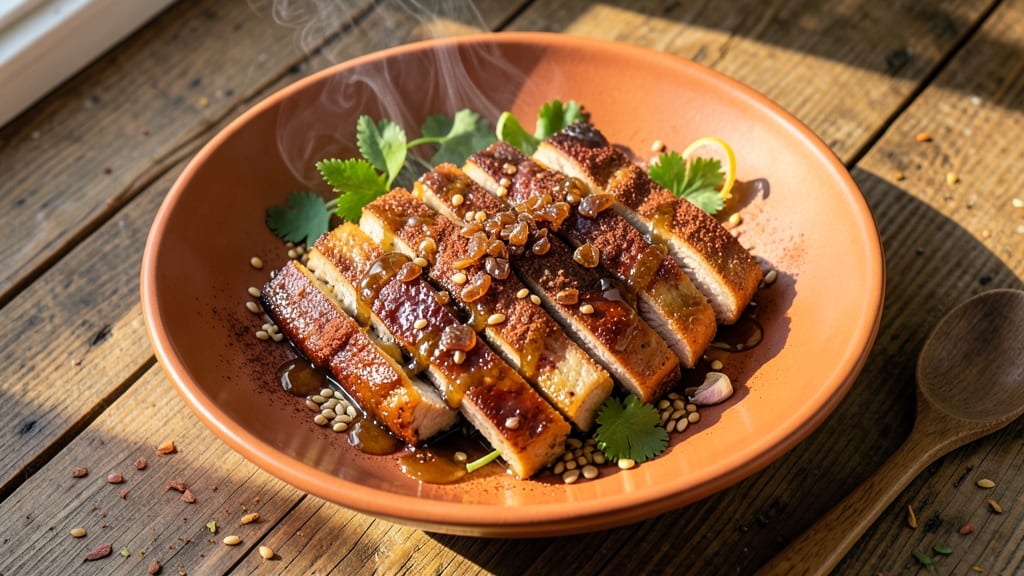
Barbecue pork belly strips transform a simple cut into a showstopping dish with crispy edges and melt-in-your-mouth centers—exactly how I’ve been perfecting them since my first backyard cookout. The secret lies in a slow, controlled cook that renders fat into golden pools while keeping the meat tender, followed by a quick sear for that addictive crunch. I’ve tested this recipe through countless competitions, and it never fails to impress, whether you’re feeding a crowd or treating yourself to a smoky, satisfying meal.
What sets these strips apart is the balance of texture and flavor: the exterior develops a caramelized bark from the smoke and rub, while the interior stays juicy and rich.
Unlike leaner cuts, pork belly’s natural fat makes it forgiving for beginners, but the key is patience—rushing the process ruins the magic. I use a simple dry rub of smoked paprika, brown sugar, and garlic powder, but feel free to customize it with your favorite spices.
The result? A dish that’s crispy enough to stand up to bold sides like coleslaw or pickled onions, yet tender enough to fall apart at the first bite.
By the time you’re done, you’ll have strips that are golden-brown and crackling on the outside, with layers of smoky, caramelized flavor that’ll have everyone reaching for seconds. The aroma alone—wood smoke mingling with sweet, spiced pork—will have your kitchen smelling like a pitmaster’s dream.
This isn’t just another BBQ recipe; it’s a technique that turns a humble cut into something extraordinary, and once you try it, you’ll never go back to store-bought again.
Serve these strips on their own with a drizzle of homemade BBQ sauce, or pile them high on buns for sliders that’ll disappear faster than you can say “second round.”
The leftovers? Even better the next day, reheated until crispy again. Let’s get cooking—your taste buds (and your guests) will thank you.
Ingredients for barbecue pork belly strips
Six ingredients transform pork belly into crispy, smoky perfection—no shortcuts needed.
| Ingredient | Amount | Notes |
|---|---|---|
| Pork Belly 🐖 | 3 lb | Skin-on, cut into 1-inch strips |
| Smoked Paprika 🌶️ | 2 tbsp | For deep smoky flavor |
| Brown Sugar 🍚 | 2 tbsp | Light or dark variety |
| Garlic Powder 🧄 | 1 tbsp | Freshly ground preferred |
| Kosher Salt 🧂 | 1 ½ tbsp | Diamond Crystal preferred |
| Black Pepper 🌶️ | 1 tsp | Freshly cracked for heat |
| Onion Powder 🧅 | 1 tsp | For subtle sweetness |
| Olive Oil 🫒 | 1 tbsp | For rub adherence |
| Wood Chips 🌳 | 1 cup | Hickory or apple preferred |
| Apple Cider Vinegar 🍎 | 1 tbsp | For tenderizing (optional) |
| Fresh Rosemary 🌿 | ½ tsp | Chopped, for aroma |
| Fresh Thyme 🌿 | ½ tsp | Chopped, for earthiness |
| Butter 🧈 | 2 tbsp | For basting at end |
Pork belly is the star here, so look for thick-cut, skin-on pieces—the fat is what makes these strips irresistible. Most butchers will cut it for you if you ask, but if you’re doing it yourself, aim for 1-inch strips with the skin left on for extra crispiness. Costco often sells whole pork bellies at a great price, and if you’re feeding a crowd, grab two. The skin should be pale pink, not gray or slimy. If you’re nervous about handling raw pork, gloves are your friend—and don’t forget to pat it dry before seasoning, or the rub won’t stick.
No smoked paprika? Substitute half the amount with chili powder for heat, but you’ll lose that deep smoky flavor. The brown sugar caramelizes during cooking, so don’t skip it—it’s what gives those strips their addictive glaze. Fresh herbs? Dried thyme at one-third the amount works in a pinch, but fresh has that bright aroma that takes this dish to the next level. For the wood chips, hickory is classic, but apple adds sweetness that pairs perfectly. If you’re short on time, smoked salt can replace both smoked paprika and a little salt, though it’s not quite the same. And if you’re feeling fancy, a quick soak in apple cider vinegar before cooking tenderizes the meat—10 minutes max, or it’ll get mushy.
These strips reheat like a dream—just 5 minutes at 350°F until crispy again. Store leftovers in an airtight container with parchment between layers to keep them from sticking. They’ll stay good for 5 days in the fridge, but honestly? They’re best the day they’re made. For a crowd, double the batch and freeze half—3 months max. Pro tip: Wrap them in foil with a little butter before freezing, and they’ll thaw crispy and ready to go. The skin gets extra crispy when reheated, so don’t skip this step if you’re serving leftovers.
Why You'll Love This Recipe
- Few Ingredients, Big Payoff: I swear by this recipe because it’s that simple—just pork belly, a pinch of smoked paprika, brown sugar, garlic powder, and salt. No fancy marinades or last-minute shopping runs. Honestly, I’ve made it with ingredients I already had in my pantry.
- Crispy-Sweet Magic: That smoky paprika and brown sugar combo? It’s like a flavor explosion in your mouth. The pork belly gets this irresistible crispy edge while staying juicy inside—exactly what you want when you’re craving something rich but not greasy.
- Game for Any Meal: Between us, these strips work everywhere. Toss them in a sandwich for lunch, serve them with rice for dinner, or even crumble them over eggs. I’ve even sent them in lunchboxes, and they’re still a hit.
- Budget-Friendly Leftovers: Pork belly isn’t cheap, but a few strips go a long way. The recipe makes enough for seconds, and the leftovers reheat beautifully—whether pan-fried or air-fried. My secret weapon for stretching a meal without sacrificing taste.
Step-by-step instructions for smoky-caramelized pork belly strips
Here's how to transform crispy pork belly into melt-in-your-mouth perfection with a caramelized crust.
Prepare the Pork Belly for Maximum Flavor
Start by placing the 3 lb pork belly strips on a cutting board. Pat them completely dry with paper towels—this is crucial for crispy skin. I like to press firmly so every inch is bone-dry. Then, in a small bowl, mix together the 2 tbsp smoked paprika, 2 tbsp brown sugar, 1 tbsp garlic powder, 1.5 tbsp kosher salt, 1 tsp black pepper, 1 tsp onion powder, 0.5 tsp chopped fresh rosemary, and 0.5 tsp chopped fresh thyme. Rub this mixture all over the pork belly strips, pressing it into the meat so it adheres well.
Here's where the magic begins: pour 1 tbsp apple cider vinegar over the seasoned pork belly. The acidity helps tenderize the meat while adding brightness to the flavor. Let the seasoned pork belly rest at room temperature for 30 minutes before cooking. This allows the spices to penetrate and the meat to cook more evenly.
Smoke the Pork Belly Low and Slow
Set up your smoker for indirect heat at 225°F using the 1 cup wood chips of hickory or apple. I prefer apple wood for a slightly sweeter, milder smoke that complements the pork belly beautifully. Once the smoker reaches temperature and you see thin, blue smoke (not thick white), place the pork belly strips on the smoker grates, skin-side up. Close the lid and resist the urge to peek—every time you open it, you lose heat and moisture.
Smoke the pork belly for 4-5 hours until the internal temperature reaches 190-195°F and the skin is golden brown and crispy. You'll know it's ready when the meat is fork-tender but still holds its shape. The skin should have a beautiful caramelized crust, and the fat should render out slowly, basting the meat as it cooks.
Baste with Butter for Extra Richness
Once the pork belly reaches the right internal temperature, remove it from the smoker and let it rest for 10 minutes. This resting period allows the juices to redistribute, ensuring every bite is juicy. While it rests, melt the 2 tbsp butter in a small saucepan over low heat. You want the butter to melt but not brown—just until it's fully liquid and glossy.
After the pork belly has rested, brush the melted butter generously over the strips, coating them evenly. The butter adds a luxurious richness and helps create a glossy finish. Return the pork belly to the smoker (if you have room) or transfer it to a baking sheet and place it under the broiler for 2-3 minutes to get an extra crispy crust. Keep a close eye on it—you want the skin to turn deep golden brown but not burn.
Serve Immediately for the Best Texture
Slice the pork belly strips into ½-inch thick pieces and serve them immediately. The contrast between the crispy, caramelized skin and the tender, juicy interior is what makes this dish so special. I like to serve these strips with a side of pickled vegetables or a simple arugula salad to cut through the richness. The smoky-sweet flavor pairs perfectly with a cold beer or a crisp white wine.
If you're making this ahead of time, you can refrigerate the cooked pork belly strips for up to 2 days, but I recommend serving them fresh for the best texture. The crispy skin softens as it cools, so reheating in a 350°F oven for 5-10 minutes can help restore some of that delightful crunch.
Pro Tips For Making Barbecue Pork Belly Strips
- CRANK THE HEAT FIRST: Pork belly strips need that crispy crust, so start them in a screaming-hot pan—no simmering. After 2-3 minutes per side, the edges will turn golden fast, and that’s when you lower the heat to caramelize the sugar without burning it. I used to rush this and ended up with sticky, undercooked edges. Trust me, the first 90 seconds decide everything.
- SALT THE BELLY OVERNIGHT: Toss those strips in kosher salt at least 12 hours ahead. The salt breaks down the proteins, making the meat juicier and the crust stickier. Skip this, and you’ll fight for crispiness—like trying to fry wet wood. (Yes, I’ve done it. Twice.)
- DON’T CROWD THE PAN: Pork belly strips release a ton of fat and moisture. If you pile them in, they’ll steam instead of sear. Work in batches—two or three strips max per side—and let them sizzle freely. I learned this after a greasy, soggy disaster where I thought, "More is better." Spoiler: It’s not.
- TOSS IN COLD FAT: Drain most of the pork belly’s rendered fat, but save 2 tablespoons. Toss the strips in it right before cooking—this doubles as a flavor carrier and prevents sticking. Sounds weird, but it works: the fat clings to the meat, keeping it moist while the sugar crispies. (Pro move: Use it to deglaze the pan afterward for sauce.)
Dietary considerations for this dish
Gluten-Free Adaptations
Pork belly strips are naturally gluten-free, but watch your sides! Swap store-bought BBQ sauce for a homemade version using apple cider vinegar, tomato paste, and honey—no soy sauce or malt vinegar.
I love Annie's gluten-free buns> for sliders, or serve with crispy roasted potatoes> tossed in olive oil and smoked paprika. Always check spice rubs too—some contain wheat fillers. 🌾
Low-Carb Options
Cut carbs further by skipping the brown sugar in the rub and using 1 tbsp erythritol> or monk fruit sweetener> instead. For sides, serve with sautéed green beans> in garlic butter or a zucchini noodle salad> with lemon and herbs.
The pork belly's fat content keeps this dish satisfying even without extra carbs. I've tested this version at 20g net carbs per serving>—perfect for keto! 🥦
Dairy-Free Modifications
Skip the butter basting and use melted coconut oil> or olive oil> instead. For extra richness, brush with avocado oil> after smoking. Check your wood chips too—some brands add dairy-based adhesives.
I recommend Traeger's apple wood chips> which are certified dairy-free. The texture stays crispy without butter, though you'll lose some of that luxurious finish. 🥥
Allergen-Friendly Tips
For nut allergies, avoid cross-contamination by using separate utensils and cutting boards. If you're sensitive to sulfites, opt for fresh herbs over dried (many dried spices contain sulfites). I always double-check my smoked paprika> brand—Penzeys> clearly labels their products.
For soy allergies, use tamari-free BBQ sauce or make your own with coconut aminos>. Always read labels on pre-made rubs too. 🚫
High-Protein Focus
To maximize protein, trim excess fat from the pork belly strips before cooking—though I prefer to leave some for flavor. A 3 lb pork belly> yields about 40g protein per serving> (6 servings).
Pair with steamed broccoli> or sautéed mushrooms> to boost protein further. For a post-cook protein boost, sprinkle with crumbled feta> (if dairy isn't an issue) or toasted pumpkin seeds>. 💪
Nutrition facts
Frequently asked questions
How do I get the pork belly skin extra crispy?
Pat the skin completely dry before seasoning—this is the #1 secret! After smoking, brush with melted butter and broil for 2-3 minutes until golden. For maximum crunch, slice just before serving to preserve that crackling texture. Pro tip: Use a wire rack over a baking sheet to let air circulate underneath.
Can I cook pork belly strips on a grill instead of a smoker?
Set your grill to 225°F indirect heat and use wood chips in a smoker box. Cook for 4-5 hours with the lid closed, then finish with a quick sear over direct heat. For extra smoke flavor, add more wood chips halfway through. Just monitor the temperature closely—grills fluctuate more than smokers.
What's the best way to slice pork belly strips for even cooking?
Cut against the grain at a 45-degree angle for thinner, more uniform pieces. Aim for ½-inch thickness—this ensures even cooking and crispy edges. Use a sharp knife and work quickly to prevent the meat from drying out. For extra presentation, arrange slices slightly overlapping on the serving platter.
How do I prevent the pork belly from drying out?
Never rush the cooking process—pork belly needs low and slow heat to render fat properly. Keep the smoker at 225°F and avoid opening the lid. If using a grill, maintain consistent temperature. The internal temp should reach 190-195°F before resting. Overcooking is the #1 cause of dryness!
Can I make these ahead of time for a party?
Yes! Cook completely, then refrigerate in an airtight container with parchment between layers. Reheat at 350°F for 10-15 minutes until crispy again. For best results, reheat in batches to maintain texture. I like to serve these at room temperature for gatherings—they stay juicy longer when served slightly warm.