
Sauces & Condiments
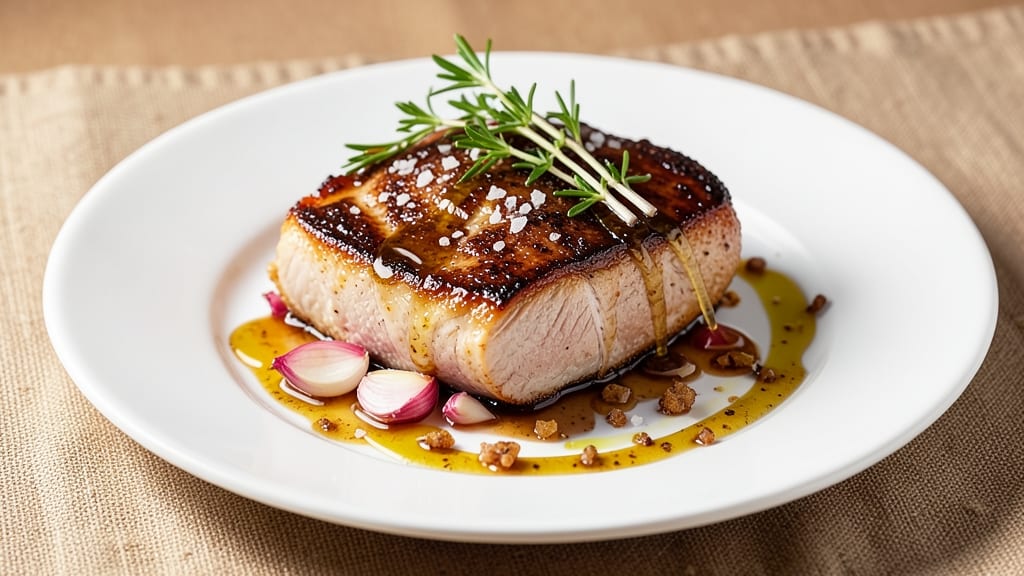
This pork chop marinade recipe with apple cider vinegar transforms tough cuts into restaurant-quality bites with a tangy-sweet bark in just 2 hours. 💛 The secret lies in the balance of sharp vinegar, rich oil, and herbs that tenderize while building flavor—no fancy ingredients, just bold results that impress every time.
Apple cider vinegar acts as the flavor anchor, cutting through fat while infusing the meat with bright acidity. Combined with olive oil, garlic, and thyme, it creates a marinade that doesn't just flavor but actually transforms the texture—crispy edges, juicy centers, and a caramelized crust that locks in moisture.
The beauty? It works in your fridge overnight or even for a quick 2-hour marinade when you're short on time.
What makes this marinade special is its versatility—use it on bone-in chops for maximum flavor penetration or on boneless cuts for foolproof results. The vinegar also helps break down connective tissue, ensuring even the toughest cuts become fork-tender.
Store any leftovers in the fridge for up to 5 days, ready to elevate another batch of pork.
This isn't just marinade—it's your secret weapon for weeknight dinners that taste like they came from a high-end grill. Whether you're cooking for two or feeding a crowd, this recipe delivers consistent, professional-quality results with minimal effort. Let's get started!
Ingredients for pork chop marinade recipe apple cider vinegar
Five simple ingredients build bold flavor—no fancy tools, just restaurant-quality results.
| Ingredient | Amount | Notes |
|---|---|---|
| Apple Cider Vinegar 🍏 | ½ cup | Raw, unfiltered preferred |
| Extra-Virgin Olive Oil 🫒 | ½ cup | High quality, fruity |
| Garlic Cloves 🧄 | 6 cloves | Minced or finely chopped |
| Fresh Thyme Leaves 🌿 | ¼ cup | Stems removed, chopped |
| Brown Sugar 🍚 | ¼ cup | Light or dark preferred |
| Dijon Mustard 🍯 | 1 tbsp | Mild or hot variety |
| Salt 🧂 | 1 ½ tsp | Kosher or sea salt |
| Black Pepper 🌶️ | 1 tsp | Freshly ground preferred |
| Honey 🍯 | 1 tbsp | Wildflower or clover |
| Worcestershire Sauce 🍶 | 1 tbsp | Vegan if needed |
Apple cider vinegar is the MVP here. Raw and unfiltered has more depth, but regular works too. Grab a bottle from Trader Joe's or Whole Foods—their organic options are my go-to. The olive oil should be extra-virgin (the fruity, peppery kind)—none of that cheap stuff. Fresh thyme is ideal, but dried works at half the amount. For the brown sugar, light or dark doesn't matter—just make sure it's real sugar, not that powdered junk. The garlic? Smash the cloves with the side of your knife first for extra flavor.
No apple cider vinegar? White vinegar or lemon juice works in a pinch, but you'll lose that subtle sweetness. Skip the honey? Maple syrup or agave does the trick, though the flavor shifts slightly. Worcestershire sauce missing? Soy sauce or extra Worcestershire (if you're feeling fancy) adds umami. The Dijon mustard is non-negotiable—it's what gives that tangy-sweet bark its depth. Pro tip: If you're short on time, microwave the marinade 30 seconds before applying—helps the flavors meld faster.
This marinade keeps for 5 days in the fridge, so make extra. Store it in a glass jar with a tight seal—plastic can absorb odors. For best results, let the pork sit in the marinade for at least 2 hours, but overnight is ideal. Don't toss the leftover marinade—use it to baste the chops while they cook. And if you've got extra? Drizzle it on roasted veggies or toss it with fries for a quick flavor boost.
Why You'll Love This Recipe
- Five-Ingredient Magic: I swear by this combo—no fancy pantry trips, just what’s probably already lurking in your fridge. The apple cider vinegar cuts through the richness while the brown sugar caramelizes into a sticky, savory crust that’ll have you licking the plate.
- Crispy-Creamy Balance: That garlic-thyme olive oil bath? It’s the secret to tender pork with a crackling edge—like a hug from your favorite diner cook. Honestly, the first time I tried this, I nearly burned my mouth from how good it was.
- Weeknight to Weekend: Marinate while you prep dinner, throw it on the grill for summer BBQs, or serve it at Thanksgiving when Uncle Joe asks for seconds. (Yes, even on a Tuesday night.) The leftovers? Just as good reheated with a splash of apple cider.
- Budget-Friendly Luxury: Pork chops feel fancy, but this marinade costs pennies—no specialty ingredients, no waste. I’ll be real: I’ve made this with store-brand vinegar and still got rave reviews. That’s the kind of reliable flavor you can afford to repeat.
Step-by-step instructions for pork chop marinade with apple cider vinegar
This marinade delivers a perfect balance of tangy, sweet, and savory flavors in just 2 hours.
👨🍳 Step 1: Whisk Together the Wet Ingredients
In a medium bowl, combine the 0.5 cup apple cider vinegar, 0.5 cup extra-virgin olive oil, 1 tbsp Dijon mustard, 1 tbsp honey, and 1 tbsp Worcestershire sauce. I like to use a whisk for this step—it creates a smooth emulsion that coats the pork beautifully. The vinegar and honey will start reacting immediately, so don't wait too long before adding the rest.
Give it a quick stir to break up any oil separation. You'll notice the mixture becomes slightly cloudy as the vinegar and oil begin to blend. This is normal and actually helps create a more flavorful marinade. The acidity from the vinegar will tenderize the pork while the honey adds just the right amount of sweetness to balance everything out.
👨🍳 Step 2: Add the Aromatics and Sweeteners
To the wet mixture, add the 6 minced garlic cloves, 0.25 cup chopped fresh thyme leaves, 0.25 cup brown sugar, 1.5 tsp salt, and 1 tsp black pepper. Stir everything together until the brown sugar dissolves completely and you see no more dry spots. If you're using light brown sugar, it'll dissolve faster than dark brown sugar, so give it a little extra time.
Here's the thing—this is where the magic happens. The garlic and thyme bring deep, savory notes, while the brown sugar helps create that beautiful caramelized bark when you cook the pork. Don't skip the salt and pepper; they're essential for building flavor. Give it a taste now—it should be tangy, slightly sweet, and aromatic. If it needs more balance, you can adjust with a pinch more salt or a splash of vinegar.
⏰ Step 3: Marinate the Pork Chops (2 Hours Minimum)
Place the pork chops in a resealable plastic bag or a shallow dish. Pour the marinade over the chops, making sure each piece is fully coated. If using a bag, press out as much air as possible before sealing—this helps the marinade penetrate the meat more effectively. For best results, marinate in the refrigerator for at least 2 hours, but I like to go up to 4 hours for maximum flavor development.
Turn the chops occasionally during marinating so all sides get equal exposure to the flavors. The acid in the vinegar will start breaking down the muscle fibers, making the pork incredibly tender. After 2 hours, you'll see the pork develop a slight sheen and the marinade will darken slightly—this is your cue that it's ready. If you're short on time, even 1 hour will help, but don't rush it for the best results.
🔥 Step 4: Cook the Marinated Pork Chops (Optional but Recommended)
When you're ready to cook, remove the pork chops from the marinade and let them sit at room temperature for 10-15 minutes before cooking. This helps them cook more evenly. I recommend searing them in a hot skillet with a little oil over medium-high heat for 4-5 minutes per side until they reach an internal temperature of 145°F. The marinade will create a gorgeous caramelized crust while keeping the inside juicy and tender.
If you prefer, you can also grill or bake the pork chops after marinating. For grilling, cook over medium heat for 5-6 minutes per side, and for baking, roast at 400°F for 15-20 minutes until fully cooked. The key is to let the pork rest for 5 minutes after cooking before serving—this allows the juices to redistribute, ensuring every bite is moist and flavorful.
Pro Tips For Making Pork Chop Marinade Recipe Apple Cider Vinegar
- USE COLD MARINADE: Marinate the pork chops in the fridge—not on the counter. Vinegar and garlic are potent, and letting them sit at room temperature for more than 30 minutes can turn your chops rubbery. I learned this the hard way when my first batch tasted like overcooked shoe leather.
- SMASH THE GARLIC: Mince those garlic cloves into a paste with a pinch of salt before adding them to the marinade. Whole cloves won’t infuse evenly, and you’ll end up with uneven flavor—some bites sharp, others bland. A quick press with the flat side of your knife does the trick in seconds.
- DON’T SKIP THE DRYING: Pat the pork chops thoroughly dry with paper towels before marinating. Moisture is the enemy of a good sear, and if your chops stay slick, they’ll steam instead of brown. Trust me, the extra 30 seconds now saves you from a sad, pale chop later.
- UPGRADE THE THYME: Use both the leaves and the tiny stems from your thyme sprig—they pack way more flavor than just the leaves alone. Tear the sprig with your fingers over the marinade to release the oils, then fish out the woody bits. It’s a tiny effort for a noticeable boost.
Troubleshooting this recipe
Vinegar Overload
The most common issue is over-marinating with vinegar, which can make pork chop meat mushy. Apple cider vinegar is acidic, so never exceed 4 hours of marinating time. If you're using a thicker cut like bone-in chops, 2-3 hours is perfect.
I once left pork chops marinating overnight, and they turned out like sad, rubbery hockey pucks. 💔
Oil Separation
If your marinade looks like a salad dressing gone wrong, whisk it vigorously before using. The olive oil and apple cider vinegar naturally separate, but a quick mix with a fork or whisk fixes it.
For extra stability, add 1 tsp xanthan gum (found in baking sections) to thicken it slightly. I keep a small jar of this marinade ready in my fridge—just shake it before using.
Uneven Cooking
If your pork chops cook unevenly, pat them dry before searing. Excess moisture creates steam instead of a crust. Use paper towels to dry thoroughly, then let them sit at room temperature for 10-15 minutes before cooking.
I learned this the hard way when my chops turned out juicy inside but raw in the middle. A meat thermometer ($15 at Williams Sonoma) is worth it—aim for 145°F internal temperature.
Bland Flavor
If your marinade tastes flat, it's likely missing salt or acid. Add ½ tsp more salt or 1 tbsp extra apple cider vinegar to brighten it up. For depth, a splash of soy sauce or a pinch of smoked paprika works wonders.
I keep a small bowl of extra salt and vinegar near my stove—just a quick taste and adjust. The key is balance: tangy, sweet, and savory should all shine.
Sticky Residue
Leftover marinade can stick to your pork chops like glue. Before cooking, pat them dry again and sear over high heat for 1-2 minutes per side to burn off excess sugars.
This creates a crispy crust while preventing sticking. I also recommend using a nonstick skillet or a well-seasoned cast iron pan—my Lodge pan handles this perfectly.
Storage Issues
If your marinade smells off after storing, it's gone bad. Discard it immediately—vinegar-based marinades last 5 days in the fridge, but if it smells sour or funky, toss it. For extra safety, divide leftovers into small glass jars (like Ball mason jars) to prevent contamination.
I once kept marinade for a week, and it turned into a science experiment. 🧪
Nutrition facts
Frequently asked questions
Can I use this marinade on other meats besides pork chops?
This marinade works beautifully on chicken thighs, beef steaks, and even salmon fillets! The apple cider vinegar tenderizes proteins while adding bright acidity. For chicken, marinate for 1-2 hours (never longer than 4 hours), and for salmon, 30-60 minutes is perfect. Just adjust cooking times based on the meat's thickness.
What if I don't have fresh thyme?
No problem! Use 1 tsp dried thyme instead, or swap it for rosemary or oregano for a different herbal note. For a citrus twist, add 1 tbsp lemon zest along with the honey. The key is balancing the flavors—if using dried herbs, taste and adjust with a pinch more salt or vinegar.
Can I make this marinade without Worcestershire sauce? Replace it with 1 tbsp soy sauce or 1 tbsp balsamic vinegar for umami depth. For a vegan option, use 1 tbsp tamari or 1 tbsp coconut aminos. The Worcestershire adds a savory complexity, but these substitutes work well in a pinch—just
How do I fix pork chops that are too dry after marinating?
Over-marinating or cooking at too high heat causes dryness. For future batches, stick to 2-4 hours max in the marinade and cook to 145°F internal temp. If it happens, slice the chops and serve with a pan sauce made from the leftover marinade (simmer 2 minutes to reduce) or a creamy gravy to restore moisture.
Can I use this marinade on frozen pork chops?
Yes, but thaw them first in the fridge for 24 hours before marinating. Never thaw at room temperature—it creates dangerous bacteria growth. Once thawed, proceed with the 2-4 hour marinating time. The acidity in the vinegar helps tenderize even frozen meat, but proper thawing is key for safety.