
Main Courses
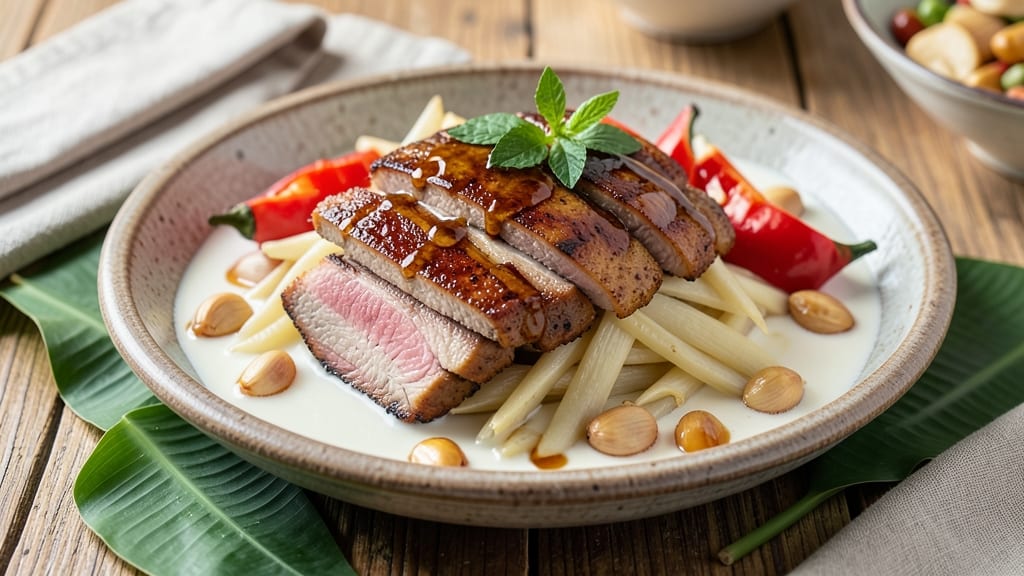
This soy-sauce braised bamboo shoots and pork recipe brings authentic Filipino flavors to your table with tender pork and crisp-tender bamboo shoots bathed in a rich, umami-packed sauce. 💛 The secret lies in slow-braising, which transforms tough pork into melt-in-your-mouth bites while preserving the bamboo shoots' satisfying crunch.
As someone who's spent years perfecting pork dishes, I can tell you this technique delivers restaurant-quality results at home.
What makes this dish truly special is the balance of flavors—salty soy sauce, sweet caramelized onions, tangy vinegar, and just a touch of heat from siling labuyo (Filipino chili). The bamboo shoots add a delightful texture contrast, while the pork absorbs all the savory goodness.
This recipe draws from Tagalog cooking traditions, where pork and bamboo shoots are a classic pairing, often served with steamed rice to soak up every last drop of that flavorful sauce.
The result is a hearty, comforting dish that's perfect for family dinners or special occasions. The pork becomes fork-tender while maintaining its shape, and the bamboo shoots stay crisp enough to provide a satisfying bite.
The sauce clings to every piece, creating a harmonious blend of textures and flavors that will have everyone asking for seconds. Trust me, once you try this, it'll become a staple in your recipe rotation.
Serve this dish with steamed jasmine rice and a side of atchara (Filipino pickled papaya) for the full experience. The tangy pickles cut through the richness of the pork and bamboo shoots, balancing the meal perfectly.
This recipe is designed to be approachable yet impressive, making it ideal for both weeknight dinners and special gatherings. Let's get cooking!
Ingredients for bamboo shoots with pork filipino
Pork shoulder, bamboo shoots, and bold Filipino flavors—just a few ingredients for restaurant-quality braised bites.
| Ingredient | Amount | Notes |
|---|---|---|
| Pork Shoulder 🥩 | 1 ½ lb | Cut into 1-inch cubes |
| Bamboo Shoots 🌿 | 14 oz | Canned, drained and rinsed |
| Yellow Onions 🧅 | 1 whole | Thinly sliced |
| Garlic Cloves 🧄 | 6 cloves | Minced |
| Soy Sauce 🍶 | ½ cup | Filipino brand preferred |
| Coconut Milk 🥥 | ¼ cup | Full-fat for creaminess |
| White Vinegar 💧 | 2 tbsp | For tangy balance |
| Siling Labuyo 🌶️ | 1 whole | Filipino chili, chopped |
| Brown Sugar 🍯 | 2 tbsp | Light or dark |
| Olive Oil 🫒 | 2 tbsp | For caramelizing onions |
| Salt 🧂 | 1 tsp | Kosher or sea salt |
| Black Pepper 🌶️ | ½ tsp | Freshly ground |
| Green Onions 🧅 | 2 whole | Sliced, for garnish |
| Fresh Thai Basil 🌿 | ¼ cup | Chopped, optional garnish |
The pork shoulder is key here—it needs to be well-marbled for that melt-in-your-mouth texture. Filipino markets or well-stocked Asian grocery stores usually carry the best cuts, but your regular butcher can help too. Look for a piece with good fat distribution. For the bamboo shoots, I always grab the canned kind—Filipino brands like Del Monte have the best texture, but any canned bamboo shoots in water will work. The siling labuyo (Filipino chili) is a game-changer—it's hotter than jalapeños, so adjust to taste. If you can't find it, bird's eye chili is a good substitute. For the soy sauce, Silver Swan or Knorr brands are my go-tos—they've got that perfect balance of salt and umami that's essential for this dish.
No siling labuyo? Bird's eye chili or Thai bird's eye chili will work in a pinch. The coconut milk can be swapped for light coconut milk if you're watching calories, but full-fat gives the best texture. Running low on Thai basil? Regular basil or cilantro will still taste great. The brown sugar is non-negotiable for that caramelized depth, but if you're avoiding sugar, coconut sugar works beautifully. For the onions, I always use yellow onions—they caramelize better than red or white. If you're short on time, pre-sliced frozen onions work in a bind, but fresh is always better.
This dish tastes even better the next day—honestly, the flavors meld together perfectly after resting. Store leftovers in an airtight container in the fridge for up to 5 days. The sauce thickens as it cools, so you might want to add a splash of water when reheating. For freezing, portion it into containers with a lid—it keeps for 3 months. Serve with steamed jasmine rice to soak up all that delicious sauce. I like to double the recipe and freeze half because it disappears so fast around my house.
Why You'll Love This Recipe
- Pork Cuts Like a Boss: Honestly, the pork shoulder here is my secret weapon—it stays juicy and tender even when sliced thin, and you don’t need to fuss with expensive cuts. Just sear it until golden, then let the soy sauce and garlic work their magic while you chop onions (which, let’s be real, takes two minutes).
- Umami Bomb Combo: That crispy edge on the pork with the briny, slightly sweet bamboo shoots? Chef’s kiss. The soy sauce caramelizes into a glossy glaze, and the garlic? Oh, it’s there—but in the best way, like a warm hug for your taste buds.
- Leftover Goldmine: Between us, this dish tastes even better the next day. I make a double batch, toss it in the fridge, and reheat slices for quick lunches or stir-fries. The flavors meld into something richer, and it’s still just as satisfying cold from the jar.
- Pantry Staple Power: Here’s what sold me—this recipe uses stuff you already have. No specialty ingredients, no last-minute grocery runs. Pork shoulder’s budget-friendly, bamboo shoots keep forever, and onions/garlic? Always in my fridge. Twenty bucks, one pan, done.
Step-by-step instructions for bamboo shoots and pork Filipino recipe
Here's how to make these tender, flavor-packed bites with perfect texture every time.
🔥 Step 1: Sear the Pork for Maximum Flavor
Heat a large Dutch oven or heavy pot over medium-high heat until hot. Add the 2 tablespoons olive oil and swirl to coat the bottom. Working in batches if needed, add the 1.5 lb pork shoulder cut into 1-inch cubes and cook undisturbed for 3-4 minutes until deep golden brown on all sides.
This initial searing creates a flavorful crust that locks in juices during braising. I press down gently on the pork cubes during the first minute—this prevents them from curling and ensures even contact with the pan. Once browned, transfer the pork to a plate and set aside. Don't drain the rendered fat; we'll use it later for building flavor.
🍳 Step 2: Caramelize Onions and Build the Sauce Base
In the same pot, add the thinly sliced yellow onions and cook over medium heat for 5-6 minutes, stirring occasionally, until softened and beginning to caramelize. Add the minced garlic cloves and cook for another 30 seconds until fragrant—you should smell that sweet garlic aroma.
Here's the thing—don't rush this step. The onions should turn golden brown at the edges, which adds depth to the sauce. When they're ready, add the chopped siling labuyo and cook for 30 seconds to release its heat. Stir in the 2 tablespoons brown sugar and cook for another 1 minute until slightly caramelized. This sweet-spicy base is the foundation of our sauce.
🥘 Step 3: Braise with Soy-Coconut Magic
Pour in the ½ cup soy sauce and 2 tablespoons white vinegar, stirring to deglaze the pot and scrape up any browned bits from the bottom. Return the pork to the pot, then add the 14 oz drained bamboo shoots and ½ teaspoon salt. Bring to a gentle simmer over medium-low heat.
Now for the coconut touch: Stir in the ¼ cup coconut milk and ½ teaspoon black pepper. Cover and simmer for 45-50 minutes until the pork is fork-tender. You'll know it's done when the meat easily pulls apart with minimal resistance. If the sauce reduces too much, add 1-2 tablespoons water to maintain moisture.
🔪 Step 4: Finish and Garnish for Freshness
Once the pork is tender, uncover the pot and increase heat to medium to reduce the sauce slightly for 2-3 minutes until it coats the back of a spoon. Taste and adjust seasoning—you might want to add a splash more soy sauce or a pinch of salt depending on your preference.
To serve, garnish with sliced green onions and chopped fresh Thai basil. The basil adds a bright, herbal note that cuts through the richness of the braised pork. I like to serve this with steamed jasmine rice—each bite of tender pork with the slightly crisp bamboo shoots and savory sauce is pure comfort.
Pro Tips For Making Bamboo Shoots With Pork Filipino
- Trim the Pork Properly: Cut the pork shoulder into 1.5-inch chunks—any smaller and they’ll turn to mush before the bamboo shoots soften. I learned this the hard way when my first batch dissolved into a gray slurry by the time the bamboo was tender. Use a sharp knife and work quickly to keep the meat intact.
- Soak Bamboo Shoots First: Rinse the bamboo shoots under cold water, then soak them in a bowl of water for 20 minutes before cooking. This removes the bitterness and toughens their texture just enough to hold up during the long simmer. Drain well afterward—no one wants a watery stew.
- Sear the Pork in Batches: Don’t overcrowd the pan when browning the pork—work in two batches if needed. A crowded pan steams instead of sears, and you’ll end up with pale, soggy meat instead of the deep caramelized flavor that ties the dish together. High heat, quick sear, then set aside.
- Deglaze with Soy Sauce Early: After searing the pork, immediately add a splash of soy sauce to the pan while it’s still hot. Let it bubble for 30 seconds before adding onions and garlic—this pulls up all those precious browned bits (fond) that make the sauce richer. Skip this, and you’re missing half the flavor.
Best sauces and condiments for this dish
Classic Soy-Ginger Sauce
This is the foundation of your dish—a rich, umami-packed sauce that balances sweet, salty, and tangy notes. Start with ½ cup soy sauce (I prefer Silver Swan for that authentic Filipino depth), then add 2 tablespoons brown sugar for caramelization.
For brightness, include 2 tablespoons white vinegar and 1 tablespoon grated ginger—this trio creates the perfect harmony. Simmer this base for 5 minutes before adding the pork to let the flavors meld. 💛
Coconut Milk Finish
The secret to this dish's creamy texture is the ¼ cup coconut milk stirred in during the final 10 minutes of cooking. It adds a velvety richness that contrasts beautifully with the crisp bamboo shoots.
For extra depth, I sometimes add 1 teaspoon fish sauce (like Red Boat)—it enhances umami without overpowering. If you're avoiding dairy, this is a perfect substitute for cream-based sauces.
Spicy Siling Labuyo Twist
For heat lovers, the siling labuyo (Filipino chili) is non-negotiable—it’s hotter than jalapeños and adds a smoky kick. If you can't find it, bird's eye chili works perfectly. Add 1 whole chili, chopped, during the onion caramelization step.
For milder heat, remove the seeds first. I like to finish with a sprinkle of crushed dried calamansi (Filipino lime) for a citrusy zing that brightens the dish. 🌶️
Sweet and Tangy Variations
Want to sweeten the sauce? Add 1 tablespoon honey or 1 teaspoon banana ketchup (a Filipino staple) during the final reduction. For tang, a splash of calamansi juice or even lemon juice works wonders.
I once added 1 teaspoon toasted garlic powder for a nutty depth—it’s a game-changer if you love garlic-forward flavors.
Umami Boosters
For an extra layer of savory depth, stir in 1 teaspoon oyster sauce or 1 tablespoon fermented black beans (like Chinese Century Old Soybeans) during the braising stage.
These ingredients add a funky, complex umami that elevates the dish to restaurant-level quality. If you're vegetarian, swap in mushroom powder for a meaty texture without the animal fat.
Nutrition facts
Frequently asked questions
Can I substitute fresh bamboo shoots for canned?
Fresh bamboo shoots require extensive preparation—peeling, slicing, and soaking for 30 minutes to remove bitterness. Canned bamboo shoots are already prepped and ready to use, saving you time. If using fresh, slice them into ½-inch rounds and parboil for 10 minutes before adding to the braise.
What's the best cut of pork for this recipe?
Pork shoulder is ideal—it's flavorful and becomes fork-tender when braised. For quicker cooking, use pork tenderloin (cut into 1-inch cubes), but it won't be as rich. Avoid lean cuts like pork loin, as they can dry out. If you have pork belly, it adds incredible fat and flavor but requires 10 extra minutes of braising.
How do I adjust the heat level?
Remove the seeds from the siling labuyo for milder heat, or use ½ chili instead of a whole one. For no heat, omit it entirely and add ¼ teaspoon ground white pepper instead. If you love spice, add 1 extra chili or a pinch of Filipino chili flakes at the end.
Can I make this dish in an Instant Pot?
Yes! Sear the pork first, then add all ingredients except coconut milk. Cook on high pressure for 15 minutes, then quick-release. Stir in coconut milk and simmer on sauté mode for 5 minutes to reduce the sauce. The Instant Pot version cooks 40% faster but may need 1 extra tablespoon soy sauce to compensate for moisture loss.
Why did my bamboo shoots turn mushy?
Overcooking or adding them too early causes mushiness. Add bamboo shoots only after the pork has browned and the onions are caramelized. Simmer the whole dish for no more than 50 minutes—they should stay slightly crisp. If using fresh bamboo shoots, reduce cooking time by 10 minutes to preserve texture.