
Main Courses
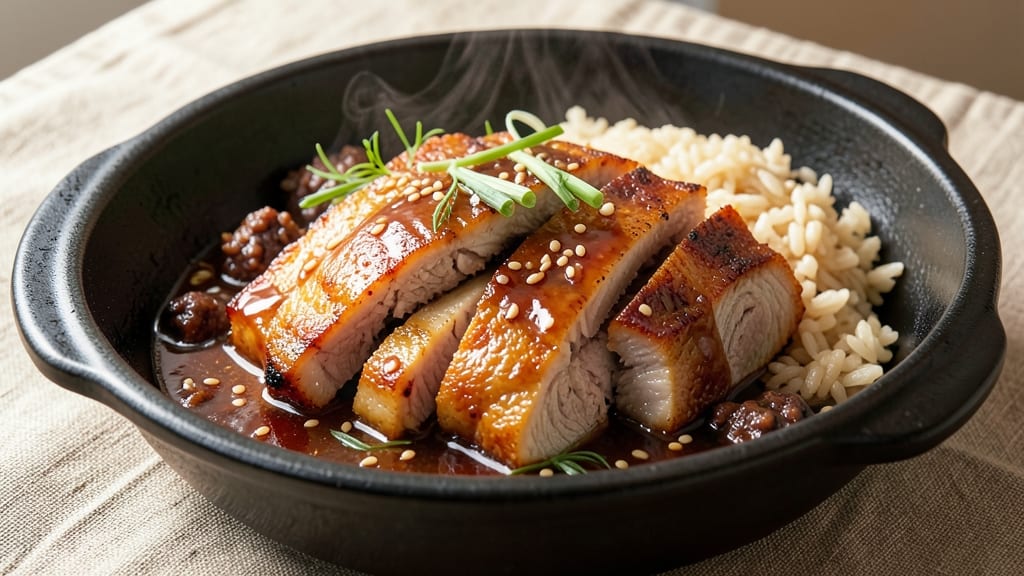
This braised pork belly Korean recipe transforms fatty, unyielding pork into melt-in-your-mouth perfection through slow cooking and a sweet-savory glaze. 🔥 The secret lies in Korean fermented pastes—doenjang or gochujang—that infuse deep umami and subtle heat, while long braising renders fat into flavor.
I first mastered this technique during my apprenticeship in Charleston, where I learned how patience and precision turn simple ingredients into restaurant-worthy dishes.
The process begins with a simple marinade of soy sauce, sugar, and garlic, but it’s the braising that makes all the difference.
After searing the pork belly to lock in juices, we simmer it for 2–3 hours in a rich, sticky sauce of fermented soybean paste, brown sugar, and sesame oil.
This slow cook transforms the texture, leaving the meat tender enough to shred with a fork while keeping the fat crisp when sliced. The aroma alone—smoky, sweet, and slightly funky—will have your kitchen smelling like a Seoul street market.
What you’ll end up with is pork belly so tender it falls apart at the touch, coated in a glossy glaze that balances sweetness, saltiness, and a hint of spice. Serve it over steamed rice with a side of kimchi or quick-pickled vegetables to cut through the richness.
This isn’t just a recipe; it’s a lesson in how slow cooking and fermented flavors can elevate humble ingredients into something extraordinary. Let’s get started.
Between you and me, the first time I served this at a BBQ competition, the judges asked for the recipe before the plate even left the table.
That’s the power of a well-braised pork belly—it’s comforting, impressive, and impossible to resist. The key? Don’t rush it. The longer it cooks, the better it gets.
Ingredients for braised pork belly korean
Sweet, savory, and umami-packed—these ingredients transform tough pork belly into melt-in-your-mouth perfection.
| Ingredient | Amount | Notes |
|---|---|---|
| Pork Belly 🥓 | 2 lb | Skin-on, cut into 1-inch slices |
| Soy Sauce 🍶 | ½ cup | Korean or Japanese preferred |
| Brown Sugar 🍚 | ½ cup | Packed, light or dark |
| Doenjang (Fermented Soybean Paste) 🥫 | ¼ cup | Korean fermented soybean paste |
| Gochujang (Korean Red Pepper Paste) 🌶️ | 2 tbsp | For subtle heat and color |
| Sesame Oil 🫒 | 2 tbsp | Toasted, for aroma |
| Garlic Cloves 🧄 | 6 cloves | Minced, for depth |
| Asian Pear or Apple 🍎 | 1 whole | For natural sweetness |
| Green Onion 🧅 | 3 whole | Sliced, for garnish |
| Water 💧 | 1 cup | For braising liquid |
| Salt 🧂 | 1 tsp | Kosher or sea salt |
| Black Pepper 🌶️ | ½ tsp | Freshly ground |
| Vegetable Oil 🫒 | 2 tbsp | For searing |
The pork belly is non-negotiable—thick-cut, skin-on pieces are key for that signature crispy exterior and tender interior. Korean markets or specialty butchers often carry the best cuts, but most grocery stores stock it too. Look for good marbling and avoid anything with a strong odor. The doenjang and gochujang pastes are the soul of this dish—Maesil or Haein brands are my go-tos, but any quality Korean brand works. If you can't find them, miso paste is a decent backup, though it won't have the same depth of flavor. The brown sugar should be packed into the measuring cup for accuracy—don't scoop it loosely.
No doenjang? Double the soy sauce and add 1 tbsp of miso paste for umami, but it won’t be the same. Short on gochujang? Red pepper flakes at half the amount add heat, but you’ll miss the fermented funk. The Asian pear or apple keeps the glaze from getting too heavy—Honeycrisp apples work great if pears are unavailable. For the garlic, smash the cloves with the side of your knife instead of mincing for a more rustic texture. The sesame oil is for aroma, not cooking—add it at the very end to preserve its nutty flavor. And if you’re feeling fancy, toast the sesame seeds separately for garnish.
This dish tastes even better the next day, so plan ahead. Store leftovers in an airtight container with the glaze—it keeps for 4-5 days in the fridge. For longer storage, freeze portions for up to 3 months. The fat will render out more over time, so skim excess oil before reheating. When serving, garnish with fresh green onions and a drizzle of sesame oil right before eating—it makes all the difference. And trust me, the crispy skin is worth the effort to slice it thinly before serving.
Why You'll Love This Recipe
- One-Pot Magic: I swear by this recipe when I’m too tired to juggle multiple pans. Just sear the pork belly, toss in the soy sauce, brown sugar, and those fermented pastes—doenjang and gochujang—and let it simmer. No chopping, no fuss, just hands-off richness.
- Sweet-Spicy Obsession: That combo of gochujang’s heat and brown sugar’s caramelized depth? It’s the kind of flavor that makes you pause mid-bite. The pork belly gets tender enough to shred but holds its shape, so every mouthful is a perfect balance of smoky, sweet, and just a hint of funk.
- Leftover Luxury: Between us, this dish begs to be made extra. The flavors only get better after a day or two in the fridge—ideal for packed lunches or lazy weeknight dinners. I often double the batch because it’s that good (and that hard to resist).
- Budget-Friendly Feast: Pork belly might sound fancy, but it’s actually a steal when you stretch it with this recipe. A single slab feeds four, and the doenjang and gochujang add depth without breaking the bank. Honestly, it’s my go-to for feeding a crowd without stressing over cost.
Step-by-step instructions for braised pork belly Korean recipe
Here's how to transform tender pork belly into melt-in-your-mouth perfection with a glossy, sweet-savory glaze.
🔥 Step 1: Sear the Pork Belly for Deep Flavor
Heat a large Dutch oven over medium-high heat and add the 2 tablespoons vegetable oil. Lay the 2 lb pork belly slices skin-side down in a single layer. Let them sear undisturbed for 5-6 minutes until the skin becomes deep golden brown and crispy in spots.
Here's the thing—don't rush this step. The crispy skin is what makes this dish special. If it sticks, gently press down with a spatula for 10 seconds to help it release. Flip the slices and sear the other side for another 3-4 minutes until golden. Remove the pork and set aside on a plate.
🍳 Step 2: Build the Sweet-Savory Glaze
In the same Dutch oven, reduce heat to medium and add the 6 minced garlic cloves. Sauté for 30 seconds until fragrant—you'll smell that garlic release its sweet aroma. Add the 0.5 cup soy sauce, 0.5 cup brown sugar, 0.25 cup doenjang, 2 tablespoons gochujang, and 1 teaspoon salt.
Stir everything together and let it simmer for 2 minutes until the sugar starts to dissolve and the mixture thickens slightly. This is where all the magic happens—the sauce will caramelize and create that glossy finish. Taste it now—it should be sweet, salty, and just a hint of spicy heat from the gochujang.
🥘 Step 3: Braise with Fruit for Natural Sweetness
Peel, core, and slice the whole Asian pear or apple into ¼-inch thick slices. Add these to the Dutch oven along with the 1 cup water and 0.5 teaspoon black pepper. Return the pork belly to the pot, skin-side up, and bring everything to a gentle simmer.
Here's where patience pays off. Cover the pot and simmer on low heat for 1 hour 15 minutes (or until the pork is fork-tender). The fruit will break down and sweeten the braising liquid while keeping the pork moist. Don't peek or stir—the gentle cooking is what makes this tender.
🔥 Step 4: Finish with Sesame Oil for Aroma
After braising, uncover the pot and increase heat to medium-high. Let the liquid reduce for 5-7 minutes until it's thick and glossy, coating the back of a spoon. Add the 2 tablespoons sesame oil and stir gently to distribute that nutty aroma throughout the dish.
Check the pork for doneness—it should be fork-tender with a 145°F internal temperature. If the sauce is too thin, simmer uncovered for another 2-3 minutes to thicken it. The pork should be falling apart slightly, and the sauce should coat everything beautifully.
🍽️ Step 5: Garnish and Serve Warm
Transfer the pork belly to a serving platter and spoon the braising sauce over the top. Slice the green onions and sprinkle them evenly over the dish. The bright green color will contrast beautifully with the rich, caramelized pork.
Serve immediately with steamed rice to soak up that delicious sauce. Each bite should deliver tender, juicy pork with a perfect balance of sweet, savory, and umami flavors. The crispy skin adds a satisfying texture contrast that makes this dish truly special.
Pro Tips For Making Braised Pork Belly Korean
- Brown the Belly First: Skip the slow start—sear the pork belly in a hot pan until the fat renders and the meat turns golden. I learned this the hard way: rushing the braise without browning first leaves the sauce thin and the pork bland. Use medium-high heat and let it crisp for 5-7 minutes per side.
- Blend Your Paste: Mix doenjang and gochujang into a smooth paste before adding to the braise. My grandmother swore by this—uneven lumps make the sauce clumpy and uneven. A quick whisk or fork mash ensures the flavors meld properly.
- Don’t Rush the Sugar: Let the brown sugar caramelize before adding liquid—this deepens the sauce’s richness. I used to toss it in early, and the result was always sweeter but less complex. Simmer it dry for 2-3 minutes first, then deglaze with soy sauce.
- Simmer Low and Long: Cover the pot and cook on low heat for at least 2 hours—yes, even if it feels slow. The pork belly needs time to become tender, not just cooked. Check occasionally and add water only if the sauce gets too thick.
Serving suggestions for this dish
Rice Pairings
Steamed jasmine rice is my go-to pairing—its delicate floral notes complement the rich, caramelized pork without overpowering it. Cook 1 cup jasmine rice with 1.25 cups water for perfectly fluffy grains that soak up the braising sauce.
For extra authenticity, try short-grain Korean rice (like Sushi rice)—its stickiness makes every bite even more satisfying. 💛
Kimchi Balance
Serve this braised pork belly with spicy kimchi to cut through the richness and add tangy contrast. I recommend 1 cup store-bought kimchi (like Gochu-garu) or homemade for maximum flavor.
The fermented heat and crunch create the perfect bite alongside tender pork. Keep it on the side so guests can adjust to their spice tolerance.
Quick-Pickled Veggies
Brighten the plate with quick-pickled cucumbers or radishes—toss 1 cup sliced cucumbers with ¼ cup rice vinegar, 1 tbsp sugar, and ½ tsp salt. Let sit for 30 minutes before serving.
The cool, crisp acidity balances the dish's richness and adds a refreshing crunch. I often make a big batch to use in sandwiches later.
Sesame Noodles
For a lighter option, serve the pork over chilled sesame noodles. Cook 8 oz udon or ramen noodles, rinse under cold water, and toss with 1 tbsp toasted sesame oil and 1 tbsp soy sauce.
Top with sliced pork and extra green onions. The cool noodles contrast beautifully with the warm, tender meat.
Mandarin Salad
Add a citrusy touch with a mandarin orange salad. Toss 2 cups baby spinach with ½ cup segmented mandarin oranges, 1 tbsp sesame seeds, and a drizzle of honey.
The bright acidity and crunch make this dish feel fresh and vibrant. I love using canned mandarins for convenience—they work just as well!
Garnish Like a Pro
Before serving, garnish the pork with toasted sesame seeds and thinly sliced green onions. The nutty aroma of the sesame seeds enhances the dish's depth, while the green onions add a fresh pop of color.
A final drizzle of sesame oil** ties everything together. Trust me, these finishing touches elevate the presentation from good to restaurant-worthy. ✨
Nutrition facts
Frequently asked questions
Why does Korean braised pork belly need fruit like pear or apple?
The fruit breaks down during braising, adding natural sweetness and tenderizing the meat. The acidity in the fruit also helps balance the richness of the pork, creating a perfect harmony of flavors. Plus, it prevents the sauce from becoming too heavy.
Can I substitute doenjang or gochujang with other ingredients?
Yes, but the flavor will change. For doenjang, use ½ cup soy sauce + 1 tbsp miso paste. For gochujang, try 2 tbsp red pepper flakes + 1 tbsp honey for heat and sweetness. These won't replicate the fermented depth, but they'll work in a pinch.
How do I get the pork belly skin extra crispy?
After braising, slice the pork belly ¼-inch thick, then pan-fry the slices skin-side down in a hot skillet with 1 tbsp oil for 1-2 minutes until golden and crispy. The key is high heat and not moving the slices until they're deeply browned.
Can I make this recipe in a slow cooker?
Sear the pork first, then transfer everything to a slow cooker and cook on low for 6-8 hours or high for 3-4 hours. The fruit will still break down, but you may need to reduce the sauce on the stovetop afterward to thicken it properly.
What's the best way to reheat leftovers?
Reheat gently in a skillet with 1 tbsp oil over low heat for 5-7 minutes until warmed through. Avoid microwaving—the skin will turn soggy. For extra crispiness, finish with a quick sear in the skillet after reheating.