
Main Courses
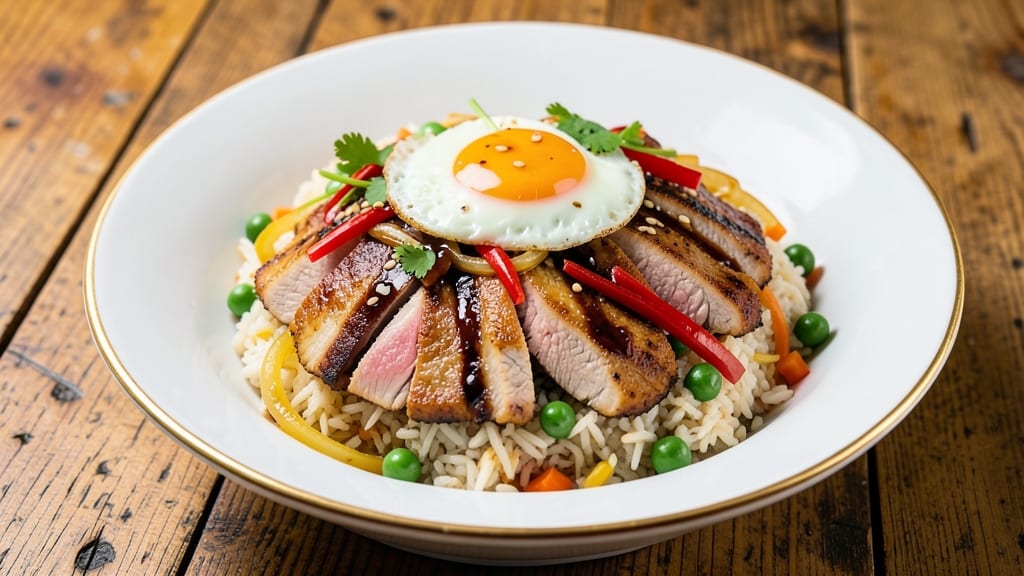
This pork tenderloin fried rice recipe transforms a simple one-pan meal into a restaurant-quality dinner—juicy protein meets perfectly seasoned rice in under 30 minutes. 🔥 The secret lies in searing the pork first for deep flavor, then combining it with day-old rice and aromatic vegetables for a dish that's both satisfying and balanced.
I developed this after realizing how often we waste leftover rice and pork—this recipe turns scraps into something extraordinary.
What makes this dish special is the tender pork that stays juicy while absorbing the savory fried rice flavors, and the rice itself—crisp at the edges, tender in the center—thanks to a quick stir-fry technique.
The key ingredients are simple: pork tenderloin, day-old rice, eggs, frozen peas and carrots, and a blend of soy sauce, sesame oil, and garlic. No fancy equipment needed, just a large skillet and a willingness to let flavors meld together.
By the time you're done, you'll have a plate of golden fried rice loaded with perfectly cooked pork slices, vibrant vegetables, and a sauce that's rich yet balanced. The aroma alone will have everyone asking what's for dinner.
This is the kind of meal that delivers comfort food satisfaction without requiring hours in the kitchen—ideal for busy weeknights or when you want to impress with minimal effort.
The best part? Leftovers reheat beautifully, making this an excellent meal prep option. Serve with steamed broccoli or a simple side salad to round out the plate. Let's get cooking—this fried rice is about to become your new go-to weeknight dinner.
Ingredients for pork tenderloin fried rice
Simple ingredients that pack a flavor punch—juicy pork meets crispy rice in one pan.
| Ingredient | Amount | Notes |
|---|---|---|
| Pork Tenderloin 🥩 | 1 lb | Trimmed of fat, sliced thin |
| Day-Old Cooked White Rice 🍚 | 4 cups | Cold or room temperature |
| Large Eggs 🥚 | 2 whole | Room temperature for best texture |
| Frozen Peas and Carrots Mix 🥕 | 1 cup | Thawed, no need to chop |
| Yellow Onion 🧅 | 1 whole | Medium, finely diced |
| Garlic Cloves 🧄 | 4 cloves | Minced, fresh preferred |
| Sesame Oil 🫒 | 1 tbsp | Toasted, for aroma |
| Light Soy Sauce 🥢 | 3 tbsp | Kikkoman preferred |
| Dark Soy Sauce 🥢 | 1 tbsp | For color depth |
| Vegetable Oil 🫒 | 2 tbsp | High smoke point |
| Green Onions 🧅 | 3 whole | Thinly sliced, for garnish |
| Sesame Seeds 🌾 | 1 tsp | Toasted, optional garnish |
| Salt 🧂 | ½ tsp | Diamond Crystal preferred |
| Black Pepper 🌶️ | ¼ tsp | Freshly ground |
The pork tenderloin is the star here—look for one with good marbling for extra juiciness. Costco or local butchers often carry the best quality, but any well-trimmed cut works. Slice it against the grain into ¼-inch thick strips—this ensures it stays tender. Day-old rice is non-negotiable; fresh rice turns mushy when stir-fried. If you're short on time, cook extra rice the night before and store it in the fridge. The frozen peas and carrots mix is a time-saver, but if you prefer fresh, thinly slice carrots and use baby peas for even cooking.
No sesame oil? Toasted peanut oil or avocado oil works in a pinch, but you'll miss that nutty aroma. Swap dark soy sauce for extra light soy sauce plus a pinch of molasses if needed. Fresh garlic and green onions are ideal, but dried garlic powder at half the amount and frozen green onions (thawed) get you close. For extra protein, add chopped cooked shrimp or diced tofu—just adjust the cooking time slightly. The key is balancing the salty-sweet flavors, so taste as you go and adjust with a splash more soy sauce if needed.
Leftovers keep for 3-4 days in the fridge, but honestly, they reheat even better the second day—the flavors meld together perfectly. Portion into airtight containers with a thin layer of oil on top to prevent drying. Freezes for up to 3 months, though it's best enjoyed fresh. For meal prep, double the batch and store in individual containers—just reheat in a skillet with a splash of water for crispy edges. The sesame seeds and green onions are best added fresh after reheating, so skip them if prepping ahead.
Why You'll Love This Recipe
- One-Pan Magic: I swear by this recipe when I’m too tired to scrub a million dishes—just toss everything onto a hot pan with a little oil, and boom, dinner’s done. The pork tenderloin slices crisp up while the rice soaks up all the savory juices, and those frozen peas? They thaw right into the mix without any fuss.
- Umami Bomb: That pork tenderloin is the star—it’s lean but packs a punch when sliced thin and seared just right. The eggs add richness, the onions caramelize into sweetness, and the frozen veggie mix? Surprisingly fresh-tasting. Honestly, it’s the kind of fried rice that makes me forget takeout exists.
- Leftover Hero: This dish actually improves the second day. The flavors meld overnight, and reheating it stirs up all those delicious aromas again. I’ll be real: I often make a big batch on Sunday so I can grab a reheated bowl for lunch all week—zero guilt, all satisfaction.
- Budget Meal Powerhouse: Pork tenderloin is cheaper than you think, and using day-old rice (no waste!) plus a frozen veggie mix keeps costs low. A few eggs and an onion round it out—this is the kind of meal that feeds four for under $15 without feeling like a sacrifice. My wallet and my family thank me every time.
Step-by-step instructions for pork tenderloin fried rice
This one-pan wonder delivers restaurant-quality fried rice with perfectly tender pork every time.
🍳 Step 1: Prep and Sear the Pork Tenderloin
Slice the 1 lb pork tenderloin into ¼-inch thick strips against the grain for maximum tenderness. Pat them completely dry with paper towels—this ensures a good sear. Heat 2 tablespoons vegetable oil in a 14-inch skillet or wok over medium-high heat until shimmering.
Add the pork strips in a single layer and let them sear undisturbed for 2-3 minutes until golden brown on one side. Flip and cook another 2-3 minutes until fully cooked through. The pork should be light pink inside with a crisp exterior. Remove and set aside—you want those beautiful caramelized edges to stay intact when we add everything back later.
👨🍳 Step 2: Scramble the Eggs and Prep Vegetables
In the same skillet (no need to wipe it clean—those browned bits are flavor gold), crack the 2 room temperature eggs and scramble them over medium heat for 1-2 minutes until just set but still slightly runny. Remove and set aside with the pork. This keeps the eggs creamy rather than rubbery when we combine everything.
While the eggs cook, finely dice the 1 whole yellow onion and mince the 4 garlic cloves. Thaw the 1 cup frozen peas and carrots mix by microwaving for 1 minute or running under hot water. Thinly slice the 3 green onions for garnish. Real talk: don't skip the garlic—it's the flavor bridge between the pork and vegetables.
🍳 Step 3: Stir-Fry the Aromatics and Rice
Return the skillet to medium-high heat and add the diced onion. Cook for 3-4 minutes until softened and just starting to brown. Add the minced garlic and cook for 30 seconds until fragrant—you'll smell that sweet garlic aroma fill your kitchen. This is where the foundation of your dish builds.
Add the 4 cups day-old cooked white rice, breaking up any clumps with your spatula. Stir-fry for 2-3 minutes until the rice is heated through and begins to sizzle. The rice should be hot but not crispy—we're not making rice crispy treats here. This is the moment that matters: the rice should be evenly distributed and starting to pick up those onion and garlic flavors.
🥘 Step 4: Combine Everything and Sauce
Return the pork strips and scrambled eggs to the skillet. Pour in the 3 tablespoons light soy sauce, 1 tablespoon dark soy sauce, and 1 tablespoon sesame oil. Add the thawed peas and carrots mix and toss everything together vigorously for 3-4 minutes until well combined and heated through.
Taste and adjust seasoning with ½ teaspoon salt and ¼ teaspoon black pepper—this is your chance to perfect the balance. The dish should be savory, slightly sweet from the dark soy sauce, and well-seasoned. If it's too dry, add 1-2 tablespoons water to loosen it up. Here's the thing—fried rice should be sticky but not soggy, with each bite delivering that perfect texture contrast.
🍽️ Step 5: Finish and Garnish
Remove from heat and let the fried rice rest for 1 minute—this helps the flavors meld. Garnish with the sliced green onions and sprinkle with 1 teaspoon toasted sesame seeds. Serve immediately while hot, with extra soy sauce on the side if desired. Each bite should deliver tender pork, creamy eggs, crisp veggies, and that perfect umami-packed sauce coating every grain of rice.
Pro tip: The dark soy sauce gives that beautiful mahogany color while adding depth of flavor. Don't skip it—it's what makes this dish look (and taste) like it came from a wok house.
Pro Tips For Making Pork Tenderloin Fried Rice
- Trim and Slice Thin: Pork tenderloin’s lean, so slice it against the grain into ¼-inch strips—thinner than you’d think. I used to fight with thicker cuts, and they’d turn rubbery; this way, they cook fast and stay juicy.
- Scramble Eggs First: Push the eggs to one side of the wok after they’re set, then stir-fry the pork and veggies in the same pan. The residual heat keeps the eggs warm, and you won’t end up with a sad, cold egg pile at the end.
- Dry the Rice Well: Spread day-old rice on a baking sheet and let it sit uncovered for 10 minutes before adding it to the pan. Wet rice steams instead of crisping, and that’s a one-way ticket to mushy fried rice.
- Use High Heat for Pork: Get the wok screaming hot before adding the pork—it’s the only way to get that quick sear without overcooking. If it’s not smoking, crank it up; this isn’t the time to be gentle.
Common mistakes when making perfect results
Overcooking the Pork
Pork tenderloin cooks fast—overcooking turns it dry and tough. I've ruined more pork than I'd admit by walking away while it sears. Keep strips at 145°F internal temperature max, and watch for golden brown edges with just a hint of pink inside.
Remove immediately after—those edges stay crispy when you add them back to the rice. 🔥
Using Fresh Rice
Fresh rice is a fried rice no-no—it turns mushy when stir-fried. I learned this the hard way after making a batch with freshly cooked rice that resembled glue. Day-old rice has dried out slightly, so it absorbs flavors better and stays separate.
If you're short on time, cook extra rice the night before or use cold rice from the fridge.
Skipping the Sear
Raw pork straight into the rice? Big mistake. The sear builds flavor that carries through the dish. I once made fried rice with pre-cooked pork that tasted bland.
Always sear pork first—those caramelized edges add depth. Use medium-high heat and 2 tbsp vegetable oil for a proper sear. Don't rush it!
Overcrowding the Pan
Packing too much into your skillet steams the food instead of searing it. I've seen home cooks try to fit everything in at once, resulting in soggy rice.
Work in batches if needed—start with the pork, then eggs, then aromatics, and finally the rice. A 14-inch skillet or wok is ideal for this recipe's volume. 🥘
Ignoring the Rest Time
Skipping the 1-minute rest after cooking means uneven texture and flavor. I've served fried rice immediately, only to have guests complain about dry rice and scattered toppings. Let the dish sit briefly so flavors meld and garnishes adhere. This simple step makes all the difference in presentation and taste.
Underseasoning
Tasting before serving is non-negotiable. I've served fried rice that needed more soy sauce because I didn't check the seasoning. Start with the 3 tbsp light soy sauce and 1 tbsp dark soy sauce, then adjust.
Add ½ tsp salt and ¼ tsp black pepper as needed—this balances the dish perfectly. Don't be shy with seasoning!
Nutrition facts
Frequently asked questions
Can I use fresh rice instead of day-old rice?
Fresh rice is a big no-no for fried rice—it turns mushy when stir-fried. The key is using day-old rice that's slightly dried out, which absorbs flavors better and stays separate. If you're short on time, cook extra rice the night before or use cold rice from the fridge. The texture difference is night and day!
How do I keep the pork tenderloin juicy?
Slice the pork ¼-inch thick against the grain and sear it quickly over medium-high heat until just golden brown (about 2-3 minutes per side). Remove immediately when it hits 145°F internal temperature—overcooking dries it out. The secret is those crispy edges stay intact when you add it back to the rice.
What if I don't have dark soy sauce?
No problem! Mix 1 tbsp extra light soy sauce with ½ tsp molasses for color and depth. The dark soy sauce adds that signature mahogany color and extra umami, but this combo works in a pinch. Just taste as you go and adjust with more light soy sauce if needed. Every wok house has their secret trick!
Can I make this recipe ahead of time?
This dish reheats beautifully. Store leftovers in airtight containers for up to 3-4 days in the fridge. For meal prep, double the batch and portion into containers. Reheat in a skillet with a splash of water for crispy edges, then garnish with fresh green onions and sesame seeds. The flavors actually improve overnight!
What's the best way to adjust for spicier flavors?
Add ½ tsp red pepper flakes or 1 tsp sriracha when combining everything with the soy sauce. For extra heat, stir in 1 tbsp chopped fresh chili or a dash of chili crisp at the end. Start with a small amount—you can always add more, but you can't take it out!