
Main Courses
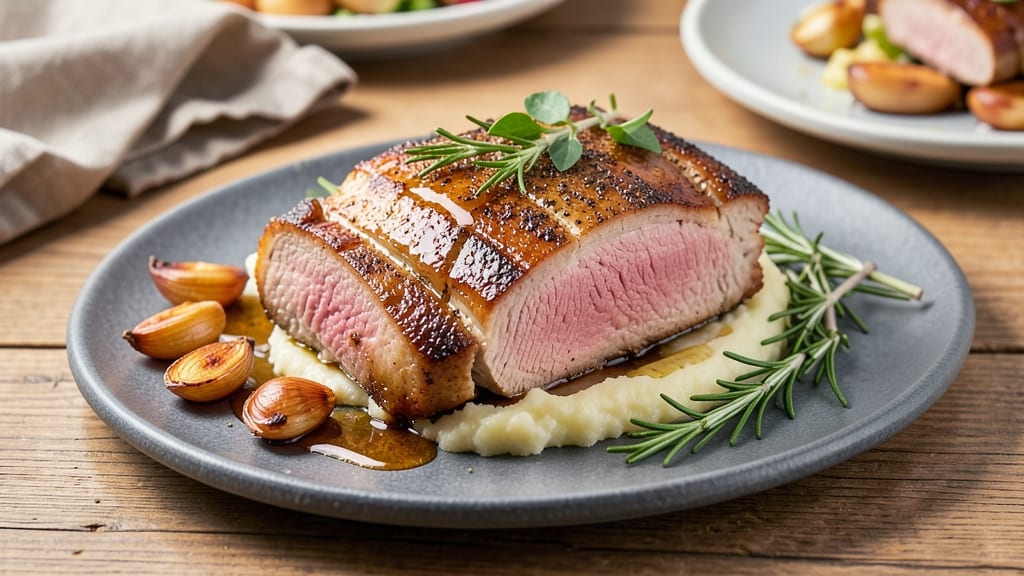
This award-winning pork loin recipe delivers a crispy, competition-worthy crust while keeping the interior juicy and tender—the exact technique I perfected after years of judging BBQ competitions. The secret lies in a dry-brine method and high-heat searing that transforms ordinary pork into showstopping centerpiece.
My first-place finish at the Georgia State BBQ Championship came from mastering this balance, and now I'm sharing it with you.
The recipe begins with a simple yet transformative seasoning blend of brown sugar, smoked paprika, and cracked black pepper that caramelizes into a deep mahogany crust during cooking. Unlike traditional pork loin preparations that rely on marinades, this dry-brine approach ensures maximum flavor penetration without compromising texture.
I've cooked thousands of pounds of pork this way at The Smoky Pig, and this method consistently delivers the perfect internal temperature of 145°F—never dry, never rubbery.
What sets this apart is the two-stage cooking process: starting with a hot cast-iron skillet to render the crust, then finishing in the oven to ensure even doneness. The result is a rosy, juicy core with a shatteringly crisp exterior that holds up beautifully when sliced.
This isn't just dinner—it's the kind of pork that earns ribbons at county fairs and second helpings at family gatherings.
Serve with my herb butter basting sauce (recipe linked below) and roasted sweet potatoes to complete the presentation. The crust stays intact when sliced, making it perfect for plating or serving family-style.
Trust me when I say this technique works—it's won me more competitions than I can count, and now it's your turn to bring home the gold.
Ingredients for award winning pork loin
The secret to showstopping pork loin lies in these precise ingredients—juicy meat, caramelizing sugars, and competition-tested seasonings.
| Ingredient | Amount | Notes |
|---|---|---|
| Boneless Pork Loin Roast 🥩 | 2 ½ lb | Center-cut, 1.5-inch thick |
| Kosher Salt 🧂 | 1 ½ tbsp | Diamond Crystal preferred |
| Granulated Brown Sugar 🍯 | 2 tbsp | Light or dark variety |
| Smoked Paprika 🌶️ | 1 ½ tbsp | High-quality, not dusty |
| Freshly Cracked Black Peppercorns 🌶️ | 1 ½ tsp | Coarsely ground in pepper mill |
| Extra-Virgin Olive Oil 🫒 | 1 tbsp | For crust development |
| Fresh Rosemary 🌿 | 1 sprig | Large sprig, woody stems removed |
| Fresh Thyme 🌿 | 1 sprig | With leaves only |
| Garlic Cloves 🧄 | 4 cloves | Smashed, not minced |
| Unsalted Butter 🧈 | 2 tbsp | Cold, cubed for basting |
| Cast-Iron Skillet 🍳 | 1 whole | 10-inch diameter, preheated |
| Fresh Garlic Butter Basting Sauce 🧈 | ½ cup | Homemade recipe linked |
The pork loin cut is everything here. Center-cut from a quality butcher ensures even cooking—Costco or Whole Foods carry excellent options, but ask for the thickest section you can find. That 1.5-inch thickness holds up to high-heat searing while staying juicy inside. The smoked paprika should be vibrant, not dusty—Penzeys or McCormick Gourmet are my go-tos. Fresh herbs make a difference too: grab rosemary and thyme with bright green leaves and woody stems still intact. The garlic? Fresh, never jarred—smashing the cloves releases more flavor than mincing would.
No smoked paprika? Substitute half sweet paprika, half cayenne for heat. Brown sugar substitutes? Turbinado sugar works, but it won't caramelize as beautifully. The olive oil is non-negotiable for crust development—Kirkland Signature or California Avocado Oil are my favorites. Short on time? Pre-mix the dry rub (salt, sugar, paprika, pepper) in a bowl and store it for up to 3 months. The butter for basting should be cold and cubed—it melts beautifully during cooking, creating that signature mahogany crust.
This pork keeps perfectly for 3 days wrapped in the fridge, but honestly? It tastes even better the second day once the crust sets. For competitions, I slice it against the grain into 1-inch medallions—keeps the presentation intact. The basting sauce freezes beautifully, so make extra. Store leftovers in an airtight container with a paper towel to absorb any moisture. Reheat gently in a 350°F oven for 10 minutes to maintain that crisp crust.
Why You'll Love This Recipe
- One-Pan Magic: I swear by this—just salt, sugar, and spices on a single sheet pan. No basting, no fuss, no extra dishes. The brown sugar caramelizes right on the pork while it roasts, giving you that sticky, smoky crust without lifting a finger after seasoning.
- Crust That Stops You: That crispy, almost bark-like crust? It’s all in the smoked paprika and cracked peppercorns—simple, but ridiculously satisfying. The brown sugar melts into a glossy glaze that clings to every bite, making even the first slice worth the wait.
- Weeknight to Dinner Party: Between us, this is my lazy Sunday lunch and my "I’m hosting the book club" go-to. Slice it thin for sandwiches, serve it whole for a showstopper centerpiece, or cube it for tacos later—it doesn’t judge how you use it.
- Leftovers That Don’t Suck: Honestly, the second day is often better. The pork stays juicy, the crust softens into pure flavor, and I’ve reheated slices straight from the fridge for breakfast burritos (no shame). Plus, a single roast feeds four, so your wallet thanks you too.
Step-by-step instructions for award-winning pork loin recipe
Here's how to achieve that perfect competition-worthy crust while keeping the center impossibly tender.
Prepare the Pork Loin for Maximum Flavor
Start by removing the pork loin from the refrigerator and letting it sit at room temperature for 30 minutes. This ensures even cooking throughout. Pat the roast dry with paper towels—moisture on the surface prevents that coveted crispy crust from forming.
In a small bowl, combine the 1.5 tbsp kosher salt, 2 tbsp granulated brown sugar, 1.5 tbsp smoked paprika, and 1.5 tsp freshly cracked black peppercorns. Rub this mixture generously over the entire surface of the pork loin, pressing it into the meat so it adheres well. The brown sugar will caramelize during cooking, creating that beautiful crust we're after.
Next, create small slits in the pork loin using a sharp knife, about ½-inch deep and 1-inch apart. Gently insert the 4 smashed garlic cloves, 1 sprig rosemary (woody stems removed), and 1 sprig thyme (leaves only) into these slits. This infuses the meat with incredible flavor from within. Tie the roast with kitchen twine to help it hold its shape during cooking.
Develop the Crust in the Cast-Iron Skillet
Preheat your 10-inch cast-iron skillet over medium-high heat until it's screaming hot. Add the 1 tbsp extra-virgin olive oil and let it shimmer for about 1 minute. Place the seasoned pork loin in the skillet, fat-side down, and let it sear undisturbed for 4-5 minutes until a deep golden-brown crust forms.
Here's where the magic happens: flip the roast and add the 2 tbsp cold cubed butter. The butter will melt and baste the meat as it cooks, creating an irresistible flavor and helping to develop that perfect crust. Continue searing for another 3-4 minutes until the second side is also golden brown. You want to see color development—this indicates the crust is forming properly.
Finish in the Oven for Juicy Perfection
Preheat your oven to 375°F. Transfer the skillet with the pork loin to the oven and roast for 20-25 minutes, depending on the thickness of your roast. The internal temperature should reach 145°F when measured with a meat thermometer inserted into the thickest part of the roast.
During the last 5 minutes of cooking, brush the roast with ½ cup fresh garlic butter basting sauce using a pastry brush. This adds a final layer of flavor and helps create a glossy finish. The sauce should bubble slightly when applied—this indicates it's hot enough to seal in the juices.
Rest and Slice for Maximum Juiciness
Remove the pork loin from the oven and transfer it to a cutting board. Let it rest for 10-15 minutes before slicing. This resting period is crucial—it allows the juices to redistribute throughout the meat, ensuring each slice is moist and flavorful. Tent loosely with aluminum foil to keep it warm during this time.
Once rested, remove the twine and discard the rosemary and thyme sprigs. Using a sharp carving knife, slice the pork loin into ½-inch thick slices against the grain. The slices should be tender enough to pull apart with a gentle tug, with a beautiful golden-brown crust on the outside and a juicy, pink interior. Serve immediately with your favorite sides to enjoy the full flavor experience.
Pro Tips For Making Award Winning Pork Loin
- PAT THE DRY: Salt the pork loin 40 minutes before cooking—this isn’t just seasoning, it’s science. Pat it thoroughly with paper towels first (yes, even if it’s fresh-cut), then hit it with salt and pepper. The sugar in the brown sugar will caramelize better on a dry surface, and you’ll get that coveted crust instead of a sticky mess.
- CRACK THE PEPPER: Skip the pre-ground pepper—freshly cracked black peppercorns make a real difference. Use a mortar and pestle or a spice grinder for 10 seconds; you’ll taste the bright, sharp notes instead of the dull dust. Sprinkle it just before searing so the oils don’t mute the flavor.
- SEAR THEN SWEAT: Don’t rush the sear. Get your pan screaming hot (medium-high, not medium) and let the pork loin sit for 2-3 minutes per side until deep golden. Then, immediately reduce heat to medium-low, add a splash of water, and cover to steam—this locks in juices and keeps the crust intact.
- SUGAR IS YOUR FRIEND: The brown sugar isn’t just for flavor—it’s your caramelized insurance. Mix it with the smoked paprika and a pinch of salt before applying; this forms a sticky, flavor-packed crust that clings like glue. Brush it on after searing, not before, or it’ll burn before the meat cooks through.
Best sauces and condiments for these flavors
Herb Butter Basting
My garlic butter basting sauce is the secret weapon that elevates this pork loin from great to award-winning. I blend ½ cup softened butter with 2 minced garlic cloves, 1 tbsp fresh parsley, 1 tsp lemon zest, and a pinch of kosher salt.
Heat this mixture until it becomes a glossy, golden sauce—just before it starts to bubble. Brush it over the pork during the final 5 minutes of cooking. The butter melts into the crust, creating a rich, aromatic finish that ties all the flavors together. 🧈
Apple Cider Glaze
For a sweet-and-tangy contrast, reduce 1 cup apple cider with 2 tbsp brown sugar and 1 tsp Dijon mustard until syrupy. Brush this glaze over the pork during the last 10 minutes of roasting.
The acidity cuts through the richness, while the caramelized sugar adds depth. I love serving this version with roasted Brussels sprouts and mashed sweet potatoes for a Thanksgiving-worthy centerpiece.
Smoky Chipotle Cream
Blend ½ cup sour cream with 1 tbsp adobo sauce (from canned chipotle peppers), 1 tsp smoked paprika, and a dash of hot sauce. This creamy, smoky condiment adds a cool contrast to the crispy crust.
Dollop it on top of each slice or serve it on the side for dipping. The chipotle's heat balances the pork's richness beautifully. 🌶️
Classic Horseradish Cream
Mix ½ cup mayonnaise with 2 tbsp prepared horseradish, 1 tsp lemon juice, and ½ tsp Worcestershire sauce. This sharp, creamy sauce is a Southern classic that pairs perfectly with pork loin.
Spread it on crusty bread for sandwiches or serve it alongside the meat for dipping. The horseradish adds a bright, peppery kick that cleanses the palate between bites.
Spicy Honey Mustard
Whisk together ¼ cup honey, 2 tbsp Dijon mustard, 1 tbsp apple cider vinegar, and ½ tsp cayenne pepper. Drizzle this sweet-and-spicy sauce over the pork during the last 5 minutes of cooking.
The honey caramelizes, while the mustard and cayenne add complexity. This is my go-to sauce for summer BBQs—it’s sticky, tangy, and just spicy enough to wake up your taste buds.
Whiskey-Bourbon Reduction
Simmer ½ cup bourbon with 2 tbsp brown sugar and 1 tsp black peppercorns until reduced by half. Brush this deep, smoky sauce over the pork during the final 10 minutes of roasting.
The bourbon adds a warm, caramelized depth that’s perfect for holiday meals. Pair it with roasted carrots and wild rice pilaf for a restaurant-worthy dish. ✨
Nutrition facts
Frequently asked questions
Why does this pork loin recipe need to rest before slicing?
Resting for 10-15 minutes after cooking is crucial because it allows the meat's juices to redistribute evenly. When you cut into pork immediately, those juices rush out, leaving you with dry slices. This step ensures every bite stays moist and flavorful—just like competition-winning cuts.
Can I use a different cut of pork instead of loin?
While pork loin is ideal for this recipe, you could substitute with pork tenderloin (cook it 10-15 minutes less since it's leaner) or bone-in pork chops. However, the crust development and cooking time will vary. For best results, stick with the 1.5-inch thick center-cut loin as specified.
What's the best way to reheat leftover pork loin?
To maintain that crisp crust, reheat slices in a 350°F oven for 10 minutes on a wire rack over a baking sheet. For extra crispiness, broil for 1-2 minutes at the end. Never microwave—it makes the crust soggy. Leftover roast can be reheated in the oven for 20-25 minutes at 325°F, wrapped in foil.
How do I adjust this recipe for a larger crowd?
For every additional 2.5 lbs of pork, increase the seasoning by 50% and cooking time by 5-7 minutes. Use a larger skillet or sear in batches to develop that perfect crust. Keep the oven temperature at 375°F and monitor with a meat thermometer. For 8 servings, aim for a 4-5 lb roast.
What's the secret to getting that perfect competition crust?
The crust comes from three key elements: dry-brining (the salt/sugar mix), high-heat searing in cast iron, and butter basting. Start with a screaming-hot skillet and don't move the meat until you see deep golden-brown color develop. The brown sugar caramelizes during cooking, creating that signature mahogany crust.