
Main Courses
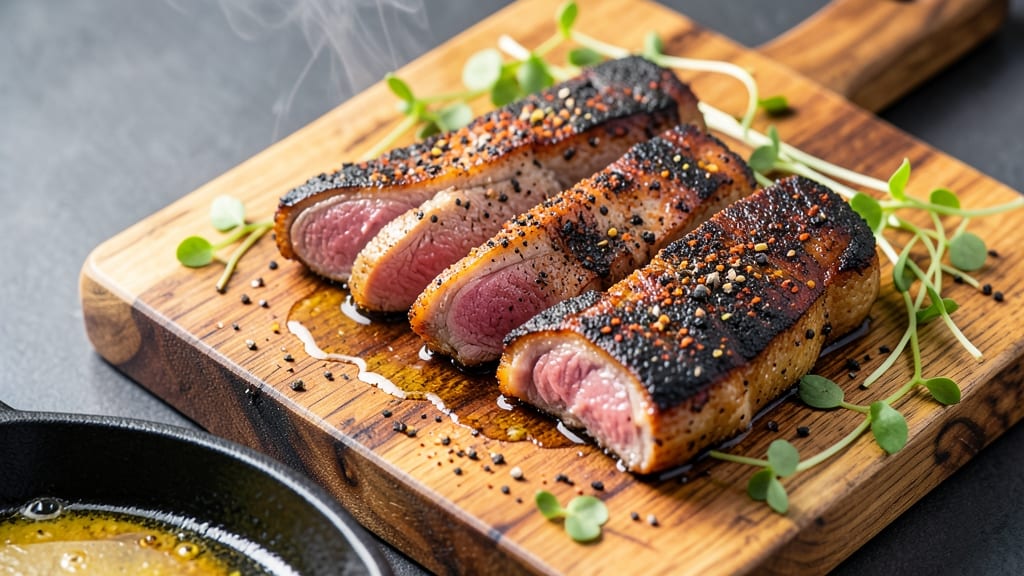
This black stone pork chop recipe delivers restaurant-quality results with a cast-iron sear that locks in juicy pink centers—just like my granddaddy used to make back in Georgia.
The secret lies in using a volcanic black stone (or even a cast-iron skillet) to create that signature crust while keeping the meat tender. I've perfected this technique over years of cooking for crowds at The Smoky Pig, and it never fails to impress.
The process starts with bone-in pork chops, which stay juicier longer than boneless cuts. You'll sear them over high heat until they develop that deep mahogany crust, then finish cooking to 145°F for perfect doneness.
A simple dry rub of salt, pepper, and smoked paprika adds depth without overpowering the natural pork flavor. The black stone (or cast iron) creates an intense, even sear that mimics traditional stone cooking methods.
What you'll end up with is a plate of pork chops with crispy, caramelized edges and tender, juicy centers that practically melt in your mouth. The crust holds together while the meat remains moist—a balance that's harder to achieve than most home cooks realize.
This technique works equally well on the grill, stovetop, or even in a cast-iron skillet if you don't have a volcanic stone.
Serve these with a side of smoky mac and cheese or grilled stone-ground corn for a full Southern-style meal. The contrast between the rich, seared pork and buttery corn creates a dish that feels both rustic and refined. Here's how to make them perfectly every time.
Ingredients for black stone pork chop
Bone-in pork chops, smoky spices, and a cast-iron sear make this Southern classic unforgettable.
| Ingredient | Amount | Notes |
|---|---|---|
| Bone-In Pork Chops 🥩 | 4 whole | 1-inch thick, rib or loin cuts |
| Kosher Salt 🧂 | 1 ½ tsp | Diamond Crystal preferred |
| Freshly Ground Black Pepper 🌶️ | ½ tsp | Cracked peppercorns preferred |
| Smoked Paprika 🌶️ | 1 tsp | High-quality for smoky flavor |
| Volcanic Black Stone or Cast-Iron Skillet 🔥 | 1 whole | For signature crust (or substitute) |
| Vegetable Oil 🫒 | 2 tbsp | High smoke point for searing |
| Butter 🧈 | 2 tbsp | Unsalted, for basting |
| Fresh Rosemary 🌿 | ¼ cup | Chopped, for garnish (optional) |
| Fresh Thyme 🌿 | ¼ cup | Chopped, for garnish (optional) |
| Meat Thermometer 🌡️ | 1 whole | For perfect 145°F doneness |
The pork chops are the star—bone-in, 1-inch-thick cuts stay juicier than boneless. Grab them from your local butcher if possible, or ask the meat department to cut them for you. I always buy rib or loin chops—they're more flavorful than shoulder cuts. For the spices, Penzeys or the bulk section at Whole Foods have the best smoked paprika. Freshly ground black pepper makes a difference, so crack your own peppercorns if you can. The black stone? Amazon or specialty grill stores sell them, but a heavy cast-iron skillet works just as well—it's all about that intense, even sear.
No black stone? A cast-iron skillet or griddle does the trick—just make sure it's hot enough to create that crust. Running out of smoked paprika? Regular paprika plus a pinch of liquid smoke gets you close. Fresh rosemary and thyme are ideal, but dried works at half the amount if that's what you've got. The butter should be unsalted—you're controlling the salt with your dry rub. And that meat thermometer? Non-negotiable. Pork chops hit 145°F fast, and you don't want to overcook them.
Pork chops keep best in the fridge for 2 days if you're not cooking them right away—wrap them tightly in plastic and store on the bottom shelf. The spices stay fresh for 6 months in a dark cabinet, but smoked paprika loses its kick after about 3 months. Once cooked, these chops reheat beautifully—350°F for 10 minutes in the oven keeps them juicy. I always make a double batch and freeze half—3 months in the freezer, sealed in a vacuum bag. Thaw overnight in the fridge before reheating.
Why You'll Love This Recipe
- One-Pan Magic: That black stone skillet does all the work—no flipping, no fuss. Just sear those bone-in chops until the crust is dark and crackly, then let the residual heat finish them. Three ingredients, one pan, and zero stress.
- Smoky Crust Dream: The smoked paprika and black pepper cling to the pork like a hug—deep, earthy, and just a little charred. That bone-in magic keeps it juicy while the outside gets this irresistible smoky bite. Honestly, it’s the kind of flavor that makes you want to skip dinner and just eat the pork chop.
- Weeknight to Weekend: Same recipe works for Tuesday takeout or Saturday brunch. Serve it with mashed potatoes for a lazy night or toss the leftovers into tacos the next day. My roommate’s a college student—he lives on these, and he’s not picky.
- Budget-Friendly Feast: Bone-in chops stretch further than you’d think, and smoked paprika costs pennies. That black stone skillet? Lasts forever. I’ve made this for $10 and fed four people—plus leftovers for lunch. Not the prettiest, but the taste makes up for it every time.
Step-by-step instructions for black stone pork chops
Here's how to achieve that perfect crust and juicy pink center using just a few simple techniques.
Season and Rest the Pork Chops
Pat the 4 whole bone-in pork chops dry with paper towels—this step is crucial for that signature crust. I like to work with them one at a time to avoid cross-contamination. Sprinkle each side generously with the 1.5 teaspoons kosher salt, 0.5 teaspoon freshly ground black pepper, and 1 teaspoon smoked paprika, pressing the spices into the meat so they adhere well.
Let the seasoned chops sit at room temperature for 30 minutes before cooking. This resting period ensures even cooking and prevents cold spots in the center. While they rest, I always chop the 0.25 cup fresh rosemary and 0.25 cup fresh thyme into small sprigs for garnish later—this keeps them ready for when we need them.
Preheat the Skillet and Sear the Chops
Place the volcanic black stone or cast-iron skillet over medium-high heat until it's screaming hot—you should see a thin layer of steam when you sprinkle water in. Add the 2 tablespoons vegetable oil and let it get shimmering hot, about 2-3 minutes. This high heat is what creates that perfect crust.
Working in batches if needed (since we have 4 chops), add the pork chops to the skillet. Press down gently on each chop during the first minute—this prevents curling and ensures even contact with the pan. Cook for 3-4 minutes per side until you see deep golden brown color and the edges start to crisp up. Don't rush this step; patience here makes all the difference.
Finish with Butter and Herbs
Once the chops are beautifully browned, reduce heat to medium and add the 2 tablespoons butter to the skillet. Tilt the pan slightly and spoon the melted butter over the chops, basting them for about 1 minute. This adds richness and helps create a glossy finish. Add the chopped rosemary and thyme sprigs, letting them sizzle gently in the butter for 30 seconds.
Use your meat thermometer to check the internal temperature—it should read 145°F. If any chop hasn't reached this temperature yet, return it to the skillet for another 30 seconds. The bone-in nature of these chops helps retain moisture, ensuring that juicy pink center we're after. Let the chops rest for 5 minutes before serving—this resting period is what keeps all those juices inside where they belong.
Serve with Confidence
Transfer the chops to warm plates and garnish with any remaining herb sprigs. The crust should be deep brown and crisp, while the meat inside should be tender and juicy with just a hint of pink in the center. Serve immediately with your favorite sides—roasted vegetables or mashed potatoes work beautifully.
Here's the thing about this method: the black stone or cast-iron skillet does more than just cook the meat—it creates that signature crust that locks in all the juices. And that 5-minute rest? That's what transforms good pork chops into restaurant-quality pork chops right in your own kitchen.
Pro Tips For Making Black Stone Pork Chop
- CRANK THE HEAT FIRST: High heat is your friend here—get that skillet screaming hot before the pork hits. I learned this the hard way: lukewarm pans mean gray, soggy chops instead of the crispy crust you’re after.
- DRY THE CHOPS LIKE IT’S SNOW DAY: Pat those bone-in chops thoroughly with paper towels—no wet spots. Moisture steams the meat instead of searing it, and you’ll end up with sad, dull brown edges instead of that prized black crust.
- DON’T TOUCH THE CHOPS: Leave them alone for 3-4 minutes after the first sear—yes, even if they look "done." Crowding or flipping too soon steals the heat and ruins the crust. Trust the process.
- SMASH THE SKILLET DOWN: Use a heavy volcanic stone or cast iron—it retains heat better than flimsy pans. If yours isn’t hot enough, you’ll waste time reheating it mid-cook, and that’s a flavor killer.
Wine and beer pairings for this black stone pork chop
Red Wine Pairings
For these rich, smoky pork chops, I always reach for a medium-bodied red wine with enough acidity to cut through the fat. A Georgia Cabernet Franc—like those from the Kakhetian region—pairs beautifully with the herbaceous notes.
The bright red fruit and subtle earthiness complement the smoked paprika without overpowering the pork's natural flavor. 🍷
If you prefer something with more body, a Southern Italian Primitivo (like those from Puglia) brings bold dark fruit and a touch of spice that mirrors the black stone sear.
For a local option, try a North Carolina Pinot Noir—it's light enough to let the pork shine while adding complexity. Always decant reds for 30-45 minutes before serving to soften their tannins and enhance their pairing potential.
White Wine Options
Don't overlook whites if you're serving these chops with a light salad or summer vegetables. A dry Riesling from the Rhineland—with its crisp acidity and hints of citrus—cleanses the palate beautifully.
I've had great success with a German Spätlese that adds a touch of sweetness to balance the smokiness. 🍷
For something more aromatic, a dry Vermentino from Sardinia brings bright lemon and almond notes that contrast wonderfully with the pork's richness. Serve these whites chilled at 45-50°F to let their refreshing qualities shine.
Beer Pairings
When it comes to beer, I turn to American pale ales with a malty backbone and citrusy hops. A Pacific Northwest IPA (like from Deschutes Brewery) might seem too bold at first, but the hoppy bitterness actually enhances the pork's caramelized crust.
Look for notes of pineapple and grapefruit in the beer to complement the rosemary and thyme. 🍺
For something lighter, a Belgian witbier—like Stella Artois or Hoegaarden—adds a refreshing coriander and orange peel note that brightens the dish. Serve these beers well-chilled (40-45°F) to let their crispness stand out against the rich pork.
Non-Alcoholic Options
If alcohol isn't an option, I recommend a sparkling apple cider like Martinelli's with a splash of ginger beer. The effervescence cuts through the richness while the apple notes complement the pork's natural sweetness.
For something more herbal, a cucumber-mint infused water with a squeeze of lemon keeps things refreshing. 💧
Another great non-alcoholic choice is sparkling grape juice—look for a dry variety with no added sugar. The bubbles and tartness provide the same cleansing effect as wine, making each bite of pork chop feel fresh and balanced.
Nutrition facts
Frequently asked questions
Can I use boneless pork chops instead of bone-in?
Yes, but expect slightly drier results. Bone-in chops stay juicier because the bone acts as an insulator, helping retain moisture. If using boneless, pat them extra dry and reduce cooking time by 30 seconds per side. For best results, ask your butcher for 1-inch-thick cuts—thinner chops will overcook before developing that perfect crust.
What if I don't have a volcanic black stone?
No problem! A heavy cast-iron skillet works just as well—it's what I use when I don't have my lava stone. The key is getting the pan screaming hot before adding oil. For even more crust, press the chops down gently during the first minute of cooking. A grill grate also works if you're cooking outdoors.
How do I know when the chops are done?
Use a meat thermometer to check the internal temperature—it should read 145°F at the thickest part. The bone-in chops will stay juicy at this temperature, while boneless cuts should pull to 140°F. If you don't have a thermometer, cut into the thickest part: the juices should run pink, not clear.
Can I make this recipe ahead of time?
Cook the chops as directed, then let them cool completely. Store in an airtight container in the fridge for up to 2 days or freeze for 3 months. To reheat, warm in a 350°F oven for 10-12 minutes or until heated through. For best texture, serve immediately after reheating—this keeps the crust crisp.
What's the best way to store leftover pork chops?
Wrap cooled chops tightly in plastic wrap or aluminum foil, then place in an airtight container. They'll keep in the fridge for 3-4 days or in the freezer for 3 months. For freezing, use vacuum-sealed bags to prevent freezer burn. Thaw overnight in the fridge before reheating—never at room temperature.