
Main Courses
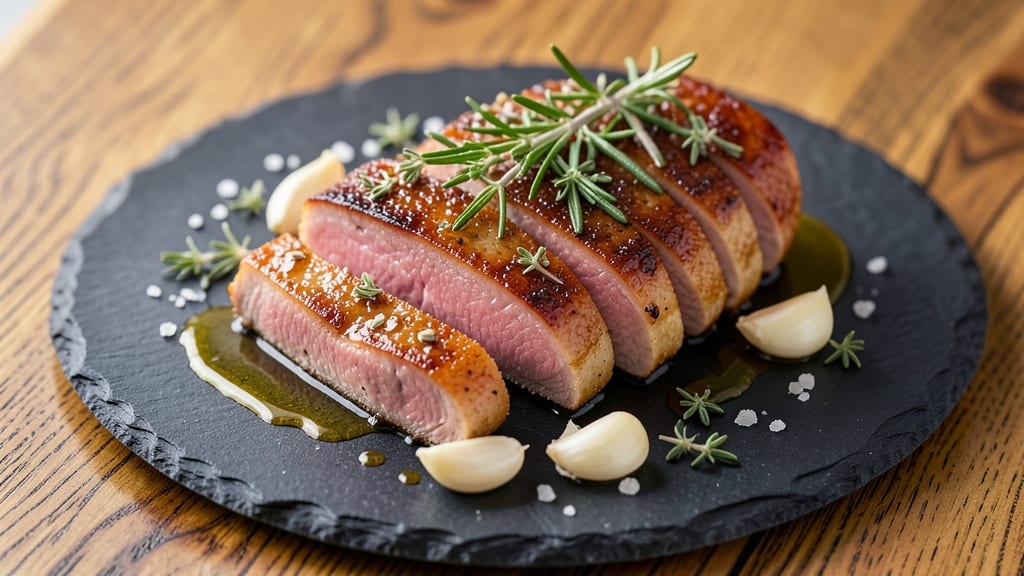
This 2.5 lb pork tenderloin recipe delivers a perfect balance of garlic-herb crust and juicy pink centers—the kind of dish that feels like a restaurant-quality meal without the fuss.
I've been perfecting this technique for years, and it never fails to impress, whether it's a weeknight dinner or a special occasion centerpiece. The secret lies in the high-heat sear followed by precise roasting, ensuring the exterior gets that flavorful crust while the inside stays tender and moist.
The beauty of this recipe is its simplicity—just a few quality ingredients and a straightforward method. You'll start with a simple garlic-herb crust that adds depth of flavor without overpowering the natural taste of the pork.
The key is letting the meat rest after cooking, which allows the juices to redistribute, ensuring every bite is as tender as the first. This method works beautifully for both roasting and pan-searing, giving you flexibility depending on your preferred cooking style.
By the time you're done, you'll have a tender, juicy pork tenderloin with a golden, aromatic crust that's impossible to resist. The meat will be perfectly cooked to 145°F, ensuring it's safe to eat while still retaining that signature pink center.
Serve it with a drizzle of pan juices, roasted garlic mashed potatoes, or a fresh herb salad to complete the meal. This dish is elegant enough for company but easy enough for a weeknight dinner.
Whether you're cooking for two or a small gathering, this recipe scales perfectly and delivers consistent results every time. The technique is foolproof, and the flavor is unbeatable—exactly what you need when you want a showstopping main course that doesn't require hours in the kitchen. Let's get started!
Ingredients for 2.5 lb pork tenderloin
Just eight ingredients transform simple pork tenderloin into restaurant-worthy perfection.
| Ingredient | Amount | Notes |
|---|---|---|
| Pork Tenderloin 🥩 | 2 ½ lb | Center-cut, trimmed of silver skin |
| Extra-Virgin Olive Oil 🫒 | ¼ cup | High-quality, fruity variety |
| Garlic Cloves 🧄 | 8 cloves | Fresh, peeled, smashed |
| Fresh Rosemary 🌿 | ¼ cup | Finely chopped, stems removed |
| Fresh Thyme 🌿 | ¼ cup | Leaves only, finely chopped |
| Kosher Salt 🧂 | 1 ½ tbsp | Diamond Crystal preferred |
| Freshly Ground Black Pepper 🌶️ | 1 tsp | Coarse grind preferred |
| Unsalted Butter 🧈 | ½ cup | Cold, cubed |
| All-Purpose Flour 🌾 | 2 tbsp | For dredging butter cubes |
| Fresh Parsley 🌿 | ⅛ cup | Chopped, for garnish |
| Lemon Juice 🍋 | 1 tbsp | Freshly squeezed |
The pork tenderloin is the star here—look for a center-cut piece with even diameter for perfect cooking. Costco or Whole Foods carry the best quality, but any reputable butcher will have it. Trim the silver skin first (it's tough and unappetizing), then pat it dry with paper towels—this helps the crust form better. For the garlic, fresh is non-negotiable—jarred minced garlic lacks the depth. I usually grab a whole head and just smash the cloves with the flat side of my knife. The herbs? Fresh rosemary and thyme from the grocery store's produce section work fine, but if they smell musty, skip them and use dried at half the amount.
No fresh rosemary? Fresh sage or marjoram work in a pinch, but the flavor will be different. Short on butter? Olive oil works too, though it won't give that rich crust. The flour is just for dredging the butter cubes—don't skip it, but don't overthink it either. For the olive oil, California avocado oil has a higher smoke point if you're searing at high heat. The lemon juice is optional but brightens up the dish—use freshly squeezed if you've got it, or bottled if that's all you have. Pro tip: Let your pork sit at room temperature for 30 minutes before cooking—this ensures even cooking.
This dish reheats beautifully—just warm in the oven at 325°F for 10-15 minutes with a splash of water or broth. The crust will soften slightly, but the meat stays juicy. Store leftovers in an airtight container for up to 4 days. For make-ahead prep, trim and season the pork up to 24 hours ahead, then refrigerate uncovered on a wire rack to dry the surface. The crust will form better after that drying time. Garnish with fresh parsley right before serving—it adds that restaurant-quality touch without overpowering the flavors.
Why You'll Love This Recipe
- One-Pan Magic: I swear by this recipe—just sear the pork, toss in minced garlic and whole sprigs of rosemary and thyme, then roast until golden. No extra pans, no fuss, and the herbs infuse straight into the meat while you’re busy. (Yes, even on a Tuesday night.)
- Herb-Packed Punch: That crispy golden crust? The rosemary and thyme practically melt into the pork, but not so much that they disappear. Honestly, the first time I made this, my husband asked for seconds before the plate was even empty. The garlic? It’s the secret—just smash those cloves into the oil before searing.
- Leftovers That Don’t Suck: Between us, pork tenderloin leftovers are usually sad. Not this one. The meat stays tender, and the flavors only get better the next day. I’ll slice it thin for sandwiches or dice it into salads—it’s my go-to for lunch prep because it doesn’t dry out.
- Budget-Friendly Crowd-Pleaser: A 2.5 lb tenderloin feeds four to six people without breaking the bank, and the ingredients? Olive oil, garlic, and fresh herbs are cheap staples. I’ll be real: I’ve served this at dinner parties, potlucks, and even my mom’s book club, and no one’s ever questioned why it’s on the menu.
Step-by-step instructions for herb-crusted pork tenderloin
Here's the method that guarantees a perfectly crisp herb crust with juicy pink centers every time.
Prep and Season the Pork Tenderloin
Start by trimming any remaining silver skin from the 2.5 lb pork tenderloin using a sharp boning knife. This step ensures even cooking and a clean presentation. Pat the meat completely dry with paper towels—moisture is the enemy of crispy crusts, and you want that herb mixture to adhere properly.
In a small bowl, combine the 0.25 cup fresh rosemary, 0.25 cup fresh thyme, 1.5 tbsp kosher salt, and 1 tsp freshly ground black pepper. Rub this herb mixture all over the pork, pressing firmly so it penetrates the surface. Let the seasoned tenderloin sit at room temperature for 30 minutes while you prepare the crust. This resting period ensures even cooking throughout.
Create the Garlic-Herb Butter Crust
In a small bowl, mix the 0.5 cup cold unsalted butter with the 2 tbsp all-purpose flour until the butter is evenly coated. This creates a paste that will stick beautifully to the pork. In a separate bowl, finely chop the 8 cloves garlic and mix them into the butter-flour paste. The garlic should be finely minced but not paste-like—you want visible specks for maximum flavor impact.
Spread this garlic-herb butter mixture evenly over the entire surface of the pork tenderloin, pressing gently to ensure full contact. The butter will melt slightly as it cooks, creating that golden, crispy crust we're after. Place the prepared tenderloin on a wire rack set over a baking sheet—this allows heat to circulate evenly on all sides.
Sear the Pork for Maximum Flavor
Preheat your oven to 425°F. Heat 0.25 cup extra-virgin olive oil in a large oven-safe skillet over medium-high heat until shimmering. Place the pork tenderloin in the skillet and sear for 3-4 minutes per side until deeply golden brown. You're looking for that beautiful Maillard reaction—the crust should be crisp and the edges caramelized.
Here's the thing—don't rush this step. The searing builds flavor and creates that perfect crust. If you notice the butter starting to burn before the pork is fully browned, reduce the heat slightly. Transfer the skillet to the preheated oven for 15-20 minutes, or until the internal temperature reaches 145°F when measured with a meat thermometer.
Rest and Garnish for Perfect Texture
Remove the pork from the oven and transfer it to a cutting board. Let it rest for 10-15 minutes before slicing. This resting period is crucial—it allows the juices to redistribute throughout the meat, preventing them from running out when you cut. The pork should have a beautiful golden crust on the outside and remain tender and juicy pink in the center.
While the pork rests, chop the 0.125 cup fresh parsley and mix it with the 1 tbsp lemon juice. Spoon this parsley-lemon mixture over the sliced pork just before serving. The bright acidity of the lemon juice cuts through the richness of the butter and herb crust, balancing the flavors perfectly. The parsley adds a fresh finish that makes the dish look and taste restaurant-quality.
Pro Tips For Making 2.5 Lb Pork Tenderloin
- USE A MEAT THERMOMETER: Pork tenderloin is small and cooks fast—guessing ends in rubbery meat. Aim for 145°F internal temp (155°F if you like it extra-safe). I learned this the hard way after serving a batch that was still gray inside because I pulled it "early."
- SMASH THE GARLIC FIRST: Don’t just mince it—crush the cloves with the flat side of your knife before chopping. This releases more flavor and blends better into the olive oil. I used to skip this, and the garlic just sat like tiny flavorless pebbles.
- DON’T SKIP THE REST: Let that pork sit 5-10 minutes under foil after pulling it from the heat. The juices redistribute, or you’ll end up with a dry center. I know, I know—waiting is the worst—but your future self will notice the difference.
- SEAR IN BATCHES: A crowded pan steams the meat instead of browning it. Work in two batches over medium-high heat—this gives you that golden crust without turning the kitchen into a sauna. I used to rush this, and the herbs just stuck instead of caramelizing.
Pro cooking tips for this dish
Sear First, Roast Second
This two-stage method is non-negotiable for perfect results. Start by searing the pork in an oven-safe skillet over medium-high heat until you get deep golden browning—this builds flavor through the Maillard reaction.
I use California avocado oil because it has a higher smoke point than olive oil, preventing burning while you develop that crust. The key is patience: 3-4 minutes per side ensures even browning without overcooking the edges. 🔥
Wire Rack Magic
Never skip the wire rack! Placing your pork on a rack over a baking sheet allows heat to circulate evenly on all sides, preventing steam buildup that would soften your crust. I use a Vremi wire rack because it's sturdy and fits perfectly in my sheet pans.
This simple step transforms your crust from good to restaurant-quality crispy. Pro tip: Rotate the rack halfway through roasting for even browning.
Butter Temperature Matters
That 0.5 cup cold unsalted butter needs to stay cold when you mix it with flour and garlic. If it melts too early, you'll lose that golden crust. I keep my butter in the freezer for 10 minutes before using it, then cut it into ½-inch cubes for even melting.
The flour helps the butter cling to the pork and creates that perfect crust when it melts during roasting.
Thermometer Precision
Pork is safe at 145°F internal temperature, but that's just the starting point for perfect texture. I pull mine at 140°F because it continues cooking while resting, reaching the ideal 145°F by the time you serve it.
Use a ThermoWorks Smoke thermometer—it's my go-to because it's accurate and has a remote probe for easy monitoring. Never guess with pork!
Resting Rules
The 10-15 minute rest is where the magic happens. This lets the juices redistribute, ensuring every bite stays moist. I cover the pork loosely with foil during resting to keep it warm.
If you slice too soon, you'll lose precious juices and end up with dry meat. Trust me—this step separates good pork from extraordinary pork. ✨
Crust Revival Trick
If your crust loses some crispiness after resting, don't panic. Pop the sliced pork under the broiler for 1-2 minutes to revive that golden color. Just watch it like a hawk—you want to toast, not burn.
This works especially well if you're serving the pork at room temperature for a buffet or picnic. The heat will crisp up the butter remnants for that fresh-from-the-oven effect.
Nutrition facts
Frequently asked questions
Can I cook this pork tenderloin without searing first?
You can skip the sear, but you'll miss that deep, caramelized flavor from the Maillard reaction. For a no-sear version, simply spread the garlic-herb butter crust on the pork, place it on a wire rack, and roast at 425°F for 25-30 minutes until the internal temperature reaches 145°F. The crust will still form, but it won't be as crispy or flavorful.
What if my pork tenderloin is a different size?
This recipe works for 1.5 lb to 3 lb pork tenderloins. For smaller cuts (1.5 lb), reduce roasting time to 12-15 minutes after searing. For larger cuts (3 lb), increase to 20-25 minutes after searing. Always use a meat thermometer to check for 145°F internal temperature—size matters less than doneness!
How do I store leftovers?
Store cooked pork tenderloin in an airtight container in the refrigerator for up to 4 days. For longer storage, freeze sliced portions in a single layer before transferring to a freezer bag for up to 3 months. To reheat, warm in the oven at 325°F for 10-15 minutes with a splash of water or broth to keep it moist.
Can I use dried herbs instead of fresh?
Yes, but reduce the amount by half. Use 1.5 tbsp dried rosemary and 1.5 tbsp dried thyme instead of fresh. Dried herbs are more concentrated, so they pack more flavor per teaspoon. For best results, toast the dried herbs in a dry skillet over low heat for 1 minute to enhance their aroma before mixing with salt and pepper.
What sides pair well with this dish?
This herb-crusted pork shines with classic sides like garlic mashed potatoes, roasted seasonal vegetables, or a fresh herb salad. For a heartier meal, serve with apple sauce or red wine reduction to complement the rich flavors. The pan juices from the pork make an excellent gravy—just deglaze the skillet with ½ cup chicken broth after removing the meat.