
Main Courses
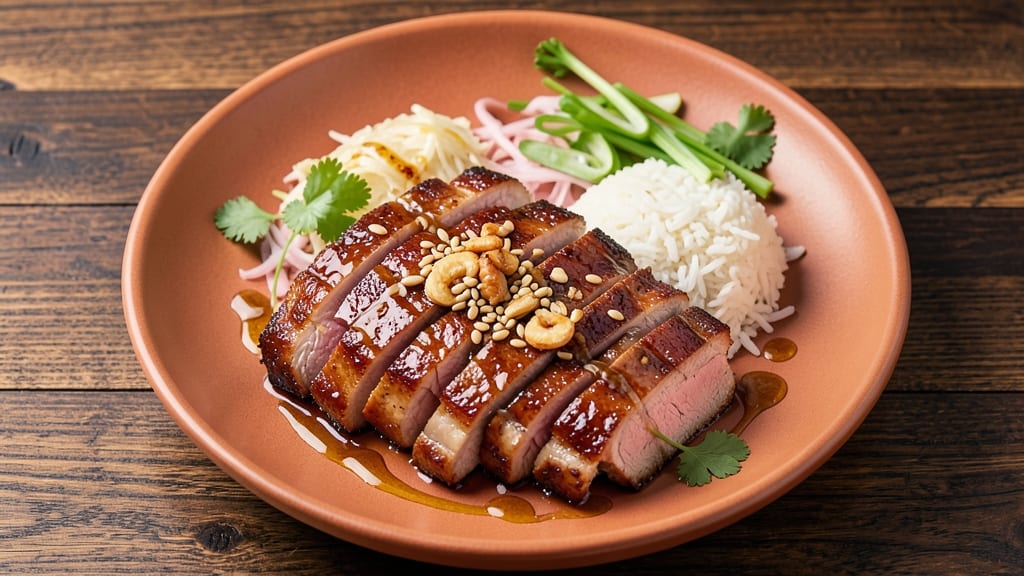
This tender bulgogi pork tenderloin delivers restaurant-quality Korean flavors in just 30 minutes—no slow marinating required. I developed this recipe after years of perfecting Korean techniques for modern kitchens, where time is precious but flavor can't be compromised.
The secret lies in a quick yet potent marinade that transforms lean pork into melt-in-your-mouth perfection with just a few hours of resting time.
The magic happens when you combine traditional Korean ingredients—soy sauce, brown sugar, sesame oil, and garlic—with a high-heat sear that locks in juices while creating a caramelized crust.
Unlike traditional bulgogi that requires hours of marinating, this method uses a concentrated marinade that works instantly, making it ideal for weeknight dinners without sacrificing authenticity. The result is pork that's both sweet and savory, with a tender texture that practically melts on your tongue.
What makes this recipe truly special is how it balances simplicity with professional results. You'll achieve that signature Korean bulgogi flavor profile—umami-rich, slightly sweet, and aromatic—while keeping the process straightforward enough for any home cook.
The tenderloin stays juicy and flavorful throughout, proving that you don't need hours of marinating to create restaurant-quality dishes at home.
Serve this bulgogi pork tenderloin with steamed rice and quick-pickled vegetables for a complete Korean-inspired meal. The recipe scales beautifully for gatherings, and leftovers reheat perfectly, making it a versatile addition to your weeknight rotation. Let's get cooking!
Ingredients for bulgogi pork tenderloin
Sweet, savory, and packed with umami—these ingredients transform simple pork into melt-in-your-mouth bulgogi magic.
| Ingredient | Amount | Notes |
|---|---|---|
| Pork Tenderloin 🥩 | 1 ½ lb | Center-cut, trimmed of fat |
| Korean Soy Sauce (Ganjang) 🥄 | ½ cup | High-quality, not regular soy sauce |
| Brown Sugar 🍯 | ½ cup | Packed, light or dark |
| Sesame Oil 🫒 | 1 ½ tbsp | Toasted, not flavored |
| Garlic Cloves 🧄 | 6 cloves | Fresh, minced |
| Fresh Ginger 🌿 | 1 tbsp | Grated, finely |
| Rice Vinegar 🍶 | 2 tbsp | White or seasoned |
| Sesame Seeds 🌾 | 1 tbsp | Toasted, for garnish |
| Green Onions 🧅 | 3 whole | Thinly sliced, white and green parts |
| Olive Oil 🫒 | 1 tbsp | For high-heat searing |
| Diamond Crystal Kosher Salt 🧂 | 1 tsp | For seasoning |
| Ground Black Pepper 🌶️ | ½ tsp | Freshly ground |
| Asian Pearl Onions 🧅 | 1 cup | Thinly sliced, optional garnish |
The pork tenderloin is your star here—center-cut and lean, it absorbs marinade beautifully without turning mushy. Grab one from the butcher section at Whole Foods or your local market, asking for the most tenderloin you can find. If you're unsure, Costco's pre-trimmed pork tenderloin works perfectly too. The key is to keep it chilled until you're ready to marinate. For extra insurance, let it sit at room temperature for 20 minutes before cooking to ensure even searing. The soy sauce should be Korean-style ganjang—it's sweeter and deeper than regular soy sauce, and you'll find it in the Asian foods aisle at Walmart or any Asian grocery store.
No Korean soy sauce? Substitute with a mix of regular soy sauce and a touch of mirin—about half the amount of soy sauce you'd use normally. Fresh ginger not available? Ground ginger at one-third the amount works, but you'll miss that bright, zesty kick. Sesame oil can be swapped for neutral oil plus a pinch of sesame seeds, though it won't have the same nutty depth. For the onions, if you can't find Asian pearl onions, regular yellow onions work fine—just slice them paper-thin. The green onions add a fresh pop, but if you're out, substitute with chives or regular scallions. Pro tip: Toast your sesame seeds in a dry pan for 30 seconds before using—they'll taste a hundred times better.
Marinate the pork for at least 4 hours (overnight is ideal), but don't let it sit too long or it'll turn mushy. Store the marinade in an airtight container in the fridge. The cooked pork reheats beautifully—just warm it in a skillet with a splash of water for 2-3 minutes until heated through. Garnishes like sesame seeds and green onions keep for 1 week in the fridge if stored in a sealed container. For a quick meal prep hack, marinate two tenderloins at once and freeze one for later—just thaw overnight in the fridge before cooking.
Why You'll Love This Recipe
- One-Pan Magic: I swear by this for nights when I’d rather watch TV than scrub pots. Thinly sliced tenderloin, a quick marinade of ganjang and brown sugar, and a 15-minute sear—no flipping, no fuss. Just crispy edges and caramelized glaze pooling under the heat.
- Garlic-Sugar Crunch: That first bite? The tenderloin’s got this perfect chew, kissed by the sticky-sweet glaze where brown sugar and sesame oil meet. Then—boom—garlic cloves roasted right into the meat, punchy and warm. Honestly, it’s the kind of flavor that makes you pause mid-chew.
- Lunchbox Hero: Between us, this is my secret for stress-free lunches. Cook a big batch on Sunday, slice it thin, and pack it with rice and quick-pickled veggies. My kids (and my husband) fight over whose lunchbox gets the extra piece—no complaints, just empty containers.
- Budget Win: Pork tenderloin’s leaner than ribs, but this marinade stretches it into something restaurant-worthy. A single pound feeds four, and the ganjang and sugar cost pennies compared to fancy sauces. Leftovers? Even better cold in wraps the next day—no reheating needed.
Step-by-step instructions for bulgogi pork tenderloin
Here's how to transform simple ingredients into restaurant-quality bulgogi in just 30 minutes.
Marinate the Pork Tenderloin
In a large bowl, combine the 1.5 lb pork tenderloin, 0.5 cup Korean soy sauce (ganjang), 0.5 cup packed brown sugar, 1.5 tbsp sesame oil, 6 minced garlic cloves, 1 tbsp finely grated fresh ginger, and 2 tbsp rice vinegar. Use your hands to thoroughly coat each piece of pork with the marinade, ensuring it penetrates all sides. The marinade should look glossy and cling to the meat.
Transfer the marinated pork to a resealable plastic bag, pressing out any excess air before sealing. Refrigerate for at least 20 minutes (or up to 4 hours for deeper flavor). This resting time allows the marinade to tenderize the meat and develop its signature sweet-savory profile. I like to give it a gentle shake every 30 minutes if marinating longer than 1 hour to ensure even distribution.
Sear the Pork for Maximum Flavor
Remove the pork from the fridge and let it sit at room temperature for 10 minutes before cooking. Heat 1 tbsp olive oil in a large skillet over medium-high heat until shimmering. Add the pork and sear for 3-4 minutes per side, pressing down gently with a spatula to ensure even contact. You're looking for deep golden brown color and slightly caramelized edges—this builds the foundation for your bulgogi's rich flavor.
Once seared, reduce heat to medium and continue cooking for another 2-3 minutes until the internal temperature reaches 145°F (measured with an instant-read thermometer). The pork should be tender but still slightly firm to the touch. Remove from the pan and set aside on a plate, tenting loosely with foil to keep warm.
Caramelize the Aromatics
In the same skillet (no need to clean it—those browned bits are flavor gold), add 1 cup sliced Asian pearl onions and cook over medium heat for 5-6 minutes, stirring occasionally, until they soften and begin to caramelize. The onions should release their moisture and develop a beautiful golden color—this is where their natural sweetness really shines.
Add the seared pork back to the skillet along with any accumulated juices. Increase heat to medium-high and let everything sizzle together for 1-2 minutes, basting the pork with the onion mixture. This step ensures every bite gets that sweet-savory glaze we worked so hard to create. The pork should now be lightly glazed with caramelized onions and marinade.
Garnish and Serve Immediately
Transfer the bulgogi to a serving platter and drizzle with any remaining pan juices. Sprinkle generously with 1 tbsp toasted sesame seeds and 3 thinly sliced green onions (white and green parts). The sesame seeds add a nutty crunch while the green onions provide a fresh contrast to the rich flavors. Serve immediately over steamed rice or with your favorite Korean side dishes.
Each bite should deliver perfectly tender pork with a glossy, caramelized exterior that balances sweet, savory, and umami notes. The onions add a delightful crunch and subtle sweetness that complements the pork beautifully. This dish is best enjoyed fresh while the pork is still warm and the flavors are at their peak.
Pro Tips For Making Bulgogi Pork Tenderloin
- Slice Thin Before Marination: Pork tenderloin is stubborn—don’t trust it to tenderize overnight. Cut it into ½-inch thick slices before marinating, then let the ganjang and sugar work their magic for at least 4 hours (or overnight if you’re patient). The thinner the slices, the faster the sauce penetrates, and the less risk of dryness when searing.
- Balance Sugar and Acid: Brown sugar caramelizes fast, but ganjang’s saltiness can make the dish taste flat if not balanced. After marinating, taste the sauce—if it’s too sweet, add 1 tsp rice vinegar or a splash of sesame oil. If it’s too salty, a pinch of sugar or a grated pear (yes, really) cuts through it. Trust your tongue, not the recipe.
- Sear in Batches: Crowding the pan turns your bulgogi into a sad, steamed mess. Sear slices in a single layer over medium-high heat for 2-3 minutes per side—don’t walk away. If your pan gets crowded, work in two batches and keep the first ones warm in a 200°F (95°C) oven. Patience here keeps the meat juicy and the crust crisp.
- Toast the Garlic Separately: Raw garlic cloves in the marinade? They’ll just sit there like bitter rocks. Mince them first, then dry-toast in a pan with 1 tsp sesame oil until golden (about 3 minutes). Cool before mixing into the sauce—this adds depth without overpowering. (Pro move: Smash the toasted garlic with a pinch of salt before adding.)
Dietary considerations for this dish
Gluten-Free Adaptations
Traditional bulgogi uses soy sauce, which contains gluten, but you can easily adapt this recipe. Swap the ½ cup Korean soy sauce (ganjang) for ½ cup gluten-free tamari—I recommend San-J Tamari for its rich umami flavor.
The texture and depth remain identical, just without the gluten. For even more authenticity, use coconut aminos instead, though tamari is my top pick for that classic bulgogi taste. 🌱
Low-Carb Options
Skip the rice and serve your bulgogi over cauliflower rice or a bed of shredded cabbage sautéed in sesame oil. The tenderloin's natural sweetness shines without carbs, and the onions add satisfying texture.
For extra crunch, top with crispy fried shallots—just 1 tbsp adds a gourmet touch. I often pair this with a side of kimchi for fermented tang.
Dairy-Free Considerations
This recipe is naturally dairy-free, but always double-check labels on soy sauce and sesame oil for accidental additives. If serving with sides, opt for miso soup (use white miso for mildness) or a simple cucumber salad with rice vinegar and sesame seeds.
The bulgogi's flavors stand strong without dairy interference, making it a great protein for lactose-sensitive diets.
Allergen-Friendly Swaps
For nut allergies, replace sesame oil with avocado oil and skip the sesame seeds. Garnish instead with toasted pumpkin seeds for crunch. Egg allergies? No issue here—the marinade and cooking process are egg-free.
Always verify ingredient labels, especially for store-bought soy sauce or vinegar, which sometimes contain hidden allergens. When in doubt, I stick to fresh, whole ingredients for maximum control. ✨
Protein-Packed Boost
Want extra protein? Add ½ cup sliced shiitake mushrooms to the pan during the final caramelization step. They absorb the marinade beautifully and add a meaty texture. For a complete meal, serve with edamame or a side of steamed broccoli—both pair perfectly with the bulgogi's savory-sweet profile.
This keeps the dish balanced and satisfying while boosting nutritional value.
Nutrition facts
Frequently asked questions
Can I use regular soy sauce instead of Korean ganjang?
Regular soy sauce will work, but the flavor will be less authentic. For best results, mix ½ cup regular soy sauce with 1 tbsp mirin or 1 tsp honey to mimic ganjang's sweetness. The umami depth will be slightly different, but still delicious. If you're short on time, this shortcut saves you a trip to the Asian market.
How do I prevent the pork from drying out?
Never overcook! The pork is done at 145°F internal temperature—use a meat thermometer to avoid guesswork. Let the meat rest 5 minutes after cooking before slicing, and always sear over medium-high heat to lock in juices. The marinade helps tenderize, but proper heat control is key.
What's the best way to reheat leftovers?
Reheat in a skillet with 1 tbsp water or broth over medium-low heat for 2-3 minutes until warmed through. Microwaving can dry out the meat, and oven reheating often overcooks it. Leftovers keep for 3 days in the fridge or 3 months frozen. Always thaw overnight in the fridge.
Can I make this with boneless pork chops instead?
Yes, but adjust cooking times! Pork chops (about 1-inch thick) need 4-5 minutes per side for medium-rare. Use the same marinade ratio, but pound thicker chops to ½-inch for even cooking. The tenderloin's lean nature makes it ideal for quick cooking, but chops work beautifully too.
What sides pair best with bulgogi pork tenderloin?
Classic pairings include steamed jasmine rice, quick-pickled cucumbers, or stir-fried greens. For extra flavor, serve with kimchi (fermented spicy cabbage) or a simple sesame spinach salad. The sweet-savory pork balances perfectly with these sides. For a complete meal, add a miso soup or steamed bok choy.