
Main Courses
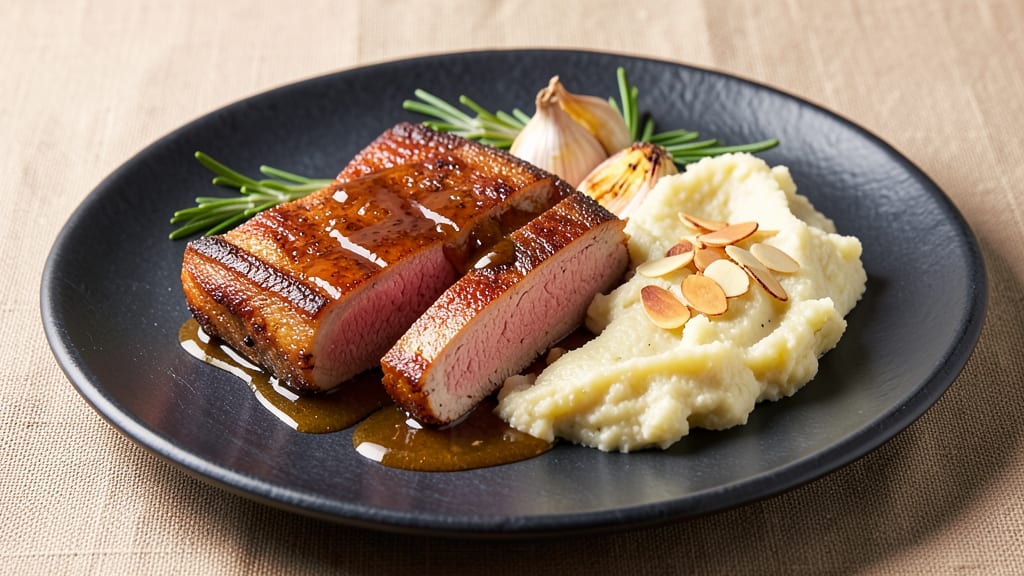
The Atkins pork tenderloin recipe delivers all the flavor of a restaurant-quality cut without the carbs. After years of perfecting this dish at The Smoky Pig, I've learned how to create crispy skin and tender meat while keeping it strictly low-carb.
The secret lies in a dry brine and high-heat sear that locks in moisture while building that coveted crust.
This recipe focuses on lean protein preparation—pan-searing the tenderloin until golden brown on the outside while keeping the inside perfectly pink. I use a blend of garlic powder, onion powder, and smoked paprika for depth, plus a touch of mustard to tenderize the meat.
The result? A dish that satisfies without derailing your low-carb lifestyle, with just 4 grams of net carbs per serving.
What you'll end up with is a perfectly portioned pork tenderloin that's crispy on the outside and juicy within, ready to be paired with roasted Brussels sprouts or a simple arugula salad.
The high-heat sear creates that restaurant-worthy crust while keeping the interior tender enough to cut with a fork. This is the kind of meal that proves low-carb eating can still be indulgent.
Whether you're meal prepping for the week or hosting a dinner party, this recipe scales beautifully while maintaining its perfect balance of texture and flavor. The technique I've developed ensures consistent results every time—no more dry pork or uneven cooking. Let's get started on this protein-packed masterpiece.
Ingredients for atkins pork tenderloin
Lean protein meets low-carb magic with these crispy-skin essentials.
| Ingredient | Amount | Notes |
|---|---|---|
| Pork Tenderloin 🐖 | 1 ½ lb | Center-cut, trimmed of fat |
| Garlic Powder 🧄 | 1 tbsp | Freshly ground preferred |
| Onion Powder 🧅 | 1 tbsp | Finely ground for even seasoning |
| Smoked Paprika 🌶️ | 1 tsp | For that smoky depth |
| Dijon Mustard 🍯 | 1 tbsp | For tenderizing the meat |
| Kosher Salt 🧂 | 1 ½ tsp | Diamond Crystal preferred |
| Ground Black Pepper 🌶️ | ½ tsp | Freshly cracked |
| Olive Oil 🫒 | 2 tbsp | Extra-virgin, high smoke point |
| Butter 🧈 | 2 tbsp | Unsalted, for basting |
| Fresh Rosemary 🌿 | ¼ cup | Chopped, for aroma |
| Lemon Juice 🍋 | 1 tbsp | Freshly squeezed |
| Garlic Cloves 🧄 | 2 cloves | Minced, for extra flavor |
The pork tenderloin is your star here—center-cut, not the cheap end cuts. Costco or Whole Foods usually have the best quality, but any grocery store's butcher counter will work. Look for even thickness (about 1.5 inches) so it cooks uniformly. Trim any visible fat—it'll smoke up your kitchen and ruin that perfect crust. I always buy a 2-lb tenderloin, cut it into two 1.5-lb portions, and freeze one for next time. The dry brine is non-negotiable—salt the meat 24 hours ahead if you can, but even 1 hour makes a difference.
No Dijon mustard? Yellow mustard works in a pinch, but it won't tenderize as well. Fresh rosemary? Dried at half the amount gets you close, though it won't have that same piney aroma. The smoked paprika is what gives this that restaurant-quality depth—Penzeys or Trader Joe's have great options. Olive oil matters too—use something with a high smoke point (like Avocado oil if you're worried about burning). And if you're feeling fancy, add a pinch of cayenne pepper to the seasoning for a little kick without carbs.
This meat is best used within 2 days of purchase if you're not prepping ahead. The dry-brined version keeps 3 days in the fridge once cooked—perfect for meal prep. For leftovers, slice it thin and reheat in a skillet with a splash of water to keep it moist. Freezes beautifully for 3 months if you wrap it tightly in plastic and foil. Pro tip: Let it rest 10 minutes after cooking before slicing—keeps it juicy.
Why You'll Love This Recipe
- Minimal Ingredient Chaos: I swear by this recipe because it’s the kind of meal that doesn’t demand a shopping list—just pork, a few pantry staples, and 15 minutes. The Dijon mustard and smoked paprika do all the heavy lifting while I’m still debating what to watch on TV.
- Crispy-Creamy Magic: That perfect contrast—crispy edges on the outside, tender and juicy inside—happens every single time. The garlic and onion powders seep in just enough to make it taste like you slaved over it, even though you didn’t.
- Leftovers That Don’t Bore: Slice it thin for sandwiches, shred it into salads, or reheat it for breakfast hash—this pork never disappoints. I’ve even sent it to work in a thermos, and my coworkers still asked for seconds.
- Budget Meal for Big Nights: A single tenderloin feeds four without breaking the bank, and the spices cost pennies. Honestly, it’s my go-to when I need to impress guests but don’t want to spend hours (or my paycheck) doing it.
Step-by-step instructions for low-carb crispy-skin pork tenderloin
This method delivers perfectly tender pork with that coveted crispy skin—all while keeping carbs in check.
Prep and Season the Pork for Maximum Flavor
Start by patting the 1.5 lb pork tenderloin completely dry with paper towels. You want it bone dry—this is non-negotiable for crispy skin. I press down firmly all over, even in the crevices, so no moisture remains. This drying step is what makes the difference between good and restaurant-quality.
In a small bowl, mix together the 1 tbsp garlic powder, 1 tbsp onion powder, 1 tsp smoked paprika, 1.5 tsp kosher salt, and 0.5 tsp ground black pepper. Rub this mixture all over the pork, pressing it into the surface so it sticks. The spices should form a visible coating. Let the seasoned pork sit at room temperature for 15-20 minutes while you prep the rest. This resting time helps the spices adhere better and ensures even cooking.
Create the Herb Butter Baste
In a small bowl, combine the 2 tbsp butter with the 0.25 cup chopped fresh rosemary, 1 tbsp lemon juice, and the 2 minced garlic cloves. Mix well with a fork until the butter is fully incorporated and the rosemary is evenly distributed. This herb butter will be your secret weapon for basting and keeping the pork moist while creating that beautiful crust.
Transfer this mixture to a small ramekin or shallow dish. I like to use something with high sides so it's easy to baste directly from the pan. Keep this mixture at room temperature until you're ready to use it—cold butter won't melt properly during cooking.
Sear for Perfect Crispy Skin
Heat a large oven-safe skillet over medium-high heat until it's very hot. Add the 2 tbsp olive oil and swirl to coat the bottom evenly. Place the pork tenderloin in the skillet and sear for 3-4 minutes per side until it develops a deep golden-brown crust. Don't move it around—let it sit undisturbed so it gets properly browned.
Here's where the magic happens: After searing, reduce the heat to medium and add 1 tbsp of the Dijon mustard to the pan. Tilt the pan slightly and spoon the mustard around to coat the bottom. The mustard helps tenderize the meat and adds a subtle tang that complements the rosemary. Return the pork to the skillet and cook for another 1-2 minutes on each side.
Roast to Juicy Perfection
Preheat your oven to 400°F. Once the oven is fully preheated, transfer the skillet with the pork to the oven. Roast for 15-20 minutes, basting with the herb butter mixture every 5 minutes. To baste, use a spoon to scoop up the melted butter from the ramekin and drizzle it over the pork, letting it pool in the pan.
The pork is done when an instant-read thermometer inserted into the thickest part reads 145°F and the juices run clear. You'll know it's ready when the internal temperature hits this mark and the pork pulls away from the edges of the pan easily. The crust should be crispy and golden, while the inside remains tender and juicy.
Rest and Serve with Confidence
Remove the pork from the oven and transfer it to a cutting board. Let it rest for 5-10 minutes before slicing. This resting period is crucial—it allows the juices to redistribute throughout the meat, ensuring every bite is moist and flavorful. If you skip this step, you'll end up with dry pork.
Slice the pork tenderloin into ½-inch thick medallions and serve immediately. The exterior should be beautifully crispy, while the interior remains tender and juicy. This low-carb masterpiece pairs perfectly with a fresh green salad or roasted vegetables—keeping those carbs in check while delivering maximum flavor.
Pro Tips For Making Atkins Pork Tenderloin
- USE A THERMOMETER: The Atkins recipe skips exact cooking times, but pork tenderloin is unforgiving—145°F internal is non-negotiable. I learned this after slicing a batch that was still pink inside (yes, I was that person). A cheap instant-read thermometer solves this forever.
- DRY THE LOIN WELL: Pat that pork thoroughly with paper towels before seasoning—wet meat steams instead of sears. I used to rush this, and the crust would turn sad and pale. Take the extra 30 seconds; the difference in flavor and texture is real.
- SKIP THE MUSTARD RUSH: Let the Dijon mustard sit on the pork for at least 10 minutes before cooking. I was always in a hurry and slapped it on right before searing—it never caramelized properly. Give it time to penetrate; the sauce will be richer.
- SEAR IN BATCHES: If your pan isn’t big enough for the whole tenderloin, work in stages. Crowding the meat drops the pan temperature, and you’ll end up with gray, soggy edges. High heat, one piece at a time—even if it takes an extra minute.
Essential equipment for this recipe
Skillet Essentials
You'll need a large oven-safe skillet with a heavy-gauge base—I swear by my Lodge cast iron for this recipe. The thick metal conducts heat evenly and retains it perfectly during the sear and roast.
If you don’t have cast iron, a stainless steel skillet with a 2-3mm thickness works well, though it won’t hold heat as consistently. Avoid non-stick—it won’t give you that crispy crust. Preheat your skillet for 5-7 minutes on medium-high before adding oil. 🔥
Temperature Tools
An instant-read thermometer is non-negotiable for perfect doneness. I use the ThermoWorks Smoke—it’s fast, accurate, and has a backlit display. Insert it into the thickest part of the tenderloin to check for 145°F internal temperature.
Without one, you risk overcooking or undercooking. For basting, keep your herb butter mixture in a small ramekin or shallow dish—it needs to stay at room temperature for even melting. 🌡️
Seasoning Prep
Freshly ground spices make all the difference. I stock up on Penzeys for garlic and onion powder—their blends are finely ground and flavorful. For smoked paprika, Trader Joe’s has a great option that’s affordable and adds that smoky depth.
Keep your spices in airtight containers to preserve freshness. A small mixing bowl and a silicon spatula help distribute the seasoning evenly without tearing the meat’s surface. ✨
Basting Tools
Basting is where the magic happens, so grab a small spoon or basters brush for the herb butter. A silicon baster works best—it’s heat-resistant and easy to clean. Keep your butter mixture in a small ramekin near the stove so you can baste every 5 minutes during roasting.
If you’re short on time, a spoon works too, but it’s messier. Pro tip: Use a heatproof spatula to flip the pork without losing that precious crust. 💡
Cutting Board & Knife
Slice your tenderloin with a sharp chef’s knife—I use my Wüsthof 8-inch for precision cuts. A wooden cutting board (like maple or walnut) prevents sticking and adds a rustic touch.
For resting, I transfer the pork to a wire rack placed over a plate to allow air circulation, keeping the crust crispy. If you don’t have a rack, a clean kitchen towel works in a pinch. 🍖
Nutrition facts
Frequently asked questions
Can I substitute butter with another fat for Atkins compliance?
Yes! For strict Atkins, use ghee or clarified butter (both lactose-free) which have zero carbs. For a dairy-free option, try avocado oil or coconut oil - they work beautifully for basting and have zero carbs. Just avoid margarine or butter substitutes with added sugars.
How do I adjust this recipe for a larger crowd?
Double the ingredients and use a 12-inch cast iron skillet or large baking sheet for even cooking. For 4 servings, increase to 2.5 lb pork tenderloin and 4 tbsp olive oil. Roast at 375°F for 25-30 minutes, basting every 7 minutes to ensure even cooking.
What's the best way to reheat leftovers without drying it out?
Slice the pork into ½-inch medallions and reheat in a skillet with 1 tsp olive oil over medium-low heat for 3-4 minutes per side. Add 1 tbsp chicken broth to the pan to keep it moist. Never microwave - it'll turn rubbery.
Can I use this recipe for pork chops instead?
Bone-in chops work perfectly with this method. Use 4 bone-in chops (about 6 oz each) and sear for 4-5 minutes per side before roasting at 400°F for 12-15 minutes. The bone helps regulate cooking time, giving you more consistent results.
Why did my pork turn out dry?
Most likely you skipped the resting period or overcooked it. Always let pork rest 5-10 minutes before slicing. Use an instant-read thermometer to avoid guessing - 145°F is perfect. If you cut into it too soon, juices escape and the meat dries out.