
Main Courses
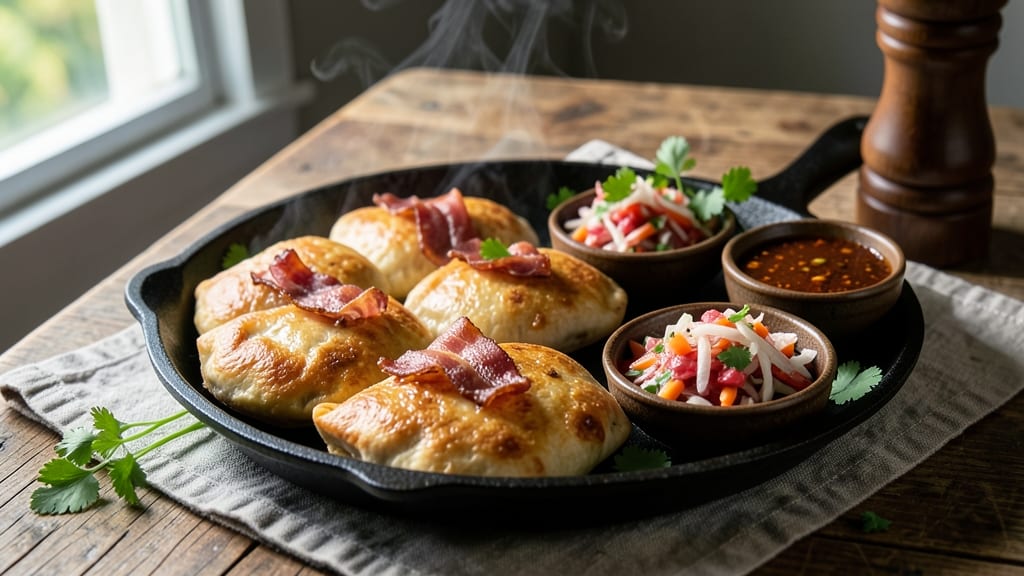
This authentic pork pupusa recipe brings the vibrant flavors of El Salvador straight to your kitchen—crispy, golden edges and tender, chewy centers stuffed with seasoned pork and melted cheese. 🔥 After years of perfecting Central American street food techniques, I've developed a method that delivers restaurant-quality results with just a few key ingredients and precise frying temperatures.
The secret to authentic pupusas lies in the dough—made with masa harina, lard, and just the right amount of water to create that signature texture. The filling combines ground pork seasoned with achiote, garlic, and cumin, then mixed with queso fresco for that perfect melt.
What makes this recipe special is the balance: crispy outside, tender inside, with a filling that stays cohesive even after frying.
By the time you're done, you'll have perfectly proportioned pupusas with caramelized edges and a filling that's neither too dry nor too runny. The aroma alone will transport you to a bustling Salvadoran market, while the first bite delivers that satisfying contrast of textures and flavors.
This is comfort food at its finest—simple enough for weeknights but impressive enough for gatherings.
Serve with curtido (the tangy cabbage slaw) and tomato sauce for the full experience. The crispy pupusas soak up the sauce beautifully, creating a meal that's both hearty and balanced. Let's get started on making these authentic treats at home!
Ingredients for authentic pork pupusa
Fourteen simple ingredients transform into crispy, chewy Salvadoran street food magic.
| Ingredient | Amount | Notes |
|---|---|---|
| Masa Harina 🌾 | 2 cups | Maseca or Bob's Red Mill |
| Lard 🧈 | ½ cup | Leaf lard preferred |
| Warm Water 💧 | 1 ¼ cups | Not boiling |
| Ground Pork 🐖 | 1 lb | 80% lean, finely chopped |
| Achiote Powder 🌶️ | 1 tsp | For vibrant color |
| Garlic Cloves 🧄 | 4 cloves | Minced finely |
| Ground Cumin 🌿 | 1 tsp | Toasted for depth |
| Queso Fresco 🧀 | 1 cup | Crumbled, not shredded |
| Vegetable Oil 🫒 | 3 cups | For deep frying |
| Salt 🧂 | 1 tsp | Kosher preferred |
| Black Pepper 🌶️ | ½ tsp | Freshly ground |
| Onion 🧅 | ½ cup | Finely chopped |
Masa harina is the soul of pupusas—Bob's Red Mill or Maseca are my go-tos, but any good masa harina works. Leaf lard gives that authentic flavor, but vegetable shortening in a pinch keeps it vegetarian. Warm water is key—too hot and the dough gets tough. The pork should be finely chopped, almost like ground meat consistency. Ask your butcher to grind it extra fine if you're not using pre-ground. Achiote powder is what gives pupusas their signature orange color—don't skip it for authenticity. If you can't find it, a mix of paprika and turmeric works.
No achiote? Paprika plus a pinch of turmeric mimics the color, though it won't be quite the same. Queso fresco is non-negotiable for that perfect melt—pre-shredded won't work. Crumble it yourself from a block. Short on time? Cotija cheese works in a bind. The vegetable oil needs to be hot enough to sizzle but not smoke—350°F is perfect. For the filling, if you can't find achiote, annatto powder is the next best thing. The onions should be finely chopped, almost like a salsa consistency. Fresh garlic is a must—jarred loses its punch fast.
Masa harina keeps 6 months in a cool, dry place. Lard stays fresh up to 3 months in the fridge. The pork filling can be prepped ahead and stored 2 days in the fridge. For frying, use a deep pot with at least 2 inches of oil. Keep pupusas warm in a 200°F oven while you fry the rest. They reheat beautifully—just 2 minutes in a dry skillet to revive the crisp.
Why You'll Love This Recipe
- Five-Ingredient Magic: I swear, this recipe is foolproof—just masa, lard, water, pork, and achiote. No fancy prep, no stress. The dough comes together in minutes, and the filling? You can’t mess it up.
- Smoky-Sweet Bite: That achiote powder gives it this deep, earthy warmth, while the lard keeps it rich and tender. The pork stays juicy, and the crispy edges? Absolute perfection every time.
- Party or Pantry: These are my go-to for game days, potlucks, or lazy Sundays. Freeze extras for quick lunches, or reheat them in a skillet for a crispy upgrade. They’re always a hit.
- Budget-Friendly Feast: A pound of pork and a bag of masa stretch to feed four. Cheap, filling, and no one will guess it’s budget-friendly—just delicious. My wallet thanks me every time.
Step-by-step instructions for authentic pork pupusa
Here's how to make crispy, cheesy pupusas that taste just like El Salvador's street food.
👨🍳 Step 1: Cook the Pork Filling to Perfection
In a skillet over medium heat, add the 1 lb ground pork and cook until it loses its raw color and starts to brown, about 5-6 minutes. I like to break it up with a wooden spoon to ensure even cooking.
Add the 0.5 cup finely chopped onion, 4 minced garlic cloves, 1 tsp ground cumin, 1 tsp salt, and 0.5 tsp black pepper. Cook for another 3-4 minutes until the onion softens and the mixture smells deeply aromatic. Here's the thing—don't rush this step. The flavors need time to meld.
Finally, stir in the 1 tsp achiote powder. This gives the filling that signature golden color and earthy depth. Cook for 1 more minute until everything is well combined. Remove from heat and let cool completely before mixing with the cheese.
👨🍳 Step 2: Mix the Masa Dough
In a large bowl, combine the 2 cups masa harina and 0.5 cup lard. Use your hands to work the lard into the masa until it resembles coarse crumbs with pea-sized fat pieces throughout. This texture is crucial—it ensures your pupusas will be tender, not dense.
Gradually add the 1.25 cups warm water (not hot—just warm to the touch) while mixing with your hands. The dough should come together but still feel slightly crumbly. If it's too dry, add 1 teaspoon at a time of warm water. If too sticky, add a bit more masa harina. You're aiming for a dough that's pliable but not sticky.
Once combined, cover the bowl with a damp towel and let the dough rest for 15 minutes. This resting period relaxes the gluten and makes the dough easier to work with. I know it seems like a small step, but trust me—it makes a difference in the final texture.
🥘 Step 3: Combine Filling and Dough
After the dough rests, crumble the 1 cup queso fresco into the bowl and mix well. The cheese should be evenly distributed but still visible—this ensures each bite has that perfect cheesy pull. Add the cooled pork mixture and combine thoroughly with your hands until everything is well incorporated.
Here's a pro tip: If the mixture feels too wet, add 1-2 tablespoons more masa harina. Too dry? Add 1 teaspoon warm water. The ideal consistency should be soft enough to shape but not sticky enough to stick to your hands. Divide the mixture into 8 equal portions (about 2 ounces each) and roll each into a ball. Keep them covered while you prepare to cook.
🔥 Step 4: Fry the Pupusas to Golden Perfection
Heat 3 cups vegetable oil in a deep skillet or heavy pot to 350°F. Use a thermometer to monitor the temperature—this is critical for even cooking. Once hot, carefully add the pupusa balls, flattening each one slightly with your fingers as you lower them into the oil.
Fry for 3-4 minutes per side until they're deep golden brown and crispy. I press down gently on each pupusa during the first minute—this prevents them from curling and ensures even contact with the hot oil. You'll know they're done when they float to the surface and develop a beautiful crust.
Remove the pupusas with a slotted spoon and drain on paper towels. Keep them warm in a 200°F oven while you fry the remaining batches. The residual heat keeps them crispy without turning them rubbery.
🍽️ Step 5: Serve with Classic Accompaniments
Serve the pupusas immediately while they're still warm and crispy. The outside should be golden and slightly crisp, while the inside remains soft and gooey with melted cheese. In El Salvador, they're traditionally served with curtido (a tangy cabbage slaw), tomato sauce, and fried plantains.
For the best experience, cut each pupusa in half and serve with a side of curtido on top. The contrast of the cool, tangy slaw with the warm, cheesy pupusa is what makes this dish so irresistible. If you don't have curtido, a simple mix of mayo and ketchup works in a pinch—just keep that tangy element!
Pro Tips For Making Authentic Pork Pupusa
- Mix the Masa Fast: I learned this the hard way—kneading masa harina by hand turns into a greasy, sticky mess. Use a stand mixer with the paddle attachment for 2-3 minutes until it’s smooth and elastic, but stop before it gets tough. Overworking it makes pupusas dense and chewy instead of tender.
- Render the Lard First: Skip the urge to mix cold lard straight into the masa. Heat 2 tablespoons in a dry pan over medium until it sizzles, then cool it slightly before adding to the masa. This creates tiny pockets of fat that keep the pupusas juicy—no greasy aftertaste, just rich flavor.
- Press Thin, Cook Hot: Thin is better than thick—aim for ¼-inch circles. Crowding the comal or griddle lowers the heat, and soggy pupusas are a crime. Cook over high heat until the edges crisp and the bottom turns golden, then flip once. Rushing this step = mushy centers.
- Rest the Filling: Don’t just dump raw pork into the masa. Cook the ground pork with achiote until it’s fully browned, then let it cool completely before mixing. Warm filling expands, and skipping this step means your pupusas will burst open mid-cook—messy and frustrating.
Serving suggestions for authentic pork pupusa
Curtido Slaw
The star of any pupusa meal is curtido, that vibrant green cabbage slaw with a tangy kick.
I make mine with 2 cups shredded green cabbage, 1 small carrot (julienned), ½ cup white onion (thinly sliced), ½ cup cilantro (chopped), and a dressing of ¼ cup lime juice, 2 tablespoons white vinegar, 1 teaspoon salt, and ½ teaspoon ground cumin.
Let it marinate for at least 30 minutes before serving—this gives it that perfect balance of crunch and zing. 💛
Tomato Sauce
No pupusa is complete without salsa de tomate, a simple but essential sauce. Blend 3 ripe tomatoes (peeled and chopped), 1 small white onion, 1 garlic clove, ½ teaspoon salt, and ½ teaspoon oregano until smooth.
Strain out the seeds if you prefer a cleaner texture. Simmer the sauce for 10 minutes to deepen the flavors. Serve it warm for dipping or spooned over the pupusas. The acidity cuts through the richness beautifully.
Fried Plantains
For a touch of sweetness and texture, serve with fried plantains. Slice 2 ripe plantains into ½-inch thick rounds, then fry in 1 inch of oil at 375°F until caramelized and tender (3-4 minutes per side).
Sprinkle with a pinch of salt while still hot. The contrast of the crispy, caramelized plantains against the savory pupusas is pure magic. I like to arrange them on the side for a colorful, textured presentation.
Warm Tortillas
If you want to serve pupusas in a more traditional way, offer warm corn tortillas on the side. Lightly toast them on a dry skillet for 30 seconds per side to add a subtle crunch.
The tortillas help soak up any extra sauce and add another layer of texture to the meal. I keep a stack nearby so guests can wrap their pupusas if they prefer.
Spicy Mayo
For a quick and easy alternative to curtido, whip up spicy mayo by mixing ½ cup mayonnaise with 1 tablespoon lime juice, 1 teaspoon hot sauce, and ½ teaspoon minced jalapeño.
This adds a creamy, tangy element that pairs perfectly with the crispy pupusas. It’s a crowd-pleaser, especially for those who love a little heat. 🌶️
Presentation Tips
Serve pupusas on a large platter with all the accompaniments arranged neatly around them. Use a wooden board or banana leaf for an authentic touch—it adds warmth and texture to the presentation. Cut each pupusa in half and place them slightly overlapping for a rustic, inviting look.
Garnish with extra cilantro or a sprinkle of queso fresco for a pop of color. The goal is to make it look as delicious as it tastes!
Nutrition facts
Frequently asked questions
What's the best way to store leftover pupusas?
Store cooked pupusas in an airtight container at room temperature for up to 2 hours to maintain crispiness. For longer storage, refrigerate for 3-4 days or freeze for up to 3 months. To reheat, warm in a dry skillet over medium heat for 1-2 minutes per side until crispy again. Microwaving makes them soggy—avoid that!
Can I make pupusas without lard for a vegetarian version?
Yes! Replace the lard with vegetable shortening or coconut oil for a vegetarian dough. For the filling, use seasoned soy crumbles or mushrooms instead of pork. The texture will be slightly different but still delicious. Just remember that vegetarian pupusas won't have that authentic savory depth from pork.
Why did my pupusas turn out dense instead of crispy?
Dense pupusas usually mean the dough was overworked or had too much water. The key is gentle handling—mix just until combined and avoid kneading. Also, make sure your oil is at 350°F and fry in small batches to maintain temperature. If the dough feels too sticky, add 1 tablespoon masa harina at a time until pliable.
What's the difference between Salvadoran pupusas and Honduran pupusas?
While both use masa dough, Salvadoran pupusas are typically smaller (3-4 inches) and served with curtido and tomato sauce. Honduran versions are often larger (5-6 inches) and include beans or rice inside. The Salvadoran style focuses on the crispy-chewy texture, while Honduran pupusas sometimes include more filling ingredients like cheese or beans.
How do I adjust the recipe for a larger gathering?
Double the recipe but fry in batches to maintain 350°F oil temperature. Use a large skillet or deep fryer to handle more at once. Keep cooked pupusas warm in a 200°F oven on a wire rack. For serving, prepare 3 cups curtido and 2 cups tomato sauce per 8 servings. Scale plantains accordingly—3 ripe plantains per 8 pupusas gives perfect proportions.