
Main Courses
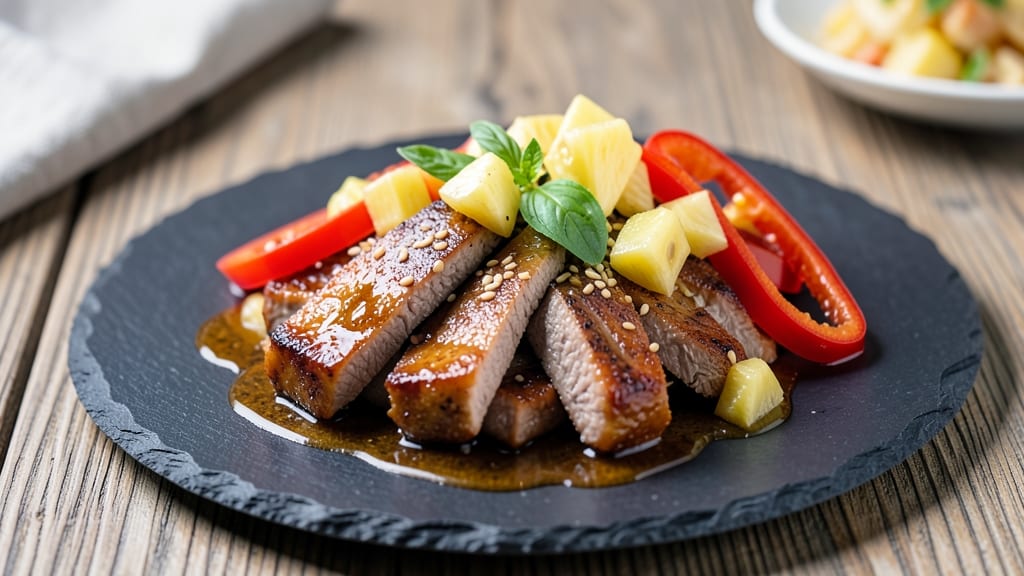
This pork pineapple peppers recipe delivers a perfect balance of sweet, spicy, and savory in just 20 minutes—a game-changer for weeknight dinners. The secret lies in marinated pork strips that stay tender while absorbing bold flavors, paired with caramelized pineapple and crisp peppers.
I developed this while testing quick stir-fry techniques that still deliver restaurant-quality depth.
The magic happens in the marinade—a blend of soy sauce, brown sugar, and chili paste that creates a sticky, aromatic crust on the pork. Pineapple adds natural sweetness while peppers bring heat and texture contrast.
This recipe works equally well on the stovetop, grill, or even in an air fryer for crispy edges. The best part? It’s foolproof for beginners but impressive enough for guests.
By the time you’re done, you’ll have golden-brown pork with a glossy glaze, tender pineapple chunks, and slightly charred peppers—all coming together in a dish that’s vibrant, flavorful, and ready in under half an hour.
Serve over jasmine rice or with a side salad for a complete meal that’s packed with bold flavors.
Whether you’re feeding a crowd or treating yourself to a quick weeknight dinner, this stir-fry delivers big on taste without the fuss. Let’s get cooking!
Ingredients for pork pineapple peppers
Sweet, spicy, and savory—just eight ingredients transform into restaurant-quality stir-fry magic.
| Ingredient | Amount | Notes |
|---|---|---|
| Boneless Pork Loin 🥩 | 1 ¼ lb | Cut into 1-inch strips |
| Fresh Pineapple Chunks 🍍 | 1 ½ cups | Firm, ripe pineapple, diced |
| Bell Peppers 🌶️ | 2 whole | Red/yellow, sliced into strips |
| Soy Sauce 🥄 | ½ cup | Low-sodium preferred |
| Brown Sugar 🍚 | ¼ cup | Packed, light brown |
| Red Chili Paste 🌶️ | 2 tbsp | Or 1 tbsp sriracha |
| Garlic Cloves 🧄 | 4 cloves | Minced, fresh preferred |
| Ginger Root 🌿 | 1 tbsp | Fresh, grated |
| Sesame Oil 🫒 | 1 tbsp | For aroma, not cooking |
| Vegetable Oil 🫒 | 2 tbsp | High smoke point |
| Green Onions 🧅 | 3 whole | Sliced, white and green parts |
| Lime Juice 🍋 | 1 tbsp | Freshly squeezed |
| Salt 🧂 | ½ tsp | Diamond Crystal preferred |
| Black Pepper 🌶️ | ¼ tsp | Freshly ground |
The pork strips are the star, so look for boneless loin—it stays tender and absorbs marinade beautifully. Costco or butcher counters often have pre-sliced pork strips, but if buying whole, cut against the grain for maximum tenderness. Fresh pineapple is non-negotiable here—canned or frozen won't caramelize right. For peppers, red or yellow bell peppers add natural sweetness, but any color works. The soy sauce? Kikkoman or La Choy low-sodium are my go-tos—they're consistent and widely available. If you can't find red chili paste, sriracha at half the amount works in a pinch, though it's less balanced in flavor.
No fresh ginger? Powdered works at half the amount, but fresh has that zing you can't replicate. The sesame oil is for aroma only—don't cook with it, just add it at the end for that nutty depth. Trader Joe's has great pre-minced garlic and ginger if you're short on time. For extra heat, add a dash of cayenne pepper to the marinade. The lime juice should be freshly squeezed—bottled lime juice lacks the bright acidity. If you're using pre-cut pineapple, pat it dry first—excess moisture makes it steam instead of caramelize. The green onions? Save the tops for garnish—they add freshness that balances the dish's richness.
Marinated pork keeps 2 days in the fridge—make extra for quick lunches. Pre-cut pineapple stays fresh for 3 days if sealed tightly. For make-ahead prep, marinate the pork overnight, then store separately from the pineapple and peppers. This stir-fry reheats beautifully—microwave 30 seconds with a splash of water to revive the crispness. Leftovers freeze for 2 months—portion into single servings for easy grab-and-go meals. The flavors actually improve the next day as everything melds together.
Why You'll Love This Recipe
- Sweet Heat in Minutes: I swear, this comes together faster than takeout. Slice the pork, toss in pre-cut peppers and pineapple—no fancy knife work—then let the soy and brown sugar do the magic while you sip your coffee.
- Craving-Worthy Balance: That sticky-sweet glaze from the soy and brown sugar? It’s chef’s kiss with the bright pineapple and pepper crunch. My husband licks the plate and calls it "the good stuff."
- Lunchbox Hero: Here’s what sold me—pack it for work or school. The flavors stay bold in leftovers, and it’s hearty enough to satisfy without feeling heavy. (Yes, even on a Tuesday night.)
- Budget-Friendly Feast: Pork loin stretches far, and bell peppers last forever. Swap fresh pineapple for canned in a pinch, and you’ve got a weeknight win that won’t break the bank. My wallet thanks me.
Step-by-step instructions for pork pineapple peppers stir-fry
This sweet-spicy stir-fry comes together faster than you can say "sesame oil."
Prep All Ingredients for Maximum Efficiency
Start by cutting the 1.25 lb boneless pork loin into 1-inch strips—this ensures even cooking. Pat them dry with paper towels to help them sear properly. While the pork rests, slice the 2 whole bell peppers into ¼-inch strips and dice the 1.5 cups fresh pineapple chunks into ½-inch pieces. Mince the 4 cloves garlic and grate the 1 tbsp ginger root using a microplane for maximum flavor.
Slice the 3 whole green onions into 1-inch pieces, separating the white and green parts if you prefer texture contrast. Measure out the 0.5 cup soy sauce, 0.25 cup brown sugar, 2 tbsp red chili paste, and 1 tbsp lime juice into a small bowl. This prep work might seem tedious, but it ensures everything cooks evenly and the sauce blends perfectly.
Sear the Pork Until Golden and Tender
Heat 2 tbsp vegetable oil in a large skillet or wok over medium-high heat until shimmering. Add the pork strips in a single layer and let them sear undisturbed for 2 minutes—this creates a flavorful crust. Stir occasionally until the pork is golden brown and cooked through (about 5-6 minutes total). Remove the pork and set it aside on a plate.
If the pork releases easily from the pan, it's ready. If it sticks, let it cook a bit longer—undercooked pork will turn mushy when it absorbs the sauce. Here's the thing—don't overcrowd the pan, or the pork will steam instead of sear. If needed, work in batches to maintain high heat.
Stir-Fry the Vegetables Until Tender-Crisp
In the same skillet (no need to wipe it clean—those browned bits add depth), add a bit more vegetable oil if needed. Toss in the bell pepper strips and pineapple chunks, cooking for 3-4 minutes until the peppers soften slightly but still retain a bite. Add the minced garlic and grated ginger, stirring for 30 seconds until fragrant—this releases their aromatic oils.
Pour in the soy sauce, brown sugar, red chili paste, and lime juice, stirring to combine. Let the sauce simmer for 1-2 minutes until it thickens slightly and coats the back of a spoon. The mixture should smell sweet, spicy, and tangy—this is where the magic happens. If the sauce looks too thick, add 1-2 tablespoons of water to loosen it.
Combine Everything and Finish with Sesame Oil
Return the seared pork to the skillet and toss everything together for 2-3 minutes until the pork is fully coated in the sauce and heated through. The pork should be tender and juicy, with the sauce clinging to every bite. Sprinkle in the 0.5 tsp salt and 0.25 tsp black pepper, then drizzle with 1 tbsp sesame oil for that nutty aroma.
Taste and adjust seasoning—add more brown sugar for sweetness, red chili paste for heat, or lime juice for brightness. The sauce should balance sweet, spicy, and tangy flavors with a hint of umami from the soy sauce. If the pineapple is too tart, a pinch more brown sugar helps round out the flavors.
Garnish and Serve Immediately
Transfer the stir-fry to a serving platter and garnish with the sliced green onions, scattering them evenly over the top. Serve immediately over steamed jasmine rice or noodles to soak up every last bit of that sticky, flavorful sauce. The dish should be vibrant—bright red peppers, golden pork, and glossy pineapple chunks.
This stir-fry is best enjoyed fresh, so don't let it sit. The pork stays tender and the vegetables retain their crisp texture. If you're serving a crowd, keep the rice warm in a slow cooker and assemble the stir-fry just before serving. Trust me, the aroma alone will have everyone at the table.
Pro Tips For Making Pork Pineapple Peppers
- Slice Pork Thinly: I learned this the hard way—thick slices of pork loin stay chewy no matter how long you cook them. Aim for ¼-inch thickness, cut against the grain, and pat them dry before searing. That’s the thing that matters most for tender results.
- Char Peppers First: Skip the crowding—toss bell peppers into a screaming-hot pan for 3-4 minutes before adding anything else. The blackened edges add depth, and it keeps them from turning mushy later. (Yes, even if you’re impatient like me.)
- Use Canned Pineapple: Fresh pineapple releases too much juice and dilutes the sauce. Drain canned chunks well, pat them dry, and save yourself from a soggy stir-fry. My grandmother swore by this, and she was right: the texture stays perfect.
- Balance Sugar Early: Brown sugar burns faster than you think. Add half of it with the soy sauce at the start, then sprinkle the rest in the last 2 minutes. This guarantees a glossy, caramelized finish without bitter bits. (Your future self will thank you.)
Wine and beer pairings for this recipe
Bold White Wine
For this sweet-spicy stir-fry, I reach for a crisp Sauvignon Blanc from New Zealand—think Cloudy Bay or Oyster Bay. The bright acidity and citrus notes cut through the dish's richness while complementing the pineapple's natural sweetness.
The slight herbal undertones in Sauvignon Blanc also harmonize beautifully with the ginger and garlic in the marinade. 🍷
If you prefer something with a bit more body, try a dry Riesling from Germany or Alsace. The mineral notes and subtle fruitiness provide an elegant contrast without overpowering the dish's bold flavors.
I've found that Dr. Loosen Blue Slate or Domaine Zind-Humbrecht Gewurztraminer (yes, it's a white!) work surprisingly well with the spicy-sweet profile.
Light Beer Pairings
A pilsner is my go-to beer pairing for this dish—something crisp and clean like Pilsner Urquell or Heineken. The light maltiness balances the sweetness while the carbonation cleanses your palate between bites.
For a local favorite, I often recommend Budweiser or Miller Lite—yes, they're mainstream, but they do the job perfectly for a casual meal. 🍺
If you're feeling adventurous, try a Belgian witbier like Hoegaarden or Stella Artois. The coriander and citrus notes in these beers mirror the lime and ginger in the stir-fry, creating a delightful flavor connection. The slight tartness also enhances the pineapple's sweetness without competing with the dish's spicy elements.
Red Wine Surprise
Here's a little secret: a light Pinot Noir from Oregon or California can actually work beautifully with this dish. The La Crema or Meiomi options have enough fruitiness to complement the pineapple while their earthy undertones balance the spicy peppers.
The low tannins ensure it won't overpower the delicate flavors. 🍇
For something more unexpected, try a Gamay from Beaujolais—specifically a Fleurie or Morgon. The bright red fruit notes and peppery finish create a perfect bridge between the dish's sweet and spicy elements. I've had incredible results with Domaine Duboeuf or Château de Pizay wines in this role.
Non-Alcoholic Options
Don't overlook sparkling water with a citrus twist as a refreshing alternative. Mix top-shelf sparkling water with ½ oz fresh lime juice and a pinch of Tajín for a drink that mirrors the dish's zesty profile. The bubbles help cleanse your palate between bites, just like beer would. 💦
For something more substantial, try ginger beer—specifically Feather Ginger Beer or BrewDog Ginger Beer. The ginger's warmth complements the dish's aromatic base while the slight sweetness balances the heat. It's become my go-to non-alcoholic pairing for spicy-sweet dishes like this one.
Nutrition facts
Frequently asked questions
Can I use frozen pineapple instead of fresh?
Fresh pineapple is ideal for this recipe because it caramelizes beautifully and maintains texture. However, if you must use frozen pineapple, thaw it completely first and pat it very dry with paper towels to prevent excess moisture from steaming the dish instead of caramelizing. For best results, use 1 cup thawed frozen pineapple instead of 1.5 cups fresh—frozen pieces tend to shrink slightly when cooked.
What if I don't have red chili paste? Can I substitute?
For a quick substitute, use 1 tbsp sriracha plus 1 tsp brown sugar to mimic the sweet-spicy balance. If you prefer less heat, try ½ tsp cayenne pepper plus 1 tsp honey. For a more complex flavor, mix 1 tbsp gochujang (Korean chili paste) with ½ tsp sugar—it adds depth and umami that regular chili paste can't match.
How do I make this recipe spicier without overpowering the sweetness?
Add heat gradually! Start with 1 extra tbsp red chili paste and taste after combining everything. For more depth without overpowering, add ½ tsp ground Sichuan peppercorns (they add numbing heat) or 1 tsp finely chopped Thai bird's eye chili. Balance the heat with an extra ½ tsp brown sugar or ½ tbsp lime juice—this keeps the sweet-spicy harmony intact while adding complexity.
Can I prepare this dish ahead of time?
Yes, but with some adjustments. Marinate the pork up to 2 days ahead and store it in the fridge. Prep the pineapple and peppers separately (they'll release moisture) and store them in airtight containers. When ready to cook, sear the pork fresh, then stir-fry the vegetables and sauce as directed. For leftovers, refrigerate for up to 3 days—reheat gently in a skillet with a splash of water to restore moisture and crispness.
What's the best way to serve this dish for a crowd?
Double the recipe and use a large wok or cast-iron skillet for even cooking. Keep the rice warm in a slow cooker set to warm and assemble the stir-fry just before serving. For presentation, transfer the dish to a platter and garnish with extra green onions and sesame seeds. Serve with small bowls of additional sauce on the side so guests can adjust to their preference.