
Main Courses
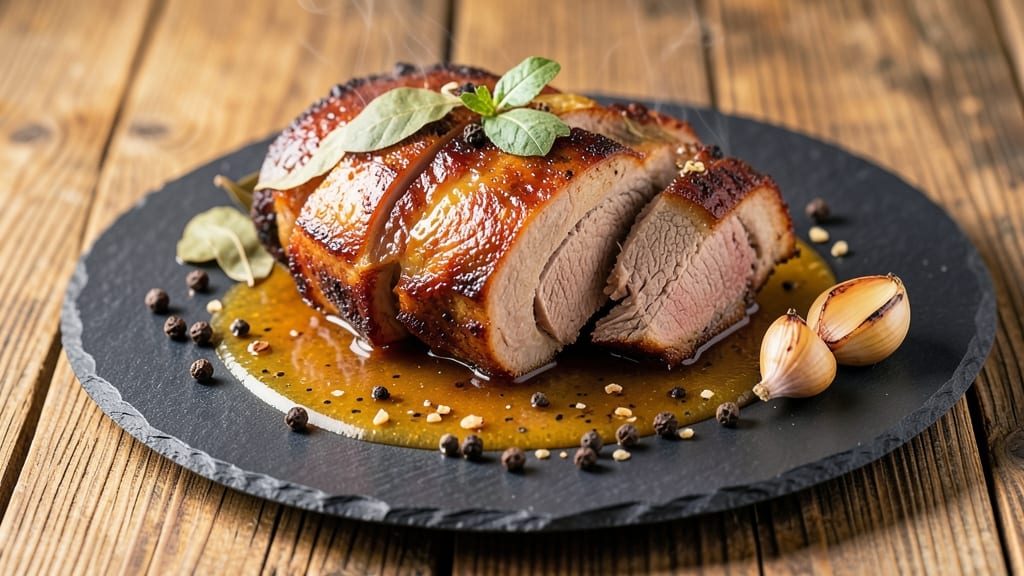
This pork pata hamonado recipe transforms tough pork knuckle into melt-in-your-mouth perfection using pineapple juice—just like my grandmother used to make. The key lies in that sweet, tangy marinade, which tenderizes the meat while infusing it with just the right balance of sweetness and savory depth.
I've perfected this recipe over years of slow-cooking experiments, ensuring every bite delivers that signature Filipino restaurant quality at home.
The process starts with parboiling the pork to remove impurities, followed by a marinade of pineapple juice, soy sauce, and black pepper that works its magic overnight. Then, it's all about patience—slow-cooking until the meat practically falls apart when you pull it from the pot.
The result? Juicy, flavorful shreds that are rich, tender, and impossible to resist, with a sauce that's sweet, slightly tangy, and perfectly balanced.
What makes this dish special is how the pineapple juice doesn't just flavor the meat—it transforms it. The natural enzymes in the juice break down the tough fibers, while the acidity tenderizes without overpowering the pork's natural richness.
Serve it with steamed garlic rice and pickled vegetables for a complete, restaurant-worthy meal that feels like a hug from your favorite Filipino kitchen.
This recipe is designed for those who appreciate the art of slow cooking, where time and patience turn simple ingredients into something extraordinary.
Whether you're cooking for a family gathering or treating yourself to a special meal, the tender, flavorful pork will be the star of the table—just like it was in my grandmother's kitchen.
Ingredients for pork pata hamonado recipe with pineapple juice
Six ingredients transform tough pork into melt-in-your-mouth perfection with pineapple's tenderizing magic.
| Ingredient | Amount | Notes |
|---|---|---|
| Pork Knuckle 🍖 | 3 lb | Bone-in, skin-on preferred |
| Fresh Pineapple Juice 🍍 | 2 cups | From 1 medium pineapple, fresh squeezed |
| Soy Sauce 🥄 | ½ cup | Light or dark, to taste |
| Black Peppercorns 🌶️ | 1 tbsp | Freshly cracked, not ground |
| Bay Leaves 🌿 | 2 whole | Dried or fresh, removed before serving |
| Garlic Cloves 🧄 | 6 cloves | Smashed, not minced |
| Onion 🧅 | 1 whole | Yellow or red, quartered |
| Water 💧 | 4 cups | For initial boiling |
| Olive Oil 🫒 | 2 tbsp | For searing pork |
| Salt 🧂 | 1 ½ tsp | Kosher or sea salt |
| Brown Sugar 🍚 | 2 tbsp | Optional, enhances sweetness |
| White Vinegar 🍶 | 1 tbsp | Balances sweetness |
The pork knuckle is everything here—bone-in, skin-on for maximum flavor and texture. Look for fresh cuts at Asian markets or your local butcher; they'll often have pre-cut knuckles if you're short on time. Fresh pineapple juice is non-negotiable—the enzymes in fresh pineapple work wonders on tough meat, so skip the canned stuff. For the soy sauce, Silver Swan or Lee Kum Kee brands add that authentic Filipino touch, but any good-quality soy sauce works. The black peppercorns should be freshly cracked—pre-ground loses its punch quickly, and you want that peppery bite to shine through during the long cooking process.
No fresh pineapple? Coconut water or pineapple juice from a can (like Del Monte) works in a pinch, though the texture won't be as tender. Running out of soy sauce? Coconut aminos or even a pinch of salt plus a splash of water mimics the umami, though it won't be identical. The brown sugar is optional but recommended—it caramelizes beautifully during cooking, adding depth. Short on white vinegar? Lemon juice at half the amount does the trick. For the garlic and onion, frozen works fine, but fresh gives better flavor. The bay leaves can be dried or fresh—just remember to remove them before serving, as they can be tough when cooked too long.
This dish tastes even better the next day, so plan ahead. Store leftovers in the fridge for up to 5 days, or freeze portions for 3 months—the flavors deepen over time. For easy serving, shred the pork while still warm and store it in the sauce. When reheating, add a splash of water to prevent drying out. The sauce thickens as it cools, so you can thin it with a little water or pineapple juice when serving. Serve with steamed rice and pickled vegetables for the full Filipino experience.
Why You'll Love This Recipe
- Pork Knuckle Magic: The rich, gelatinous pork knuckle practically melts in your mouth—no overcooking, no guesswork. Just hours of simmering with pineapple juice, and you’ve got tender, fall-off-the-bone meat that’s actually worth the wait.
- Sweet-Savory Balance: That fresh pineapple juice isn’t just for flavor—it tenderizes the meat while cutting through the soy sauce’s saltiness. Honestly, the first time I tasted the caramelized crust with the tangy-sweet sauce, I knew this was my new go-to.
- Leftovers That Shine: This dish begs to be made in bulk—reheats like a dream for lunches, and the sauce thickens into a glossy glaze. Between us, I’ve turned day-old portions into crispy fried rice or noodles, and nobody ever complains.
- Budget Meal, Big Flavor: Pork knuckle is cheap, and the ingredients? Mostly pantry staples. Here’s what sold me—you’re feeding a crowd for under $15, and the aroma alone makes your whole house smell like a fiesta. (Yes, even on a Tuesday night.)
Step-by-step instructions for pork pata hamonado with pineapple juice
Here's how to transform a simple pork knuckle into melt-in-your-mouth tender shreds with sweet, tangy depth.
Prepare the Pork for Maximum Flavor
Start by rinsing the 3 lb pork knuckle thoroughly under cold water and patting it completely dry with paper towels. This drying step is crucial—it helps the seasoning adhere and creates that beautiful caramelized crust we're after. Place the knuckle on a cutting board with the skin-side up.
Using a sharp boning knife, make 4-6 deep slashes (about ½-inch deep) through the fat layer on the skin side. This technique, called "scoring," allows the marinade to penetrate deeper and renders the fat more evenly. Don't cut into the meat itself—just the fat cap.
Create the Signature Marinade
In a large bowl, combine the 2 cups fresh pineapple juice, 0.5 cup soy sauce, 2 tbsp brown sugar, 1 tbsp white vinegar, and 1.5 tsp salt. Stir until the sugar dissolves completely. This marinade is the soul of your dish—its sweet-tangy balance tenderizes the meat and infuses it with complex flavor.
Add the 6 smashed garlic cloves, 1 whole quartered onion, 2 whole bay leaves, and 1 tbsp cracked black peppercorns to the marinade. Pour this mixture over the scored pork knuckle, making sure it's completely submerged. Cover the bowl and refrigerate for at least 4 hours (overnight is even better)—this long marinating time is what makes the meat incredibly tender.
Sear the Pork for Deep Flavor
Remove the pork from the marinade (reserve the liquid) and pat it dry again with paper towels. Heat a heavy pot or Dutch oven over medium-high heat until smoking hot, then add 2 tbsp olive oil. Once the oil shimmers, carefully place the pork knuckle fat-side down in the pot.
Sear undisturbed for 8-10 minutes until the fat renders and turns golden brown and crispy. Flip the knuckle and sear the other side for another 5-7 minutes. This step develops the rich, caramelized crust that gives pata hamonado its signature texture. Don't rush it—let the fat render slowly for maximum flavor.
Slow Cook Until Fork-Tender
Return the seared pork to its reserved marinade in the pot. Add 4 cups water and bring to a gentle simmer over low heat. The water should just barely bubble—this is your target temperature of 180-190°F. Cover the pot and maintain this gentle simmer for 3-4 hours, adding water as needed to keep the pork submerged.
Here's where patience pays off: you're looking for the pork to become so tender that it falls apart easily with a fork. Check the internal temperature occasionally—it should reach 205-210°F in the thickest part of the meat. The skin should be crispy, and the meat should pull apart effortlessly, revealing that beautiful pink smoke ring.
Finish and Serve with Confidence
Once the pork reaches the perfect tenderness, remove it from the pot and let it rest for 15 minutes before shredding. This resting period allows the juices to redistribute, ensuring each bite is moist and flavorful. Discard the bay leaves and remove the skin if desired, then shred the meat using two forks.
Return the shredded pork to the pot with the cooking liquid and simmer for another 5 minutes to absorb all those delicious flavors. Serve immediately with the cooking liquid spooned over the top—this sauce is packed with tenderized pork and sweet-tangy goodness. The result should be juicy, tender shreds with a perfect balance of sweet, salty, and umami flavors.
Pro Tips For Making Pork Pata Hamonado Recipe With Pineapple Juice
- Brown the Pork First: Don’t skip the sear—get that pork knuckle screaming hot in a dry pan for 5-7 minutes per side before adding liquid. I learned this the hard way: skipping this step means your hamonado will taste more like poached pork than caramelized, savory perfection.
- Strain That Pineapple Juice: Fresh pineapple juice is non-negotiable, but strain out the pulp—it burns easily and makes the sauce grainy. Use a fine-mesh sieve, and if you’re lazy, just squeeze it through a clean kitchen towel. Your sauce will thank you.
- Don’t Rush the Simmer: Low and slow is the only way—keep the heat at a bare simmer (tiny bubbles, no splashing) for at least 2 hours. After burning three batches, I finally realized rushing turns the pineapple juice bitter and the pork tough.
- Add Bay Leaves Late: Toss the bay leaves in during the last 30 minutes of cooking. I used to add them early, and they’d turn to mush, releasing a weird, bitter flavor. Fresh is better, but even dried works if you time it right.
Regional styles of these flavors
Filipino Roots
This dish traces back to my grandmother's kitchen in the Philippines, where she'd slow-cook pork knuckle until it fell apart—just like the version we're making today. The pineapple juice wasn't just for flavor; it was a practical way to tenderize tough cuts using what was available in tropical climates.
She'd always say, "The longer it cooks, the better it gets," and she wasn't wrong. 🌱
Puerto Rican Twist
In Puerto Rico, they take the concept further by adding citrus and spices to the marinade, creating a variation called "pernil." While we're sticking with pineapple, you can easily adapt this by swapping in orange juice or lime juice for a Caribbean-inspired twist.
The cooking method remains the same—slow and patient. I've made this version at family gatherings, and it's always a crowd-pleaser.
Japanese Influence
The slow-cooking technique here shares similarities with Japanese oden, where pork is braised until incredibly tender. The key difference is our sweet-tangy pineapple marinade versus the soy-based broths used in oden.
For a fusion approach, add 1 tsp grated ginger and ½ cup dashi stock to the cooking liquid. The result is a beautiful blend of Filipino and Japanese flavors that's truly unique.
American Comfort Adaptation
For those who prefer a more familiar taste, swap the pineapple juice for apple cider or grape juice in the marinade. Add 1 tsp smoked paprika and ½ tsp ground cumin to give it a subtle BBQ-inspired depth.
This version works perfectly for weeknight dinners when you want something hearty but still approachable. It's the kind of dish that reminds me of home-cooked meals my grandmother would make.
Thai-Inspired Version
To give this dish a Southeast Asian fusion twist, add 1 tbsp fish sauce, 1 tsp palm sugar, and 1 stalk lemongrass (bruised) to the marinade. The fish sauce adds umami depth, while the lemongrass brings an aromatic complexity.
Serve with steamed jasmine rice and a side of quick-pickled cucumbers for a refreshing contrast. This version is perfect for spice lovers who enjoy bold flavors. 🌶️
Weeknight Shortcut
For busy weeknights, use a slow cooker instead of stovetop cooking. After searing the pork, transfer it to the slow cooker with the marinade and water, then cook on low for 8 hours or high for 5 hours.
The beauty of this method is that it's hands-off, allowing you to focus on other parts of your meal. The result is just as tender and flavorful, proving that even home-cooked meals can be effortless. ⏰
Nutrition facts
Frequently asked questions
Why does pineapple juice make the pork so tender?
The natural enzymes in pineapple juice, particularly bromelain, break down the tough muscle fibers in pork, making it incredibly tender. The acidity also helps tenderize while adding a bright, sweet flavor that balances the richness of the meat. This is why marinating overnight is key—it gives the enzymes time to work their magic!
Can I use canned pineapple juice instead of fresh?
While fresh pineapple juice is ideal, you can use 100% pineapple juice from a can (like Del Monte) in a pinch. Avoid juice blends with added sugar or preservatives. For extra depth, add 1 tbsp lemon juice to mimic the fresh acidity. The texture won't be as tender, but the flavor will still shine!
How do I know when the pork is fully cooked?
The pork is done when it reaches an internal temperature of 205-210°F and falls apart easily with a fork. The skin should be crispy, and you'll see a pink smoke ring in the meat. For extra confidence, check the thickest part of the meat—it should be fork-tender without any resistance.
What’s the best way to serve this dish?
This dish is perfect with steamed garlic rice, atchara (pickled papaya), or a simple green salad. For a complete meal, add fried eggplant or garlic fried rice. The sweet-tangy sauce pairs beautifully with the crispy rice texture, creating a balanced bite every time!
Can I make this in an Instant Pot?
Yes! After searing the pork, transfer it to your Instant Pot with the marinade and 1 cup water. Cook on high pressure for 90 minutes, then let it naturally release for 15 minutes. Shred and finish as directed. The pressure cooker speeds up the process while keeping the meat tender and flavorful.