
Side Dishes
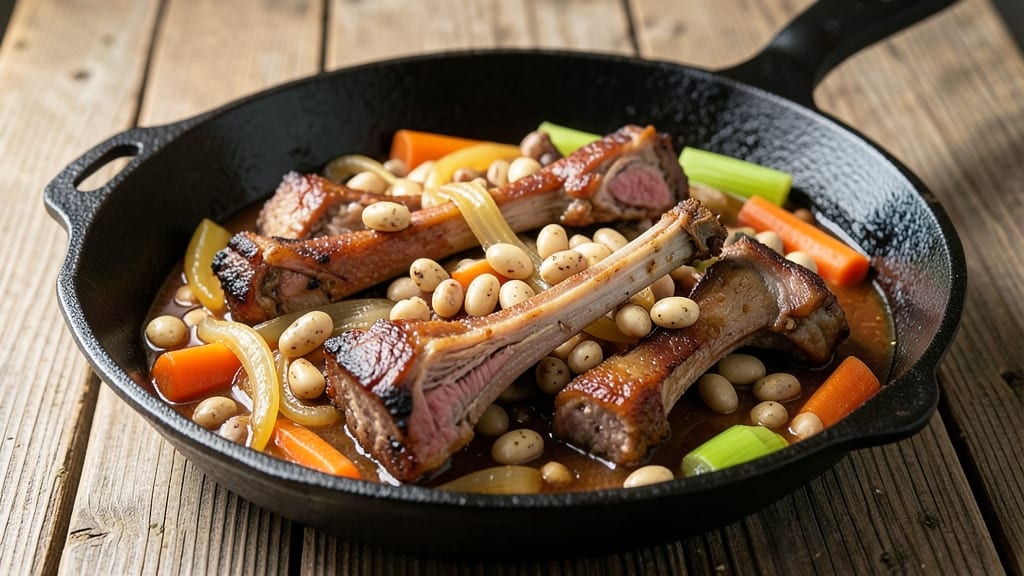
Pork neck bones and beans create a rich, smoky stew that transforms humble ingredients into something extraordinary. 🔥 As someone who's spent years perfecting slow-cooked pork dishes, I know the secret lies in rendering collagen from the bones—creating a broth so flavorful it turns simple beans into a hearty, unforgettable meal.
This isn't just a side dish; it's a centerpiece that builds depth with every spoonful.
The process begins with parboiling the bones to remove impurities, then browning them for maximum flavor before simmering with beans, aromatics, and just enough liquid to let the magic happen.
Whether you use a Dutch oven on the stovetop, an oven for hands-off cooking, or an Instant Pot for speed, the result is the same: tender beans swimming in a velvety, pork-infused broth that tastes even better the next day.
What makes this recipe special is how it balances tradition with practicality—no fancy techniques, just time and patience. The pork neck bones become the star, their collagen melting into the beans to create a texture that's both comforting and sophisticated.
This is the kind of dish that makes you want to linger at the table, savoring each bite of that deep, meaty flavor.
Perfect for family dinners, potlucks, or even as a main course when paired with crusty bread, this stew proves that slow cooking isn't just about convenience—it's about creating something truly memorable. Let's get started on a recipe that honors the art of traditional cooking while fitting seamlessly into modern life.
Ingredients for pork neck bones and beans
Pork neck bones and beans transform a simple pot into a smoky, collagen-rich masterpiece.
| Ingredient | Amount | Notes |
|---|---|---|
| Pork Neck Bones 🍖 | 2 ½ lb | Raw, skin-on preferred |
| Dried Navy Beans 🌱 | 1 ½ cups | Picked over for stones |
| Yellow Onion 🧅 | 1 whole | Large, roughly chopped |
| Carrots 🥕 | 4 whole | Medium, peeled and chopped |
| Celery Stalks 🥬 | 4 whole | Medium, chopped |
| Garlic Cloves 🧄 | 6 cloves | Fresh, smashed |
| Tomato Paste 🍅 | ½ cup | Smooth, no sugar added |
| Apple Cider Vinegar 🍎 | 2 tbsp | For brightness |
| Bay Leaves 🌿 | 2 whole | Fresh preferred |
| Smoked Paprika 🌶️ | 1 tsp | For smoky depth |
| Ground Black Pepper 🌶️ | 1 tsp | Freshly ground |
| Salt 🧂 | 1 ½ tsp | Kosher or sea salt |
| Water 💧 | 8 cups | For initial parboil |
| Extra-Virgin Olive Oil 🫒 | 2 tbsp | For browning bones |
The pork neck bones are the heart of this stew—look for bones with good meat coverage at your local butcher or Whole Foods. Costco often has them in bulk for a better price per pound. If using frozen, thaw completely first. The beans? Dried navy beans are ideal, but cannellini or great northern work too. Pick them over carefully for any small stones. For the aromatics, fresh celery, carrots, and onions are non-negotiable—they build that sweet, earthy base that makes the broth sing. Trader Joe's usually has pre-chopped mirepoix if you're short on time.
No smoked paprika? Substitute with a pinch of liquid smoke (1/4 tsp) plus extra black pepper—it'll give you that campfire taste. Running low on apple cider vinegar? White vinegar or lemon juice works in a pinch, but reduce to 1 tbsp. The tomato paste can be skipped entirely if you're avoiding it, but a splash of balsamic vinegar helps bridge the flavor gap. For the beans, if you're using canned, drain and rinse thoroughly to avoid excess sodium. And if you're worried about the bones not rendering enough collagen, add 1/2 cup of chicken stock to the water for extra depth.
This stew tastes even better the next day—plan ahead and make a double batch. Store in an airtight container in the fridge for up to 5 days, or freeze portions for 3 months. The bones will keep for 2-3 days in the fridge if you're not using them immediately. For serving, warm the stew gently on the stove—no need to boil, just reheat until steaming. The beans will soak up all that smoky broth, making every bite richer. Save the bones after cooking—they make fantastic broth for future meals.
Why You'll Love This Recipe
- One-Pot Magic: I swear by this recipe—just toss everything in a Dutch oven, add water, and walk away. The beans soften while the pork melts into the broth, so you’re left with zero cleanup beyond one pot.
- Deep, Rich Taste: That slow-cooked pork neck turns tender and smoky, while the navy beans soak up all the flavor. Honestly, the first bite makes you forget it’s just beans and pork—it’s ridiculously satisfying.
- Meal Prep Gold: Make a big batch on Sunday, and you’ve got lunch for the whole week. The flavors only get better as it sits, and reheating it is as easy as dumping it back in a pot with a splash of water.
- Budget-Friendly Feast: Pork neck bones are cheap, dried beans last forever, and veggies stretch the meal further. Between us, this is how I feed my family hearty, filling meals without breaking the bank—every time.
Step-by-step instructions for smoky pork and bean stew
Transform humble ingredients into a rich, smoky stew with layers of flavor and tender meat.
🔥 Step 1: Sear the Pork Neck Bones for Deep Flavor
Heat the 2 tablespoons extra-virgin olive oil in a large Dutch oven over medium-high heat until shimmering. Arrange the 2.5 lb pork neck bones in a single layer, skin-side down, and sear for 8-10 minutes until deeply golden brown. This step develops the rich, caramelized foundation for your stew.
Flip the bones and continue searing for another 8-10 minutes until all sides are well-browned. Remove the bones and set them aside on a plate. The bones should be dark mahogany with crispy edges—this indicates proper browning. Don't rush this step; patience here means deeper flavor later.
👨🍳 Step 2: Sauté Vegetables and Build the Base
In the same Dutch oven, reduce heat to medium and add the roughly chopped yellow onion, chopped carrots, and chopped celery stalks. Cook for 8-10 minutes, stirring occasionally, until the vegetables soften and the onion becomes translucent. You'll smell their sweet, earthy aromas developing.
Add the 6 smashed garlic cloves and cook for 1 minute until fragrant. Stir in the 0.5 cup tomato paste, 2 tablespoons apple cider vinegar, 1 teaspoon smoked paprika, 1 teaspoon ground black pepper, and 1.5 teaspoons salt. Cook for 2 minutes until the mixture darkens slightly and the raw tomato paste smell disappears.
🥘 Step 3: Parboil the Beans and Combine Ingredients
Add the 1.5 cups dried navy beans and 8 cups water to the Dutch oven. Bring to a boil over high heat, then immediately reduce to a gentle simmer. Cover and cook for 30 minutes, stirring occasionally to prevent sticking. This parboiling softens the beans slightly and removes any impurities.
Return the seared pork neck bones to the pot along with the 2 whole bay leaves. Stir gently to combine, ensuring the bones are fully submerged. The liquid should be just below a simmer—this gentle cooking will prevent the beans from breaking down and allow the pork to tenderize slowly over time.
⏰ Step 4: Simmer Until Fork-Tender
Cover the Dutch oven and transfer to a preheated 300°F oven (or keep on the stovetop at a low simmer). Cook for 3-4 hours, checking periodically to ensure there's always liquid covering the ingredients. You'll know it's ready when the pork bones pull away from the meat easily and the beans are tender but still hold their shape.
For the last 30 minutes, increase the heat to medium-low and uncover the pot. This allows the liquid to reduce slightly and concentrate the flavors. The stew should have a thick, velvety consistency with a rich, smoky aroma that fills your kitchen. Taste and adjust seasoning if needed.
🍽️ Step 5: Rest and Serve
Remove the pork bones and let them cool slightly, then use a fork to shred the meat directly into the stew. Discard the bones and bay leaves. The stew should be rich, smoky, and deeply flavorful with tender pork and navy beans in a thick, savory broth.
Serve immediately with crusty bread or over mashed potatoes to soak up every last bit of that smoky, bean-rich sauce. The flavors will only deepen as it sits, making this a perfect dish to prepare ahead and reheat for an even more satisfying meal.
Pro Tips For Making Pork Neck Bones And Beans
- Blanch Bones First: I learned this the hard way—skipping the blanch means scraping burnt bits off your bones later. Drop the pork neck bones in boiling water for 5 minutes, then shock in ice water before adding to the pot. This removes impurities and keeps your broth clear.
- Soak Beans Overnight (But Drain Well): Dried navy beans need a good 8–12 hours in water to soften properly. Drain them thoroughly before cooking—trapped moisture makes the beans mushy. I use a colander and shake it like I’m mad, even if it feels excessive.
- Sear Bones in Batches: A crowded pot steams instead of sears. Work in batches over medium-high heat until the bones are deeply browned—this builds flavor. If your pot’s too small, use a skillet first, then transfer the bones to the pot with the beans.
- Add Aromatics Early, But Don’t Rush: Toss chopped onion, carrots, and celery into the pot before the beans, but let them sweat for 10 minutes before adding liquid. This melts them into the bones’ render, creating a richer base. I used to toss them in later and wondered why my dish tasted like separate sides.
Storing and reheating your leftovers
Refrigerator Storage
Let your pork neck bones and beans stew cool to room temperature (about 30 minutes) before transferring to an airtight container—I swear by glass Pyrex with snap lids for even heating later.
Store in the fridge at 40°F or below for up to 5 days, but honestly, it tastes even better after 24 hours as flavors meld. The beans soak up all that smoky broth, becoming richer with each passing day. 💫
Freezer Prep Tips
For longer storage, freeze portions in quart-sized freezer bags (leave 1 inch headspace for expansion). I like to portion into 2-cup servings—perfect for quick lunches. Label with the date and freeze for up to 3 months.
The bones will keep separately in the freezer for 2 months if you want to prep ahead. Thaw overnight in the fridge before reheating. ❄️
Stovetop Reheating
My preferred method is stovetop reheating—it preserves texture beautifully. Transfer stew to a pot and heat over medium-low for 10-15 minutes, stirring occasionally. Add ¼ cup water or broth if it looks too thick.
Never boil—just warm until steaming (165°F internal temp). The beans will stay tender, not mushy. Taste and adjust seasoning—you might need a pinch more salt after reheating. 🔥
Microwave Method
For quick meals, use the microwave on 50% power in 2-minute intervals, stirring between each. Cover with a damp paper towel to prevent drying. Heat until steaming (165°F), then let sit for 1 minute before serving.
Add a splash of water if it looks dry. This method works best for 1-2 servings at a time. 💡
Oven Refresh
For a restaurant-quality reheat, transfer stew to an oven-safe dish, cover with foil, and bake at 300°F for 30 minutes. Uncover for the last 10 minutes to let flavors concentrate.
This method works especially well if you're serving a crowd—just pop it in before gathering. The slow reheat keeps everything tender and flavorful. 🍽️
Bone Broth Boost
Save those cooked bones! Strain the stew through a fine-mesh sieve, reserving the broth. Use the bones to make pork bone broth—simmer with 2 cups water, 1 onion, and 2 carrots for 4 hours.
This makes a fantastic base for future soups or braises. I always keep a stash in my freezer for quick flavor boosts. 💪
Nutrition facts
Frequently asked questions
Can I substitute pork neck bones with another cut?
While pork neck bones are ideal, you can use pork shoulder or pork shank as substitutes. For pork shoulder, cut into 2-inch chunks and brown well before cooking. Pork shank bones work similarly but may require 15-20 minutes longer to tenderize. Avoid fatty cuts like ribs—they won't render enough collagen for that rich, velvety texture.
How do I know when the beans are perfectly tender?
Test a bean by pressing it between your fingers—it should be soft but still hold its shape, like a ripe avocado. If it crumbles easily, it's overcooked. The stew should have a thick, gravy-like consistency with beans that're tender enough to eat with a spoon but not falling apart. For navy beans, this usually takes 2.5-3 hours of simmering.
What's the secret to getting that rich, smoky flavor?
It's all about the bones! Properly browning them creates a Maillard reaction that develops deep, caramelized flavors. Use medium-high heat for 15-20 minutes total until they're dark mahogany. The smoked paprika and apple cider vinegar also contribute to that signature smokiness. Don't skip the parboiling step—it removes impurities that can make the broth bitter.
Can I make this in an Instant Pot?
Sear the bones first, then add all ingredients to your Instant Pot. Cook on high pressure for 60 minutes, then natural release for 15 minutes. The beans should be tender and the pork falling off the bones. For extra richness, add 1 cup chicken broth instead of water. The pressure cooker cuts time to about 1 hour total instead of 4-5 hours.
Why does my stew turn out watery?
Watery stew usually means you didn't reduce the liquid enough. The beans release starch as they cook, which thickens the broth naturally. If yours is too thin, simmer uncovered for 15-20 minutes to evaporate excess liquid. For prevention, use 1.5 cups beans to 2.5 lbs bones ratio and reduce heat to low simmer during the last 30 minutes of cooking.