
Main Courses
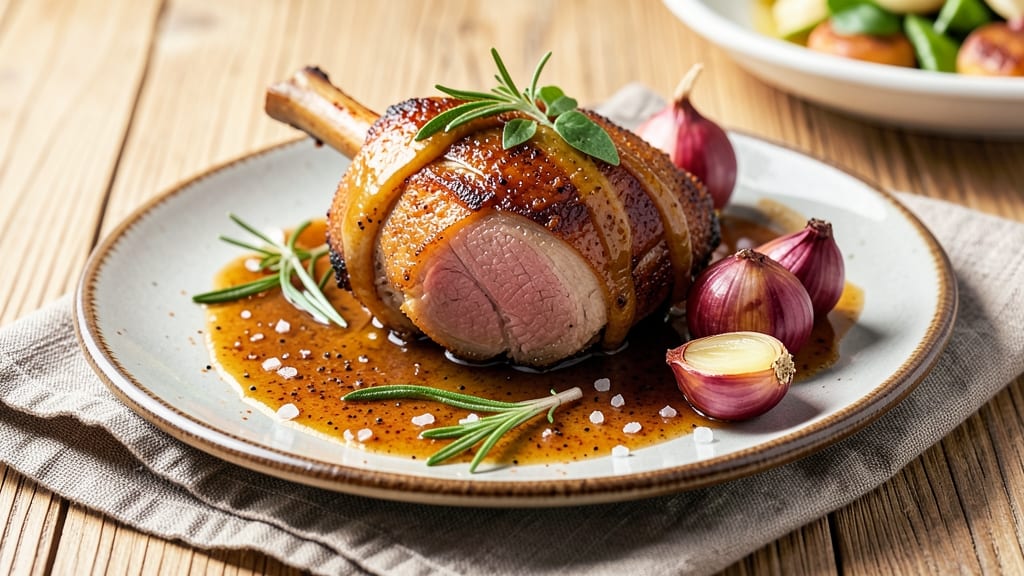
This bone-in pork shank recipe delivers the kind of crispy, caramelized edges and tender, fall-off-the-bone meat that makes every bite unforgettable. 🔥 After years of perfecting the technique—first in Charleston kitchens, then on my own farm—I’ve refined a method that balances traditional braising with modern precision, ensuring restaurant-quality results at home.
The secret lies in the slow-roasting process, where the bone renders rich gelatin into the meat over hours, creating a sauce so flavorful you’ll want to spoon it up.
We start with a dry rub of smoked paprika and brown sugar to build that signature bark, then let the oven do the heavy lifting while you focus on perfecting the sides—think creamy polenta or roasted root vegetables to soak up every drop of that velvety sauce.
What you’ll end up with is a dish that commands attention: deep mahogany crusts giving way to meat so tender it practically melts, all infused with the natural sweetness of pork cooked low and slow.
This isn’t just dinner—it’s a centerpiece that transforms a weeknight into a celebration. The best part? Leftovers taste even better the next day, making it a meal worth doubling.
Whether you’re cooking for a crowd or treating yourself to a Sunday supper, this recipe delivers professional results without the fuss. Let’s get started—your table (and taste buds) will thank you.
Ingredients for bone in pork shank
Crispy edges, tender meat, and a sauce so rich you'll want to spoon it up.
| Ingredient | Amount | Notes |
|---|---|---|
| Bone-In Pork Shank 🥩 | 2 lb | With bone and fat cap intact |
| Smoked Paprika 🌶️ | 2 tbsp | For deep, smoky flavor |
| Light Brown Sugar 🍯 | 1 tbsp | Packed, for caramelization |
| Kosher Salt 🧂 | 1 ½ tsp | Diamond Crystal preferred |
| Freshly Ground Black Pepper 🌶️ | 1 tsp | Cracked peppercorns preferred |
| Garlic Cloves 🧄 | 4 cloves | Smashed, not minced |
| Yellow Onion 🧅 | 1 whole | Cut into 1-inch chunks |
| Carrots 🥕 | 4 medium | Peeled, cut into 2-inch pieces |
| Celery Stalks 🥬 | 3 whole | Cut into 2-inch pieces |
| Fresh Thyme 🌿 | 2 sprigs | Or 1 tsp dried thyme |
| Fresh Rosemary 🌿 | 1 sprig | Woody stems removed |
| Olive Oil 🫒 | 2 tbsp | Extra-virgin for richness |
| Apple Cider Vinegar 🍎 | 1 tbsp | For brightness |
| Beef Broth 💧 | 1 ½ cups | Low-sodium preferred |
The pork shank is the star—look for thick cuts with good marbling, especially around the bone. Whole Foods or your local butcher usually carry the best quality; if buying pre-cut, check for even thickness. The fat cap is crucial—it renders down to create that velvety sauce. I always grab 2 lbs for 4 servings, but don't skimp on size. Smoked paprika is non-negotiable here—Penzeys or the bulk bins at natural grocery stores have the best quality. The brown sugar? Pack it tightly into the spoon—it needs to stick to the meat for that perfect crust.
No smoked paprika? Regular paprika plus a pinch of liquid smoke works in a pinch. Fresh thyme and rosemary are ideal, but dried works at one-third the amount if you're in a hurry. The beef broth can be subbed with chicken broth plus a splash of soy sauce for umami. Carrots and celery can be swapped for potatoes or turnips—whatever you've got in the fridge. The apple cider vinegar adds brightness, but if you're out, red wine vinegar at the same amount does the trick. And trust me on the olive oil—use the good stuff, not the cheap stuff that tastes like soap.
Pork shanks keep beautifully in the fridge for 3-4 days wrapped tightly in foil. The dry rub? Store it in an airtight container for up to 2 weeks. I always make extra—this reheats like a dream, and honestly, it tastes even better the next day as the flavors meld. Portion into containers for easy lunches, or freeze for up to 3 months. The sauce freezes well too, just thaw it slowly in the fridge before reheating.
Why You'll Love This Recipe
- One-Pan Magic: I swear by this—just sear the shank, toss in the spices (smoked paprika + brown sugar = flavor bomb), and let the oven do the work. No chopping, no fussing, no extra pots.
- Deep, Smoky Richness: That bone-in shank? It falls apart into ridiculously tender meat, while the crust stays crispy. The smoked paprika and brown sugar caramelize into a sticky, savory glaze—like a hug in your mouth.
- Weeknight or Weekend Star: Works for a lazy Tuesday when you’re too tired to cook, or a Sunday supper when you want to impress. Serve it with mashed potatoes or crusty bread—no judgment either way.
- Budget-Friendly Feast: A single shank stretches for days—I’ve had it for breakfast tacos, sandwiches, and even a quick stir-fry. Plus, pork shanks are cheaper than chicken thighs, so you’re feeding a crowd without breaking the bank.
Step-by-step instructions for deep-roasted pork shank
Here's how to transform a tough cut into melt-in-your-mouth perfection with crispy edges and rich flavor.
🔥 Step 1: Sear the Pork Shank for Maximum Flavor
Preheat your oven to 425°F with a rack positioned in the lower third. Heat a large oven-safe skillet over medium-high heat until very hot. Add the 2 lb bone-in pork shank fat-side down and sear for 8-10 minutes until the fat is golden brown and crispy in spots.
Flip the shank and sear the other side for another 6-8 minutes. The goal is to build a deep, flavorful crust that will caramelize beautifully during roasting. I press down gently on the shank during the first minute—this prevents it from curling and ensures even contact with the pan. If it sticks, don't panic—just add a splash of water and scrape up those browned bits (they're pure flavor).
👨🍳 Step 2: Build the Aromatic Base
While the shank sears, prepare your vegetables. In a large bowl, combine the 1 whole yellow onion, 4 medium carrots, and 3 whole celery stalks (all cut as specified). Add 4 smashed garlic cloves, 2 sprigs fresh thyme, and 1 sprig fresh rosemary (woody stems removed).
In a small bowl, whisk together 2 tbsp olive oil, 2 tbsp smoked paprika, 1 tbsp light brown sugar, 1.5 tsp kosher salt, and 1 tsp freshly ground black pepper. Pour this mixture over the vegetables and toss to coat evenly. The sugar will help caramelize the vegetables as they roast, adding sweet depth to the dish.
🥘 Step 3: Layer and Roast for Deep Flavor
Remove the seared shank from the skillet and set it aside. Add the vegetable mixture to the same skillet and spread it evenly. Return the skillet to the oven and roast for 20 minutes, stirring once halfway through, until the vegetables begin to soften and the edges turn golden.
Carefully transfer the vegetable mixture to a plate and return the skank to the skillet. Arrange the vegetables around the shank, creating a nest that will help baste the meat as it roasts. Pour 1 tbsp apple cider vinegar into the skillet and scrape up any browned bits from the bottom.
⏰ Step 4: Braise Until Fork-Tender
Pour 1.5 cups beef broth into the skillet, making sure the liquid comes about halfway up the sides of the shank. Cover the skillet tightly with foil and transfer it to the oven. Roast at 325°F for 2.5-3 hours, until the pork is fork-tender and the meat pulls away from the bone with minimal resistance.
Here's the thing—I know it seems like forever, but patience is key. The pork needs time to break down and absorb all those amazing flavors. If you peek and the liquid looks reduced, add a splash of water or broth to keep it moist. The shank is done when you can easily pierce it with a fork and the juices run clear.
🔥 Step 5: Finish with Crispy Edges
Once the pork is tender, increase the oven temperature to 450°F and remove the foil. Return the skillet to the oven for 10-15 minutes to crisp the edges and deepen the caramelization. You'll see the liquid reduce dramatically and the pork develop a beautiful mahogany crust.
Let the pork shank rest for 10 minutes before serving. This resting time allows the juices to redistribute throughout the meat, ensuring every bite is moist and flavorful. Serve the shank with the braised vegetables spooned around it, and don't forget to pass that delicious pan sauce!
Pro Tips For Making Bone In Pork Shank
- SEAR THE SHANK FIRST: Don’t skip the browning—high heat for 5-6 minutes on each side until deep golden. I used to rush this, and the final dish lacked that rich, caramelized depth that makes all the difference. A hot pan (no need for oil—just let the fat render) gives you flavor without extra grease.
- USE DRY PAPRIKA: Smoked paprika works best when sprinkled dry over the shank before searing. Wet it first, and it’ll clump into a sad, flavorless paste. Trust me, the dry rub clings better and toasts into something aromatic—like the difference between dust and gold.
- LOW AND SLOW ISNON-NEGOTIABLE: After browning, drop the heat to 275°F (135°C) and cover tightly. I’ve tried speeding this up, and the meat turns out chewy instead of fork-tender. Patience here means the collagen melts into silky perfection—no shortcuts, no excuses.
- SALT IN LAYERS: Season the shank generously before searing, then add another pinch of kosher salt midway through braising. The sugar in the brown sugar will caramelize, so balancing the salt keeps flavors harmonious. Think of it like a flavor insurance policy—better to overdo it now than regret it later.
Perfect pairings for this recipe
Creamy Polenta
This dish deserves a starchy side that soaks up every drop of that rich pork sauce. I make my polenta with 1 cup cornmeal and 4 cups whole milk, simmered until creamy and thick.
A splash of ½ cup heavy cream at the end makes it luxurious—almost like a cross between grits and mashed potatoes. Garnish with grated Parmesan and a pinch of freshly cracked black pepper right before serving. The contrast of creamy polenta against the crispy pork is pure magic. 🌟
Roasted Root Vegetables
For a rustic touch, I love roasting carrots, parsnips, and sweet potatoes> in the same oven as the pork shank. Toss them in 2 tbsp olive oil, 1 tsp smoked paprika, and ½ tsp salt, then roast at 400°F for 45 minutes.
The caramelized edges pair beautifully with the pork's deep flavors. I often add a handful of rosemary sprigs> while roasting for an aromatic boost. These veggies become naturally sweet and tender, making them the perfect foil for the rich pork.
Crusty Bread with Whipped Butter
A warm, crusty loaf of bread is essential for mopping up that pan sauce. I prefer a baguette-style bread> from my local bakery, sliced into thick pieces and lightly toasted.
Serve with a bowl of whipped butter> mixed with a pinch of garlic powder> and smoked paprika. The buttery richness complements the pork's savory notes while providing texture contrast. For extra flair, sprinkle with flaky sea salt> before serving.
Simple Arugula Salad
To cut through the richness, I always include a bright, peppery salad. Toss 4 cups baby arugula> with 2 tbsp olive oil, 1 tbsp apple cider vinegar, and a pinch of honey. Add ¼ cup shaved Parmesan> and toasted pine nuts for crunch.
The acidity of the vinegar and the peppery bite of the arugula refresh your palate between bites of rich pork. This salad is a game-changer for balancing the meal.
Red Wine Reduction Sauce
If you want to elevate your pork shank to restaurant-level, try making a quick red wine reduction. Deglaze the pork shank pan with ½ cup dry red wine> after removing the meat, then reduce by half with 1 tbsp butter> and a splash of beef broth.
Strain and drizzle over the pork just before serving. The wine's acidity brightens the dish, while the butter adds richness. I often use a Cabernet Sauvignon> for its bold flavors that complement the pork perfectly.
Pickled Vegetables
For a tangy contrast, serve quick-pickled vegetables on the side.
Thinly slice ½ red onion, ½ cup radishes, and ½ cup carrots, then soak in a mixture of ½ cup apple cider vinegar, 1 tbsp sugar, and ½ tsp salt for at least 30 minutes.
The bright acidity cuts through the richness of the pork, adding a refreshing crunch. This side is especially popular in the Southeast, where it's a classic pairing for slow-cooked meats. 💛
Nutrition facts
Frequently asked questions
Why does the recipe specify bone-in pork shank?
The bone is essential for creating that signature rich, gelatinous sauce that makes this dish so special. As the pork cooks slowly, the bone renders its marrow and collagen into the meat, creating a naturally luxurious sauce that requires no additional thickening. Plus, the bone adds wonderful depth of flavor that boneless cuts simply can't match. The fat cap also plays a crucial role by rendering down to create that velvety texture.
Can I use bone-in pork shank from the grocery store? Just
What if my pork shank isn't perfectly even in thickness?
No problem! The good news is that this recipe is forgiving. If one side is thicker, it will just take a little longer to cook through. I recommend checking the thinner side first with a meat thermometer—it should reach 195°F internally. The thicker side will continue cooking as it rests. For extra insurance, you can tent the thinner side with foil during the final crisping stage to prevent over-browning.
How do I know when the pork shank is fully cooked?
Use a meat thermometer to check the internal temperature—it should read 195°F in the thickest part. The meat should be fork-tender and pull away from the bone with minimal resistance. If you don't have a thermometer, make a small cut in the thickest part—if the juices run clear and the meat separates easily, it's done. The resting time will help carry over the cooking, so don't rush this step.
Can I make this recipe in a slow cooker?
While you can adapt this recipe for a slow cooker, you'll miss out on that beautiful crust. Here's how: Sear the shank first, then add all ingredients to your slow cooker and cook on LOW for 6-8 hours. For crispy edges, transfer to a baking sheet and broil for 5-10 minutes at the end. The sauce will be thinner, so you might want to reduce it separately on the stovetop. The meat will still be tender and flavorful, just without that signature crust.