
Main Courses
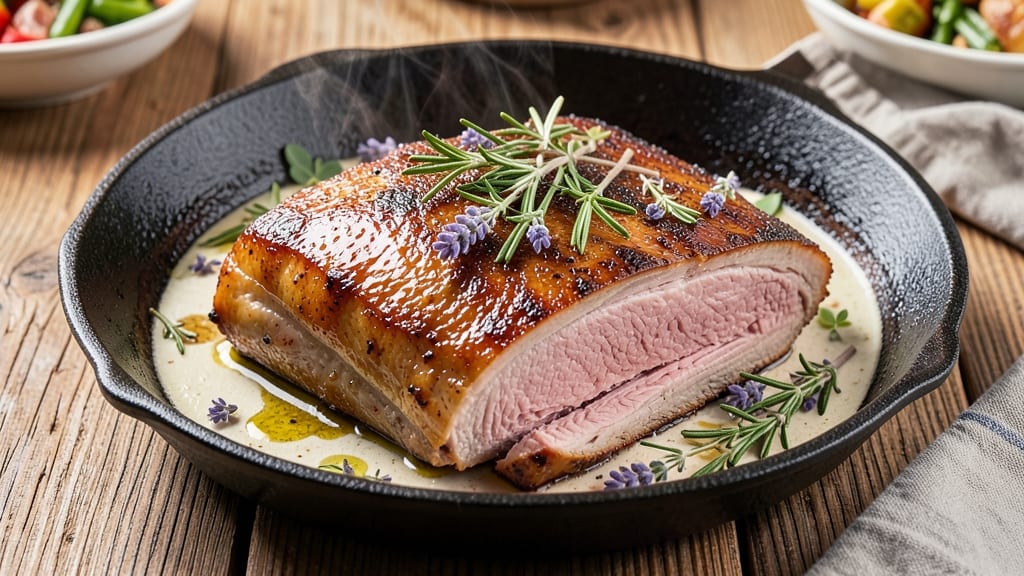
This stove-top pork loin roast recipe transforms weeknight dinners with restaurant-quality tenderness—no oven required. After years of perfecting the sear-and-simulate method, I've cracked the code for juicy, flavorful pork that stays moist through every bite.
The secret lies in precise temperature control and a two-phase cooking process that builds deep, savory layers without drying out the meat.
What sets this technique apart is the combination of high-heat searing followed by gentle simmering in its own juices. We'll start with a hot cast-iron skillet to create that golden crust, then transfer the pork to the same pot to finish cooking at a controlled temperature.
This method preserves moisture while developing rich, caramelized flavors—something you won't get from conventional oven roasting.
The result is a perfectly tender pork loin with a crisp exterior and juicy interior, ready in about 45 minutes with minimal hands-on time. The beauty of this stove-top approach is its adaptability—whether you're cooking for two or feeding a crowd, this recipe delivers consistent, foolproof results every time.
No special equipment needed beyond what you likely already own.
Pair with roasted potatoes or a fresh green salad for a complete meal that's elegant enough for company but simple enough for any night. The technique works equally well with bone-in or boneless cuts, making it versatile for different preferences.
Let's get started with this game-changing pork loin method that'll change how you approach weeknight dinners.
Ingredients for pork loin roast recipe on stove top
Precision-cut pork loin and aromatic herbs transform simple stove-top cooking into restaurant-quality results.
| Ingredient | Amount | Notes |
|---|---|---|
| Pork Loin Roast (bone-in or boneless) 🥩 | 2 lb | Center-cut for even cooking |
| Kosher Salt 🧂 | 1 ½ tbsp | Diamond Crystal preferred |
| Freshly Ground Black Pepper 🌶️ | 1 tsp | Coarsely ground for texture |
| Extra-Virgin Olive Oil 🫒 | 2 tbsp | High smoke point preferred |
| Fresh Rosemary 🌿 | ¼ cup | Finely chopped sprigs |
| Fresh Thyme 🌿 | ¼ cup | Leaves only, stems removed |
| Garlic Cloves 🧄 | 4 cloves | Smashed, skin on |
| Dry White Wine 🍷 | ½ cup | Sauvignon Blanc preferred |
| Chicken or Vegetable Stock 💧 | ½ cup | Low-sodium preferred |
| Unsalted Butter 🧈 | 2 tbsp | Cold, cubed for basting |
| Cast-Iron Skillet (or Heavy Pot) 🔥 | 1 whole | 12-inch diameter minimum |
| Instant-Read Meat Thermometer 🌡️ | 1 whole | For precise doneness |
The pork loin is the foundation—center-cut for even cooking, bone-in for better moisture retention. Costco or Whole Foods carry premium cuts with good marbling, which translates to juicier results. Look for roasts with a pale pink interior and firm texture. Fresh herbs elevate the dish, so Trader Joe's or local farmers markets are ideal for rosemary and thyme. The garlic should be plump and firm, not sprouting or soft. For wine, any dry white with bright acidity works—Sauvignon Blanc or Pinot Grigio are classic choices, but whatever's open in your fridge will suffice.
No white wine? Substitute extra chicken stock with a splash of lemon juice for acidity. Fresh herbs wilt fast—dried thyme at one-third the amount works in a pinch, but fresh is ideal. The butter can be swapped for olive oil if preferred, though it won't brown as beautifully. For a richer flavor, add 1 tbsp Dijon mustard to the stock mixture. The cast-iron skillet is non-negotiable—if you don't own one, a heavy stainless steel pot works, though it may require more oil to prevent sticking. The meat thermometer is critical; invest in a good one if yours is outdated.
Pork loin stays fresh 3-4 days in the fridge when tightly wrapped. For longer storage, freeze for up to 3 months in airtight packaging. The herbs can be prepped ahead—chop and store in the fridge for up to 3 days in an airtight container. The wine and stock can be pre-measured and refrigerated for up to 5 days. Leftovers reheat beautifully—simmer gently with a splash of stock to restore moisture. Portion into individual containers for easy reheating, as the pork tends to dry out with multiple reheats.
Why You'll Love This Recipe
- Stovetop Magic: I swear by this method—no oven, no fuss. Just a hot skillet, a little oil, and that rosemary’s piney aroma filling the kitchen while the pork sears to golden perfection.
- Crispy-Creamy Duo: Between us, the secret’s in the salt crust and high heat. You get that crackling exterior with a juicy, tender center—no thermometer needed, just instinct.
- Budget Meal for Crowds: A single pork loin feeds four easily, and the ingredients? Olive oil, salt, pepper, rosemary—stuff I already have. No wasted money, just maximum flavor per dollar.
Step-by-step instructions for stovetop pork loin roast with herb wine sauce
Master this technique and you'll achieve restaurant-quality pork without an oven—juicy, flavorful, and perfectly tender.
Prep and Sear the Pork Loin
Pat the 2 lb pork loin roast completely dry with paper towels—this is critical for crispy searing. Place the roast in the cast-iron skillet and rub all sides generously with 1.5 tbsp kosher salt and 1 tsp freshly ground black pepper. Let it sit at room temperature for 15 minutes while you prepare the herbs.
Heat the skillet over medium-high heat until very hot. Add 2 tbsp extra-virgin olive oil and swirl to coat. Place the pork loin in the skillet and sear for 4-5 minutes per side until deeply golden brown. The key is patience—don't move it until you see a deep crust forming. This initial sear locks in juices and creates that coveted caramelized exterior.
Build the Herb Wine Sauce Base
Remove the pork from the skillet and set it aside on a plate. Reduce heat to medium and add the 4 smashed garlic cloves, 0.25 cup fresh rosemary, and 0.25 cup fresh thyme to the skillet. Sauté for 1 minute until fragrant—this releases their essential oils and builds flavor depth.
Pour in the 0.5 cup dry white wine and scrape up all the browned bits from the bottom of the skillet with a wooden spoon. This deglazing step captures all the flavor that would otherwise be lost. Let the wine simmer for 2-3 minutes until reduced by half. Add the 0.5 cup chicken or vegetable stock and bring to a gentle simmer.
Simmer the Pork to Perfect Doneness
Return the pork to the skillet, spooning the sauce over the top. Cover with a lid and simmer gently for 20-25 minutes (or until the internal temperature reaches 145°F when measured with the instant-read meat thermometer). The lid helps steam the pork gently, preventing it from drying out while the sauce continues to develop.
Here's the thing—pork continues cooking slightly after you remove it from heat. That's why we stop at 145°F rather than the traditional 160°F. The residual heat will carry it to perfect doneness while keeping it juicy. Check the temperature 5 minutes before you think it should be ready—overcooking is the enemy of tender pork.
Finish with Butter and Rest
Once the pork reaches 145°F, remove it from the skillet and tent loosely with foil. Add the 2 tbsp cold unsalted butter to the skillet and let it melt over medium heat for 1 minute. Pour this buttery sauce over the pork and let it rest for 10 minutes. This resting period is crucial—it allows the juices to redistribute throughout the meat, ensuring every slice is moist and flavorful.
While the pork rests, skim any excess fat from the sauce in the skillet and reduce it by 2-3 minutes of simmering to thicken slightly. This sauce should coat the back of a spoon—rich, herby, and with just the right balance of acidity from the wine. Slice the pork against the grain into ½-inch thick slices and serve immediately with the sauce spooned over the top.
Pro Tips For Making Pork Loin Roast Recipe On Stove Top
- CRANK THE HEAT FIRST: Start your pork loin roast in a screaming-hot skillet—no babying it. After 2-3 minutes of searing on each side (bone-in or not), the crust will lock in juices, and you’ll avoid that sad, gray, overcooked center. I used to turn the heat down too soon, and the meat just steamed instead of developing flavor.
- SALT THE ROSEMARY: Crush the rosemary sprigs between your palms first, then sprinkle them directly over the pork with a generous pinch of kosher salt. The salt clings to the rosemary’s oils, making them stick to the meat instead of floating away—like seasoning glue. (Yes, even if your recipe says “add rosemary later.”)
- SKIP THE COVER AFTER SEARING: Once you’ve seared the pork, leave the lid off. Covering too early traps steam and turns your crispy crust into a sad, sticky mess. After the initial sear, reduce heat to medium-low, let it cook uncovered for 5 minutes, then add liquid (if using) and cover loosely. I learned this the hard way—my first attempt looked like a soggy meatloaf.
- USE A MEAT THERMOMETER: Pull the pork at 140°F for medium-rare (145°F for medium), then let it rest. Guessing leads to dry meat or undercooked pork. Bone-in roasts will run 5-10°F hotter in the center, so adjust accordingly. I was skeptical until I tried it—now I never go back.
Creative variations of this pork loin roast recipe on stove top
Herb-Infused Variations
Swap the rosemary and thyme for fresh sage and tarragon—a classic French bistro touch that pairs beautifully with pork. I often use 2 tbsp chopped sage and 1 tbsp chopped tarragon instead, adding 1 tsp lemon zest to brighten the sauce.
For a Mediterranean twist, try oregano and marjoram with a splash of orange liqueur (like Cointreau) instead of wine. 🌿
Spicy Global Twists
Add 1 tbsp gochujang or Korean red pepper flakes to the sauce for a Korean-inspired kick, then finish with 1 tsp sesame oil and a sprinkle of toasted sesame seeds.
For a Mexican-inspired version, use 1 tbsp adobo sauce from canned chipotles and ½ tsp ground cumin in the stock mixture. Both versions work wonderfully with the same sear-and-simmer technique.
Sweet and Tangy Adaptations
Drizzle 2 tbsp honey or maple syrup into the sauce during the simmering phase for a caramelized glaze. I love adding 1 tbsp Dijon mustard and 1 tsp apple cider vinegar to balance the sweetness.
For a tropical variation, use ½ cup pineapple juice instead of wine and add 1 tbsp grated ginger to the herb mixture. The acidity cuts through the richness beautifully. 🍯
Protein Swaps
This same technique works for chicken thighs or beef tenderloin—just adjust cooking times. For chicken, sear for 3 minutes per side and simmer for 15-20 minutes until reaching 165°F. For beef, sear for 4-5 minutes per side and simmer for 20-25 minutes at 140°F.
The wine and herb sauce adapts perfectly to any of these proteins while keeping the method simple and foolproof.
Vegetarian Adaptations
For a vegetarian version, replace the pork with extra-firm tofu or mushroom medley. Press and slice the tofu into ½-inch thick pieces, then marinate in 2 tbsp soy sauce, 1 tbsp maple syrup, and 1 tsp grated ginger for 30 minutes before searing.
Use the same herb wine sauce but reduce the cooking time to 10-12 minutes—just until heated through. The texture won't be identical, but the flavors shine. 🌱
Nutrition facts
Frequently asked questions
Why does this recipe call for 145°F instead of the usual 160°F for pork?
The 145°F target prevents overcooking on the stovetop, where heat escapes differently than in an oven. Pork continues cooking slightly after removal from heat, so stopping at 145°F ensures perfect doneness without drying out. This "resting temperature" method is key for juicy results—just like how steak continues cooking when resting!
Can I use a different cut of pork like pork tenderloin?
Yes! Pork tenderloin works beautifully with this method—just reduce cooking time to 15-20 minutes after searing (aim for 145°F). The smaller size cooks faster, so check with a thermometer. For extra flavor, add ½ tsp smoked paprika to the herb mix. Tenderloin's lean nature makes this technique even more important for moisture.
What if I don't have white wine or stock?
No problem! Substitute ½ cup apple cider or lemon juice for acidity, plus ½ cup water. For depth, add 1 tsp soy sauce or Worcestershire sauce. The dish will still taste rich—just with a slightly different profile. This method is forgiving for pantry staples!
How do I keep the pork from sticking to the skillet?
Pat the pork completely dry before searing—this creates a better crust. Use a hot skillet (add oil when it's smoking) and let the pork sit undisturbed for 2-3 minutes per side. A well-seasoned cast iron or nonstick skillet helps too. If it sticks, gently lift with a spatula—don't force it!
Can I make this ahead of time?
Cooked pork loin keeps well for 3-4 days in the fridge, but texture suffers after reheating. For best results, cook fresh and serve immediately. If prepping ahead, par-cook to 135°F, then finish cooking when ready to eat. Store in the sauce to maintain moisture. Leftovers reheat best in a 350°F oven for 10 minutes with a splash of stock.