
Sauces & Condiments
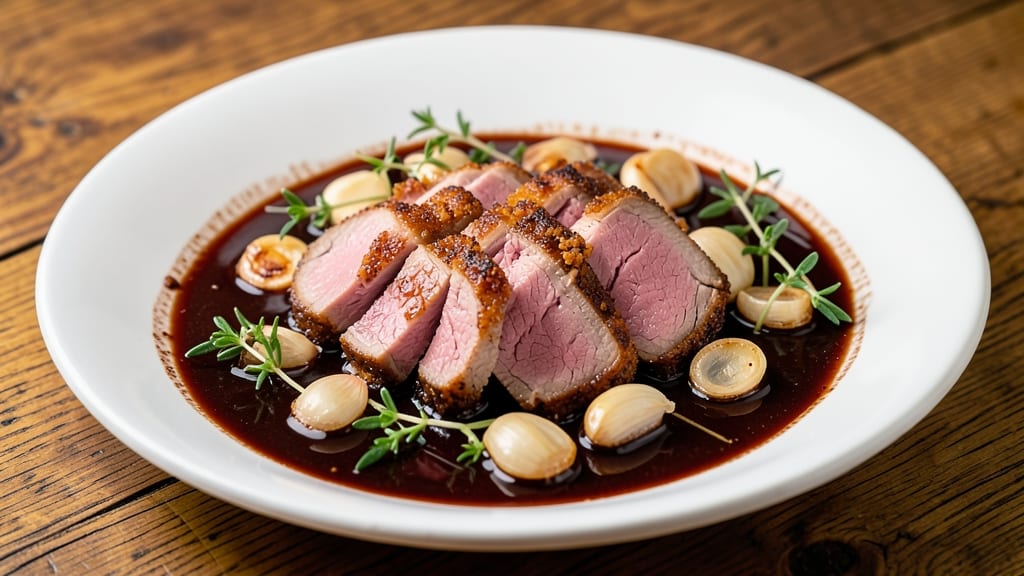
This pork jus recipe transforms simple pan drippings into a restaurant-worthy sauce that elevates any roasted pork dish. The secret lies in deglazing with wine and stock, then reducing until it's rich, glossy, and packed with umami depth.
I developed this technique after years of test kitchen experiments to create a sauce that's foolproof yet deeply flavorful—no fancy ingredients required, just patience and attention to detail.
The process begins with searing pork chops or a pork roast until golden, then carefully scraping up those flavorful browned bits from the pan. Deglazing with a splash of red wine and simmering with aromatics like shallots and thyme builds layers of complexity.
The sauce thickens naturally as it reduces, creating a velvety consistency that clings beautifully to meat. This isn't just a sauce—it's the finishing touch that turns good pork into extraordinary pork.
What makes this sauce truly special is its versatility. Use it to drizzle over roasted pork chops, spoon it alongside steak, or even drizzle it over mashed potatoes for an unexpected richness.
The balance of acidity from the wine, umami from the pork drippings, and depth from the aromatics creates a sauce that's sophisticated yet approachable. With just 15 minutes of active time, you'll have a sauce that tastes like it took hours to perfect.
For an extra touch of elegance, finish with a pat of butter or a sprinkle of fresh herbs. The sauce will keep in the refrigerator for up to a week, making it perfect for meal prep or entertaining.
This isn't just a sauce—it's a game-changer for weeknight dinners and special occasions alike.
Ingredients for pork jus
Nine essential ingredients transform humble pork drippings into velvety, restaurant-quality jus.
| Ingredient | Amount | Notes |
|---|---|---|
| Pork Drippings 🥩 | 2 cups | From seared pork chops or roast |
| Dry Red Wine 🍷 | ½ cup | Bold Cabernet Sauvignon preferred |
| Beef Stock 🥫 | 1 cup | High-quality, low-sodium preferred |
| Shallots 🧅 | 2 whole | Minced, not sliced |
| Fresh Thyme Sprigs 🌿 | 4 whole | Or 1 tsp dried thyme |
| Garlic Cloves 🧄 | 3 cloves | Minced, not powdered |
| Unsalted Butter 🧈 | 2 tbsp | Cold, for finishing |
| Diamond Crystal Kosher Salt 🧂 | ½ tsp | For seasoning, not salting |
| Fresh Parsley 🌿 | 2 tbsp | Chopped, for garnish |
The pork drippings are non-negotiable—they carry the meat's umami essence. Use bone-in pork chops or a pork roast for maximum flavor, as the bones release gelatin during searing. For best results, sear the pork in a stainless steel or cast-iron skillet until deep golden brown, then scrape up every bit of fond from the bottom. Whole Foods or local butcher shops often carry higher-quality cuts with better marbling, but any well-sourced pork will work. Deglazing with red wine is critical—avoid sweet varieties; Cabernet Sauvignon or Merlot provide the necessary acidity to cut through the richness.
No red wine? Dry sherry or beef broth can substitute, though the sauce will lack depth. Fresh thyme is ideal, but dried thyme works at one-third the quantity—just ensure it's organic to avoid bitterness. For the shallots, peeling and mincing them finely ensures they dissolve into the sauce rather than creating texture. The beef stock should be homemade or high-quality store-bought (like Kitchen Basics or Pacific Foods)—avoid the salty canned varieties. If you're short on time, chicken stock can work, but the umami will be noticeably lighter. The unsalted butter should be European-style (like Plugrá) for a higher smoke point and richer finish.
This jus thickens as it cools, so reheat gently over low heat, stirring occasionally. Store in an airtight container in the fridge for up to 5 days, or freeze for 3 months in ice cube trays for single-serving portions. To reheat, warm over low heat or microwave in 30-second bursts, stirring between each. The sauce is best drizzled over hot pork—the contrast in temperatures intensifies its glossy texture. For extra elegance, finish with a pat of cold butter and a sprinkle of fresh parsley just before serving.
Why You'll Love This Recipe
- Uses What You Already Have: I swear by this recipe because it turns my usual pork roast into something special—no extra shopping needed. Just save those drippings after dinner, and you’ve got the base for something that tastes like a restaurant made it.
- Deep, Rich Umami Bomb: That red wine and beef stock combo? It’s where the magic happens. The shallots caramelize into this sweet, savory backbone, while the thyme adds that earthy punch—like a hug in a glass.
- Leftovers That Don’t Suck: Honestly, I make this on purpose to have for days. It’s the perfect glaze for roasted potatoes, a drizzle over grilled pork chops, or even a fancy-ish pasta sauce. (Yes, even on a Tuesday night.)
- Cheap Luxury in 20 Minutes: Between us, this is my go-to when I want to feel fancy without breaking the bank. The wine and stock stretch into a whole pan’s worth of flavor, and the thyme? You can grab a sprig from your garden if you’re pinching pennies.
Step-by-step instructions for pork jus
Transform simple searings into a velvety, aromatic sauce with this precise technique.
Deglaze the Pan with Red Wine
Immediately after removing seared pork from the pan, reduce heat to medium and add the 0.5 cup dry red wine. The wine will bubble vigorously—this is normal. Let it simmer for 2-3 minutes until reduced by half, scraping up all the browned bits from the bottom with a wooden spoon. These caramelized fond bits are packed with flavor.
Don't rush this step. The wine needs time to fully incorporate with the drippings, creating a rich base for your sauce. If the wine reduces too quickly, lower the heat slightly to prevent scorching. The goal is to create a smooth, velvety foundation that will carry all the other flavors.
Build the Aromatic Base
Add the 2 minced shallots and 3 minced garlic cloves to the pan. Cook for 2-3 minutes until the shallots become translucent and the garlic releases its fragrant aroma. Be careful not to let them brown—they should cook gently and evenly.
Next, add the 4 fresh thyme sprigs and continue cooking for another 1 minute. The thyme will infuse its earthy notes into the sauce. This aromatic base forms the flavor backbone of your jus, so take your time to develop these flavors properly. If you notice the mixture sticking, add a splash of the 1 cup beef stock to deglaze.
Develop the Sauce with Stock and Salt
Pour in the 1 cup beef stock and bring to a gentle simmer. Add the 0.5 teaspoon kosher salt and let the mixture reduce by about half, which should take approximately 5-7 minutes. The sauce should thicken slightly and coat the back of a spoon.
During this reduction, stir occasionally to prevent any bits from sticking to the bottom. The sauce will darken slightly as it reduces, deepening its rich color and concentrated flavor. This is where the magic happens—the liquid transforms into a glossy, velvety sauce that clings beautifully to meat.
Finish with Butter for Silky Texture
Remove the pan from heat and stir in the 2 tablespoons cold unsalted butter, one tablespoon at a time. The butter will melt and emulsify with the sauce, creating a luxurious, glossy finish. This step is crucial for achieving that signature silky texture that makes a great jus stand out.
For an extra touch of elegance, strain the sauce through a fine-mesh sieve to remove any thyme sprigs or garlic bits. This ensures a smooth, refined presentation. The finished jus should coat the back of a spoon and have a rich, velvety consistency that's perfect for drizzling over your pork.
Serve Immediately
Return the jus to the stove over low heat and keep it warm until ready to serve. The sauce should maintain its glossy sheen and rich flavor. For presentation, garnish with 2 tablespoons chopped fresh parsley just before serving to add a pop of color and freshness.
This pork jus should be served immediately as it continues to develop flavor even after cooking. The perfect jus has a balance of rich, savory notes from the pork drippings, bright acidity from the wine, and aromatic depth from the shallots, garlic, and thyme. Each spoonful should be velvety and full of concentrated flavor.
Pro Tips For Making Pork Jus
- DEGLAZE LIKE YOU MEAN IT: After searing pork, don’t just splash in wine—scrape that browned crust with a wooden spoon first. The crust holds flavor, and lazy scraping means you’re leaving money in the pan. Use a heatproof spatula to loosen stuck bits before adding liquid, or you’ll end up with a thin, sad sauce instead of rich jus.
- SWAP BEEF STOCK FOR PORK: Beef stock adds depth, but pork stock (or even homemade drippings reduced by half) makes this jus sing. I used to ignore this, but the difference is noticeable—especially when you’re serving the jus over pork chops. If you’re short on time, use chicken stock as a pinch-hitter, but add a splash of Worcestershire to bridge the gap.
- SKIP THE BOILING POINT: Simmer, don’t boil. A rolling boil turns jus into glue. Keep it at a gentle simmer—tiny bubbles, occasional swirls—and let it thicken naturally. After burning three batches of jus, I finally learned: patience here means a sauce that coats like velvet, not a sad, watery mess.
- STRAIN THYME SPRIGS—BUT NOT THE LEAFY BITS: Remove the woody stems, but crush the sprigs first to release oils, then strain. I used to toss them whole and wonder why my jus lacked brightness. A fine-mesh sieve keeps the leaves in while catching stems—no need for cheesecloth unless you’re feeling fancy. (Your future self will notice the difference.)
Pro cooking tips for great pork jus
Pan Selection Matters
Use a stainless steel or cast-iron skillet—these materials conduct heat evenly and help create that essential fond (browned bits) during searing. I swear by my Lodge cast-iron skillet because it retains heat perfectly and develops deep, caramelized flavors.
Avoid nonstick pans—they don’t brown as well, which is crucial for building the sauce’s depth. 🔥
Timing is Everything
Don’t rush the reduction phase—this is where the magic happens. Simmer the sauce until it reduces by half, which should take 5-7 minutes. If it reduces too quickly, lower the heat to prevent scorching.
The sauce should coat the back of a spoon and have a glossy sheen. Patience here makes all the difference—rushing leads to a thin, watery sauce.
Butter Finishing Trick
Always use cold unsalted butter for finishing—it emulsifies beautifully with the hot sauce, creating that luxurious, velvety texture. I like to add it off the heat, one tablespoon at a time, while whisking gently.
This step is non-negotiable for that restaurant-quality finish. European-style butter like Plugrá works best because it has a higher fat content and a richer flavor. 🧈
Deglazing Like a Pro
When deglazing with red wine, let it bubble vigorously for 2-3 minutes—this ensures all the fond dissolves into the sauce. Use a wooden spoon to scrape up every last bit from the bottom of the pan.
If you’re in a hurry, a splash of beef stock can help loosen stubborn bits, but wine is ideal for that bright acidity. Never skip this step—it’s the foundation of your sauce’s flavor.
Straining for Perfection
For a smooth, refined sauce, strain it through a fine-mesh sieve before serving. This removes any thyme sprigs or garlic bits, giving you a clean, elegant presentation. I use a stainless steel mesh sieve because it’s durable and easy to clean.
If you’re short on time, you can skip this step, but the texture will be slightly less polished. ✨
Reheating Without Ruining
If you need to reheat leftovers, do it gently over low heat—never microwave, as it can break the sauce’s emulsification. Stir occasionally and add a splash of beef stock or water if it thickens too much.
The sauce should warm through evenly while maintaining its glossy texture. Reheating too quickly turns it into a sad, lumpy mess, so take your time. ⏰
Nutrition facts
Frequently asked questions
Can I use white wine instead of red wine for this pork jus?
White wine works in a pinch, but it won't provide the same rich depth of flavor. Red wine's acidity and tannins help balance the pork's richness and create that signature umami complexity. If you must use white, opt for a dry variety like Sauvignon Blanc and increase the thyme slightly to compensate for the milder flavor profile.
What's the best way to thicken pork jus if it turns out too thin?
For a quick fix, whisk in 1 teaspoon cornstarch mixed with 1 tablespoon cold water and simmer for 1-2 minutes until thickened. Alternatively, stir in 1 tablespoon cold butter or a small pat of butter while off heat—this adds richness and helps emulsify the sauce naturally. Avoid over-thickening, as the sauce should remain velvety, not gluey.
Can I make pork jus without pork drippings?
Yes! Use 2 cups beef stock instead, along with 1 tablespoon soy sauce or 1 teaspoon Worcestershire sauce for umami depth. Brown 2 tablespoons flour in the pan first to create a fond, then deglaze with wine. The texture will be slightly different but still delicious—just expect a more broth-like consistency than traditional pork jus.
How do I prevent pork jus from getting bitter?
Bitter flavors develop when the sauce reduces too quickly or burns. Always simmer on medium-low heat and stir occasionally. If you notice a bitter taste, immediately add 1 teaspoon sugar or 1 tablespoon fresh lemon juice to balance it. Using high-quality stock and avoiding over-reduction also helps maintain a smooth, sweet-savory profile.
What's the best way to store leftover pork jus?
Store in an airtight container in the fridge for up to 5 days. For longer storage, freeze in ice cube trays—thaw portions as needed. Reheat gently over low heat or in the microwave in 20-second bursts, stirring between each. Avoid boiling, as it can break the sauce's emulsification and make it grainy.