
Main Courses
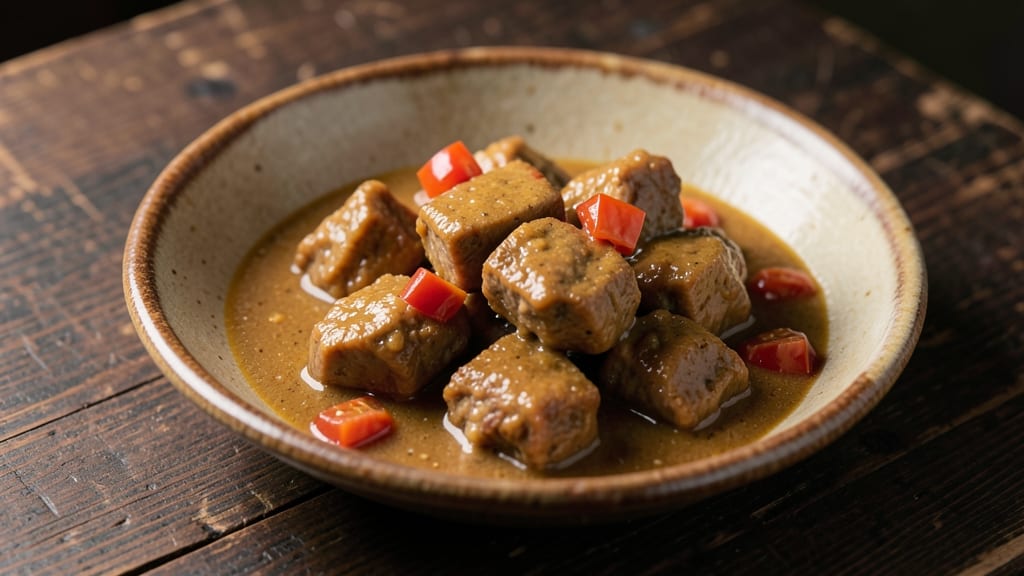
This pork caldereta recipe with peanut butter transforms a Filipino classic into a rich, nutty masterpiece that balances creamy peanut depth with the familiar comfort of braised pork and coconut milk.
The secret lies in a slow-cooked tomato base that develops into a velvety sauce, then gets elevated by smooth peanut butter for a texture and flavor profile that's both indulgent and satisfying.
I developed this version after years of perfecting the traditional method—adding peanut butter creates a luxurious contrast that keeps every bite exciting.
The beauty of this dish is its versatility—it delivers restaurant-quality comfort without requiring advanced techniques. You'll start with pork shoulder, seared and braised until fork-tender, then build layers of flavor through a tomato-peanut sauce that simmers until thick and aromatic.
The peanut butter doesn't just add creaminess; it brings nutty depth that pairs perfectly with the sweetness of tomatoes and the richness of coconut milk. Professional results start with simple steps: proper browning of the meat, careful sauce reduction, and patience during the braising process.
What you'll end up with is a dish that's equal parts comforting and sophisticated—a deep, caramelized sauce clinging to tender pork chunks, all balanced by the smooth, nutty undertones of peanut butter.
The aroma alone will have everyone gathering at the table, and the first bite delivers that perfect harmony of textures: tender meat, velvety sauce, and just the right amount of peanutty richness.
This is the kind of meal that feels like a hug in a bowl, with enough depth to impress even the most discerning guests.
Serve it over steamed jasmine rice to soak up every last drop of that luxurious sauce, or pair with roasted vegetables for a complete meal. The leftovers only get better as flavors meld further, making this an ideal dish for meal prep or feeding a crowd.
Let's get cooking—this caldereta will become your new go-to comfort dish.
Ingredients for pork caldereta recipe with peanut butter
Sixteen ingredients that transform simple pork into a rich, nutty Filipino masterpiece.
| Ingredient | Amount | Notes |
|---|---|---|
| Pork Shoulder 🥩 | 3 lb | Bone-in preferred for flavor |
| Coconut Milk 🥥 | 13 ½ oz | Full-fat canned coconut milk |
| Peanut Butter 🥜 | ½ cup | Smooth, unsweetened preferred |
| Tomato Sauce 🍅 | 28 oz | Canned San Marzano if possible |
| Onion 🧅 | 1 whole | Yellow, diced small |
| Garlic Cloves 🧄 | 8 cloves | Minced for sauce |
| Olive Oil 🫒 | ¼ cup | Extra-virgin for richness |
| Soy Sauce 🍶 | 2 tbsp | For umami depth |
| Brown Sugar 🍚 | 2 tbsp | Light or dark works |
| Apple Cider Vinegar 🍏 | 1 tbsp | For brightness |
| Bay Leaves 🌿 | 2 whole | Fresh if available |
| Salt 🧂 | 1 ½ tsp | Kosher or sea salt |
| Black Peppercorns 🌶️ | ½ tsp | Freshly cracked |
| Jasmine Rice 🍚 | 2 cups | Uncooked, for serving |
The pork shoulder is non-negotiable here—bone-in adds flavor, but Costco or Trader Joe's sell pre-cut, marbled cuts that save time. Look for good fat cap; it renders into the sauce for richness. Coconut milk matters too—full-fat canned (like Thai Kitchen brand) delivers the creamiest texture. The peanut butter should be smooth, unsweetened—creamy varieties work best, but crunchy adds texture if you're feeling adventurous. For tomato sauce, San Marzano cans are worth the splurge if you can find them—they're sweeter and less acidic than regular brands.
No smooth peanut butter? Crunchy works at half the amount, but expect texture differences. Short on tomato sauce? Crushed tomatoes plus a pinch of sugar gets you close. The soy sauce can be swapped for coconut aminos if you're avoiding gluten. Brown sugar substitutes? Coconut sugar or honey both work beautifully. Garlic can be roasted (wrap whole cloves in foil, broil 5 minutes) for a sweeter, deeper flavor—trust me on this. And if you're using dried bay leaves, crush them lightly before adding to release the oils.
Pork keeps 3-4 days in the fridge—seal it well to prevent drying. Coconut milk and peanut butter stay fresh 6 months unopened, but once opened, refrigerate both and use within 2 weeks. The sauce actually improves overnight, so make extra if you're feeding a crowd. Portion into containers for easy reheating—just add a splash of water or coconut milk if it thickens too much. Freezes beautifully for up to 3 months, though texture may separate slightly upon thawing.
Why You'll Love This Recipe
- One-Pot Magic: I swear by this recipe when I’m too tired to scrub pots. Toss everything—pork, onion, tomato sauce—into one deep skillet, simmer, then stir in that peanut butter at the end. The coconut milk thickens into a luscious sauce while you’re still chopping veggies, and honestly? No extra bowls means less cleanup.
- Peanut Butter Twist: Between us, the peanut butter isn’t just a weird addition—it’s the star. That creamy richness cuts through the savory pork and tangy tomato sauce, giving it a depth you won’t find in your basic caldereta. (Yes, even my peanut-hating husband asks for seconds.)
- Weeknight to Potluck: This dish works when you’re scrambling for dinner or planning a party. The flavors get better the next day, so I double the batch and serve it over rice for a crowd. My kids love it cold in lunchboxes, and adults? They’ll think you slaved over it.
- Budget-Friendly Feast: Pork shoulder is cheap, and you’re using pantry staples like peanut butter and coconut milk. A single batch feeds four for under $15, and leftovers reheat like a dream. I’ll be real: this is the kind of meal that makes grocery day feel like a win.
Step-by-step instructions for pork caldereta with peanut butter
This rich, comforting dish comes together with simple steps that build incredible depth of flavor.
Sear the Pork Shoulder for Maximum Flavor
Heat the 0.25 cup olive oil in a large Dutch oven over medium-high heat until shimmering. Pat the 3 lb pork shoulder dry with paper towels—this ensures a proper sear. Working in batches to avoid crowding, brown the pork on all sides until deeply golden, about 8-10 minutes total. You'll see the fat render out and the meat develop a rich crust.
As you sear, I like to press down gently on the pork with a spatula during the first minute—this prevents it from curling and ensures even contact with the pan. Once browned, remove the pork and set it aside on a plate. Don't drain the Dutch oven yet; those flavorful browned bits are the foundation of your sauce.
Build the Peanut-Coconut Sauce Base
In the same Dutch oven, reduce the heat to medium and add the 1 whole onion and 8 cloves garlic cloves that you've minced. Cook for 5-6 minutes until the onions soften and turn translucent, stirring occasionally. Here's where the magic begins—add the 28 oz tomato sauce, 13.5 oz coconut milk, 0.5 cup peanut butter, 2 tbsp soy sauce, 2 tbsp brown sugar, and 1 tbsp apple cider vinegar.
Stir everything together and bring to a gentle simmer. The peanut butter will initially make the sauce look thick, but don't worry—it will emulsify beautifully as it heats. Add the 2 whole bay leaves, 1.5 tsp salt, and 0.5 tsp black peppercorns, then return the pork shoulder to the pot, fat-side up. This ensures the pork stays moist as it cooks.
Slow Cook Until Tender and Flavorful
Cover the Dutch oven and transfer it to a preheated 300°F oven. Here's the key: cook the pork for 3-4 hours until it's fork-tender. The sauce should reduce slightly, coating the pork in a glossy, peanutty-coconut blanket. I check for doneness by piercing the thickest part of the meat—it should slide in easily with minimal resistance.
About 30 minutes before the pork is done, give the sauce a quick stir. The peanut butter should be fully incorporated, creating a velvety texture. If the sauce looks too thick, add 2-3 tablespoons of water to loosen it. The pork should be falling off the bone, and the sauce should have a rich, aromatic depth from all the slow-cooked flavors.
Prepare the Jasmine Rice for Serving
While the pork cooks, rinse the 2 cups jasmine rice under cold water until the water runs clear. This removes excess starch and prevents gummy rice. In a separate pot, bring 3 cups of water to a boil, add the rice, reduce heat to low, cover, and simmer for 15 minutes. Then turn off the heat and let it steam, covered, for another 10 minutes. Fluff with a fork before serving.
The rice should be light and fluffy, with each grain distinct. The jasmine rice's natural fragrance pairs beautifully with the rich, nutty sauce. Serve the pork sliced or pulled apart over the rice, ladling the peanut-coconut sauce generously on top. The combination of tender pork, creamy sauce, and fragrant rice makes this dish a true comfort food experience.
Pro Tips For Making Pork Caldereta Recipe With Peanut Butter
- SEAR THE PORK FIRST: Don’t skip browning that pork shoulder—it’s the flavor anchor. Hit medium-high heat with 1 tablespoon oil, then let the meat develop a deep crust before pulling it out. I learned this the hard way after making a pale, bland version that tasted like it was missing something.
- WHISK PEANUT BUTTER SMOOTH: Stir peanut butter into the coconut milk before adding it to the pot—this prevents clumpy, greasy bits. Use a fork or whisk until fully emulsified, then pour in. (Yes, even if you’re impatient like me.)
- LOW AND SLOW AFTER BOIL: Once the sauce starts simmering, drop the heat to the lowest setting you can tolerate. Caldereta needs 1.5–2 hours to let flavors meld—rushing it turns the peanutty richness into a sad, watery mess.
- TOAST THE ONIONS: Caramelize those onions until they’re golden and jammy before adding tomato sauce. Takes 10–15 minutes, but it cuts through the peanut butter’s heaviness and adds depth. (Skip this, and you’ll regret it.)
Make-ahead tips for this pork caldereta recipe with peanut butter
Prep Ahead Like a Pro
Start your prep the night before by cutting the 3 lb pork shoulder into 2-inch chunks and storing them in a sealed container in the fridge. This saves 15 minutes of chopping on cooking day.
I also like to measure out all my sauce ingredients—28 oz tomato sauce, 13.5 oz coconut milk, and 0.5 cup peanut butter—into a mixing bowl. This way, everything's ready when you need it. 💡
Sauce Prep Shortcut
Make the sauce base a day ahead and store it in an airtight container in the fridge. Just combine the tomato sauce, coconut milk, peanut butter, soy sauce, and brown sugar in a saucepan and simmer for 10 minutes until slightly thickened.
When you're ready to cook, simply add the prepped pork and bay leaves, then proceed with the slow cook. The flavors meld beautifully overnight!
Pork Braising Timeline
For maximum convenience, brown your pork the day before and refrigerate it in the sauce mixture. Cover tightly and store in the fridge for up to 24 hours.
When ready to finish cooking, transfer the entire pot to a 300°F oven and cook for 2-3 hours until the pork is tender. This method saves 1 hour of active cooking time on the day you serve it.
Rice Prep Strategy
Cook your 2 cups jasmine rice a day ahead and store it in an airtight container at room temperature. The rice stays fluffy for 24 hours this way. Reheat portions in the microwave with a splash of water for 1-2 minutes before serving.
This ensures your rice is always fresh and ready to pair with the rich caldereta sauce.
Freezer-Friendly Sauce
If you're making this for a crowd, prepare the entire dish ahead and freeze it in portions. Let the pork and sauce cool completely, then transfer to freezer-safe containers.
When ready to serve, thaw in the fridge overnight, then reheat in a pot with 2-3 tablespoons of water over medium-low heat for 10-15 minutes. The sauce will re-emulsify beautifully, and the pork will stay tender.
Garnish Fresh for Serving
Keep garnishes like sliced green onions or fresh cilantro separate until serving. Store them in a sealed container in the fridge for up to 3 days. This keeps them vibrant and adds a bright contrast to the rich, peanutty sauce.
A sprinkle of toasted sesame seeds or a drizzle of chili oil can also elevate the dish right before serving. ✨
Nutrition facts
Frequently asked questions
Why does this recipe use peanut butter in a traditional caldereta?
The peanut butter adds a luxurious creaminess and nutty depth that balances the rich coconut and tangy tomato flavors. It creates a velvety texture while complementing the pork's savory notes—think of it as a modern twist on the classic Filipino comfort dish. The smooth variety works best for an even consistency.
Can I substitute coconut milk with another dairy option?
While coconut milk is essential for authentic flavor, you can use half-and-half or heavy cream in a pinch—but expect a different taste profile. For the peanut-coconut fusion to work, coconut milk's natural sweetness and fat content are key. If avoiding dairy, coconut cream (thicker than milk) is your next best option.
How do I fix a sauce that separates after adding peanut butter?
Simmer the sauce for 2-3 extra minutes on low heat while stirring constantly. The peanut butter will re-emulsify as it warms. If it still separates, whisk in 1 tablespoon of cold water while simmering—this helps bind the ingredients. The key is patience; don't rush the process!
What's the best way to serve leftovers?
Store leftovers in an airtight container for 3-4 days in the fridge. Reheat gently in a pot with 2 tablespoons of water over low heat until warmed through. For extra richness, add a splash of coconut milk when reheating. The sauce actually improves overnight as flavors meld!
Can I make this in a slow cooker instead of the oven?
Brown the pork as directed, then transfer everything to a slow cooker and cook on low for 6-8 hours or high for 4-5 hours. The slow cooker's gentle heat works perfectly for tenderizing the pork while developing the peanut-coconut sauce. Just stir occasionally to prevent sticking.