
Side Dishes
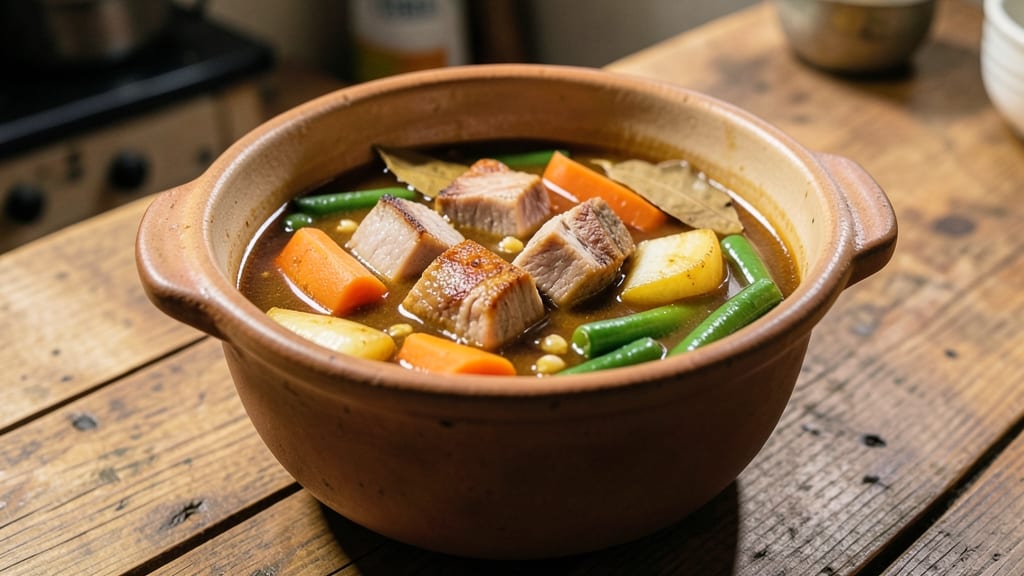
This one-pot panlasang Pinoy pork and beans recipe brings the heartwarming flavors of Filipino home cooking to your table—rich, savory, and packed with that signature umami depth. 🔥 Growing up, my abuela's version simmered for hours, transforming simple ingredients into a dish that fed the whole family.
The secret lies in balancing soy sauce, garlic, and ginger, letting them meld into a velvety sauce that coats tender pork and hearty beans.
What makes this recipe special is its simplicity—just a handful of ingredients, all working together in a single pot. The pork gets beautifully tender through slow cooking, while the beans absorb the aromatic sauce, creating a dish that's both comforting and satisfying.
It's the kind of meal that reminds you of home, even when you're miles away.
By the time you're done, you'll have a steaming pot of Filipino-style pork and beans that's perfect for weeknight dinners or family gatherings. The aroma alone will have everyone gathering around the table, and the first bite delivers that perfect balance of savory, slightly sweet, and tangy flavors.
Serve it with steamed rice for the full experience.
This recipe is designed to be flexible—use canned beans for speed or dried beans for extra flavor. The slow-cooked method ensures tender pork and rich sauce, making it a true comfort dish. Let's get cooking!
Ingredients for pork and beans recipe panlasang pinoy
Six ingredients transform into this Filipino one-pot comfort dish, rich with umami and family warmth.
| Ingredient | Amount | Notes |
|---|---|---|
| Pork Shoulder 🥩 | 2 lb | Cut into 1-inch cubes |
| Large Yellow Onion 🧅 | 1 whole | Chopped into wedges |
| Garlic Cloves 🧄 | 6 cloves | Minced for depth of flavor |
| Fresh Ginger 🌿 | 1 tbsp | Grated, aromatic base |
| Canned Diced Tomatoes 🍅 | 14 ½ oz | High-quality, no salt added |
| Soy Sauce 🥄 | ½ cup | Dark soy for rich color |
| Coconut Milk 🥥 | 13 ½ oz | Full-fat for creaminess |
| Large Carrots 🥕 | 2 whole | Cut into thick slices |
| Green Beans 🌱 | 1 lb | Trimmed, whole pods |
| Bay Leaves 🌿 | 2 whole | For aromatic depth |
| Black Peppercorns 🌶️ | 1 tsp | Freshly ground preferred |
| Salt 🧂 | 1 ½ tsp | Adjust to taste |
| Vegetable Oil 🫒 | 2 tbsp | For searing pork |
The pork shoulder is the heart of this dish—look for well-marbled cuts at your local butcher or Costco for the best flavor. I always buy it a day ahead to let it sit at room temperature before cooking, which helps it render fat beautifully. The green beans should be crisp—avoid anything wilted or slimy. For the coconut milk, Aroy-D or Grocery Outlet brands are budget-friendly and work perfectly. Fresh ginger is a must; dried just doesn't cut it here. If you can't find it, substitute 1 tsp ground ginger, but it won't be the same.
No soy sauce? Coconut aminos works in a pinch, though the color won't be as rich. The canned tomatoes should be no-salt-added—Muir Glen or Del Monte are reliable brands. If you're using dried beans instead of canned, soak them overnight for the best texture. The carrots can be baby carrots if that's what you've got, but whole carrots add more rustic charm. For extra depth, toast the bay leaves in the oil for 30 seconds before adding everything else—trust me on this.
This dish tastes even better the next day as flavors meld. Store leftovers in an airtight container in the fridge for up to 5 days. Freezes beautifully for 3 months—portion into containers so you can grab and reheat for quick lunches. The sauce thickens as it cools, so add a splash of water or coconut milk when reheating if it seems too stiff. Serve with steamed rice to soak up every last drop of that savory sauce.
Why You'll Love This Recipe
- One-Pot Magic: I swear by this recipe—just brown the pork shoulder, toss in the onions and garlic, then let the tomatoes and ginger work their sauce magic. No extra pots, no stress, and that deep, caramelized flavor? Pure reward.
- Ginger-Garlic Bomb: That fresh ginger and garlic combo? It’s the secret weapon. The pork gets tender while the aromatics build layers of warmth—like a hug in a bowl. (Yes, even on a Tuesday night.)
- Meal Prep MVP: This keeps perfectly for days, so I make a big batch and reheat it for lunches. The pork stays juicy, the beans hold their shape, and honestly? It’s the only recipe my picky dad won’t skip.
- Budget Stretch: Pork shoulder is cheap, canned tomatoes save time, and one big pot feeds four for under $15. Leftovers? Even better—freeze half for lazy days. My wallet and future self thank me.
Step-by-step instructions for Filipino-style pork and beans
Here's how to create this hearty Filipino one-pot with rich flavors and tender pork.
🔥 Step 1: Sear the Pork Shoulder for Deep Flavor
Heat the 2 tablespoons vegetable oil in a large Dutch oven over medium-high heat until shimmering. Add the 2 lb pork shoulder cut into 1-inch cubes, working in batches if needed, and sear for 4-5 minutes per side until golden brown and slightly crispy on the edges.
This step builds the foundation of your dish by developing a rich, caramelized crust on the pork. Don't rush this—you want that deep, meaty flavor that infuses the entire stew. Once all pork is browned, remove it from the pot and set aside temporarily.
🍳 Step 2: Build the Aromatic Base
In the same Dutch oven, add the 1 whole large yellow onion chopped into wedges and cook for 3-4 minutes until softened and starting to brown at the edges. Add the 6 cloves garlic cloves (minced) and the 1 tablespoon fresh ginger (grated), cooking for another 1 minute until fragrant.
Here's where the magic happens—the combination of onion, garlic, and ginger creates that unmistakable Filipino flavor profile. You'll know it's ready when the garlic turns golden and you can smell that aromatic punch. This base will carry through the entire dish, so don't skip this step.
🥘 Step 3: Simmer the Pork in Tomato-Coconut Base
Return the seared pork to the pot and add the 14.5 oz canned diced tomatoes, 0.5 cup soy sauce, 13.5 oz coconut milk, 2 whole bay leaves, 1 teaspoon black peppercorns, and 1.5 teaspoons salt. Stir well to combine, then bring to a gentle simmer over medium-low heat. Cover and let cook for 45-50 minutes, stirring occasionally.
This simmering time is crucial—it allows the pork to become fork-tender while the flavors meld together. You'll notice the coconut milk will separate slightly, which is normal. If the mixture looks too thin, you can reduce it slightly by simmering uncovered for the last 10 minutes to thicken the sauce.
🍲 Step 4: Add Vegetables for Color and Crunch
After the pork has simmered, add the 2 whole large carrots (cut into thick slices) and 1 lb green beans (trimmed). Stir gently to combine, then continue simmering for another 15-20 minutes until the carrots are tender but still hold their shape and the green beans are bright green and crisp-tender.
The vegetables should retain some bite—overcooking will turn them mushy. The green beans should be bright green and slightly crisp, while the carrots should be easily pierced with a fork but not falling apart. This balance of textures is what makes this dish so satisfying.
⏰ Step 5: Final Adjustments and Resting
Remove the 2 whole bay leaves and taste the stew. Adjust seasoning with additional salt or soy sauce if needed. Let the pork and beans rest for 10 minutes before serving—this allows the flavors to settle and the juices to redistribute throughout the dish.
Serve this comforting Filipino one-pot hot, straight from the Dutch oven. The tender pork, rich coconut-tomato sauce, and fresh vegetables come together in perfect harmony. This dish tastes even better the next day as the flavors continue to develop, making it perfect for meal prep and leftovers.
Pro Tips For Making Pork And Beans Recipe Panlasang Pinoy
- Brown the Pork First: I learned this the hard way—skipping the deep sear means your pork will turn out mushy instead of tender. Cut the shoulder into 2-inch chunks, heat your pot on medium-high, and let them sit undisturbed for 4-5 minutes until they develop a rich crust. This isn’t just about flavor; it’s what keeps the meat from falling apart later.
- Slice the Onion Thin: Sounds like a small detail, but thick onion slices take forever to soften and leave you with chewy bits. Use a sharp knife and slice the yellow onion paper-thin—almost translucent—so it melts into the sauce in 10 minutes, not 30. (Yes, even if you’re impatient like me.)
- Add Tomatoes Early: Dumping the canned tomatoes at the end turns your dish into a watery stew. Stir them in with the garlic and ginger after the onions soften—this lets their acidity break down the pork and build flavor instead of just sitting there looking sad. Your sauce will be richer, not thinner.
- Deglaze with Soy Sauce: After browning the pork, don’t just add water. Splash in 2 tablespoons of soy sauce (or 1 if you’re sensitive to salt) right away—it lifts all those caramelized bits from the bottom and gives the dish that deep umami kick from the start. (Your future self will thank you.)
Flavor customization for this pork and beans recipe panlasang pinoy
Spicy Kick
For those who love heat, add 1-2 tablespoons of chili flakes or 1-2 slices of fresh chili (like siling labuyo) when searing the pork. I like to toast the chili flakes in the oil for 30 seconds before adding the onions to deepen their flavor.
If you're feeling adventurous, add 1 teaspoon of calamansi juice or lime juice at the end for a tangy, spicy finish. 🌶️
Sweet-Tangy Twist
Balance the savory flavors with a touch of sweetness by adding 2 tablespoons of brown sugar or 1 tablespoon of honey when you add the soy sauce and coconut milk. For extra tang, stir in 1 tablespoon of vinegar (I prefer cane vinegar) during the final 10 minutes of cooking.
This adds a bright contrast that cuts through the richness of the pork and coconut.
Herb-Infused Variation
Fresh herbs elevate this dish to restaurant-quality. After removing the bay leaves, add 2 tablespoons of chopped cilantro or 1 tablespoon of chopped parsley just before serving. For a more complex flavor, try ½ teaspoon of dried lemongrass or 1 tablespoon of minced lemongrass when building the aromatic base.
I also love adding a few sprigs of fresh thyme during the simmer for an earthy depth.
Creamy Coconut Boost
For a richer, creamier sauce, stir in ½ cup of coconut cream (the thick part from a can of coconut milk) during the final 10 minutes of cooking. This adds a luxurious texture that pairs beautifully with the tender pork.
If you're using canned beans, consider adding ½ cup of coconut milk directly to the beans while they simmer to soften them and infuse them with flavor.
Smoky Depth
Infuse the dish with smoky notes by adding ½ teaspoon of smoked paprika or 1 teaspoon of liquid smoke when building the aromatic base. For a more intense smoke flavor, char the onions and garlic slightly by searing them longer over medium-high heat until they develop a slight char.
This technique adds a smoky complexity that pairs perfectly with the coconut and soy sauce flavors. 🔥
Umami Bomb
Take your dish to the next level by adding 1 tablespoon of fish sauce or 1 teaspoon of oyster sauce when you add the soy sauce and coconut milk. These umami-rich ingredients deepen the savory profile of the dish.
For an extra boost, add 1 tablespoon of soy sauce-reduced mushroom powder (like Better Than Bouillon) to the base for a meaty, umami-packed flavor without the need for actual mushrooms.
Nutrition facts
Frequently asked questions
Can I use dried beans instead of canned?
For best results, soak 1 cup dried beans overnight in water with a pinch of salt, then drain before adding to the pot. They'll need an extra 30-45 minutes of simmering time to soften completely. The texture will be slightly firmer than canned beans, which adds nice contrast to the tender pork.
What's the best cut of pork for this dish?
Pork shoulder is ideal because it stays tender while developing rich flavor during the long simmer. For extra juiciness, look for well-marbled cuts. If you prefer leaner meat, pork loin works but may dry out faster—reduce simmering time to 30 minutes after adding vegetables. Never use ground pork as it won't hold up in the stew.
How can I make this dish spicier?
Add 1-2 tablespoons of chili flakes when searing the pork, or stir in 1-2 chopped siling labuyo peppers with the tomatoes. For heat lovers, finish with 1 teaspoon of calamansi or lime juice—it brightens the flavors while adding a tangy kick. Toast the chili flakes in oil for 30 seconds first to deepen their flavor.
Can I prepare this in a slow cooker?
Yes! Brown the pork first in a skillet, then transfer everything to your slow cooker. Cook on low for 6-7 hours or high for 3-4 hours. The low-and-slow method makes the pork incredibly tender. Add vegetables in the last 30 minutes to prevent overcooking. The sauce will be thicker due to the longer cooking time.
What are the best sides to serve with this?
Steamed jasmine rice is traditional, but you can also serve with garlic fried rice or fluffy rice cakes. For extra Filipino flair, add atchara (pickled papaya) or a simple ensaladang talong (eggplant salad). The tangy crunch cuts through the richness of the pork and coconut sauce beautifully.