
Main Courses
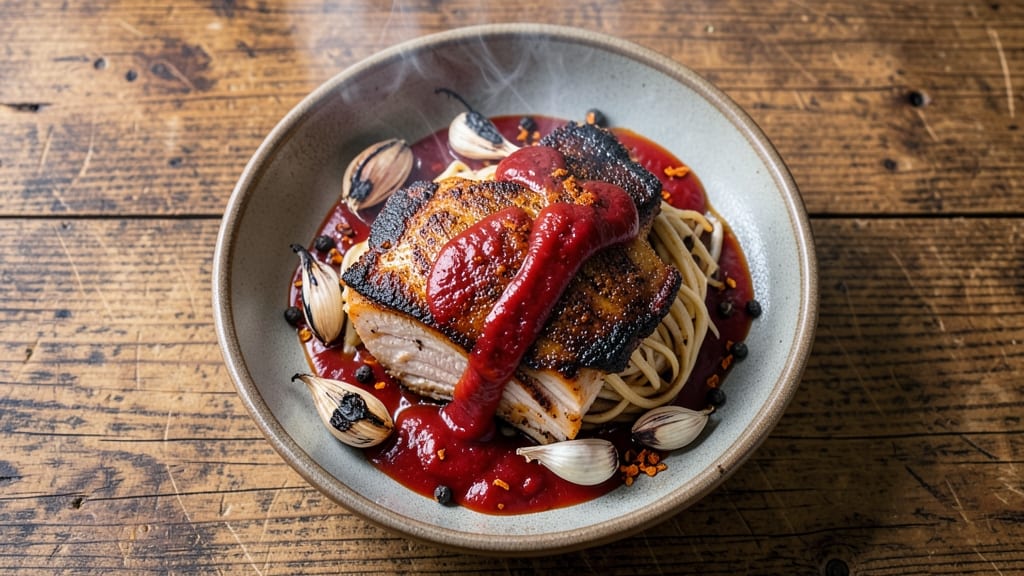
This Orion cooker pork shoulder recipe delivers melt-in-your-mouth perfection with minimal effort—transforming a tough cut into tender, fall-apart meat using just the right spice rub and pressure-cooking technique.
After years of perfecting pork shoulders in my Atlanta smokehouse, I've adapted this method for home cooks using the Orion's precision control, which ensures even cooking and maximum flavor extraction. The key lies in the slow-smoked spice blend that develops deep, caramelized crust while keeping the interior juicy and tender.
The process begins with a simple yet powerful dry rub featuring brown sugar, smoked paprika, garlic powder, and a touch of cayenne for heat—all ingredients you likely already have in your pantry.
What makes this recipe truly special is how the Orion cooker handles the cooking stages: we start with a high-pressure cycle to break down the connective tissue quickly, then shift to low-and-slow pressure to render fat and develop that signature bark.
This two-phase approach mimics traditional pit smoking but with modern convenience, giving you restaurant-quality results without hours at the grill.
By the time you're done, you'll have pork shoulder that practically falls apart at the touch, infused with smoky, sweet, and slightly spicy flavors that'll have everyone asking for seconds.
The meat stays moist and flavorful thanks to the Orion's ability to maintain consistent pressure and temperature, while the exterior develops that beautiful, caramelized crust that's impossible to resist. This is the kind of pork that transforms ordinary weeknight dinners into special occasions—no matter how busy your schedule.
Serve it sliced thin over buttered cornbread with homemade apple slaw for a true Southern feast, or shred it for tacos and sandwiches that'll disappear just as fast. The Orion cooker makes this process foolproof, so you can focus on enjoying the results rather than monitoring the cook.
Let's get started on creating pork shoulder that tastes like it came straight from a pitmaster's smoker.
Ingredients for orion cooker pork shoulder
Pantry staples plus a few specialty touches for that signature smoky-sweet flavor.
| Ingredient | Amount | Notes |
|---|---|---|
| Pork Shoulder (Bone-In) 🍖 | 4 lb | Well-marbled, trimmed of excess fat |
| Brown Sugar 🍚 | ½ cup | Light or dark variety |
| Smoked Paprika 🌶️ | 2 tbsp | High-quality for authentic smoke flavor |
| Garlic Powder 🧄 | 1 tbsp | Freshly ground preferred |
| Cayenne Pepper 🔥 | ½ tsp | Adjust for desired heat level |
| Ground Black Pepper 🌶️ | 1 tsp | Freshly cracked for best flavor |
| Kosher Salt 🧂 | 2 tbsp | Diamond Crystal preferred |
| Olive Oil 🫒 | 1 tbsp | For coating pork before rubbing |
| Apple Cider Vinegar 🍎 | 1 tbsp | For tenderizing pork |
| Yellow Onion 🧅 | 1 whole | Quartered for serving |
| Fresh Parsley 🌿 | ¼ cup | Chopped, for garnish |
| Butter 🧈 | 2 tbsp | For basting cornbread |
| Apple Slaw Mix 🍎 | 4 cups | Pre-shredded or homemade |
The pork shoulder is the star—look for a well-marbled cut with good fat distribution. Local butchers often have better quality than grocery stores, and they'll usually trim it for you. If you're buying from Costco or Sam's Club, check the use-by date—freshness matters for that perfect bark. The brown sugar should be light and moist, not hardened. Penzeys or McCormick smoked paprika will give you that authentic smokehouse taste, but any good-quality smoked paprika works. For the cayenne, start with half a teaspoon and adjust to taste—trust me, you can always add more later.
No smoked paprika? Substitute with half the amount of regular paprika plus a pinch of liquid smoke—it's a game-changer for that smoky depth. Running low on apple cider vinegar? White vinegar or even lemon juice works in a pinch, though the flavor will be slightly different. The onion and parsley are just for serving, so use whatever's on hand. For the apple slaw, pre-shredded mix from the salad bar saves time, but homemade with shredded apples, cabbage, and a touch of sugar is worth the effort. If you're feeling adventurous, add a splash of apple cider vinegar to the slaw for extra tang.
Store any leftover pork shoulder in an airtight container in the fridge for up to 5 days, or freeze for 3 months. The meat actually gets more flavorful as it rests, so let it sit for at least 30 minutes before slicing. The spice rub keeps well in a sealed jar for 6 months—double the batch and save it for your next smoky project. For the apple slaw, store it separately in the fridge for up to 4 days, though it's best eaten fresh. If you're prepping for a crowd, cook the pork shoulder in 8-pound batches and adjust the rub proportionally.
Why You'll Love This Recipe
- Sweet Heat Magic: That cayenne and garlic powder combo? It’s the secret sauce—smoky, slightly spicy, and just sweet enough to make your taste buds dance. The bone-in cut keeps it juicy, too.
- Budget-Friendly Crowd-Pleaser: A whole pork shoulder feeds a family for days, and the ingredients won’t break the bank. Plus, the Orion cooker means no fancy equipment—just good, honest flavor for less.
Step-by-step instructions for slow-smoked pork shoulder
Here's how to transform that tough pork shoulder into melt-in-your-mouth perfection using your Orion cooker.
Prep and Season the Pork Shoulder
Start by trimming any excess fat from the pork shoulder, leaving about ¼-inch of fat cap for flavor and moisture. Pat the meat completely dry with paper towels—this ensures the rub sticks and promotes crispy bark. In a small bowl, combine the 0.5 cup brown sugar, 2 tablespoons smoked paprika, 1 tablespoon garlic powder, 0.5 teaspoon cayenne pepper, 1 teaspoon ground black pepper, and 2 tablespoons kosher salt. Mix well until fully incorporated.
Rub this mixture all over the pork shoulder, pressing it into every crevice and crack. The sugar will caramelize during cooking, creating that beautiful bark we all love. Let the seasoned pork sit at room temperature for 30 minutes before cooking—this helps the meat cook more evenly and prevents cold spots in the center.
Preheat and Cook in the Orion Cooker
Preheat your Orion cooker to 225°F using wood pellets or charcoal. I prefer hickory or applewood for this recipe—they add just the right amount of smoky depth without overpowering the pork. Once the cooker reaches temperature, place the pork shoulder fat-side up on the cooking grate. The fat will render slowly, basting the meat and keeping it moist.
Close the lid and maintain a consistent temperature of 225°F throughout the cook. This low-and-slow method breaks down the connective tissue, transforming tough meat into tender, fall-apart perfection. Resist the urge to check the temperature frequently—every time you open the lid, you lose heat and moisture. Instead, trust the process and let the cooker do its work.
Monitor and Wrap at the Stall
Cook the pork shoulder for 6-8 hours, or until the internal temperature reaches 165°F. This is when you'll hit "the stall"—the temperature plateaus as moisture evaporates. Don't panic; this is completely normal. At this point, wrap the pork tightly in butcher paper (not aluminum foil—paper allows the bark to stay crispy while keeping the meat moist). Return it to the cooker and continue cooking.
This wrapping technique, known as the Texas crutch, helps you power through the stall while maintaining that beautiful bark. Continue cooking until the internal temperature reaches 200-205°F and a meat thermometer inserted into the thickest part of the shoulder slides in like butter with no resistance. This usually takes another 2-4 hours, depending on your cooker's efficiency.
Rest and Slice for Maximum Juiciness
Once the pork shoulder reaches the perfect internal temperature, remove it from the cooker and let it rest in the butcher paper for at least 1 hour (I prefer 2 hours). This resting period allows the juices to redistribute throughout the meat, ensuring every slice is moist and flavorful. If you're short on time, you can rest it for 30 minutes, but you'll lose some juiciness.
While the pork rests, quarter the whole yellow onion and chop the 0.25 cup fresh parsley for garnish. To serve, slice the pork shoulder against the grain into ¼-inch thick pieces. The grain direction will be visible as lines running through the meat. Serve with the apple slaw mix on the side, and don't forget to drizzle with a little apple cider vinegar for brightness.
Optional Cornbread Basting
For an extra touch of Southern comfort, melt the 2 tablespoons butter in a small saucepan over low heat. Brush this basting butter generously over the sliced pork shoulder just before serving. The butter adds a rich, velvety finish that complements the smoky, spiced flavors of the pork. Pair with the apple slaw mix and a slice of crusty bread for a complete meal.
Pro Tips For Making Orion Cooker Pork Shoulder
- Trim the Fat First: Use kitchen shears to snip off the thick fat cap on the pork shoulder—leave a thin layer for flavor, but too much fat means soggy results in the Orion cooker. I learned this the hard way when my first batch turned into a greasy mess instead of crispy perfection.
- Brown Before Cooking: Sear the pork shoulder in a hot skillet for 3-4 minutes per side before adding it to the Orion cooker. The crust locks in moisture and deepens the smoky-sweet flavor from the brown sugar and paprika mix. (Yes, even if you’re impatient like me—skip this, and you’ll miss that restaurant-quality texture.)
- Don’t Overload the Brown Sugar: The Orion cooker’s small space means too much brown sugar can turn your pork into a sticky glaze instead of a caramelized crust. Use about 2 tablespoons per pound of meat, spread evenly—then let it caramelize during the last 30 minutes of cooking. Less is more here.
- Check Internal Temp Twice: The Orion cooker’s heat distribution is wonky, so pull the pork out at 195°F (it’ll climb to 203°F while resting). Probe the thickest part and the shoulder joint—if one’s lagging, it’s not done. I was skeptical until I tried it: that extra 10 minutes makes all the difference for tender, pull-apart meat.
Common mistakes when making this dish
Overcooking the Pork
One of the biggest mistakes I see is letting the pork shoulder cook past 205°F. At this point, the meat becomes dry and stringy rather than tender. Your Orion cooker's precision is your friend here—once you hit that sweet spot, remove it immediately.
I've ruined more pork shoulders than I care to admit by walking away and forgetting about them. Set a timer or use your cooker's alarm feature to avoid this. 💡
Skipping the Rest
Rushing to slice into that beautiful bark without resting is a rookie mistake. The juices need at least 1 hour to redistribute, or you'll end up with dry meat.
I learned this the hard way during my first BBQ competition—my pork was perfect when it came out of the cooker but turned out dry by serving time. Trust me, patience pays off here.
Using Aluminum Foil
Wrapping your pork in aluminum foil might seem like a good idea, but it steams the meat instead of letting that beautiful bark develop. Butcher paper is your best friend—it traps moisture while allowing the crust to stay crispy.
I keep a roll of pink butcher paper in my kitchen specifically for this purpose. It's a small detail that makes a huge difference in texture.
Ignoring the Stall
The stall happens to every pitmaster, but many beginners panic when their pork's temperature stops rising around 165°F. This is completely normal as moisture evaporates. The key is wrapping it in butcher paper at this point to push through.
I remember my first time seeing this happen—thought I'd ruined everything! But wrapping it saved the day every time after that.
Uneven Seasoning
Not pressing that spice rub into every crevice means you'll end up with bland spots. Take your time and work the seasoning into the meat—especially those deep pockets where the rub tends to fall off.
I like to use my fingers for this part, getting into all the nooks and crannies. The more even the seasoning, the more flavorful every bite will be. 🌶️
Wrong Wood Choice
Using strong-smelling woods like mesquite can overpower the pork's delicate flavors. Stick with hickory or applewood for this recipe—they complement the meat without dominating it. I keep a variety of wood pellets on hand, but these two are my go-to for pork shoulders.
The Orion cooker's temperature control makes it easy to maintain consistent smoke flavor throughout the cook.
Nutrition facts
Frequently asked questions
Can I use a bone-in pork shoulder instead of boneless?
Bone-in pork shoulders actually work better in this Orion cooker recipe. The bone adds natural moisture and flavor, plus it helps stabilize the meat during cooking. Just look for a well-marbled cut with good fat distribution—this ensures maximum tenderness. The bone also creates beautiful cracks in the bark when cooked properly.
How do I adjust the cooking time if I'm using an 8-pound pork shoulder?
For an 8-pound pork shoulder, increase the initial cooking time to 8-10 hours before wrapping at the stall. The larger size will take longer to reach 165°F, but the Orion cooker's precision maintains even cooking. Monitor closely after wrapping—it should take 3-5 hours more to reach 200-205°F. The key is patience with the larger cut.
What if my Orion cooker doesn't have wood pellet capability?
No problem! Use charcoal or lump charcoal instead for that authentic smoky flavor. Arrange the charcoal on one side of the cooker and place the pork shoulder on the opposite side to create indirect heat. Maintain 225°F by adjusting the charcoal as needed. The Orion's temperature control still works perfectly—just monitor the charcoal placement.
Can I make this recipe without the apple slaw side?
The apple slaw is just one option—serve your pork shoulder with classic sides like mashed potatoes, cornbread, or even mac and cheese. The key is balancing the rich, smoky flavors with something light and refreshing. For a quick fix, a simple green salad with vinaigrette works beautifully. The pork's flavor stands strong on its own!
How do I store leftovers to maintain the best texture?
Store leftovers in an airtight container with a piece of parchment paper between layers to prevent sticking. Reheat in the Orion cooker at 275°F for 1-2 hours until warmed through—this preserves the bark's texture. For sandwiches or tacos, shred and reheat with a splash of apple cider vinegar to keep it moist. Leftovers keep well for 5 days in the fridge or 3 months frozen.