
Main Courses
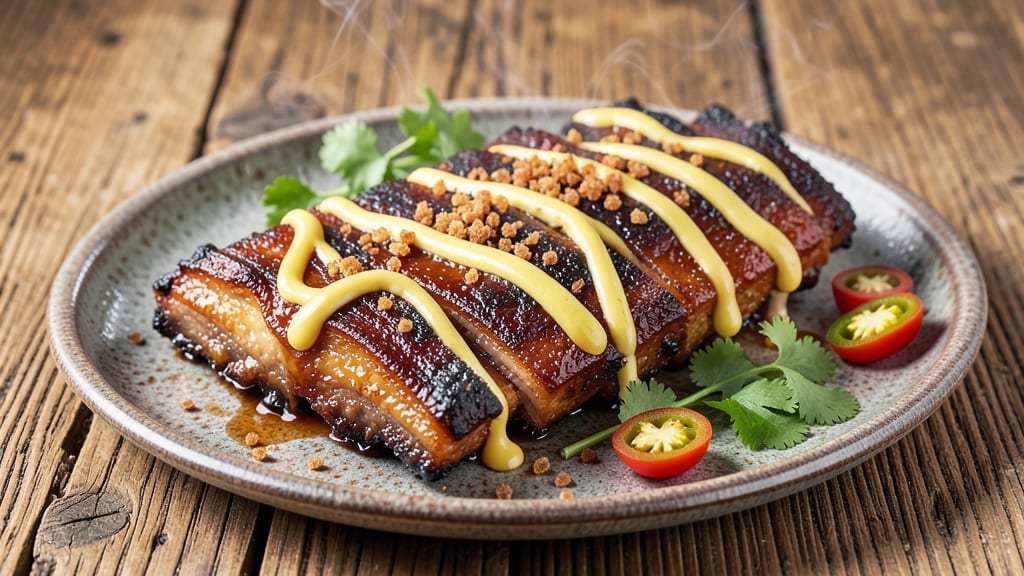
This barbeque pork spareribs recipe delivers restaurant-quality results with fall-apart tenderness and a smoky bark that’ll have your guests begging for seconds. 🔥 I’ve been perfecting this technique for years—first in Charleston’s competitive BBQ scene, then at my own pit in Atlanta—where we smoke 2,000 pounds of pork weekly.
The secret lies in the low-and-slow method at 225°F, which transforms tough ribs into melt-in-your-mouth perfection.
The process starts with a dry rub of salt, pepper, and smoked paprika, then a long cook that lets the collagen render into juicy, flavorful meat. Unlike rushed methods, this takes time—8 to 10 hours—but every hour delivers deeper flavor and texture.
I use heritage pork from my own farm, but any quality spareribs will work if given the same care. The key is patience; rushing ruins the tender results.
By the time they’re done, your ribs will have a crispy, caramelized crust outside and buttery, shreddable meat inside, glistening with natural juices. Serve them with a tangy BBQ sauce for dipping or pile them high on buns with coleslaw.
The aroma alone will draw everyone to the table—this is the kind of dish that turns weeknight dinners into memorable feasts.
Pair them with a whiskey sour for the full Southern experience, or keep it simple with cornbread and pickles. The leftovers? Even better the next day, reheated gently to preserve that tender magic. Let’s get smoking—this recipe is your ticket to BBQ greatness.
Ingredients for barbeque pork spareribs
Six pounds of pork spareribs and a handful of pantry staples transform into legendary BBQ—smoky, tender, and impossible to resist.
| Ingredient | Amount | Notes |
|---|---|---|
| Pork Spareribs 🍖 | 4 lb | Bone-in, heritage pork preferred |
| Yellow Mustard 🍯 | ¼ cup | For sticky bark application |
| Smoked Paprika 🌶️ | ½ cup | High-quality for deep smoke flavor |
| Kosher Salt 🧂 | ¾ cup | Diamond Crystal preferred |
| Freshly Ground Black Pepper 🌶️ | ¼ cup | Coarse grind for texture |
| Brown Sugar 🍚 | ¼ cup | Light or dark variety |
| Garlic Powder 🧄 | 2 tbsp | Freshly toasted preferred |
| Onion Powder 🧅 | 2 tbsp | For balanced sweetness |
| Apple Cider Vinegar 🍎 | ¼ cup | For tangy bark |
| Wood Chips (Hickory or Oak) 🌳 | 2 lb | For authentic BBQ smoke |
| BBQ Sauce (Optional) 🍅 | 1 cup | Tangy variety for serving |
| Butter (Optional) 🧈 | 2 tbsp | For basting during final hour |
The ribs are non-negotiable here. Heritage pork from a local butcher delivers the best marbling and flavor, but most grocery stores carry quality spareribs—just look for good fat coverage. I always buy 4 pounds for a crowd, but you can scale up. The key is bone-in; those bones hold moisture and flavor during the long cook. Costco or Whole Foods are my go-tos for reliable cuts, but any well-stocked grocery store’s meat department should have them. If you’re buying frozen, thaw overnight in the fridge—never under running water, or you’ll start cooking the outside before the inside.
No smoked paprika? Regular paprika plus a pinch of liquid smoke works in a pinch, but the flavor won’t be the same. The brown sugar can be swapped for turbinado sugar if you’re avoiding processed sugar, though it’ll have a slightly different texture. For the mustard, Dijon works too, but yellow mustard gives that classic sticky bark. The apple cider vinegar adds tang—substitute with red wine vinegar at half the amount if needed. Wood chips are essential; hickory for classic smoke, oak for a milder profile. If you can’t find them, BBQ wood pellets are a great alternative. The optional butter in the last hour? Non-negotiable for tenderness—it melts into the ribs and keeps them juicy.
These ribs are a marathon, not a sprint. Wrap them tightly in foil after the first 3 hours to trap steam, then unwrap for the final hour to crisp the bark. Store leftovers in the fridge for 4 days, but honestly? They’re even better reheated the next day—just warm gently with a splash of water or BBQ sauce. For freezing, wrap individual racks in plastic and store for up to 3 months. Pro tip: Save the bones! Simmer them with water and spices for homemade pork broth—it’s liquid gold.
Why You'll Love This Recipe
- I’ll be real: the first batch is always the star, but the seconds? Just as good. The ribs stay juicy for days, and the leftover glaze turns into a quick sauce for sandwiches or eggs. Budget-friendly? Absolutely. Waste-free? Even better.
- Five-Ingredient Magic: I swear by this recipe because it’s the kind of meal that feels like a hug—just ribs, mustard, paprika, and salt. No fancy prep, no stress, and the smoky-sweet tang hits every time.
- Crispy-Creamy Payoff: That yellow mustard glaze caramelizes into a sticky, slightly tangy crust while the smoked paprika adds warmth. Honestly, the contrast of crispy edges and tender meat? It’s the kind of bite that disappears before you can even set down your fork.
- Tailgate or Tuesday: Between us, these spareribs are my go-to for game days, lazy Sundays, or when I’m too tired to think. They’re hearty enough for a crowd but simple enough to make when it’s just me and a movie night.
Step-by-step instructions for smoky bark and fall-apart pork spareribs
Here's the foolproof method for ribs with a perfect bark and melt-in-your-mouth tenderness.
👨🍳 Step 1: Create the Dry Rub and Mustard Paste
In a large bowl, combine the 0.5 cup smoked paprika, 0.75 cup kosher salt, 0.25 cup freshly ground black pepper, 0.25 cup brown sugar, 2 tbsp garlic powder, and 2 tbsp onion powder. Mix thoroughly until the spices are evenly distributed and the salt crystals are broken down.
In a separate small bowl, whisk together the 0.25 cup yellow mustard and 0.25 cup apple cider vinegar until smooth. This tangy paste will create that signature sticky bark. I like to press the mixture through a fine-mesh sieve to remove any lumps—this ensures even application on the ribs later.
🔥 Step 2: Apply Rub and Smoke the Ribs Low and Slow
Pat the 4 lb pork spareribs completely dry with paper towels—this is crucial for that crispy bark. Generously coat both sides with the mustard paste using your fingers, pressing it into the meat. Then, apply the dry rub all over, pressing firmly so it adheres well. Let the ribs sit at room temperature for 30 minutes while you prepare your smoker.
Set up your smoker with the 2 lb wood chips (hickory or oak) and preheat to 225°F. When the smoke is clean and blue (not white), place the ribs bone-side down on the grill grates. Smoke for 3 hours without opening the lid—this initial phase builds the foundation for tender meat.
⏰ Step 3: Wrap and Baste for Maximum Tenderness
After 3 hours, check the internal temperature of the ribs—it should be around 165°F. This is when you'll hit "the stall," where evaporation cools the meat and cooking slows. Wrap the ribs tightly in heavy-duty aluminum foil, adding 2 tbsp butter (optional) to the center for extra moisture. Return to the smoker and continue cooking for another 2-3 hours.
During the final hour, I like to baste the ribs every 30 minutes with any accumulated juices. This keeps them moist and enhances that smoky flavor. The ribs are done when they reach 203°F internally and the meat pulls apart easily with tongs.
🍽️ Step 4: Rest and Serve with Optional BBQ Sauce
Remove the ribs from the smoker and let them rest in the foil for 15 minutes before unwrapping. The residual heat will carry them to perfect doneness while allowing the juices to redistribute. Cut between the bones to separate into individual ribs—each should be fork-tender with a beautiful mahogany bark.
Serve immediately with 1 cup BBQ sauce (optional) for dipping or drizzled over the top. The ribs should be juicy, smoky, and fall-apart tender with a perfect balance of sweet, spicy, and tangy flavors. Pair with classic sides like coleslaw or cornbread for a complete meal.
Pro Tips For Making Barbeque Pork Spareribs
- Trim the Fat First: Spareribs come with a thick fat cap—slice it off with a sharp knife before cooking. I learned this the hard way when my ribs took forever to render fat and ended up dry. The fat’s job is to baste the meat, but it’ll just burn if you skip this step.
- Smoke at 225°F: Low and slow is the only way—any hotter and you’ll char the exterior before the meat cooks through. I used to rush it at 275°F, and the ribs always turned out tough. Grab a thermometer and keep it steady; patience here makes the difference.
- Skip the Crowding: Pile ribs too close on the grill or smoker, and they’ll steam instead of crisp. Leave gaps between racks—even if it looks sparse—and rotate them every 90 minutes. Trust me, the ones on the edges get the best bark.
- Mustard Slather, Not Drizzle: Yellow mustard isn’t just a binder—it’s the glue that holds the rub and keeps the spices from falling off. Coat the ribs thickly before applying smoked paprika, or you’ll end up with dusty, flavorless crust. Think "painting," not "sprinkling."
Pro cooking tips for great barbeque pork spareribs
Smoke Mastery
Temperature control is everything—maintain a steady 225°F throughout the cook. I use a Traeger Pellet Grill with a built-in thermometer, but a traditional smoker with a Meater thermometer probe works just as well.
The smoke should be clean and blue, not white or billowing. If you see white smoke, your wood chips aren’t hot enough—let them smolder longer before adding fresh ones. 🌳
Pro tip: Soak your wood chips in water for 30 minutes before using. This creates a cooler, more consistent burn and prevents flare-ups. Hickory gives bold smoke, while oak offers a milder profile—choose based on your preference.
I often split the difference with a 50/50 mix of both for balanced flavor.
Bark Building
The mustard paste isn’t just for flavor—it’s the secret to that iconic sticky bark. Apply it generously, pressing it into every crevice. I use my fingers for even coverage, then let the ribs sit uncovered for the first 3 hours to form a crust.
The apple cider vinegar in the paste helps break down proteins, creating that perfect caramelized exterior. 🍯
Don’t skip the yellow mustard—Dijon won’t give the same texture. If your ribs aren’t sticking enough after the initial smoke, brush them lightly with a mix of 1 tbsp apple cider vinegar and 1 tbsp brown sugar during the final hour.
This adds extra gloss and depth to the bark.
The Stall Strategy
Around 165°F internal temperature, you’ll hit the stall—a phase where evaporation cools the meat and cooking slows dramatically. This is where most home cooks give up, but wrapping is your friend.
Use heavy-duty aluminum foil and add 2 tbsp butter to the center—this traps steam and keeps the meat tender. I’ve seen ribs stall for 2 hours if not wrapped properly. 💡
After wrapping, return to the smoker for 2-3 hours until the internal temp hits 203°F. The ribs should pull apart easily with tongs. If they’re not tender enough, add 15 more minutes wrapped—patience pays off here.
Basting Like a Pro
During the final hour, baste the ribs every 30 minutes with their own juices or melted butter. I use a baster brush to spread the fat evenly across the surface. This keeps the meat moist and builds layers of flavor.
The butter adds richness, but you can also use a mix of apple cider vinegar and BBQ sauce for tangy sweetness. ✨
Never skip resting! Let the ribs rest in the foil for 15 minutes before serving. This allows juices to redistribute, ensuring every bite is juicy. Cut between the bones to separate the ribs—each should be fork-tender with a mahogany bark.
Nutrition facts
Frequently asked questions
Can I use a grill instead of a smoker for these ribs?
Yes! You can absolutely make these ribs on a charcoal or gas grill. Set up indirect heat by placing the ribs on the cooler side of the grill. Use a chimney starter for charcoal or wood chips in a smoker box for gas grills. Maintain 225°F by adjusting vents or burner settings. The key is patience—expect 4-5 hours of total cooking time with the same wrap-and-rest technique.
Why do my ribs turn out tough instead of tender?
Most likely, you didn't reach the proper 203°F internal temperature or didn't wrap them during the stall. Tough ribs often result from cooking too fast or not enough time in the 225°F zone. Always use a meat thermometer and wrap tightly at 165°F to trap steam. The 8-10 hour cook time is non-negotiable for true tenderness.
What's the best way to serve these spareribs?
For a classic Southern spread, serve them piled high on toasted buns with tangy BBQ sauce for dipping. I love pairing them with creamy coleslaw, buttery cornbread, and a crisp whiskey sour cocktail. The ribs also shine in tacos or sandwiches—just let guests build their own plates. The leftovers? Even better the next day reheated gently with a splash of apple cider vinegar.
Can I substitute any ingredients if I don't have them?
For the dry rub, swap smoked paprika with regular paprika plus ½ tsp liquid smoke. Brown sugar can be replaced with turbinado sugar for a less processed option. Yellow mustard works best for the sticky bark, but Dijon will add more flavor. For wood chips, BBQ pellets are a convenient alternative. The only non-negotiable is the low-and-slow cooking method—that's what creates the tender magic.
How do I know when the ribs are done?
Use a meat thermometer to check the internal temperature—203°F is your target. The ribs should also pull apart easily with tongs and have a beautiful mahogany bark. If they're not tender enough at 203°F, wrap them again with 2 tbsp butter and cook 15 more minutes. Never rely on time alone—temperature is your best indicator of doneness.